Jump to a section43
- Quick Picks
- How I Picked These
- Pick Headphones Based on What You’re Doing
- How to Choose Studio Headphones
- Top Brands Making Studio Headphones
- Best Studio Headphones Under $200
- 1Sennheiser HD 280 PRO
- 2Audio-Technica ATH-M40x
- 3Sony MDR-7506
- 4Audio-Technica ATH-M50x
- 5Shure SRH840A
- 6Beyerdynamic DT 770 PRO
- 7AKG K240 MKII
- 8Beyerdynamic DT 990 PRO
- Best Studio Headphones, $200 to $500
- 9Steven Slate Audio VSX
- 10Beyerdynamic DT 700 PRO X
- 11Sennheiser HD 480 PRO
- 12Beyerdynamic DT 880 PRO
- 13AKG K612 PRO
- 14Beyerdynamic DT 900 PRO X
- 15Audio-Technica ATH-R70xa
- 16Sony MDR-MV1
- 17Sennheiser HD 490 PRO
- 18Sennheiser HD 600
- Best Studio Headphones, $500 to $1,000
- 19Sennheiser HD 650
- 20AKG K712 PRO
- 21Neumann NDH 30
- 22Beyerdynamic DT 1990 PRO MKII
- 23Audeze LCD-2
- Best Studio Headphones, $1,000 and Up
- 24Audeze LCD-XC
- 25Audeze LCD-X
- 26Audeze MM-520
- 27Sennheiser HD 800 S
- 28Audeze LCD-5s
- Do You Need a Headphone Amp?
- Mixing on Headphones Only
- Headphones for Electronic Music Production
- All 28 Side by Side
- Frequently Asked Questions
- One Pair You Know by Heart
Good studio headphones take your room out of the picture. On monitors, you hear the sound after it bounces off your walls and furniture. Headphones go straight into your ears. Switching between the two gives you two different takes on the same mix.
For a first pair, get the Audio-Technica ATH-M40x (about $109) or the Beyerdynamic DT 770 PRO (about $200). Both are closed-back. For mixing, the open-back Sennheiser HD 490 PRO (about $429) is the one to beat. And if money’s no issue, the Audeze LCD-X is still the obvious pick.
Kind of a funny thing to admit at the top of a headphones guide, but I’d rather mix on monitors. Mine are Yamaha HS8s (they’re in the studio monitors guide), and headphones are where I check the mix. Mostly that’s the Steven Slate VSX, because I can flip between the rooms it simulates and hear the same mix in each one. I also keep an old pair of V-Modas around for a quick check now and then.
There are 28 pairs below, from about $100 to $4,500. Each one is marked open-back, closed-back or semi-open, because that matters as much as the price (maybe even more).
Quick Picks
Each pick jumps to its full entry below.
| Headphone | Best for | Why |
|---|---|---|
| Audio-Technica ATH-M40x | First pair | Honest sound for a first pair, about $109 |
| Sony MDR-7506 | Budget tracking | The budget closed-back studios keep buying |
| Beyerdynamic DT 770 PRO | Late nights | Closed-back and comfy enough for all night |
| Beyerdynamic DT 700 PRO X | Tracking, no amp | Closed-back that works from anything |
| Sennheiser HD 480 PRO | Closed-back mixing | Blocks a lot of sound and good enough to mix on |
| Sennheiser HD 490 PRO | All-round open-back | Two pad sets, one for producing and one for mixing |
| Sennheiser HD 600 | Classic mix reference | Engineers have trusted it for decades |
| Steven Slate Audio VSX | Headphones only | Hear your mix in a car or club from your chair |
| Audeze LCD-X | Big budget | Crazy detail, no separate amp needed |
How I Picked These
I picked these based on a mix of what I’ve used myself, what my producer friends swear by, a lot of public reviews, and a whole hell of a lot of research. Every pair is still being made, so you can actually buy it new.
Prices are what the maker normally charges, or what a big US store charges when the maker doesn’t sell direct. Beyerdynamic and AKG go on sale a lot, so check before you buy.
Pick Headphones Based on What You’re Doing
Find your situation below and start with those picks.
- Recording vocals or instruments, or someone else is in the room. You need closed-back headphones, so nothing leaks into the mic. MDR-7506, DT 770 PRO, DT 700 PRO X or the HD 480 PRO.
- Mixing in a quiet room. Open-back headphones sound more natural and tire your ears less. DT 990 PRO on a budget, then the HD 490 PRO, HD 600 or HD 650.
- Mixing on headphones only, with no treated room. The VSX, or any open-back plus the tools in Mixing on Headphones Only.
- Working from a laptop with no headphone amp. Stick to ones that are easy to power. DT 900 PRO X, MDR-MV1, DT 1990 PRO MKII or the LCD-X.
- One pair for everything on a tight budget. A closed-back like the ATH-M40x or DT 770 PRO. Add an open-back for mixing later, and keep the closed pair for tracking.
How to Choose Studio Headphones
Three things matter most, roughly in this order.
Open, closed or semi-open. Open-back headphones let sound through the earcups both ways. Your music leaks out and the room leaks in, but they sound more open and your ears don’t get tired as fast. That’s why most people mix on them.
Closed-back headphones seal the sound in, so use them when there’s a mic nearby or someone’s sleeping in the next room. Semi-open is somewhere in between.
Comfort. You might wear these for four hours straight, so weight and how tight they squeeze matter more than you’d think. Some of the high-end ones weigh twice as much as a light pair. Try them on in a store if you can, and check the return policy if you can’t.
Impedance. This is measured in ohms, and it roughly tells you how much power a pair needs. Low numbers work fine from a laptop or phone. High numbers need a good headphone output, and some need a separate amp. More on that further down.
Top Brands Making Studio Headphones
Audio-Technica is the value pick. The M-series closed-backs are a common first pair, and they’re tough enough to survive a backpack. The R-series open-backs are the step up for mixing.
AKG’s K240 has been in recording studios forever, and the open-back K612 and K712 are some of the most comfortable headphones you can mix on. They’re better at home than on the road.
Beyerdynamic and Sennheiser have six picks each here, more than anyone else. Beyerdynamic’s classic DT 770 and 990 PRO come in a few versions so you can match them to your gear, and the newer PRO X line works with almost anything.
Sennheiser has a pro range from the HD 280 PRO up to the HD 490 PRO, and the HD 600, HD 650 and HD 800 S are open-backs a lot of engineers mix on. Sennheiser also owns Neumann, whose NDH 30 is on the list too.
Sony makes the MDR-7506, a closed-back that has been a studio and broadcast standard for decades. The newer MDR-MV1 is its open-back for mixing.
Shure’s closed-backs are affordable and hard to break. The SRH840A is a good first pair, and when you add an open-back later, the Shure stays useful for tracking.
Steven Slate Audio has one pair here, the VSX: closed-backs bundled with software that simulates different places to listen, from big studios to car stereos and clubs.
Audeze is the high-end brand. Their headphones use a different kind of driver (planar magnetic) that’s super detailed and fast. If you’re starting out, you don’t need them. If you’ve been at this for years and want to hear more, they’re worth a listen.
Best Studio Headphones Under $200
Most of you should start here. Six of these are closed-back, good for recording and late nights. The other two are a semi-open classic and the cheapest open-back on the list.
1. Sennheiser HD 280 PRO
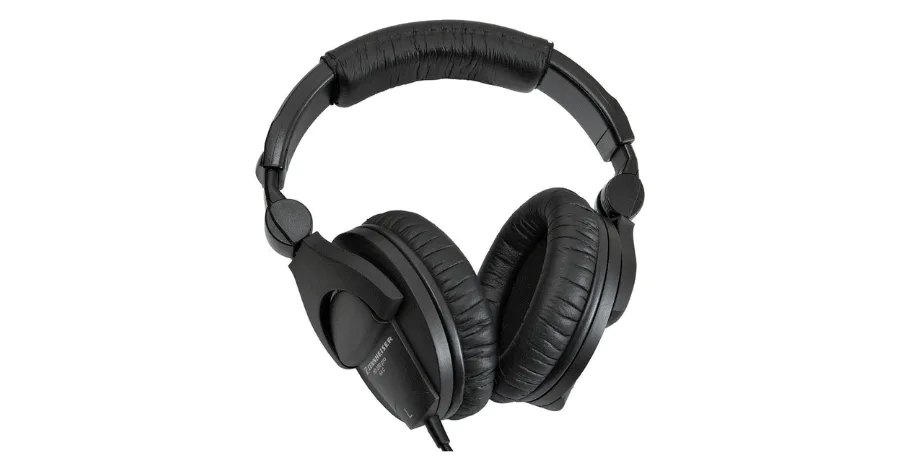
The Sennheiser HD 280 PRO is Sennheiser’s cheapest pro pair, at about $100, and it’s all about blocking sound.
Type: Closed-back
Driver: Dynamic
Impedance: 64 ohm
Price: about $100
The thick pads seal around your ears, so outside noise drops way down, and almost none of your click track leaks into a vocal mic. The coiled cable stretches, so you can move around without yanking it.
The sound is flat enough for editing and rough mixes.
Best for: recording at home, where blocking sound matters more than detail.
Watch out: that seal comes from a tight squeeze, and some people find it uncomfortable after a couple of hours.
2. Audio-Technica ATH-M40x
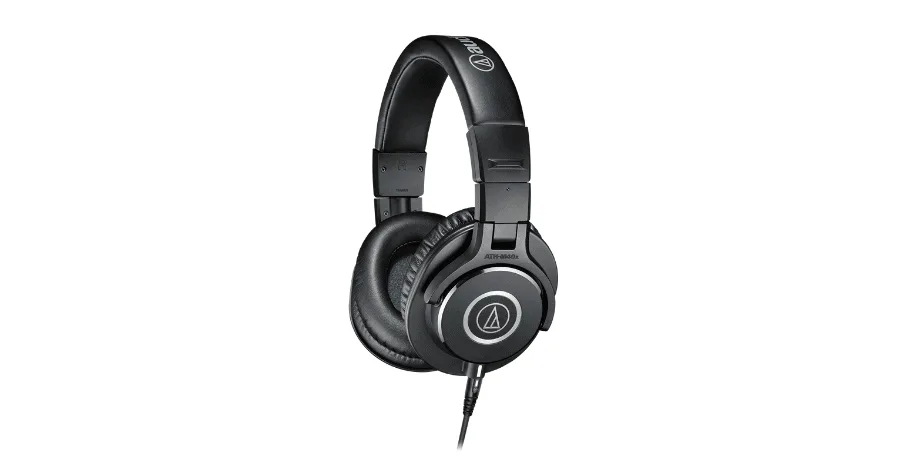
If this is your first pair of studio headphones, start with the Audio-Technica ATH-M40x.
Type: Closed-back
Driver: 40mm dynamic
Impedance: 35 ohm
Price: about $109
It sounds flatter than most headphones at this price, which is what you want when you’re learning what a balanced mix sounds like. It gets loud from a laptop, and it’s light enough to forget you’re wearing it.
The cable comes off, so if it frays in two years, it’s a cheap fix.
Best for: a first pair that does a bit of everything.
Watch out: it can sound a little boring next to bass-heavy consumer headphones. Give your ears a week before you judge it.
3. Sony MDR-7506
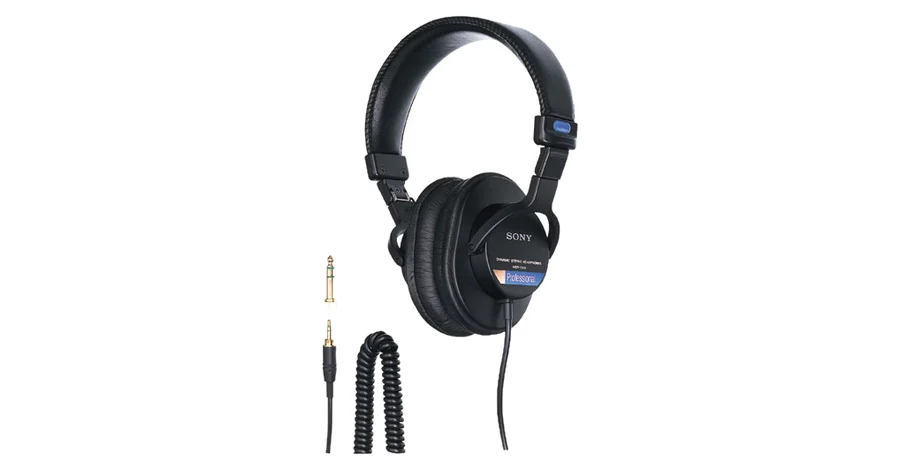
Walk into a recording studio or a radio booth and there’s a good chance a Sony MDR-7506 is hanging on a hook.
Type: Closed-back
Driver: 40mm dynamic
Impedance: 63 ohm
Price: about $115
Sony’s sold it since the early ’90s, and studios keep buying it because it’s cheap and doesn’t sugarcoat anything. It’s great at catching clicks and bad edits, and it folds up small.
It’s a little bright, though, so engineers use it for recording and editing more than final mix calls.
Best for: recording vocals and editing on a budget.
Watch out: the cable doesn’t come off, so if it breaks, it’s a repair. The highs can get tiring on long sessions.
4. Audio-Technica ATH-M50x
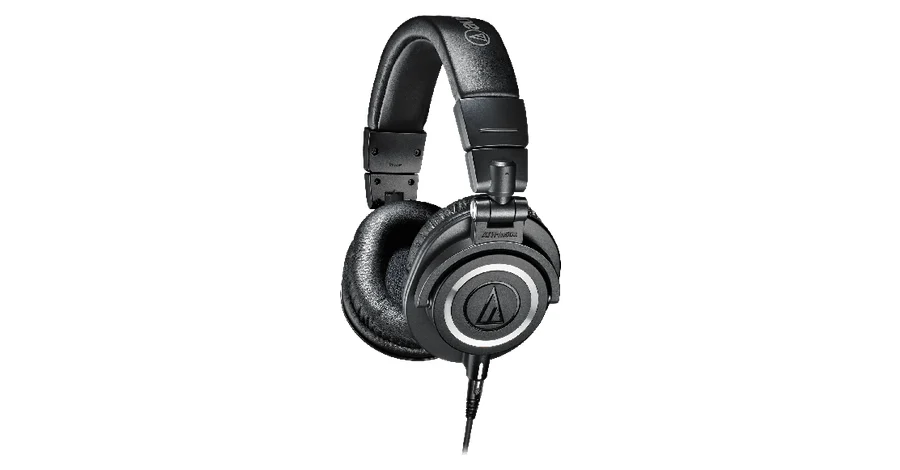
The Audio-Technica ATH-M50x is basically the M40x with more bass.
Type: Closed-back
Driver: 45mm dynamic
Impedance: 38 ohm
Price: about $159
It’s probably the headphone you’ve seen most on YouTube. The extra bass makes it more fun to make music on. The earcups swivel for one-ear listening, and the cable comes off.
That fun has a cost. The bass is a little boosted, so mixes made only on these can end up light on bass.
Best for: a closed-back that’s fun for long writing sessions.
Watch out: on some units, the left and right sides don’t quite match. If the stereo sounds off-center, exchange them.
5. Shure SRH840A
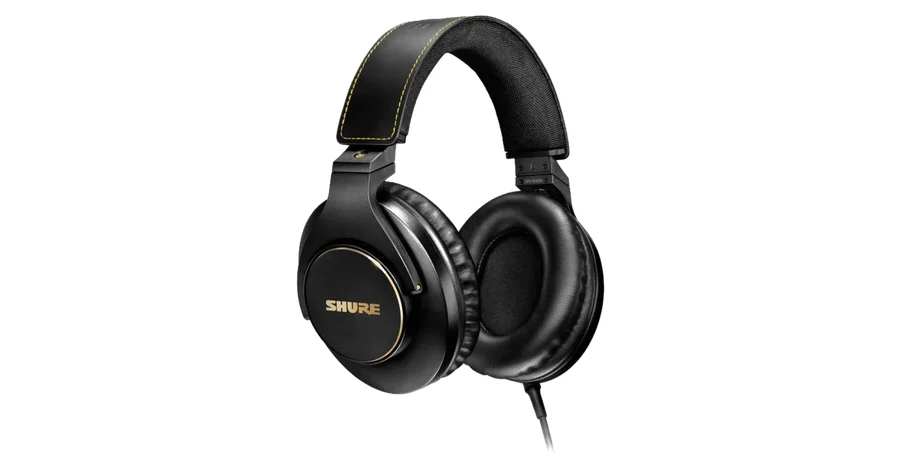
The Shure SRH840A is easy to power from anything, a laptop or an interface, and the cable comes off.
Type: Closed-back
Driver: 40mm dynamic
Impedance: 38 ohm
Price: about $169
It’s the kind of closed-back that stays useful as a backup long after you buy something fancier. The bass is warm but not sloppy.
Best for: a first closed-back for recording and checking mixes.
Watch out: listings for the original SRH840, with a coiled cable, still turn up. Make sure the one you buy says SRH840A.
6. Beyerdynamic DT 770 PRO
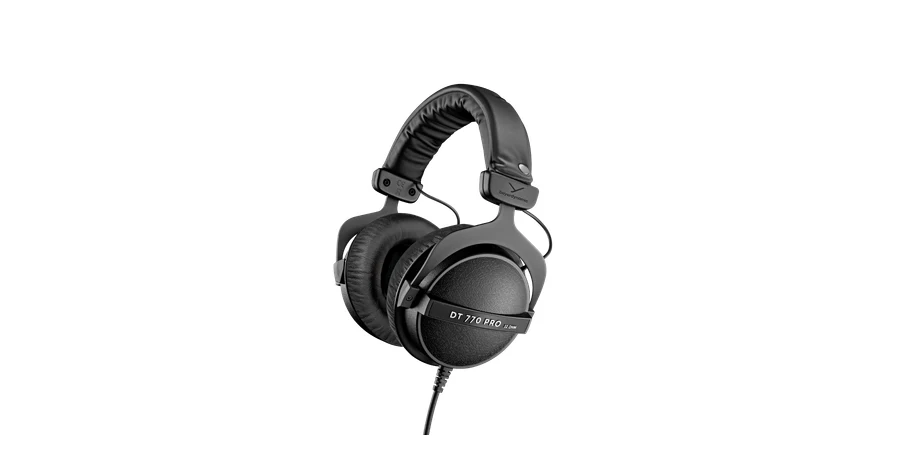
Ask r/musicproduction what to buy and the Beyerdynamic DT 770 PRO in 80 ohm is usually the first answer.
Type: Closed-back
Driver: Dynamic
Impedance: 32, 80 or 250 ohm
Price: about $200
The soft pads are famously comfortable. People wear these all night without complaining. They block enough sound for recording, and the bass has real weight.
There are three versions for different gear. The 32 ohm works from a phone, the 80 ohm is right for most audio interfaces, and the 250 ohm needs a headphone amp. The link goes to the 80 ohm.
Best for: late-night producing and recording, especially if you wear glasses or run hot.
Watch out: the cable doesn’t come off, and the highs can get a bit sharp when it’s loud.
7. AKG K240 MKII
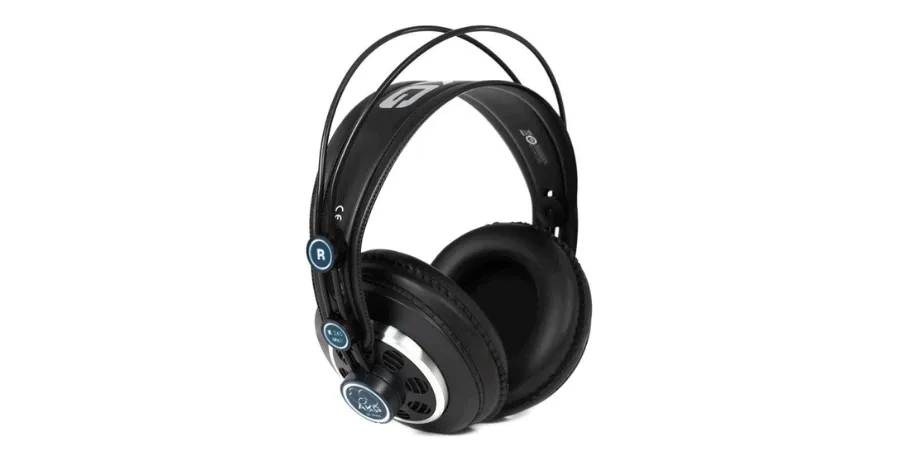
Only one pair under $200 here is semi-open: the AKG K240 MKII, a studio classic.
Type: Semi-open
Driver: 30mm dynamic
Impedance: 55 ohm
Price: about $199, often on sale for less
Semi-open gets you a bit of that open-back airiness while keeping most of the sound in. It’s light, and the cable comes off.
Musicians like it for recording because they can hear the room and themselves at the same time.
Best for: recording guitar and keys, or if closed-backs feel claustrophobic.
Watch out: semi-open means a little leakage. Next to a sensitive mic on a quiet vocal, closed-back is safer.
8. Beyerdynamic DT 990 PRO
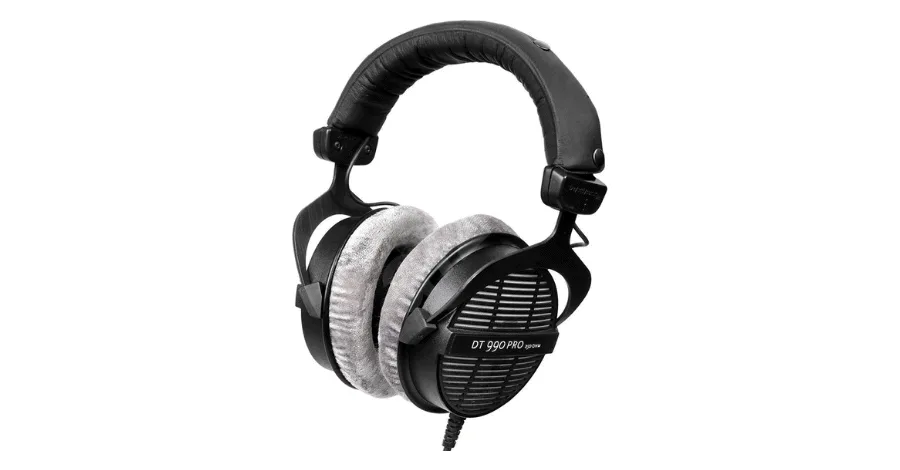
The cheapest proper open-back on this list is the Beyerdynamic DT 990 PRO.
Type: Open-back
Driver: Dynamic
Impedance: 80 or 250 ohm
Price: about $200
It’s the open-back version of the DT 770 PRO. Same comfy build, but it sounds way more open. For a lot of producers, it’s the first pair where panning and reverb decisions feel obvious.
It’s bright, so detail jumps out. That’s great for spotting problems, less great for judging how harsh a mix really is.
Best for: a first open-back for mixing on a budget.
Watch out: the link goes to the 250 ohm version, which needs a headphone amp or a strong interface. The 80 ohm version is easier from a laptop.
Best Studio Headphones, $200 to $500
The classic mixing open-backs start showing up in this tier. The first three are closed-back and the DT 880 PRO is semi-open. Everything after that is open-back.
9. Steven Slate Audio VSX
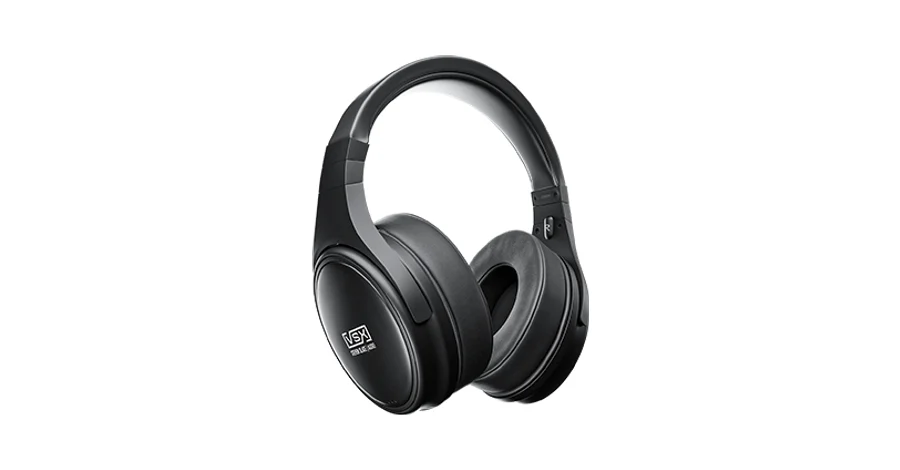
In a popular r/audioengineering thread on the best headphones for mixing, the top-voted answer is the Steven Slate Audio VSX.
Type: Closed-back
Driver: Beryllium
Impedance: not published
Price: about $299 (Essentials Edition)
They’re closed-back headphones that come with software that simulates real places to listen: studios, cars, clubs, a phone speaker. You switch between them to hear how your mix holds up, without leaving your chair. That switching is why I check my own mixes on it.
The Essentials version comes with a starter set of rooms. The Platinum version (about $512, often on sale) has all of them, plus any they add later. Both have a 30-day money-back guarantee.
Best for: mixing on headphones only, when you need to hear how a mix sounds in a car or a club.
Watch out: the room simulation runs on your computer, so turn it off before you bounce.
10. Beyerdynamic DT 700 PRO X
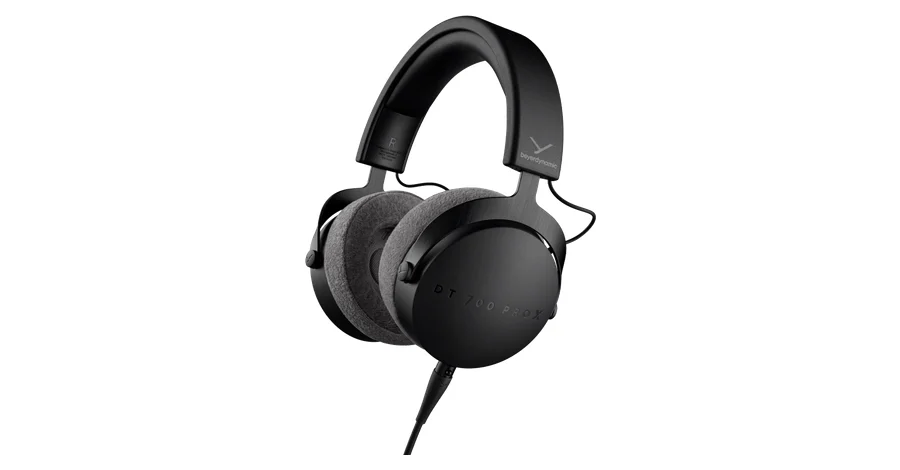
Beyerdynamic’s PRO X line is made to work with anything, and the DT 700 PRO X is the closed-back one.
Type: Closed-back
Driver: 45mm Stellar.45 dynamic
Impedance: 48 ohm
Price: about $320, often on sale for less
It gets loud from a laptop or a cheap interface, so you don’t need an amp. It comes with two cables, a long one and a short one.
If you like the DT 770 PRO but want more detail, this is the step up.
Best for: recording vocals and instruments straight from an interface.
Watch out: it’s on the heavy side, and you’ll feel it on a long recording day.
11. Sennheiser HD 480 PRO
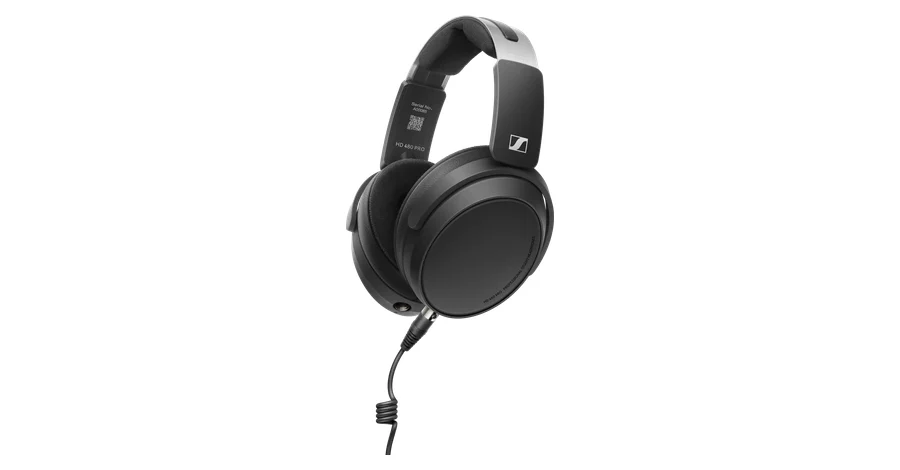
The HD 480 PRO is Sennheiser’s newest closed-back, the sealed version of the HD 490 PRO.
Type: Closed-back
Driver: Dynamic
Impedance: 130 ohm
Price: about $399
It blocks a lot of sound, enough to record next to a loud drummer or work on a plane. The pads stay comfortable for long sessions, and the cable comes off.
If you want one closed-back that’s good enough to mix on too, this is it.
Best for: mixing on closed-backs, and working on the go.
Watch out: it needs a decent headphone output. The Plus version comes with a hard case if you’ll travel with it.
12. Beyerdynamic DT 880 PRO
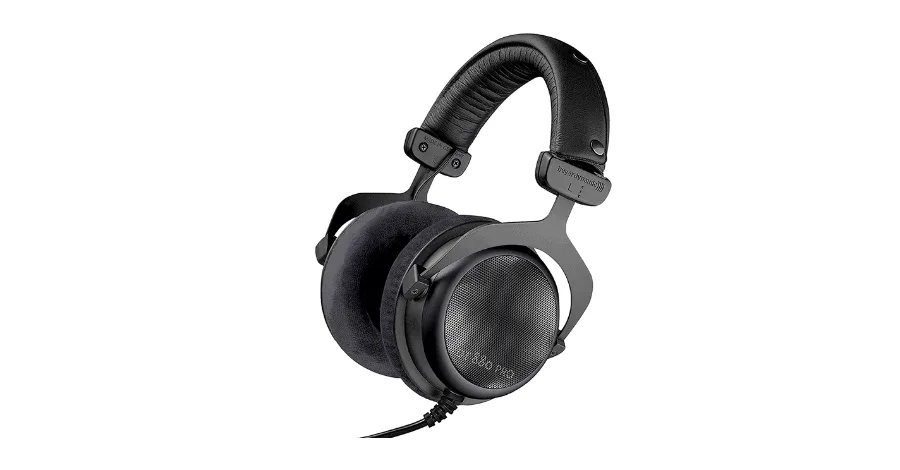
If the DT 990 PRO is too bright for you, try the Beyerdynamic DT 880 PRO.
Type: Semi-open
Driver: Dynamic
Impedance: 250 ohm
Price: about $250
The highs are calmer, so it sounds more even. Some reviewers call it the best all-rounder at its price. Same build and soft pads as the other DTs.
Best for: mixing, if you like the DT feel but want smoother highs.
Watch out: it only comes in 250 ohm now, so you’ll need a strong headphone output or an amp.
13. AKG K612 PRO
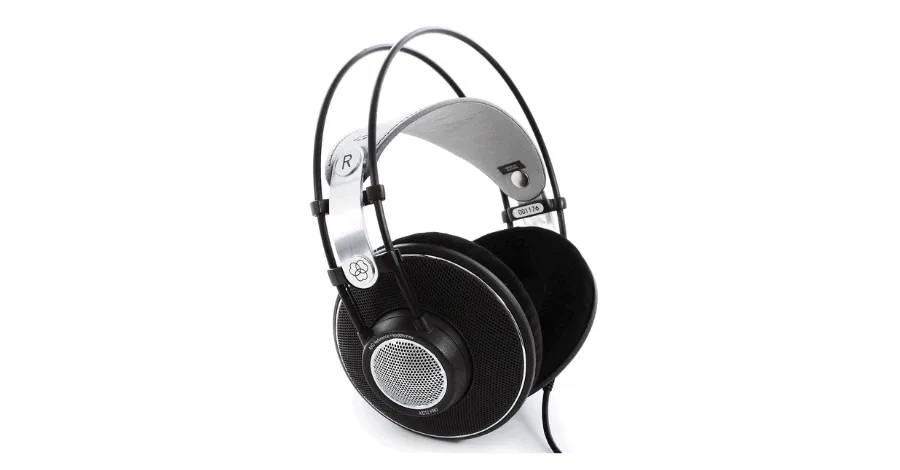
The AKG K612 PRO is great for hearing exactly where things sit, left to right.
Type: Open-back
Driver: Dynamic
Impedance: 120 ohm
Price: about $279
It sounds wide and precise, so you can hear where a hi-hat or a background vocal sits. The headband adjusts itself, and the big earcups don’t press on your ears.
Best for: dialing in stereo placement without spending HD 600 money.
Watch out: the cable doesn’t come off, and it needs more than a laptop to sound right.
14. Beyerdynamic DT 900 PRO X
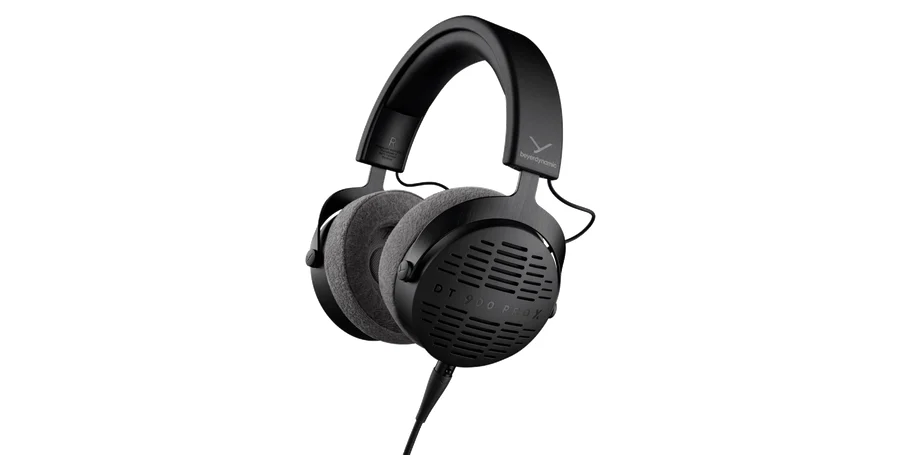
Plug the Beyerdynamic DT 900 PRO X straight into a laptop and it gets loud enough to mix on.
Type: Open-back
Driver: 45mm Stellar.45 dynamic
Impedance: 48 ohm
Price: about $320, often on sale for less
That’s the whole point. Most open-backs at this level need a good headphone output. This one doesn’t.
The sound is less bright than the classic DT 990 PRO and easier to live with over a long mix.
Best for: open-back mixing from a laptop or a small interface.
Watch out: open-backs leak, so it’s not the one for recording next to a mic or working next to someone.
15. Audio-Technica ATH-R70xa
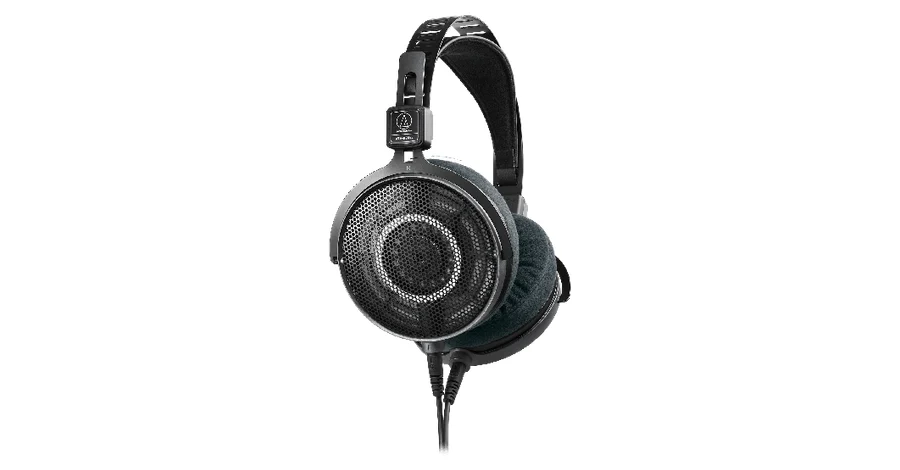
At about 199g, the Audio-Technica ATH-R70xa is one of the lightest pairs here, and that matters at hour five of a mix.
Type: Open-back
Driver: 45mm dynamic
Impedance: 470 ohm
Price: about $379
It replaced the R70x as Audio-Technica’s top open-back. It sounds detailed and even, made for careful mixing.
And the cable comes off.
Best for: long mix sessions, if heavy headphones wear you out.
Watch out: it’s power-hungry (470 ohm, the most on this list). Without a real headphone amp, it’ll sound quiet and thin.
16. Sony MDR-MV1
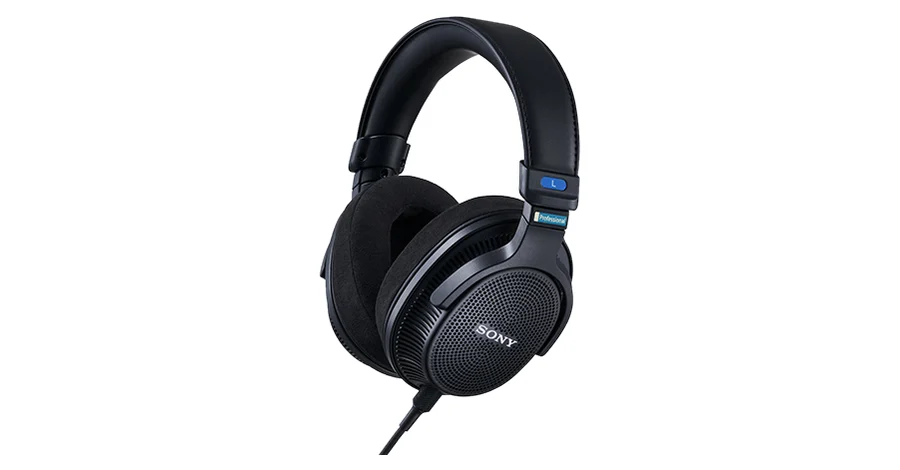
Sony made the MDR-MV1 as an open-back for mixing, including Dolby Atmos and other spatial audio.
Type: Open-back
Driver: 40mm dynamic
Impedance: 24 ohm
Price: about $420
It’s easy to power from almost anything, and it’s light.
The cable comes off and is long enough to reach across a desk.
Best for: open-back mixing from any source, and checking Atmos mixes.
Watch out: the spatial audio stuff only matters if you mix in Atmos or 360 Reality Audio. For normal stereo, it’s just a light open-back that’s easy to power.
17. Sennheiser HD 490 PRO
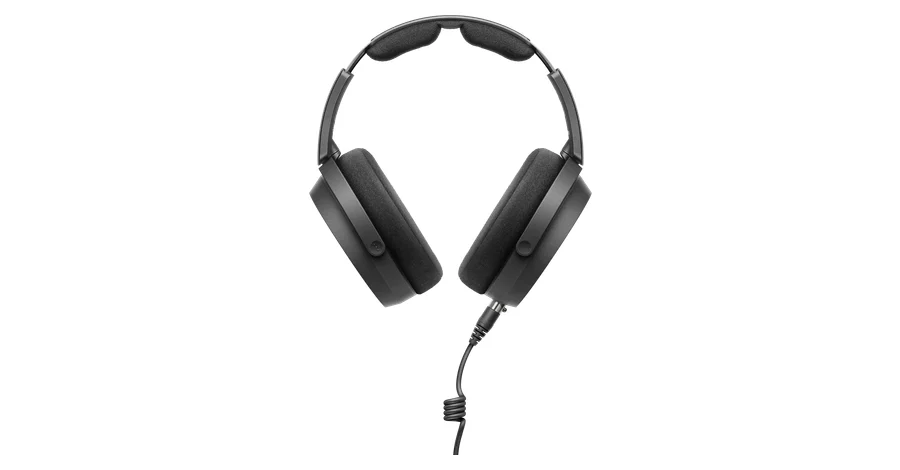
If you only read one entry in this tier, make it the Sennheiser HD 490 PRO.
Type: Open-back
Driver: Dynamic
Impedance: 130 ohm
Price: about $429
It comes with two sets of ear pads, one for producing and one for mixing, and you can hear the difference immediately. The producing pads add a little bass while you write. The mixing pads flatten it out when it’s time to make decisions.
It won a TEC Award in 2025, and MusicRadar and MusicTech both call it the best overall pick.
Best for: one open-back for both producing and mixing.
Watch out: like the HD 480 PRO, it needs a decent headphone output. The Plus version (around $499) adds more pads, a case and a second cable.
18. Sennheiser HD 600
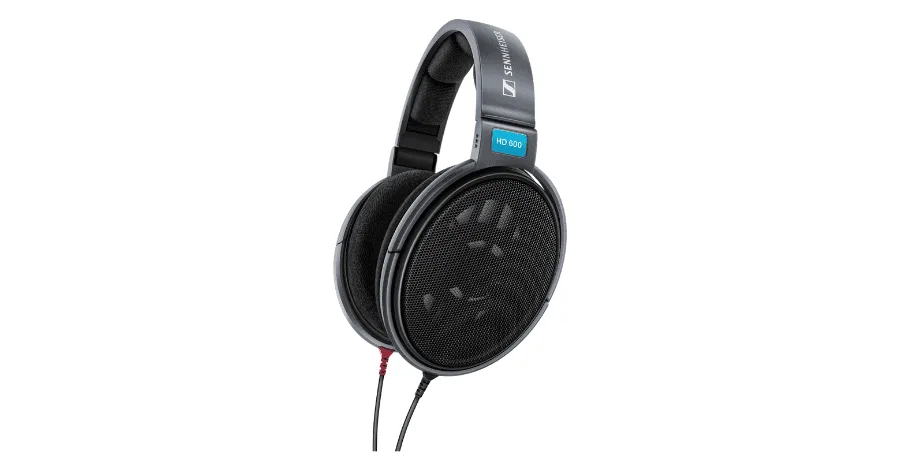
Engineers have been mixing on the Sennheiser HD 600 since the late ’90s, and they still swear by it.
Type: Open-back
Driver: Dynamic
Impedance: 300 ohm
Price: about $500, often less at retail
The mids are the reason. Vocals and synths sound exactly where they are in the mix, so balance decisions you make on these tend to hold up everywhere. The pads stay comfortable for hours.
Nearly every part is replaceable, so a pair can last a career.
Best for: a classic for mixing, with mids you can trust.
Watch out: it needs a proper headphone amp (300 ohm). The deepest bass rolls off, so check your low end somewhere else.
Best Studio Headphones, $500 to $1,000
All five are open-back, and the detail keeps climbing. Only the HD 650 really needs a separate amp.
19. Sennheiser HD 650
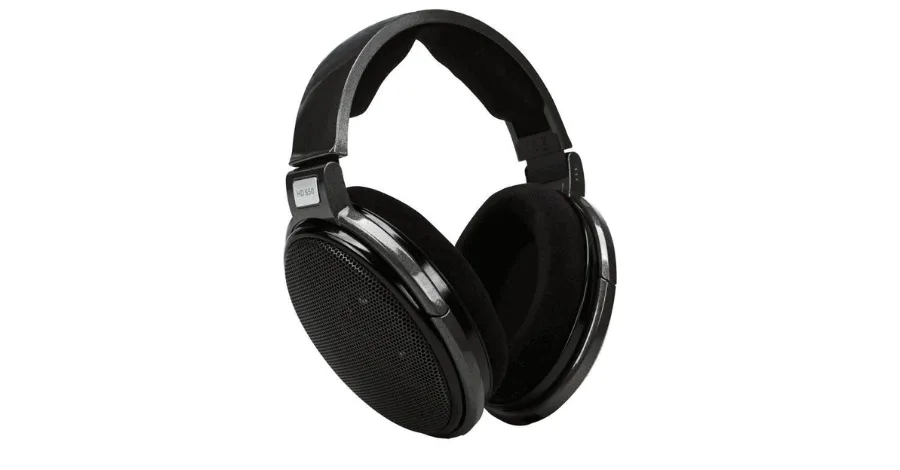
Take the HD 600, warm up the low mids a touch, and you’re close to the Sennheiser HD 650.
Type: Open-back
Driver: Dynamic
Impedance: 300 ohm
Price: about $580, often less at retail
The warmer sound makes it easier to listen to all day, and the mids are just as trustworthy as the HD 600. It’s one of the most common answers when engineers on Reddit name what they mix on.
Best for: all-day mixing, for anyone who finds the HD 600 a little lean.
Watch out: it needs a real headphone amp, same as the HD 600, and the warmth can hide a little mud in the low mids. Check on another system.
20. AKG K712 PRO
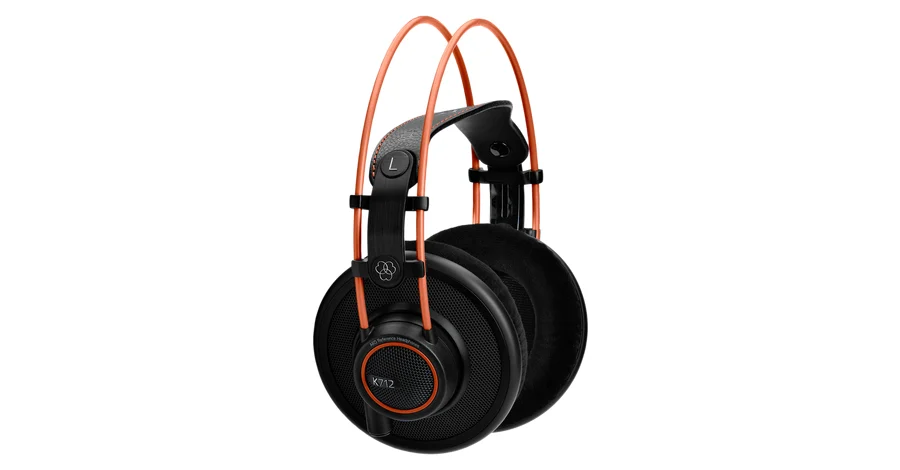
If comfort tops your list, look hard at the AKG K712 PRO.
Type: Open-back
Driver: Dynamic
Impedance: 62 ohm
Price: about $699, often on sale for less
Big earcups and a light squeeze make it one of the easiest headphones to forget you’re wearing. It’s the pro version of AKG’s long-running K701, with the same open, airy sound.
Best for: marathon mix sessions.
Watch out: Amazon listings for this one come from overseas third-party sellers. Buy from AKG or a US dealer instead.
21. Neumann NDH 30
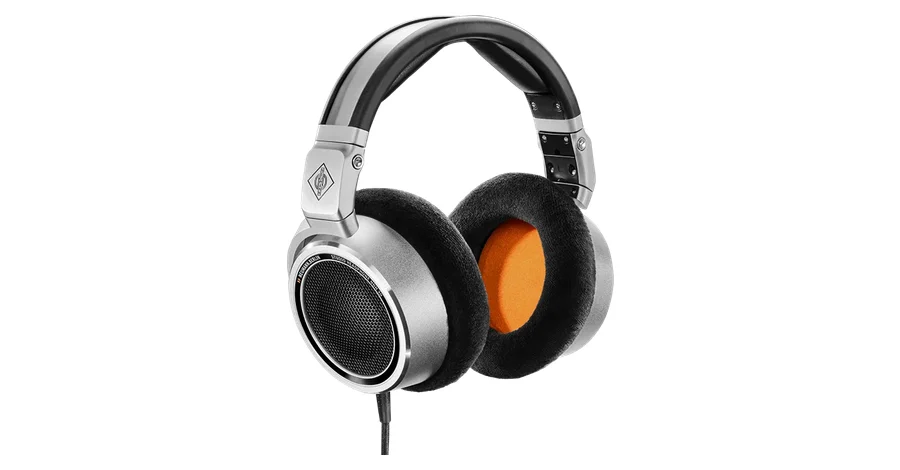
Neumann is known for mics and studio monitors. The NDH 30 is its open-back, made to match those monitors.
Type: Open-back
Driver: 38mm dynamic
Impedance: 120 ohm
Price: about $699
If you already mix on Neumann’s KH speakers (see the studio monitors guide), it’s a natural fit. It folds flat, too.
It also won a TEC Award in 2023.
Best for: mixing on Neumann monitors and wanting headphones that match.
Watch out: Neumann only sells through dealers, and the link goes to the Black Edition, the same headphone in a darker finish. It’s also on the heavy side.
22. Beyerdynamic DT 1990 PRO MKII
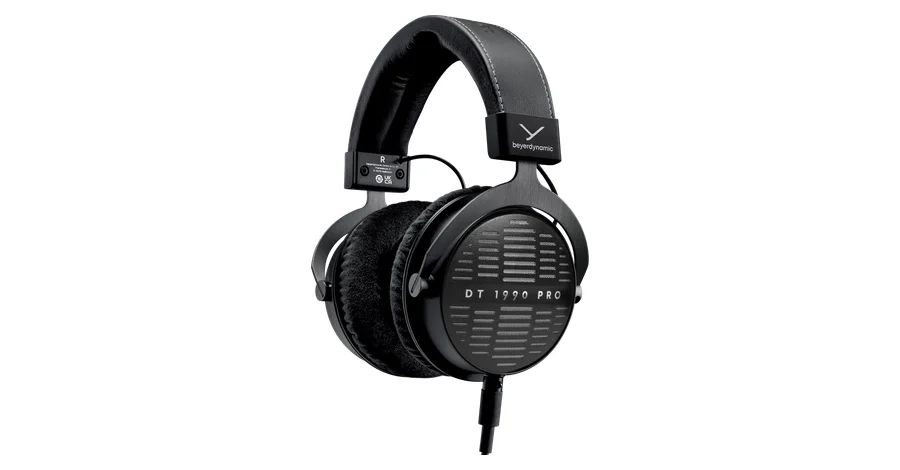
The original DT 1990 PRO needed a proper amp. The DT 1990 PRO MKII doesn’t. It works from almost anything.
Type: Open-back
Driver: 45mm Tesla.45 dynamic
Impedance: 30 ohm
Price: about $700, often on sale for less
It’s Beyerdynamic’s top studio open-back, made for detailed mixing and mastering. It comes with two cables and two sets of pads that change the sound.
Best for: detailed mixing and mastering without an amp.
Watch out: the original DT 1990 PRO still shows up in listings, so look for MKII. And it’s a little heavy.
23. Audeze LCD-2
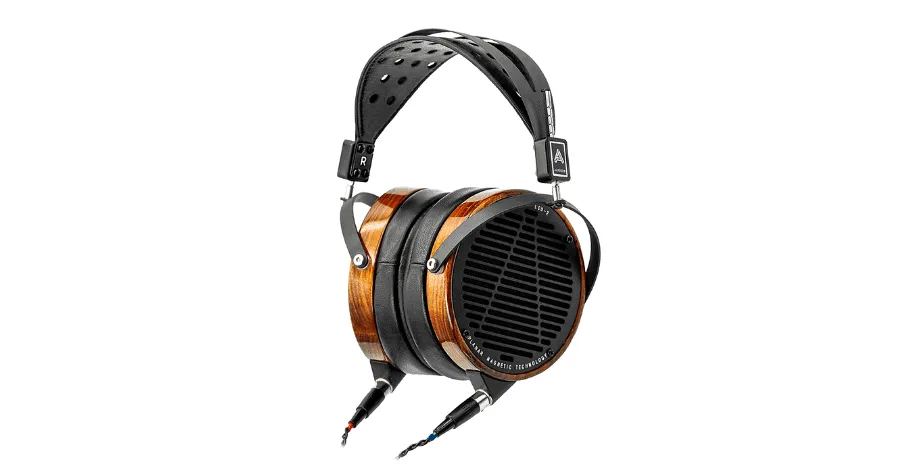
The Audeze LCD-2 is a planar magnetic headphone. Instead of a cone, magnets move a thin film across its whole surface.
Type: Open-back
Driver: 106mm planar magnetic
Impedance: 70 ohm
Price: about $995
The result is fast, clean hits and tight bass. It’s the cheapest planar on this list, but it’s heavy.
Best for: your first planar, for detailed mixing.
Watch out: the cheaper LCD-2 Classic (about $799) is a different model, so check which one the listing is for.
Best Studio Headphones, $1,000 and Up
Four of these five are planar magnetic. At this price, you’re paying for detail. The truth is, they’re better than the tier below, but not by as much as the price jump suggests.
24. Audeze LCD-XC
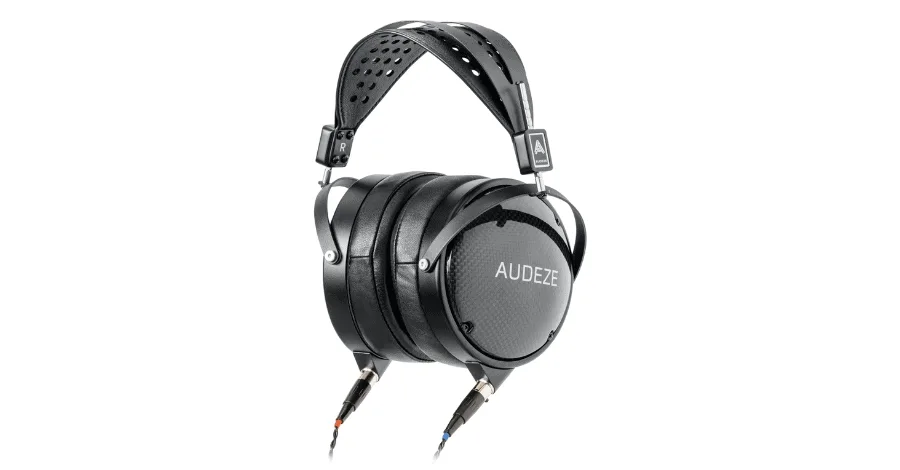
Closed-back planars are rare, and the Audeze LCD-XC is one of them.
Type: Closed-back
Driver: 106mm planar magnetic
Impedance: 20 ohm
Price: about $1,299
You get planar detail, and it seals well enough to record or work in a noisy room. The bass is a little heavier than its open-back sibling, the LCD-X.
Best for: planar detail when you need to block sound.
Watch out: it’s the heaviest headphone on this list.
25. Audeze LCD-X
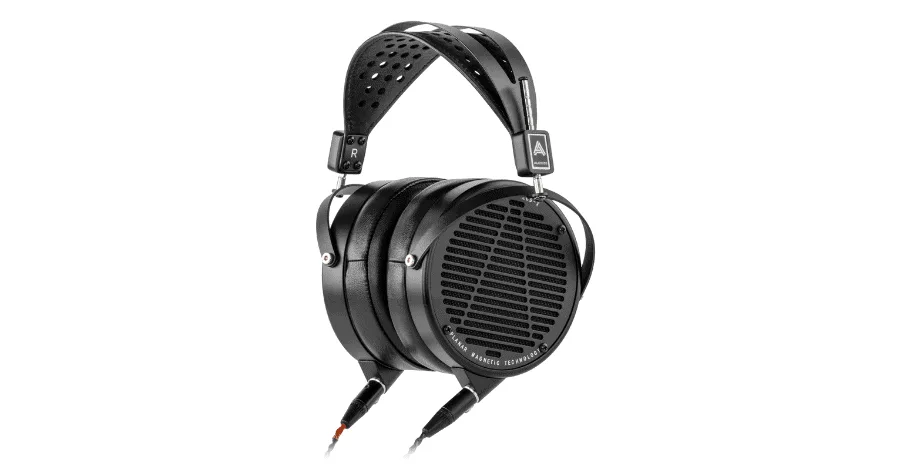
In the r/audioengineering thread that put the VSX first, the Audeze LCD-X came second.
Type: Open-back
Driver: 106mm planar magnetic
Impedance: 20 ohm
Price: about $1,199
Mix engineers trust it and audiophiles love it, which doesn’t always happen. It runs from a decent interface without a separate amp, which is unusual for a planar.
Best for: big-budget mixing, straight from your interface.
Watch out: it’s heavy, almost as heavy as the LCD-XC. Take breaks.
26. Audeze MM-520
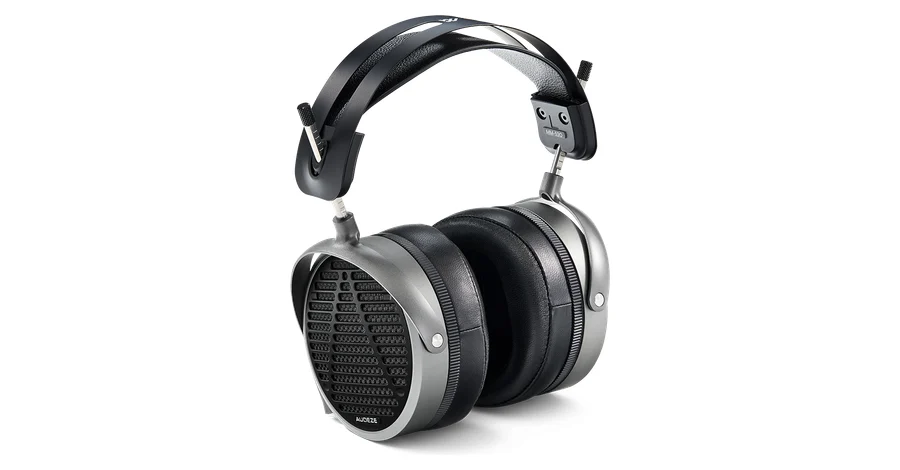
Grammy-winning mix engineer Manny Marroquin co-designed Audeze’s MM line. The MM-520 is its newest model.
Type: Open-back
Driver: 90mm planar magnetic
Impedance: 18 ohm
Price: about $1,699
It replaced the MM-500, which people on gear forums called the gold standard for mixing headphones. It’s lighter than the LCD-X and easy to power from an interface.
The pads snap on with magnets.
Best for: a planar made specifically for mixing.
Watch out: the MM-500 is discontinued, so older listings might still use that name. Make sure you’re getting the 520.
27. Sennheiser HD 800 S
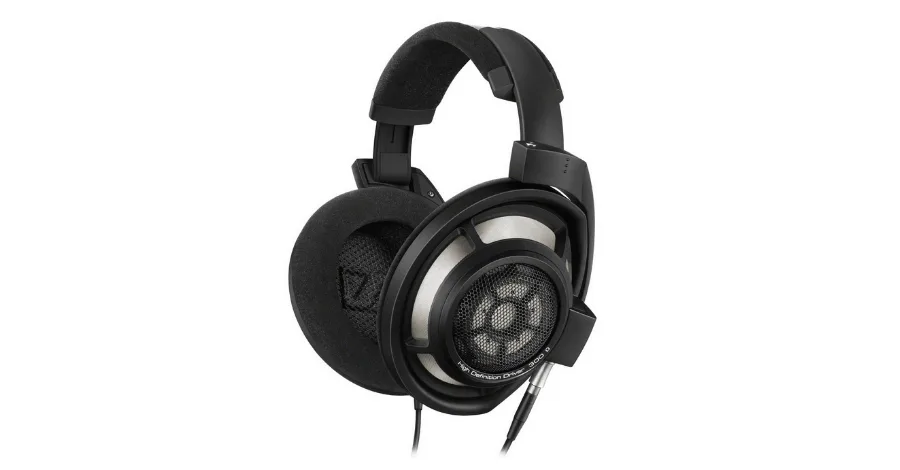
Nothing else here sounds as wide as the Sennheiser HD 800 S.
Type: Open-back
Driver: 56mm ring radiator dynamic
Impedance: 300 ohm
Price: about $2,000
The driver sits angled in front of your ear, so it sounds more like speakers than most headphones do. The sound is natural and detailed, and it’s surprisingly light for a flagship.
Best for: mixing on headphones that sound closer to speakers.
Watch out: it needs a serious headphone amp. And it sounds so wide that mixes can feel bigger on these than they will on earbuds.
28. Audeze LCD-5s
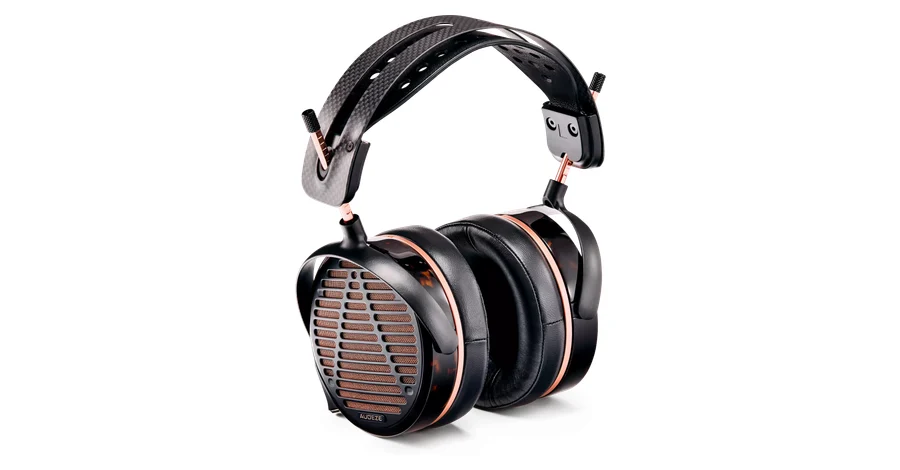
The LCD-5s is Audeze’s flagship.
Type: Open-back
Driver: 90mm planar magnetic
Impedance: 35 ohm
Price: about $4,500
It’s light for a top-end planar, and it’s so detailed you hear every edit and every reverb tail.
If you want Audeze’s top tier for less, the LCD-MX4 (about $2,995) is made for mix engineers and is easier to power.
Best for: the very top, if your room and gear match it.
Watch out: despite the low ohm number, it needs a lot of power. Audeze recommends an amp with more than 500mW, so budget for one.
Do You Need a Headphone Amp?
Maybe not. Look at the impedance. Here’s a rough guide that covers most of this list.
- Under about 80 ohm: a laptop or any audio interface will drive these fine. That’s the ATH-M40x and M50x, the HD 280 PRO, the MDR-7506 and MDR-MV1, the SRH840A, the 32 ohm DT 770 PRO, the DT 700 and DT 900 PRO X, the DT 1990 PRO MKII, the K240 MKII, the K712 PRO, and the Audeze LCD-2, LCD-X, LCD-XC and MM-520.
- About 80 to 150 ohm: an audio interface with a decent headphone output is enough. The 80 ohm DT 770 and DT 990 PRO, the K612 PRO, the NDH 30, and the HD 480 and HD 490 PRO live here.
- 250 ohm and up: plan on a dedicated amp, or an interface with a strong headphone output. The DT 880 PRO, the 250 ohm DT 770 and DT 990 PRO, the HD 600, HD 650 and HD 800 S, and the ATH-R70xa at 470 ohm.
Ohms aren’t the whole story. Some pairs just need more power to get loud, which is why the LCD-5s needs a big amp even with a low ohm number.
The test is simple. If you’re turning your interface’s headphone knob most of the way up and the music still sounds quiet or thin, you need more power. The audio interfaces guide covers the headphone outputs on each one.
Mixing on Headphones Only
Plenty of producers mix entirely on headphones, especially in apartments and untreated rooms. It works, as long as you know the two ways headphones lie to you.
Stereo width. On speakers, each ear hears both speakers. On headphones, your left ear only hears the left channel, so panning and stereo effects sound wider than they really are. A mix that feels wide on headphones can sound narrow on speakers, and reverb that seemed like plenty can end up dry.
A crossfeed plugin helps by blending a little of each side into the other, like speakers do. The stereo imaging guide goes deeper on what’s happening.
Low end. Open-backs often roll off the deepest bass, and closed-backs can exaggerate it. Either way, you can’t feel sub-bass in your chest the way you can on speakers.
Here’s what helps:
- Reference tracks. Drop a song you love into your session and switch back and forth at the same volume. It’s the fastest way to get used to any pair. Here’s how to use reference tracks.
- Correction software. Sonarworks SoundID Reference flattens out the sound of most popular studio headphones. The VSX goes further and simulates whole rooms, cars and clubs. Either way, turn it off before you bounce.
- Check everywhere else. Car, phone, earbuds, a friend’s speakers. That’s where most people will hear your music, and it’s where headphone mistakes show up. I mix on monitors, and every track I finish still gets played in the car and on my iPhone, plus the TV speakers for good measure.
Here’s a video on four ways to reference like the pros:
Headphones for Electronic Music Production
Most headphone guides skip electronic music, even though that’s where headphones get pushed hardest. In house, techno, bass music and pop, the kick and sub are a huge part of the record, and most of that lives below 100Hz.
And this is where it gets tricky, because that’s exactly where headphones disagree. Many open-backs lose the deepest bass, so a sub that sounds fine on them can be way too much on a club system. Closed-backs hold the bass better but can make it sound bigger than it is. Planars tend to stay the most even down low.
A setup that works:
- On a budget: pair a closed-back for low-end checks, like the DT 770 PRO, with an open-back for everything else, like the DT 990 PRO or HD 490 PRO.
- With more to spend: a planar like the LCD-X or MM-520 covers both jobs.
- To hear a club system without the club: the VSX, which models nightclub systems.
Whatever you use, check your low end on a spectrum analyzer too, and listen quietly. Balance problems are easier to hear at low volume. If your kick and bass keep fighting, the kick and bass guide is the place to start.
All 28 Side by Side
| Headphone | Type | Impedance | Driver | Price |
|---|---|---|---|---|
| Sennheiser HD 280 PRO | Closed | 64 ohm | Dynamic | about $100 |
| Audio-Technica ATH-M40x | Closed | 35 ohm | 40mm dynamic | about $109 |
| Sony MDR-7506 | Closed | 63 ohm | 40mm dynamic | about $115 |
| Audio-Technica ATH-M50x | Closed | 38 ohm | 45mm dynamic | about $159 |
| Shure SRH840A | Closed | 38 ohm | 40mm dynamic | about $169 |
| Beyerdynamic DT 770 PRO | Closed | 32 / 80 / 250 ohm | Dynamic | about $200 |
| AKG K240 MKII | Semi-open | 55 ohm | 30mm dynamic | about $199 |
| Beyerdynamic DT 990 PRO | Open | 80 / 250 ohm | Dynamic | about $200 |
| Steven Slate Audio VSX | Closed | Not published | Beryllium | about $299 |
| Beyerdynamic DT 700 PRO X | Closed | 48 ohm | 45mm dynamic | about $320 |
| Sennheiser HD 480 PRO | Closed | 130 ohm | Dynamic | about $399 |
| Beyerdynamic DT 880 PRO | Semi-open | 250 ohm | Dynamic | about $250 |
| AKG K612 PRO | Open | 120 ohm | Dynamic | about $279 |
| Beyerdynamic DT 900 PRO X | Open | 48 ohm | 45mm dynamic | about $320 |
| Audio-Technica ATH-R70xa | Open | 470 ohm | 45mm dynamic | about $379 |
| Sony MDR-MV1 | Open | 24 ohm | 40mm dynamic | about $420 |
| Sennheiser HD 490 PRO | Open | 130 ohm | Dynamic | about $429 |
| Sennheiser HD 600 | Open | 300 ohm | Dynamic | about $500 |
| Sennheiser HD 650 | Open | 300 ohm | Dynamic | about $580 |
| AKG K712 PRO | Open | 62 ohm | Dynamic | about $699 |
| Neumann NDH 30 | Open | 120 ohm | 38mm dynamic | about $699 |
| Beyerdynamic DT 1990 PRO MKII | Open | 30 ohm | 45mm dynamic | about $700 |
| Audeze LCD-2 | Open | 70 ohm | 106mm planar | about $995 |
| Audeze LCD-XC | Closed | 20 ohm | 106mm planar | about $1,299 |
| Audeze LCD-X | Open | 20 ohm | 106mm planar | about $1,199 |
| Audeze MM-520 | Open | 18 ohm | 90mm planar | about $1,699 |
| Sennheiser HD 800 S | Open | 300 ohm | 56mm dynamic | about $2,000 |
| Audeze LCD-5s | Open | 35 ohm | 90mm planar | about $4,500 |
Frequently Asked Questions
Are open-back headphones better for mixing?
For most people, yes. They sound more open and natural, and they’re less tiring, so balance and reverb decisions are easier. But they leak sound and often lose the deepest bass, so check your low end on closed-backs, speakers or a spectrum analyzer.
Can you mix only on headphones?
Yes, plenty of producers do. Headphones make stereo sound wider than it is, and you can’t feel the sub, so lean on reference tracks and correction software like Sonarworks or the Steven Slate VSX. Then check every mix in the car and on your phone.
Do I need a headphone amp for studio headphones?
Only for high-impedance pairs. Headphones under about 80 ohm run fine from a laptop or any audio interface. Pairs at 250 ohm and up, like the HD 600, HD 650 and HD 800 S, need a dedicated amp or a strong interface output. If your interface’s headphone knob is near the top and the music still sounds quiet or thin, you need more power.
What headphones do most studios use?
You’ll see the same handful in tracking rooms everywhere: the Sony MDR-7506, Sennheiser HD 280 PRO, Beyerdynamic DT 770 PRO, AKG K240 MKII and Audio-Technica ATH-M50x. They’re cheap and tough, and the closed-backs don’t leak into mics. For mixing, the Sennheiser HD 600 and HD 650 are the open-backs engineers name most often.
What are the best headphones for electronic music production?
Start with one closed-back and one open-back: a DT 770 PRO for checking kick and sub-bass, and a DT 990 PRO or Sennheiser HD 490 PRO for everything else. With a bigger budget, a planar magnetic pair like the Audeze LCD-X or MM-520 covers both jobs, because planars keep the bass even and tight. The Steven Slate VSX can simulate club systems if you want to hear how a track will play out.
Should I use closed-back or open-back headphones to record vocals?
Closed-back. Open-back headphones leak the backing track into the microphone, and that bleed ends up on the vocal take. A closed pair like the Sony MDR-7506, Beyerdynamic DT 770 PRO or DT 700 PRO X keeps the mic clean.
What is the 60-60 rule for headphones?
It’s a hearing-safety guideline: listen at no more than 60% of maximum volume for no more than 60 minutes at a time, then give your ears a break. For producers, it’s a good habit anyway, because tired ears make bad mix decisions, and most balance problems are easier to hear at lower volumes.
Can I use wireless or noise-cancelling headphones for music production?
Not for anything that needs timing or accuracy. Bluetooth adds enough delay to throw you off when you’re recording or playing a MIDI keyboard, and noise cancelling changes the sound you’re trying to judge. They’re fine for checking how a mix sounds on regular headphones. Do the real work on a wired studio pair.
One Pair You Know by Heart
The best studio headphones are the pair you know like the back of your hand. A $200 pair you’ve learned beats a $2,000 pair you haven’t.
If you just want me to pick:
- First pair, tight budget. Audio-Technica ATH-M40x, about $109, or the Beyerdynamic DT 770 PRO, about $200.
- Recording vocals. A closed-back: Sony MDR-7506 on a budget, Beyerdynamic DT 700 PRO X or Sennheiser HD 480 PRO above that.
- Mixing in a quiet room. Sennheiser HD 490 PRO, about $429, or the HD 600 if you have an amp.
- Mixing on headphones only. Steven Slate Audio VSX, or an open-back plus Sonarworks.
- Big budget. Audeze LCD-X or MM-520.
Whatever you buy, listen to records you love on them until you know exactly how they sound. Trust me on this one.
Headphones only show you what’s already in the mix. Closing the gap between your tracks and the music you love takes hundreds of tiny decisions, and that’s what the Masterclass is built for.
Have a question about headphones, or think something belongs on this list? Send us a message and we’ll take a look.
Heads up: some of the links below are affiliate links. If you buy through one, we earn a small cut (costs you nothing extra). But we'd point you at this exact gear whether we made a dime or not. As an Amazon Associate, we earn from qualifying purchases.