Jump to a section7
Quick guide to books for music producers, written for producers who don’t have time for fluff.
Some of us have massive sample libraries. Hundreds and hundreds of gigabytes. Terabytes even, of claps, kicks, snares, and loops. But still, that’s nothing compared to the number of books in the world. According to analytics from Google Books, there are 130 million unique texts published in modern history.
There’s a meta-point here: Good productions don’t actually use a lot of sounds. They use a small number of the right sounds, and know what to do with them. Effective layering isn’t about using as many textures as you can, but instead about choosing elements that balance and contrast each other.
The same philosophy applies to books, reading. And education in general. It’s better to know 10 books inside out than to have a library of 1000 you’ve only skimmed once. Same goes for sounds. You’re better off saving a favorites folder of 15 claps you really dig than to go browsing through hundreds of samples every time.
These 40 books have shaped how I work, how I think. And how I survive the ups and downs of building a career in music. I come back to most of them more than once.
Here are my 40 most influential books I’ve ever read from the perspective of being an artist, set into 5 categories.
Creative Living & Mindset
1. Big Magic - Elizabeth Gilbert
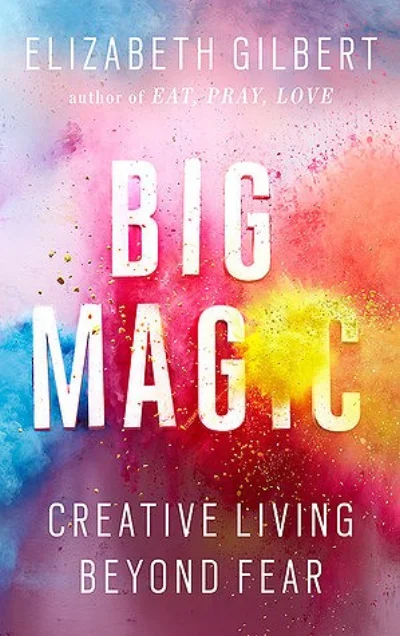
This is a thoughtful inquiry into what it means to show up for yourself as a creative. It touches on fear, honoring your inner need to create. And at the same time shatters the misconception that we have to quit everything and put our entire financial burden on our craft.
Recommended for everyone, regardless of where you’re at in your career. This was hands down one of the most influential books I’ve ever read.
2. Mastery - George Leonard
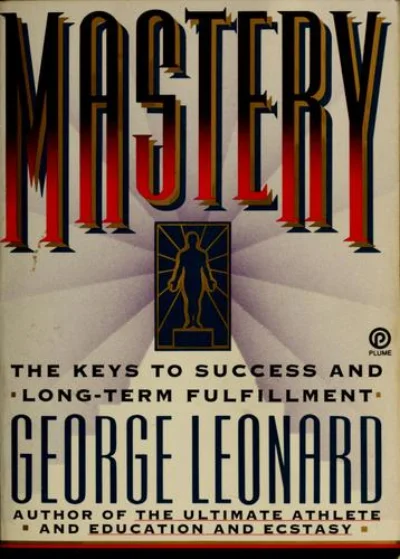
We live in a results-oriented culture. Our world is inundated with likes, shares, favorites, and streams. For anyone hoping for an antidote, you will benefit from employing the mindset of the Master.
As Leonard says, “The Masters of any game are the Masters of Practice.” Results are fleeting. If you can learn to love the process, every day will be a reward. This book should be required reading for anyone pursuing any sort of creative endeavor.
3. The War of Art - Steven Pressfield
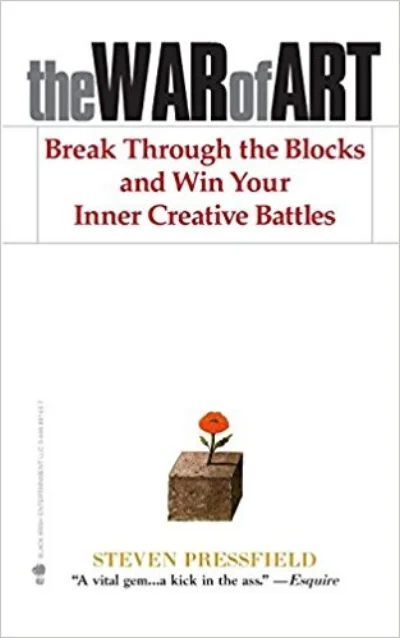
This is the type of book you can open to any page before a writing session. Doing so will seed your mind with valuable insight on the concepts of Resistance (the enemy of creativity), how to be a professional. And how to invoke the Muses (honoring the higher plane where music, creativity, and writing comes from).
I found this one profound in both its simplicity and complexity.
4. Turning Pro - Steven Pressfield
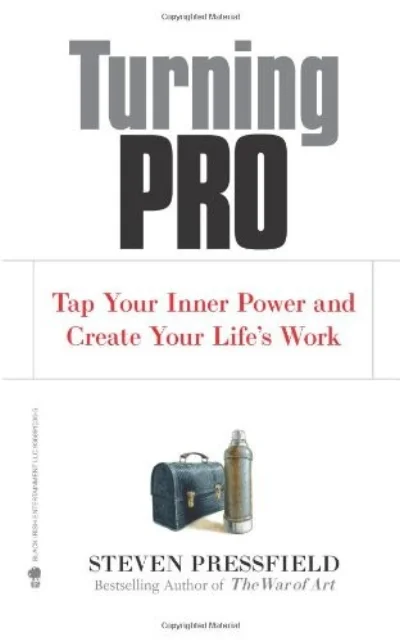
If you liked the War of Art, you’ll enjoy its follow up. Turning Pro elaborates on how to assume the mindset of a professional in your creative discipline.
I’ve talked about ‘imposter syndrome’ before on the EDMProdcast, and for anyone who continues to struggle with that, this is a must-read.
5. How to Live on 24 Hours a Day - Arnold Bennett
I hardly consider this a book. It’s more of a pamphlet, written in the 1800’s.
You can read it in about 45 minutes. But the philosophies of creating “a day within a day” will resonate for those among us who have to split our time between music production and a day job.
6. Meditations - Marcus Aurelius
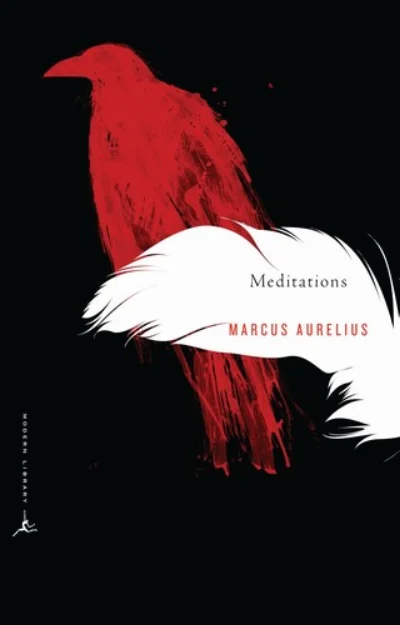
Marcus Aurelius was a Roman Emperor, and is remembered as one of the founding fathers of stoic philosophy. Meditations is his personal journal of notes to himself on how to live a virtuous life.
His perspective is grounding. And a constant reminder of the shortness of life (in an energizing way, if you can believe that). Meditations falls into the camp of books you benefit from by reading in short increments on a regular basis. Reading through a few entries over a morning cup of coffee gives me a mental edge for the day.
7. The Alchemist - Paulo Coelho
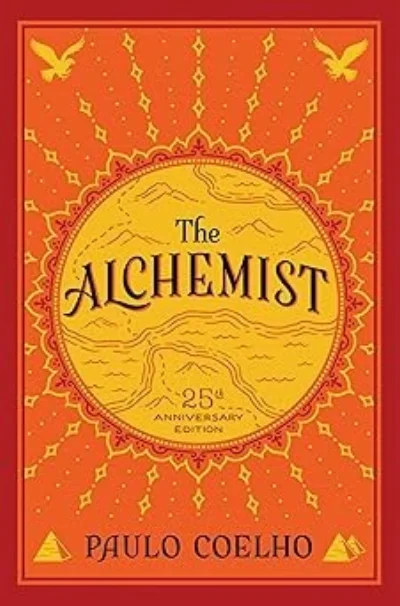
A friend once told me “when this book comes into your life, serendipitous things start happening.” I agree, because that’s what this book is about: coincidence, chance, and “omens” (or signs). When you start looking for these things, you’ll notice them more and more.
Arguably my biggest takeaway? If you decide to find meaning in this world, you will see it.
8. Deep Work - Cal Newport
We live in a time when it’s increasingly rare (and increasingly more valuable) to be able to do the type of work that requires long, uninterrupted periods of focus (cough, just like music production, cough). This book is a guide for how to approach Deep Work in your own life and it couldn’t be more worthwhile of a read.
9. Steal Like an Artist - Austin Kleon
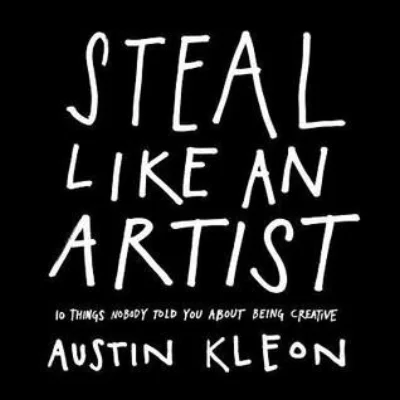
There is no reason why anyone should believe the self-imposed limitation that we have to create everything from scratch. From preset prejudice to nonsensical arrangement, music producers are doing themselves a disservice by trying to “go it alone.”
I resonate strongly with this book. In fact, there’s a whole blog post dedicated to it here: 10 Ways to Steal Like an Artist as a Music Producer.
10. The Miracle Morning - Hal Elrod
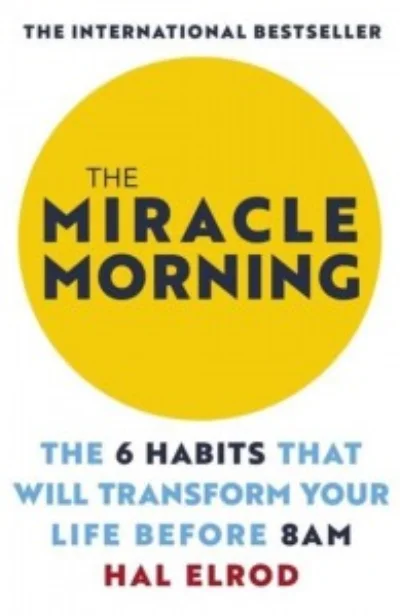
If there’s one thing I can credit to improving my life overall, it’s been embracing the routine of early mornings. There is so much power and productivity in a morning done right. It requires work and planning. And this book shows you how to hit on six key areas of self improvement every day, before you check your email or get into Deep Work.
Remember the acronym SAVERS: Silence, Affirmations, Visualization, Exercise, Reading, and Scribing (aka Writing). The whole thing takes about an hour and changes how the rest of the day plays out.
11. This Is Your Brain on Music - Daniel Levitin
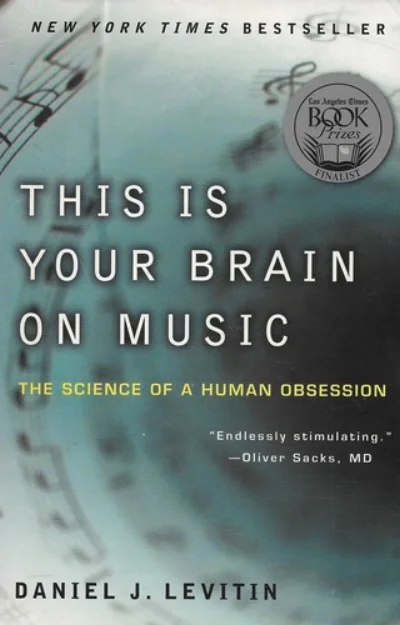
It’s easy to forget that music has its roots in scientific and mathematical truths. Just like our brains, the foundation of music is frequencies.
Levitin breaks down what’s actually happening in your brain when a melody hits you. Worth reading if you’ve ever wondered why a chord change can make you cry.
12. Stick With It - Sean Young
This book teaches you how to create long-lasting positive change in yourself and others, all grounded in the science of the brain.
Read it with a pen in hand. Stop after each chapter and write out a few specific ways you can apply the framework to your own life. Otherwise it slides right off.
13. Creative Quest - Questlove
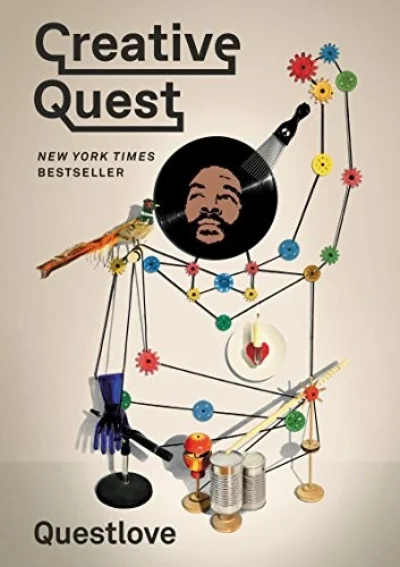
The further I go in my career, the more I realize that creativity is not an isolated variable. It is a culmination of many factors: our health, our environment, the people around us, and some higher forces we can’t explain.
Questlove’s philosophy on creativity is fascinating, and he reaches into corners of the mind that I never knew existed. I highly recommend this read, it’s one of the few creative living books written by a musician at the top of their game.
If you’re looking to put some of these mindset ideas into practice right now, here’s a video on how to actually finish more music faster.
With the right mindset in place, it’s time to sharpen the technical side.
Technical Skills
14. The Mixing Engineer’s Handbook - Bobby Owinski
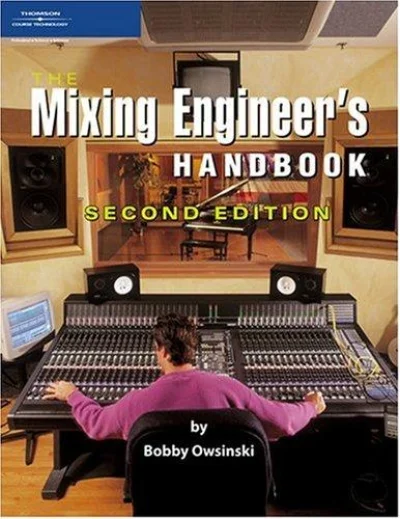
Mixing is like cooking, once you understand the science behind it, there is room for creativity and experimentation. But to get to that point, you have to school yourself in the technical aspects.
The Mixing Engineer’s handbook is way more than a cookbook, it’s a guide to understanding the science behind frequency clashing, gain staging, stereo imaging. And processing. This is a highly recommended read.
15. Mixing Secrets for the Home Studio - Mike Senior
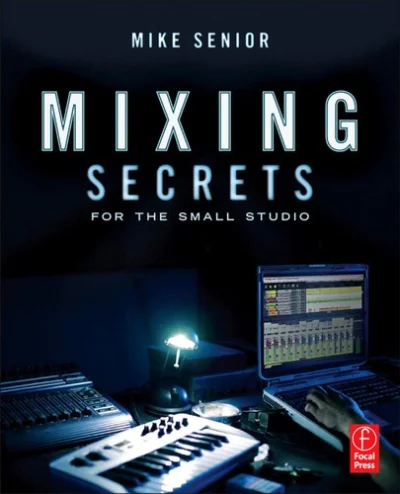
If you’ve spent time reading through Sound on Sound’s in-depth articles, you’ve probably read Mike Senior. In this book, he covers everything from choosing the right monitors to automation principles.
There is a full chapter on nearly every effect type, covering how to use them in traditional and new ways.
16. Behind the Glass: Top Record Producers Tell How They Craft the Hits - Howard Massey
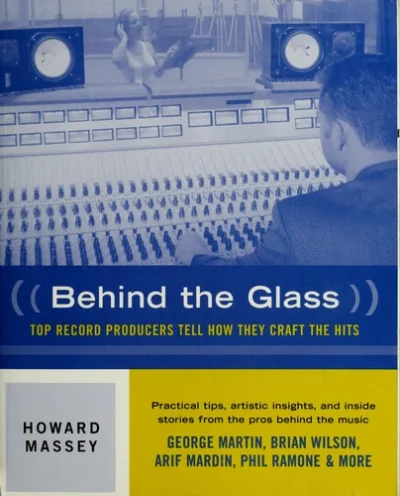
Massey interviewed the engineers and producers behind some of the biggest pop and rock records of the last 50 years. And the takeaways are not what you’d expect. First, there is no right way to do it. For every engineer who starts a mix with all faders up, another begins with all tracks muted.
Yet every producer agrees on one thing: the sheer importance of a great composition. Working with a good song is the #1 priority. Behind the Glass is a good casual read, and can be a source of tons of new ideas and perspectives.
Pro Tip: When you finish a technical book, pick one technique and apply it in your next session. The next session, not next month.
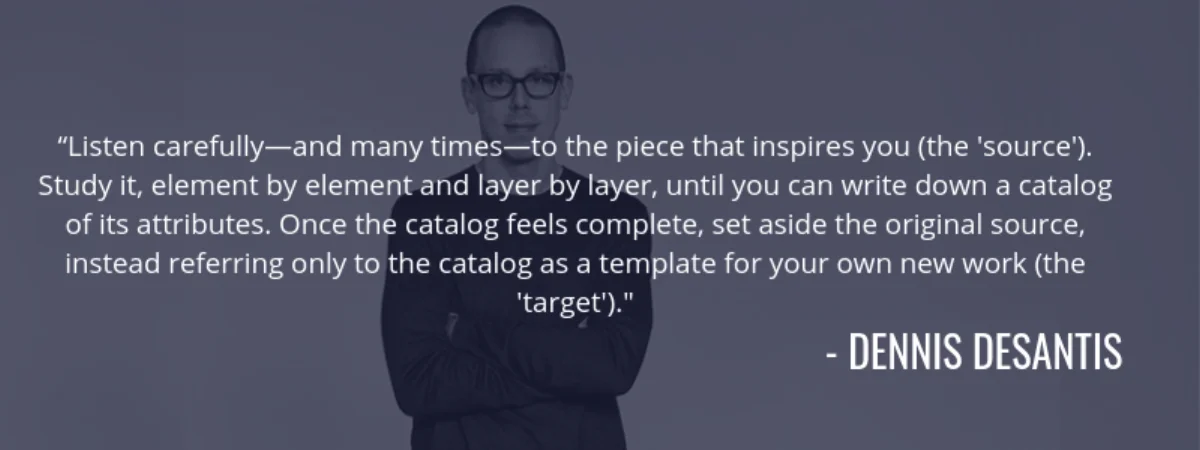
17. Making Music: 74 Creative Strategies for Electronic Music Producers - Dennis DeSantis
It may seem like this book is geared towards Ableton. But producers working in any DAW can benefit from the underlying principles. It’s divided into three sections: Problems of Starting, Problems of Progressing, and Problems of Finishing.
I would recommend this book to any electronic musician looking for a smattering of new ways to approach the ultimate goal of any producer: finishing more music. Sample chapters are available on Ableton’s website.
18. The Dance Music Manual - Rick Snowman
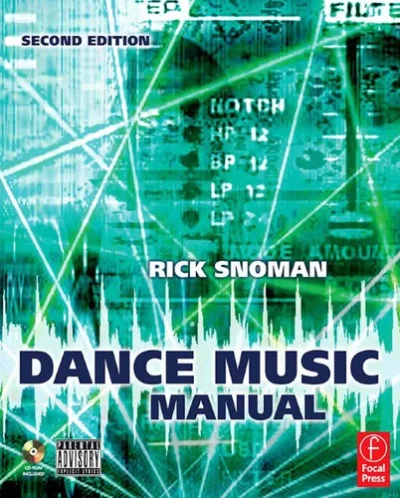
No way around it, this is a long read. At 534 pages, it is absolutely packed with technical information. Like any technical read, simply flipping through and setting it down will do little good.
This is the type of book that requires you to open your DAW and try the processing, mixing. And arrangement techniques if you hope to retain the information. Chances are not every page of the book will be relevant to your genre and production goals. So treat it like a buffet to grab the information that interests you most.
19. Never Get Stuck Again (PDF) - Tom Frampton
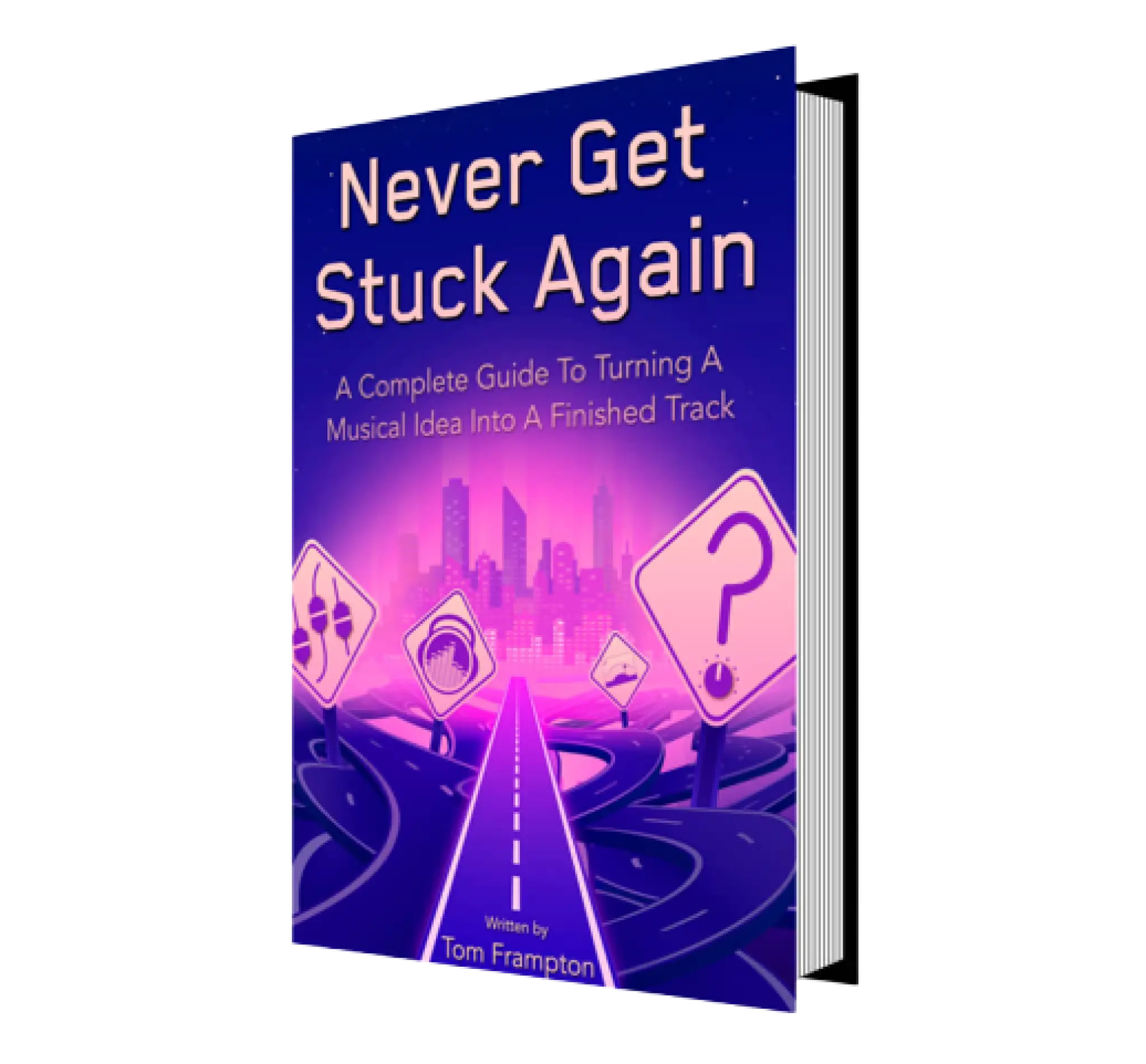
Mastering the Mix is Tom Frampton’s company that makes a number of extremely useful metering tools (Like Levels and Expose).
Never Get Stuck Again is available as a PDF, and runs the course of the production journey from arrangement and composition through mixing and mastering. It’s a great way to gut check whether you’re paying attention to all aspects of production. And to get a 10,000 foot view of the entire process.
Speaking of production hacks, here are 7 of my all-time favorites that you can start using today.
Now let’s shift gears from the studio to the business side of things.
Music Industry, Marketing & Business
20. How to Make it in the New Music Business - Ari Herstand
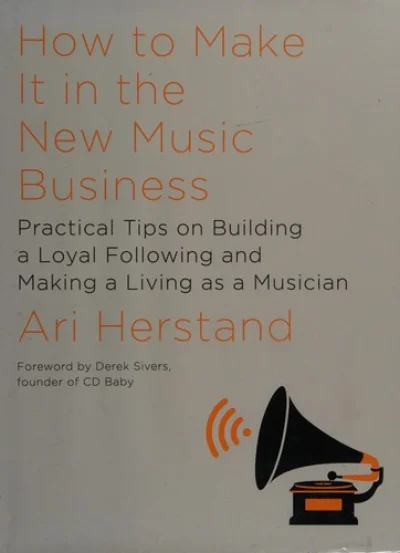
The first thing this book hits home is the concept of what “making it” is all about. For Ari, “making it” is surviving. The label deal, the giant check, the headlining slot are all milestones along the way. The actual goal is longevity.
This book clearly breaks out the roles of different people in the industry (from agents, engineers, managers. And more), and gives you a checklist for everything you need to do before releasing a record.
21. How to Win Friends and Influence People - Dale Carnegie
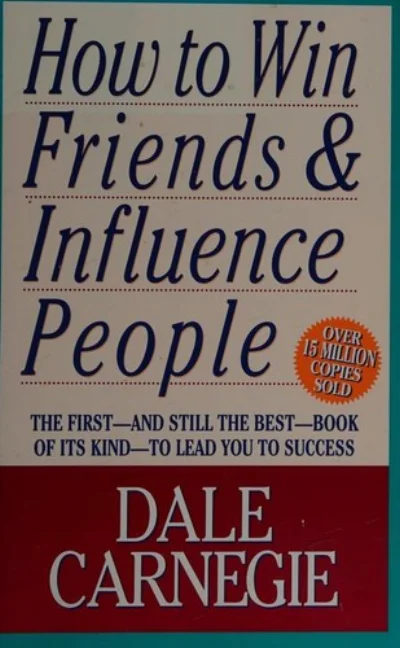
This book should be given away at birth. And renamed “How to Be a Good Person.” Some people are turned off by the title, but the main message is to be authentic, show a genuine interest in others, and try to see things through a point of view other than your own.
Being a kind and genuine person will moonshot your chances of success in any industry. It’s one I keep going back to.
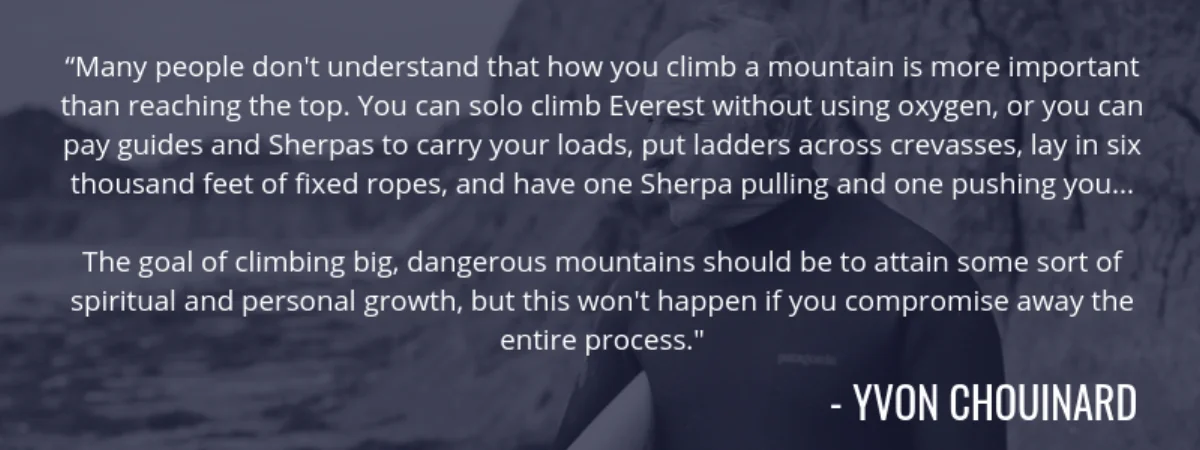
22. Let My People Go Surfing - Yvon Chouinard
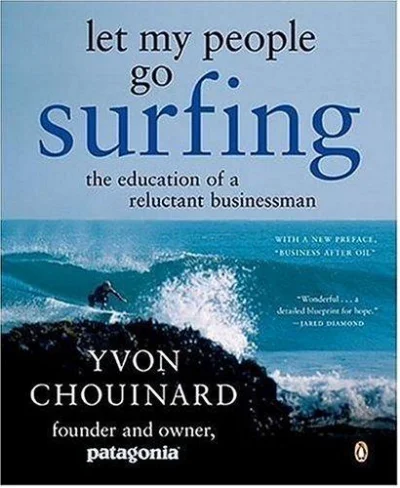
Chouinard was a surfer and mountain climber who founded his own company (and later started Patagonia) as a way to provide himself and friends with the best quality gear in the industry.
The relentless focus on quality, thinking long-term. And challenging commonly held assumptions are what allowed Patagonia to flourish into a brand that people respect and stand behind. This is as much of a mindset book as it is a book on business.
23. Rich Dad Poor Dad - Robert Kiyosaki
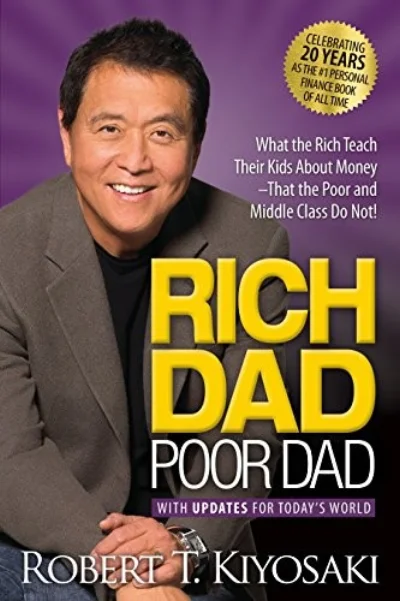
This book does not contain an ounce of information on how to make you a better instrumentalist or producer. However, it offers insight into generating income in any industry by clearly defining the difference between an asset (something that puts money in your pocket) and a liability (something you pay for).
The underlying principles in this book, such as remembering to pay yourself first, will give you a mental edge and offer a framework for thinking about your career as a long-term play.
24. Zero to One - Peter Thiel
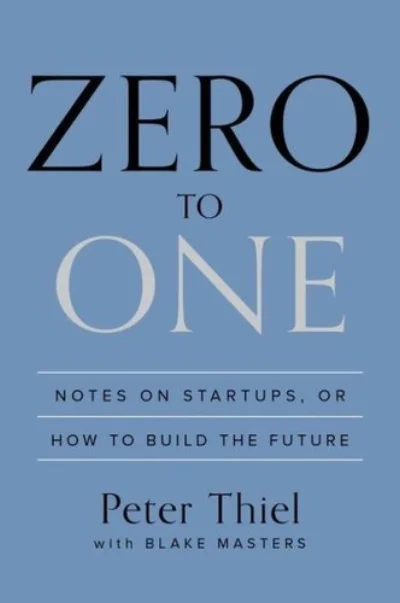
Here’s another book grounded in the world of business. But the concepts that make a successful startup are absolutely applicable to getting a music career off the ground.
First, look for, and believe in, secrets about people and the world around us. Assembling a team of skilled and focused people will accelerate your chances of success. Further still, the importance of distribution cannot be underestimated.
This is an eye-opening read about how to change the world and make a difference by doing something new.
25. Show Your Work - Austin Kleon
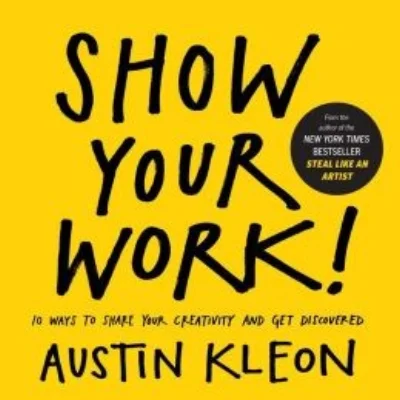
As a follow-up to Steal Like an Artist, this book is a brilliant solution for anyone daunted by the idea of “self-promotion.” The main premise: use social media to show your process. The cat and lunch photos can stay on the camera roll.
In a world where everyone is performing, transparency builds trust faster than polish.
(Song)writing
26. Tunesmith: Inside the Art of Songwriting - Jimmy Webb
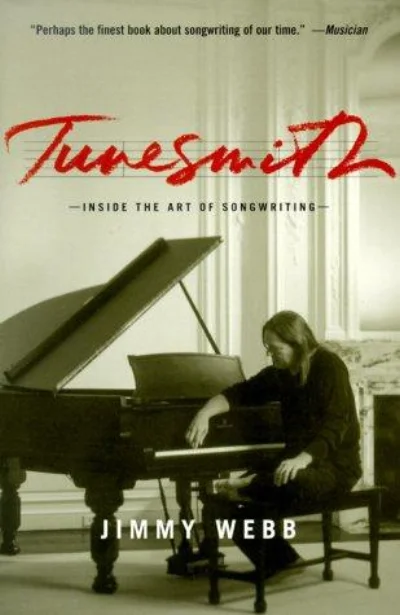
Tunesmith hearkens to an earlier age of songwriting, before working in a DAW caused the production and songwriting processes to coalesce. For anyone wanting to get better at crafting a song with a pen and paper instead of just a DAW, Tunesmith is a reference bin of great information and best practices.
Jimmy is also a witty and engaging writer, and makes this book of technical information easily digestible.
27. Writing Better Lyrics - Pat Pattison
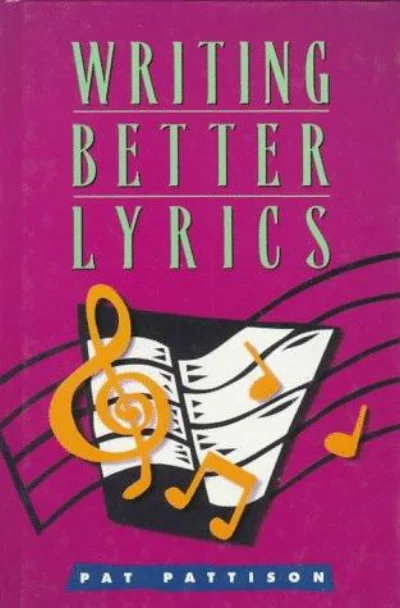
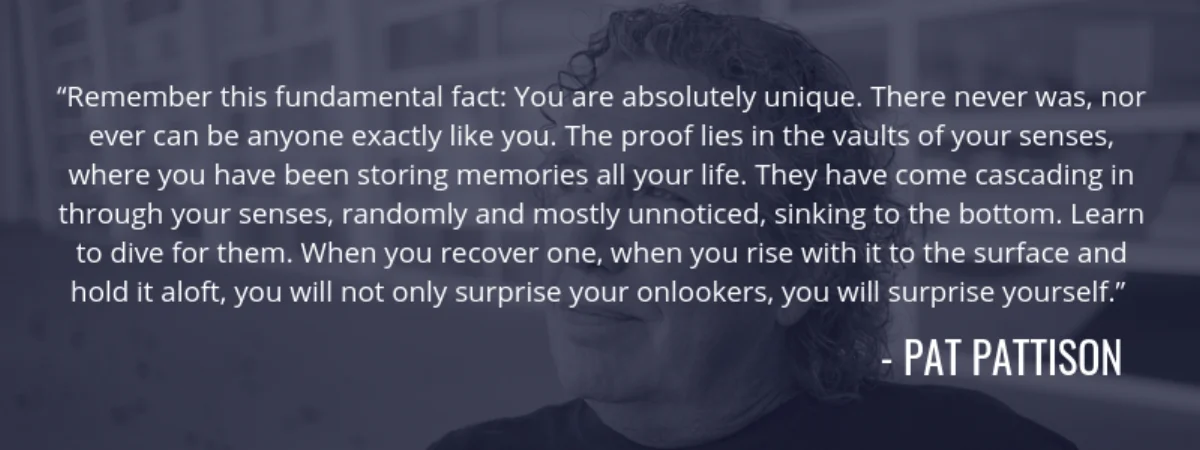
If you’ve researched songwriting books, Pat Pattison’s name will sound familiar. As a long-time instructor at Berklee School of Music, Pat’s strategies of showing vs telling, re-coloring the chorus. And invoking sense-bound imagery and metaphors are simply best in class.
There is no better book on lyric writing available.
28. Songwriting Without Boundaries - Pat Pattison
This is a book of writing exercises, best enjoyed with an equally motivated friend or co-writer. It serves as a great complement to Writing Better Lyrics.
29. Song Maps - Simon Hawkins
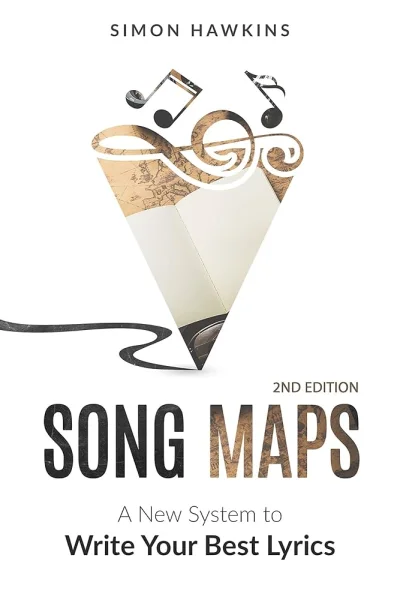
First a disclaimer: this book is of a lower tier than pretty much everything else on this list. The lyrical examples are ripe with cliches, and it looks as if it was typed out on microsoft word.
All that aside, the concept of using song maps to create a rough arrangement of the lyrical flow of an idea is a useful concept. And for that reason I would recommend it for those looking to build a solid framework for developing lyrical ideas more quickly.
30. A Poetry Handbook - Mary Oliver
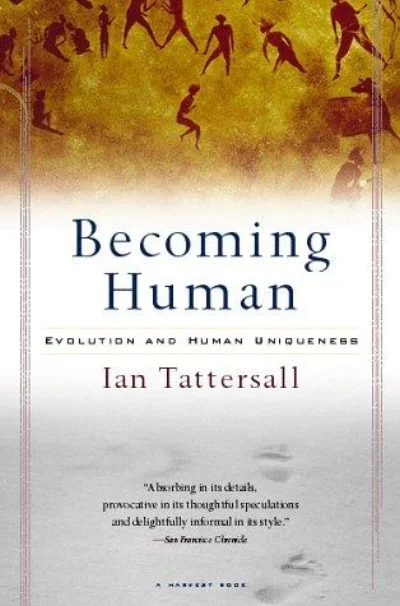
I’m always amazed (yet rarely surprised) when I see the convergence of mindset between people at the top of their industry. That’s what Mastery is about. As a Pulitzer Prize winner, Mary is a master of her discipline. I cracked a grin when I read her point about word choice being the most important consideration in poetry. That is a 1:1 parallel to the often overlooked, yet hugely important decision of sound choice in music production.
Apart from being a great parallel to the production process, it is a great technical resource for songwriters.
31. Rhyming Dictionary and Thesaurus
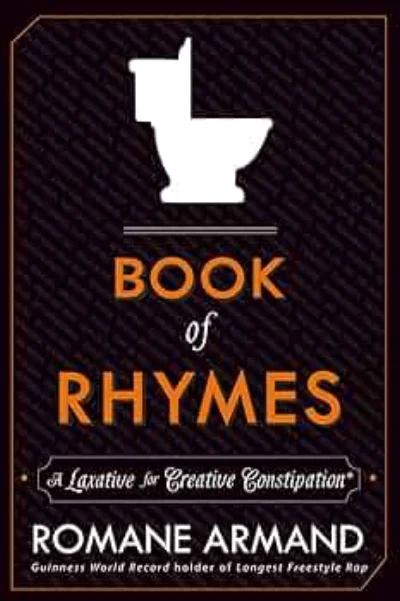
These are tools of the trade for any wordsmith. Churchill even kept a rhyming dictionary on his desk to aid in the crafting of his speeches. If you don’t mind an annoying cover and title, I recommend the Book of Rhymes: A Laxative for Creative Constipation (I know, I know…). It has the best B-Rhymes and Slant rhymes in the game, which are the most useful types for songwriting.
For a thesaurus, it’s best to find one that groups related ideas together, instead of simply alphabetically. The Oxford American Writer’s Thesaurus will serve you well.
Biographies
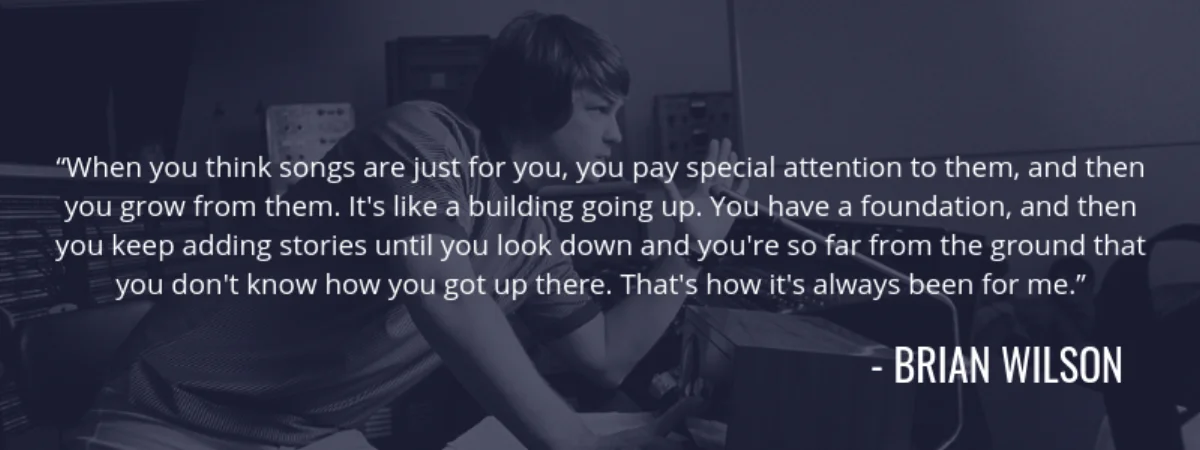
32. I am Brian Wilson - Brian Wilson
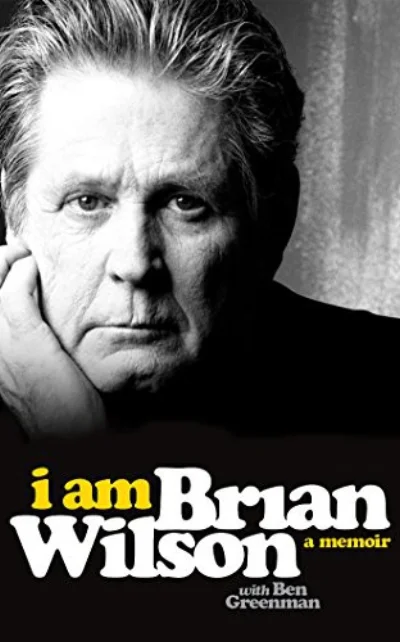
It’s crazy to think that over the last 100 years, the way we experience music as a society has fundamentally changed. If you wanted to hear a song in 1900, your only bet was to find someone playing it live. The idea of recorded music is a brand new concept in human history. And that history was being written, annotated, and re-written at a rapid pace during the 1960’s.
If you count the Beach Boys among your musical influences (and even if you don’t, your influences probably do), this book will offer a candid and eye-opening account into the mind of one of the most brilliant musicians, producers. And recording engineers in modern history.
33. A Day in the Life: The Music and Artistry of the Beatles - Mark Hertsgaard
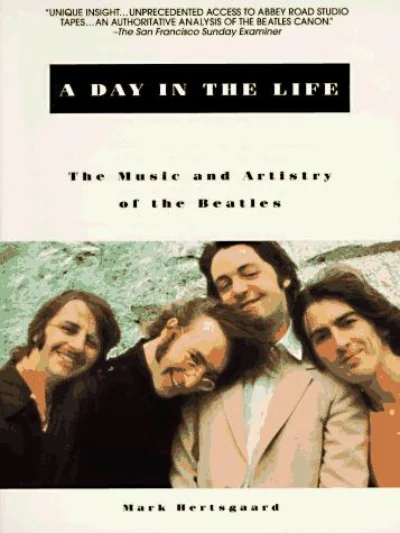
Unlike I am Brian Wilson, this book is chronological. It takes you through the rise of The Beatles, from Hamburg to their farewell Rooftop concert. There’s also a chapter devoted to each studio record.
The author traces how songs like A Day in the Life evolved from an acoustic draft to a full Beatles production. That kind of behind-the-scenes detail is rare in music writing.
34. Here There & Everywhere - Geoff Emerick
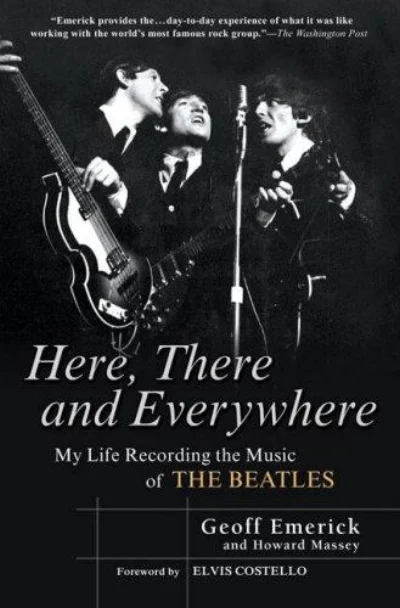
Another Beatles read, this time by their primary audio engineer at Abbey Road studios. This is part Beatles history, part recording process & technique. And part reflection on what led to the meteoric rise and resulting implosion of the band.
It’s long, so it’s the right book for someone already deep enough into Beatles history to want the engineering-side detail.
35. Rick Rubin: In the Studio - Jake Brown
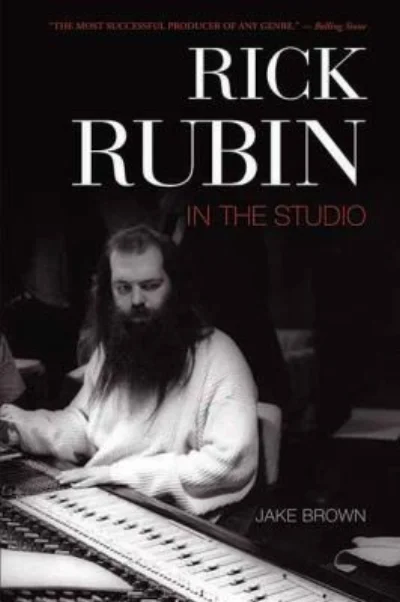
If you’re familiar with Rick’s range (Beastie Boys, Run DMC, Red Hot Chili Peppers, Linkin Park, The Avett Brothers), this gets you behind the curtain on how he approaches every project. The fact that the same producer touched all those records is itself worth the price of the book.
36. Steve Jobs - Walter Isaacson
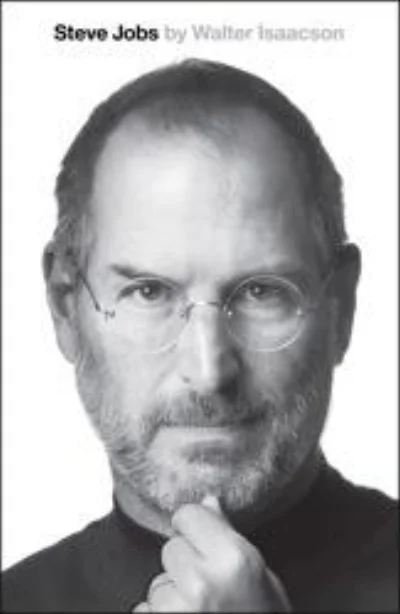
Jobs is an enigmatic and inspiring character. He refused to compromise on quality and design, and changed the trajectory of our experience as technology users because of it. Apple’s turnaround story is really a lesson in the power of an individual.
It’s a business and biography read more than a music one, and I include it here because few books have changed how I think about ambition and quality the way this one did.
37. Surely You’re Joking, Mr. Feynman - Richard Feynman
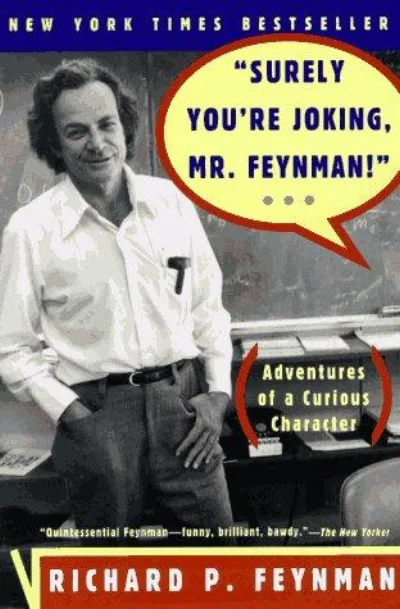
This one is way out of left field (Feynman is a physicist who worked on the Manhattan project), but this read is mesmerizing and hilarious. The entire book is told as if he is sitting across the room from you, leaning in and sharing life’s little secrets and adventures.
It’s a lighthearted and illuminating look into the mind of a brilliant man whose take on life is truly refreshing. Recommended when you want to give your mind a break from the more technical reads.
Fiction
38. Little Fires Everywhere - Celeste Ng
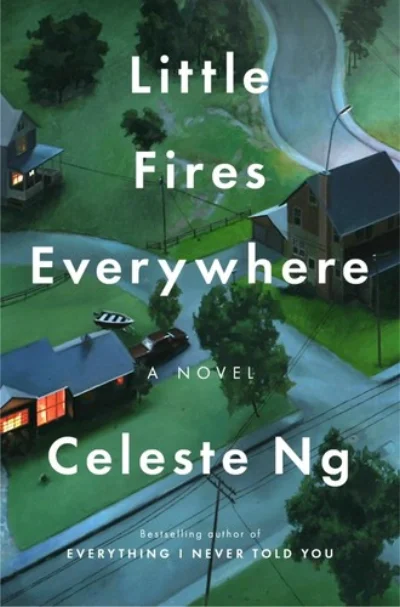
This was my favorite experience reading, probably ever. I opened it at 11 AM on a Sunday and didn’t put it down until 8 PM when I finished.
It taught me more about how to powerfully start a story than anything I’ve read to date. And I saw a little bit of myself in each and every character. Fiction has a place in every library. And this book took me on a ride I remember as one of the highlights of the year. I’ll leave the rest up to you to discover.
39. The Goldfinch - Donna Tartt
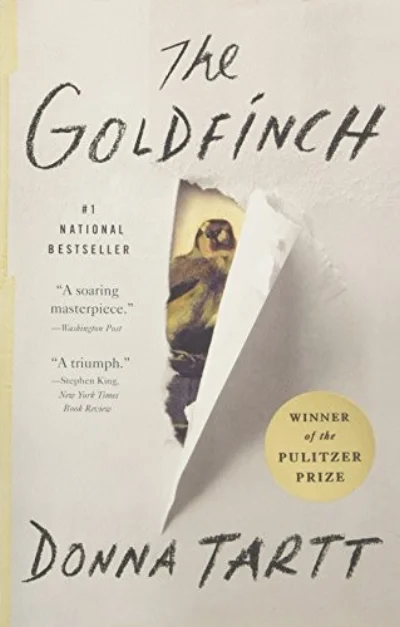
Reading this made me feel like a kid again. It was the first novel in years where I rationalized time away to stay up late, telling myself “Just another chapter, it’s only half past midnight.”
My favorite novels are the ones where I lose track of time while inhabiting someone else’s shoes. Might as well have been staying up with a flashlight under a fort of blankets. This is the kind of book you don’t want to end.
40. The Harry Potter series - J.K. Rowling
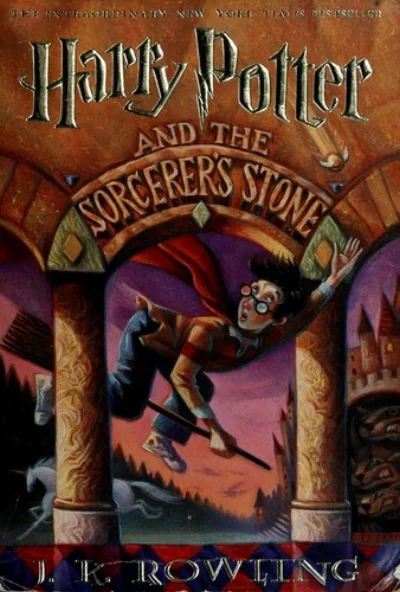
I assume most people have read (or at least heard of) Harry Potter. J.K. Rowling’s work defined a generation: we grew up with Harry.
From the power of a single human’s mind, millions of people were given the chance to believe in magic. That’s actual magic right there.
How to Get the Most out of What You Read
Reading is guaranteed to make you a smarter and more capable person. At the very least, you are practicing focus, which is needed in all stages of music production.
But reading without action is like watching a tutorial without applying the concepts to your own work. To reap the benefits of your time spent reading, you must take action.
My favorite action is to write a one-page summary. Use a paragraph or two to summarize the main points. And then free write about how that message can be put into practice in your own life.
Anything goes. The only mistake is to hesitate, keep that pen moving.
Once you’ve translated the author’s thoughts into your own, and then turned your thoughts into ink on a page, you are in much better shape to use those lessons in your day-to-day life.
We only remember 10% of what we read. So this simple practice is meant to help you retain the information you connected with.
As a final step, call a friend and tell them what you learned and how you plan to apply it. Verbalizing your summary will help it sink in even more.
Pro Tip: Don’t try to read all 40 books. Pick one that speaks to your current pain point (feeling creatively stuck? Read Big Magic or Steal Like an Artist. Want to improve your mixing? Start with Mixing Secrets for the Home Studio), finish it, apply it, then pick the next one.
Pick one book from any category above and commit to finishing it before your next session. Even better, commit to actually applying one idea from it before you pick up the next one.
Heads up: some of the links below are affiliate links. If you buy through one, we earn a small cut (costs you nothing extra). But we'd point you at this exact gear whether we made a dime or not. As an Amazon Associate, we earn from qualifying purchases.