Is it worth it? Is it unethical? While ghost production has never been my main squeeze, I’ve made tens of thousands of dollars doing this on the side, with minimal effort.
At its core, ghost production is the result of increased demand for music. The pros can’t keep up, so a new phenomenon emerged to fill the gap: the ghost producer. These elusive figures work their magic behind the scenes. They create chart-topping hits and shape the sound of popular artists, all while staying anonymous.
But how does ghost production work, and how can you become one?
What is Ghost Music Production?
Ghost music production refers to hiring anonymous or uncredited music producers to create tracks on behalf of an artist or record label. These ghost producers work behind the scenes. They craft the melodies, the beats, and the overall production, and they get no public credit for it. Their role is a big deal. They help shape the sound and the success of a lot of popular songs and albums.
Artists often hire ghost producers so they can focus on their strengths as performers or lyricists. They leave the technical and creative side to other experts. Ghost producers bring specific knowledge and experience to the table. That lets the artist hit a higher level of sonic quality.
Some artists may lack the time, resources, or technical expertise required to produce professional-grade tracks at the scale they need, making the assistance of a ghost producer invaluable.
There are drawbacks too. Ghost producers stay anonymous, so they miss out on public recognition. For some talented people, that’s a real bummer. The practice also raises questions about authenticity and artistic integrity. Fans can feel deceived when they find out their favorite artist leans heavily on ghost producers. And there’s a risk of exploitation and underpayment. A ghost producer’s work can get undervalued or overlooked when it comes to credit and compensation.
Is Being a Ghost Producer Worth It?

The work of ghost producers is often shrouded in mystery and hidden from the public eye. Aspiring music producers may wonder if pursuing a career as a ghost producer is worth it. Like any career path, there are pros and cons to consider.
The Pros to Consider
One of the biggest advantages is the opportunity to work with high-profile artists and industry professionals. You get to collaborate with established musicians, contribute to chart-topping tracks, and build real industry connections. That kind of exposure opens doors and leads to more opportunities down the road.
Another advantage is creative freedom. Working behind the scenes, you can experiment with different genres, styles, and techniques. There’s no personal branding pressure. You get to focus only on your craft. You can explore new sounds and push boundaries without your own artist image boxing you in.
Financially, ghost production can be lucrative. You usually get paid through a flat fee or a royalty agreement. Royalties can be a stable income stream, especially when you work with successful artists who pull in serious revenue. Plus, you skip the expenses and risks of self-promotion and marketing that come with being a solo artist.
The Cons to Consider
There are downsides too. The big one is the lack of public recognition. Millions of people might hear and love your work, but you won’t get the credit or the acclaim. For some producers, that’s rough. It stings especially if you want your own artist career or just crave recognition for what you make.
Ghost production can also cost you some creative control. Your job is to bring the artist’s vision to life, and that sometimes means setting your own preferences aside. It’s a double-edged sword. On one hand, it builds versatile skills and adaptability. On the other, it can limit how fully you express your own artistic voice.
Ghost Production Is Up To You
Ultimately, whether being a ghost producer is worth it depends on your personal goals, aspirations, and artistic preferences. It can give you financial stability, networking, and creative freedom. But it costs you anonymity, and maybe some control over what you create.
It’s essential to weigh these factors and consider how they align with your long-term career objectives in the music industry.
Being a ghost producer can be a stepping stone to a successful career in music production. It helps you develop your skills, gain industry experience, and build valuable connections. Just stay mindful of your own artistic aspirations. Find a balance that lines up with your personal goals and creative vision.
Controversies

Ghost production has had its share of controversies and scandals. One notable case involved DJ and producer Maarten Vorwerk. Maarten got recognition for his ghost production work with well-known artists like Dimitri Vegas and Like Mike. Some critics knocked his artists for not crediting him properly. Others argued ghost production is just an accepted practice in the industry.
This controversy sparked debates about the ethics and transparency surrounding ghost production and prompted discussions on how to appropriately acknowledge the creative input of ghost producers.
Ghost Production is Becoming More Accepted
Public perception of ghost music production has changed over time. At first, fans didn’t really know what it was, which led to misconceptions and skepticism. But as artists started talking about it openly, that perception shifted. A lot of listeners now see ghost production as a collaborative, legitimate process that brings an artist’s vision to life.
The industry has adapted too. Some labels and artists now run more transparent practices, crediting ghost producers or openly collaborating with them. There’s also growing acceptance and appreciation for what ghost producers add to the creative process. Challenges and controversies still remain, though. The big ones are keeping things transparent and making sure ghost producers get fair recognition.
Ethics and Transparency in Ghost Production

While ghost production offers opportunities for collaboration and artistic growth, it also raises ethical questions about the credibility and authenticity of artists. It is crucial to consider these issues and advocate for a more transparent approach within the industry.
One of the main ethical concerns is the artist’s credibility. When an artist uses ghost producers without disclosing it, it can come off as deception or misrepresentation. Fans tend to tie an artist’s work to their personal creative input. So if word gets out that an artist leans heavily on ghost production, it can raise doubts about their authenticity and undermine their integrity.
Transparency is the key to addressing these concerns. Open conversations about ghost production and its role in the industry help fans understand it and set the right expectations. Artists should think about being transparent with their audience about working with ghost producers. When you openly acknowledge and credit them, you keep trust and authenticity intact, and you give these professionals the respect their work deserves.
Transparency benefits the ghost producers themselves. Letting them get recognized for their work opens doors to new opportunities. It puts their behind-the-scenes talent on display and acknowledges the big role they play in shaping the music we love. Promoting ethics and transparency in ghost production is a collective effort from artists, labels, and industry professionals.
Initiatives such as clear contractual agreements, proper crediting, and open discussions can create a more transparent environment. This approach safeguards an artist’s credibility and fosters a healthier ecosystem for all involved in the music-making process.
Ghost Production vs. Non-Billed Collaboration
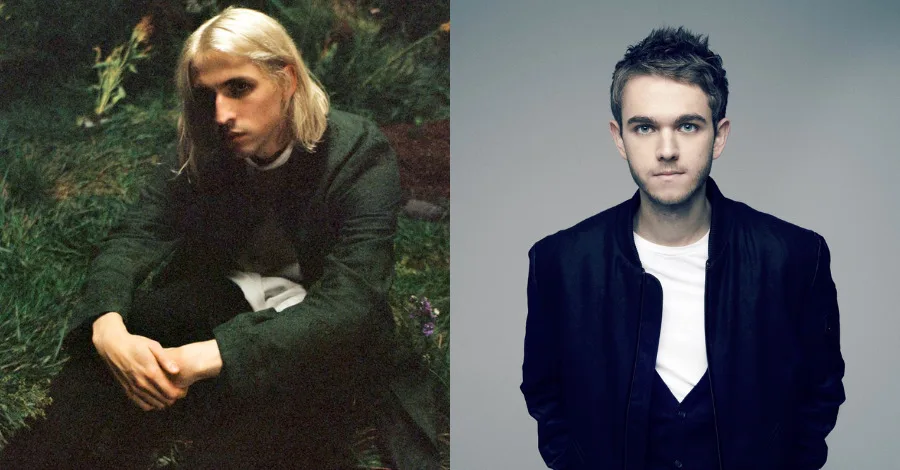
As we said before, ghost production means hiring a skilled producer to make music for an artist who then takes credit for the final product. Non-billed collaboration is different. Here, artists work together and nobody gets hidden. Everyone receives due credit for their contributions. These collaborations often turn into dynamic partnerships, where multiple artistic voices blend into one cohesive sound.
For example, Porter Robinson worked with Zedd on the song Clarity. As Porter has said publicly, Clarity started out as a collaboration between the two artists. At the end of the project, Porter and Zedd loved the hit they had created.
However, Porter expressed that the track’s sound didn’t fit his overall creative vision for “Porter Robinson” as an art project. So he decided not to be named as a main contributor to the song. Thus, the song was released as “Zedd - Clarity ft. Foxes.”
When the song won a Grammy, Porter Robinson also won one with Zedd. If Zedd had hired Porter as a ghost producer, the arrangement would have been different. We likely would have never known that Porter Robinson was one of the talents behind that great song.
The Artists Decide
Ultimately, the choice between ghost production and non-billed collaboration depends on the preferences and goals of the artists involved. Factors such as creative control, credit allocation, and the desired level of involvement in the production process should be considered.
Some artists may prefer the efficiency and expertise that ghost production offers, while others may value the openness and shared recognition of non-billed collaborations. In the end, what matters most is that artists find a working arrangement that aligns with their artistic vision and allows them to create music that resonates with their audience.
Famous Ghost Producers

Believe it or not, there are quite a few big names that support ghost production. They have either been ghost producers themselves or recruited ghost producers for their own productions. Here are some artists who have been involved in ghost production and what they have said publicly about it:
Dimitri Vegas & Like Mike:
“There seems to be a lot of confusion around the topic. Sometimes artists get help in mixing, songwriting or additional production. it’s not exclusive to electronic music or any other genre for that matter. Ultimately, if that extra pair of hands makes the final sound of the record better, then it’s in everybody’s best interest to go down that avenue. But what’s important is clarity around how that collaboration works, and everybody involved properly credited and paid for their efforts.”
David Guetta:
“There’s a big difference between having ‘ghost producers’ or working as a team. It’s totally cool to work as a team, and everyone should be credited. And paid. A bit like being in a band.”
W&W:
“Mixed feelings. Of course, it kind of takes away some integrity of an artist, but being a good producer is by far not the only aspect of being a great artist or a great DJ.”
Dash Berlin:
“I work together with other producers all the time, and I am very open about it. What others do is their decision.”
R3hab:
“Everybody should be credited, but I also feel that this is a totally overhyped and exaggerated phenomenon. I love collaborating with talented people and getting inspired, so if you want to work together and you credit the person, great!”
KSHMR:
“I think it’s acceptable to get help. Ultimately, it is up to the artists to decide when they are no longer being honest with their listeners.”
Nervo:
“We started off as ghostwriters and used this as a platform to launch our own careers when the time was right for us to become artists. We are all for collaborating but there has to come a point in time when the ghost producer gets their glory (if they want this).”
Flux Pavilion:
“A DJ is different to a producer, so the fact that a person who is good at one thing asks another person who is good at another thing to do something doesn’t surprise me.”
The Role of Ghost Producers

Okay, so you’ve decided to ghost produce for someone. Now let’s take a look at what some of your roles and responsibilities could be…
1. Music Production Expertise
Ghost producers are responsible for creating high-quality tracks. That means composing melodies, designing soundscapes, programming beats, arranging song structures, and making sure the whole thing holds together sonically. They bring their technical skills, creativity, and industry knowledge to deliver polished, professional productions.
2. Customized Work
Ghost producers cater to the specific needs and style of the artist or label they work with. They adapt their approach to match the client’s vision and brand identity. The goal is a customized sound that fits right into the artist’s repertoire or the label’s catalog.
3. Confidentiality and Anonymity
Confidentiality and anonymity are crucial for ghost producers. You’re trusted with sensitive, proprietary stuff: unfinished tracks, unreleased material, and creative concepts. Respecting client privacy and protecting their identity lets the artist take full credit and keep a consistent public image.
4. Collaboration and Communication
Ghost production is collaborative, so it takes close communication with the artist or label. You have to actively listen to feedback, fold in suggestions, and adapt your work to meet the client’s expectations. Strong communication skills and a willingness to collaborate are what get you the right outcome and a positive working relationship.
5. Versatility and Adaptability
Ghost producers often work across a bunch of genres and styles to serve different artists and labels. You have to stay versatile and adaptable. You need to make music that connects with different audiences and fits the market demands of each genre.
How to Get Hired as a Ghost Producer

Getting hired as a ghost producer will be difficult at first. But as you gain experience and build your portfolio, you will gain momentum. Eventually, finding work will be easy and nearly automatic.
1. Build a Strong Portfolio
Create a variety of tracks: Aim for a diverse range of tracks that show off your skills in different genres and styles. This proves you’re adaptable and helps you appeal to a wider client base. Experiment with different tempos, moods, and production techniques to show your versatility.
Focus on Quality: Prioritize quality over quantity when selecting tracks for your portfolio. Choose your best and most polished productions that represent your skills at their peak. Each track should show your attention to detail, solid production techniques, and a keen ear for mixing and mastering.
Show Professionalism: Treat your portfolio like a professional rep of your work. Label every track properly: artist name, track title, and your production credit (if applicable). Consider a dedicated website or SoundCloud profile just for your portfolio. It makes your work easier for potential clients to find and evaluate.
Collaborate with Artists: Collaborating with artists is a great way to strengthen your portfolio. Partner with singers, songwriters, or other musicians to build complete, engaging tracks. Collaborations add depth to your portfolio and show you can work well alongside other creative professionals.
Get Feedback: Share your tracks with trusted friends, fellow producers, or industry pros and ask for honest feedback. It helps you refine your skills, spot what needs work, and learn from people with more experience. Folding that feedback into your portfolio shows you’re committed to growing as a ghost producer.
Highlight Your Best Work: When compiling your portfolio, consider the overall flow and coherence of the tracks. Select a few standout pieces that represent the breadth of your abilities and capture the essence of your production style. Start and end your portfolio with strong tracks to create a lasting impression.
Keep Your Portfolio Updated: As you keep producing, refresh your portfolio with your latest and best work. Pull any older tracks that no longer reflect your skill level or style. An updated portfolio shows how you’ve evolved and tells potential clients what you’re capable of right now.
Remember, building a strong portfolio takes time and dedication. It’s an ongoing process of refining your skills, expanding your musical repertoire, and staying current with industry trends.
2. Network
Networking may be the most important aspect of your success as a ghost producer. Success in any profession is more about who you know than what you know.
Leverage social media: Create and maintain profiles on platforms like Facebook, Twitter, Instagram, LinkedIn, and Soundcloud. Follow and engage with DJs, producers, labels, and other industry professionals on these platforms. Share your work, ask for feedback, and participate in discussions related to the genre of music you’re aiming for.
Join online forums and communities: Participate in music forums like Reddit, Gearslutz, KVR Audio, or the Hyperbits Masterclass Discord. Be active, contribute to discussions, and ask for advice or feedback on your work. You can join Facebook groups or Discord servers dedicated to music production and networking.
Attend industry events: Conferences, workshops, and music festivals are great opportunities to meet and network with professionals in the music industry. Attend events like Amsterdam Dance Event, Winter Music Conference, or the International Music Summit to learn from experts and connect with potential collaborators or clients.
Local music scene: Get involved in your local music community by attending shows, open mics, and meetups. Connect with local DJs, producers, and artists to collaborate, share knowledge, and build relationships.
Collaborate with other producers: Collaborate on projects with fellow producers or musicians, either locally or online. This can help you learn from others, create a more diverse portfolio, and expand your professional network.
Offer value: When reaching out to professionals, offer something of value. Share your skills, offer to collaborate, or provide constructive feedback on the project. This demonstrates that you’re genuinely interested in building relationships rather than just asking for favors.
Networking events: Attend networking events specifically designed for music industry professionals, such as meetups, workshops, or online webinars. These events provide an opportunity to connect with like-minded individuals and potential collaborators.
Build relationships: Networking isn’t just about making contacts. it’s about fostering meaningful relationships. Be genuine, listen to others, and follow up on conversations. Offer support, share resources, and help others when possible.
Stay organized: Keep track of the contacts you make through a spreadsheet or a contact management tool. Organize your contacts by their area of expertise, how you met, and any relevant notes. This will help you follow up with them effectively and nurture your relationships over time.
Be patient and persistent: Building a strong network takes time and effort. Stay patient, be persistent, and maintain a positive attitude. As you continue to engage with the community and refine your skills, you’ll make valuable connections that can help you succeed as a ghost producer.
3. Be Professional
As a ghost producer, being professional is critical. That includes being reliable and easy to work with. Your success and reputation in the industry are paramount. One upset client can undo the benefits of ten happy clients! Focus on these key aspects:
Effective Communication: Keep clear, open lines of communication with your clients. Respond quickly to their messages, and ask for clarification when you need it. Send regular updates on the project’s progress. Clear, concise communication builds trust and keeps both sides aligned on expectations and requirements.
Deliver on Time: Meeting deadlines is how you build a reputation as a reliable ghost producer. Respect the agreed timelines and deliver on schedule. If something comes up that might cause a delay, tell your client right away and propose a new timeline. Delivering on time, every time, shows professionalism and builds trust.
Adhering to Specifications: Pay close attention to the specifications provided by your client. Understand their vision, requirements, and desired style for the project. Strive to meet and exceed their expectations by meticulously incorporating their feedback. Ensure that the final product aligns with their creative vision. Adaptability and attention to detail are vital.
Maintain Professionalism: Conduct yourself as a professional in all interactions. Treat your clients and collaborators with respect, courtesy, and integrity. Be open to feedback, embrace constructive criticism, and handle conflicts professionally. Maintaining a professional attitude builds trust and helps foster long-lasting working relationships.
Word of Mouth: In the music industry, word of mouth is powerful for your reputation. Happy clients who had a good experience with you are way more likely to recommend you. Keep delivering high-quality work and great service, and those recommendations pile up. More recommendations means more opportunities.
Going the Extra Mile: Strive to exceed expectations whenever possible. Offer suggestions or creative ideas that could enhance the project. Show genuine interest in your client’s success and invest your time and effort accordingly. You leave a lasting impression on your client by demonstrating your commitment to going above and beyond.
The Legal Aspects of Ghost Production

Too many people skip over this part. Ghost production involves several legal aspects and contracts that the ghost producer and the artist or label should consider. Failing to cover yourself legally can be catastrophic to your life and career.
Non-Disclosure Agreements (NDAs)
NDAs are common in ghost production to protect the confidentiality of the work. An NDA keeps the ghost producer’s identity, the nature of the collaboration, and any sensitive info or trade secrets under wraps.
Work-for-Hire Agreements
A work-for-hire agreement defines who owns the produced work and holds the copyright. It establishes the artist or label as the rightful owner of the track, including the composition, the sound recording, and any associated rights. In exchange, the ghost producer gives up all rights to the work for a one-time payment or other agreed compensation.
Royalty Splits and Payments
A contract should spell out the financial arrangement between the ghost producer and the artist or label. That means laying out the payment terms, whether it’s a one-time fee or a cut of future royalties and earnings. The contract should also say exactly how any royalties or revenue from the track get divided.
Credit and Attribution
Credit and attribution matter in ghost production. Decide up front whether the ghost producer gets any public acknowledgment for their work. Ghost producers usually stay anonymous, but some agreements include a clause that lets the artist or label disclose their involvement under specific circumstances.
Legal Compliance
The ghost producer and the artist should make sure the work follows copyright law, intellectual property rights, and any other legal requirements. That means getting the licenses, clearances, or permissions for any samples, loops, or copyrighted material used in the production.
Jurisdiction and Governing Law
Ghost production contracts should specify the jurisdiction and governing law that will apply in the event of a dispute or legal issue. This helps ensure both parties know the legal framework under which the agreement is enforced.
The exact legal details and contracts can vary. It depends on the jurisdiction, the complexity of the project, and the negotiation between the people involved. Anyone in a contract discussion should get legal advice or consult an experienced pro to protect their rights and interests.
Pro Tip: Even for small ghost production gigs, get everything in writing. A simple contract covering ownership, payment terms, and confidentiality can save you from massive headaches down the road.
The Art of Ghost Production
In a lot of ways, ghost production looks like a collaboration. The ghost producer takes the lead, but they work closely with the artist to make sure the final product matches the artist’s goals. The artist’s feedback and input matter the whole way through. The ghost producer is really a facilitator.
The creative process of a ghost producer involves several key stages that contribute to the development of a track. While the process may vary from producer to producer, the following steps provide a general overview:
Understanding the Artist’s Vision: The ghost producer starts by clearly understanding the artist’s vision for the track. This involves open communication and discussions to gather information about the desired style, mood, and overall direction.
Musical Composition: Once the vision is clear, the ghost producer starts crafting the track’s musical elements. That includes composing melodies, harmonies, and chord progressions that fit the genre and mood. The producer explores different ideas and experiments with sounds and arrangements.
Sound Design and Production: With the musical foundation in place, the ghost producer moves to sound design and production. They pick and tweak sounds, build drum patterns, design unique textures, and apply effects to shape the track’s sonic character. The whole focus here is a polished, professional sound.
Arrangement and Structure: The ghost producer structures the track by arranging the different sections: verses, choruses, bridges, and breakdowns. They watch the dynamics, transitions, and flow closely to keep the listener engaged from start to finish.
Mixing and Mastering: The ghost producer mixes the track so it sounds balanced and cohesive. They adjust levels, EQ, and effects to bring out the individual elements and pull them into one mix. After mixing, the track gets mastered to dial in the overall sound quality and prep it for distribution.
Feedback and Revisions: Throughout the process, the ghost producer seeks feedback from the artist. They incorporate revisions and adjustments based on the provided feedback to ensure that the track aligns with the artist’s vision and expectations.
Delivery: Once the track is finalized, the ghost producer delivers the finished product to the artist or label. At times, there may be ongoing collaboration during the process, where the artist provides additional input or guidance to refine the track further.
Where to Sell Your Skill as a Ghost Producer

If you want to become a ghost producer, there are several online platforms and marketplaces where you can showcase your work and connect with potential clients. These platforms allow you to monetize your talent and gauge the commercial viability of your music.
Selling your skills on these platforms is a chance to earn income. It’s also a stepping stone for building your reputation and expanding your network in the music industry. As you gain experience and recognition, you may even find clients reaching out to you directly.
EDM Ghost Producers
One popular marketplace built specifically for EDM is EDMGhostProducers.com. It lets you showcase your tracks and offer your production services to artists, DJs, and labels hunting for high-quality music. It’s a dedicated space for buyers and sellers in the EDM world, which makes it a great spot to reach your target audience.
EDMJobs
Another valuable resource is EDMJobs, which features job listings and opportunities for ghost producers. This platform connects music professionals with potential clients, offering a range of freelance and project-based opportunities. It’s a useful platform for finding clients who are actively seeking ghost production services.
Soundbetter
Soundbetter is another notable platform that caters to a wide range of music production services, including ghost production. You can create a profile showcasing your skills, credits, and portfolio here. Clients looking for ghost producers can browse profiles and hire professionals based on their requirements.
Fiverr
Fiverr is mostly known as a general marketplace for finding freelance work. However, you can sell your skills as a ghost producer here too. Millions of users on this platform are actively seeking people to work with. You can even make custom packages that can attract more people to hire you.
Upwork
While Upwork is similar to Fiverr, you shouldn’t count this marketplace out as a potential spot to get ghost production work. Upwork’s interface is simple and user-friendly, offering features like job proposals, milestone-based payments, and secure messaging.
The Future of Ghost Music Production
The future holds exciting possibilities as emerging trends and technological advancements shape the music industry. One significant development is the potential impact of technology on the ghost production process.
Artificial Intelligence (AI) tools are becoming integrated into music and offering new creative possibilities for producers. One example is an AI-powered vocal processing tool that can transform recorded vocals to sound like a known pop star. Want to sound like Taylor Swift or Drake? Now you can! Tools like these open new creative avenues for ghost producers to create interesting art.
Another tool worth knowing is the Magenta DDSP (Differentiable Digital Signal Processing) project. It uses machine learning to analyze and manipulate audio signals. That lets producers reshape the sound of an instrument or voice. In Magenta DDSP, you can take any sound and make it sound like another instrument. Say you have a melody stuck in your head that would sound great as a saxophone.
If you record yourself singing this melody and put it into Magenta, this tool will make you sound like a sax! The Magenta DDSP technology empowers ghost producers to experiment with different timbres and textures, pushing the boundaries of their creative expression.
AI tools will probably reshape the industry. They’ll let ghost producers make high-quality music faster and more creatively. But you have to balance AI’s convenience with the human touch that makes music production special. The future of ghost production likely looks like AI tools and human creativity working together, where the tech enhances the artistic process instead of replacing it.
Is Ghost Production Right for You?
Ghost production plays a big role in the music industry. It opens up collaboration, creativity, and a way to bring artistic visions to life. It can be controversial, but ghost production has become more widely accepted and recognized as a legitimate practice.
In the end, the future of ghost production comes down to balance. It’s about blending artistic collaboration and new technology while keeping the authenticity and creativity that make music so captivating.
Pro Tip: If becoming a ghost producer is your vision, create a few tracks showcasing your skills and producer style. These should be high quality and in line with current trends in your genre.
Start by sharing your music on social media and audio platforms like SoundCloud. Network with DJs, producers, and music industry professionals by attending music conferences, events, and festivals. Join online communities or forums. Keep practicing your craft and constantly develop your skills.
Related tool: Hyperbits Promo Database: Curated contact info for the labels, curators, and Spotify playlists that actually matter.