
Jump to a section9
How to know if your music is good comes up constantly in producer conversations. Here’s the take.
Because we all have some bad habits. In music and in life, we sometimes do things by second nature that detract from whatever it is we are trying to achieve.
In music production, there are some common habits that many producers don’t realize are holding them back. The good news is they’re fixable.
To understand whether or not your music is good, let’s cover 8 habits you might be guilty of.
1. Over-Compression
A few years back, streaming services incorporated LUFS measurements into their loudness algorithms. LUFS is an audio loudness measurement commonly used in radio and TV to effectively broadcast audio at consistent volumes (so commercials aren’t substantially louder than your Entourage reruns, for example).
What does this mean? The “Loudness War” is over. Any “loud” tracks are automatically turned down, and any “quiet” tracks are automatically turned up. So, don’t worry about making your mixes and masters excessively loud by using extreme compression, crushing your dynamic range, and potentially distorting your quality.
Instead, maintain the integrity of your mix, preserve your dynamic range, and go for as clear a sound as possible without obsessing over loudness. Beyond the over-use of mastering compression, stop using compressors so much to begin with! The majority of samples and synths (especially when working in MIDI) aren’t that dynamic to begin with.
Stick to using compressors for live performances like vocals and live instruments.
Pro Tip: Learn your streaming platform’s loudness standards. Most use -14 LUFS, which means your mix doesn’t need to be painfully loud to compete.
To go deeper on LUFS and the loudness war, check out our Ultimate Guide to the Loudness War.
If you want a quick visual breakdown of how compression actually works before applying it, this 2-minute video is worth your time.
The key takeaway: use less compression overall, not more. Your mix will breathe better for it.
2. Steep EQ Curves - Especially on the Low End
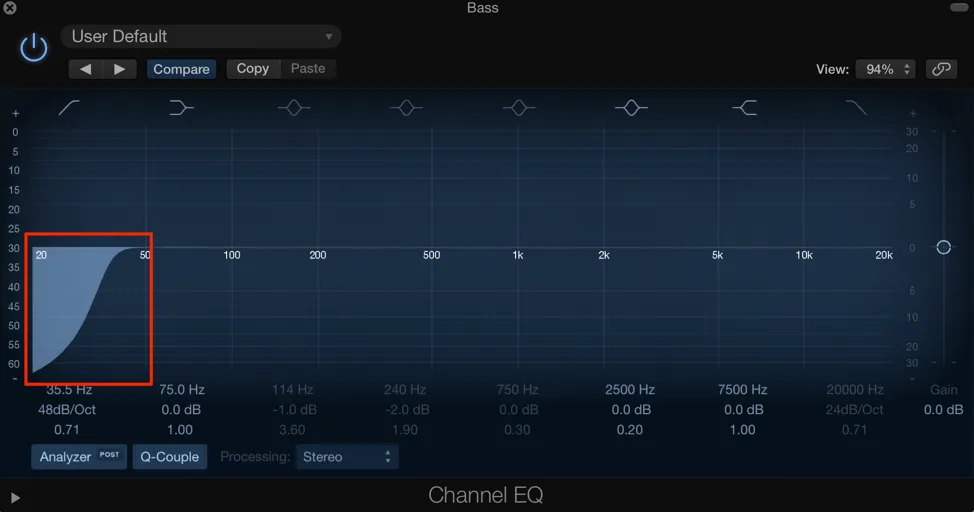
EQs are not perfect. In order to reduce certain frequencies while keep others the same, EQs slightly change the phase of your audio and can cause phase buildups (Linear phase EQs compensate for this, but introduce latency).
Essentially, this creates additional frequency dips and boosts that the EQ doesn’t display as actually happening - but, they are. And guess what? The steeper the EQ curve, the greater the phase change.
This creates a huge challenge for a sound engineer: how do you balance your EQs, especially on the low end, to remove unwanted frequencies without inducing unwanted phase buildup?
A good rule of thumb is the lower the frequency you are EQing at, the lower Q value you should be using. A great way to double check that you aren’t getting too much phase buildup is A/B testing your gain output before and after applying the EQ.
3. Unimportant Sounds
Chances are, you don’t need 100+ tracks in your project. Unnecessary and unimportant sounds only clog up your track and your mix and take away from the presence and clarity of the important sounds in your track.
If you can’t hear an element in the mixdown, delete it. Can the track live without a certain element? If yes, you probably want to consider deleting it. Having more tracks in your project file doesn’t make you a more advanced producer, it only makes writing music more difficult. Keep things simple!
One of my favorite techniques to help identify unimportant sounds is the Hyperbits ‘Muting Technique’ where you would go through your project, and mute one sound at a time. If you can’t confidently hear whether a sound is contributing to the mix, it’s time to cut it.
To learn similar techniques to the Muting Technique, grab our 8 Step Finishing Checklist.
4. Unnecessary Layers
Similar to the above, each layer within a sound should be playing a distinct role. If two layers are doing the same thing, delete one of them and make the other one bigger or better, but most importantly, make it different. Layering the same sound on top of each other over and over again is a formula for phase cancellation and loss of headroom. Each layer should be playing a unique and specific purpose in achieving your final sound.
Struggling with layering? Me too. That’s why I put together a free 90-minute workshop covering some of my favorite production techniques, layering included.
5. Not Writing the “Song” First
Ever notice that songs people like because of “that huge kick drum” or “that cool lead” are also the ones that people forget about in six months? Instead, the songs that evoke emotion, or force you to recall a specific memory, be it nostalgia or pure bliss, are the truly timeless songs.
The qualities that make these tracks special come less from the actual production or engineering and more from the actual songwriting and composition. For me, a few of those songs are Thin White Duke’s remix of Röyksopp’s “What Else Is There,” Ilan Bluestone’s “Big Ben,” Luttrell’s “Generate,” or even Porter Robinson’s “Language.”
Write the song first. The melodies, the composition, the emotional backbone. Then produce it. A well-produced “track” that isn’t a good “song” can only be so great, but a great “song” has unlimited, timeless potential.
6. Inserting Time FX Plugins
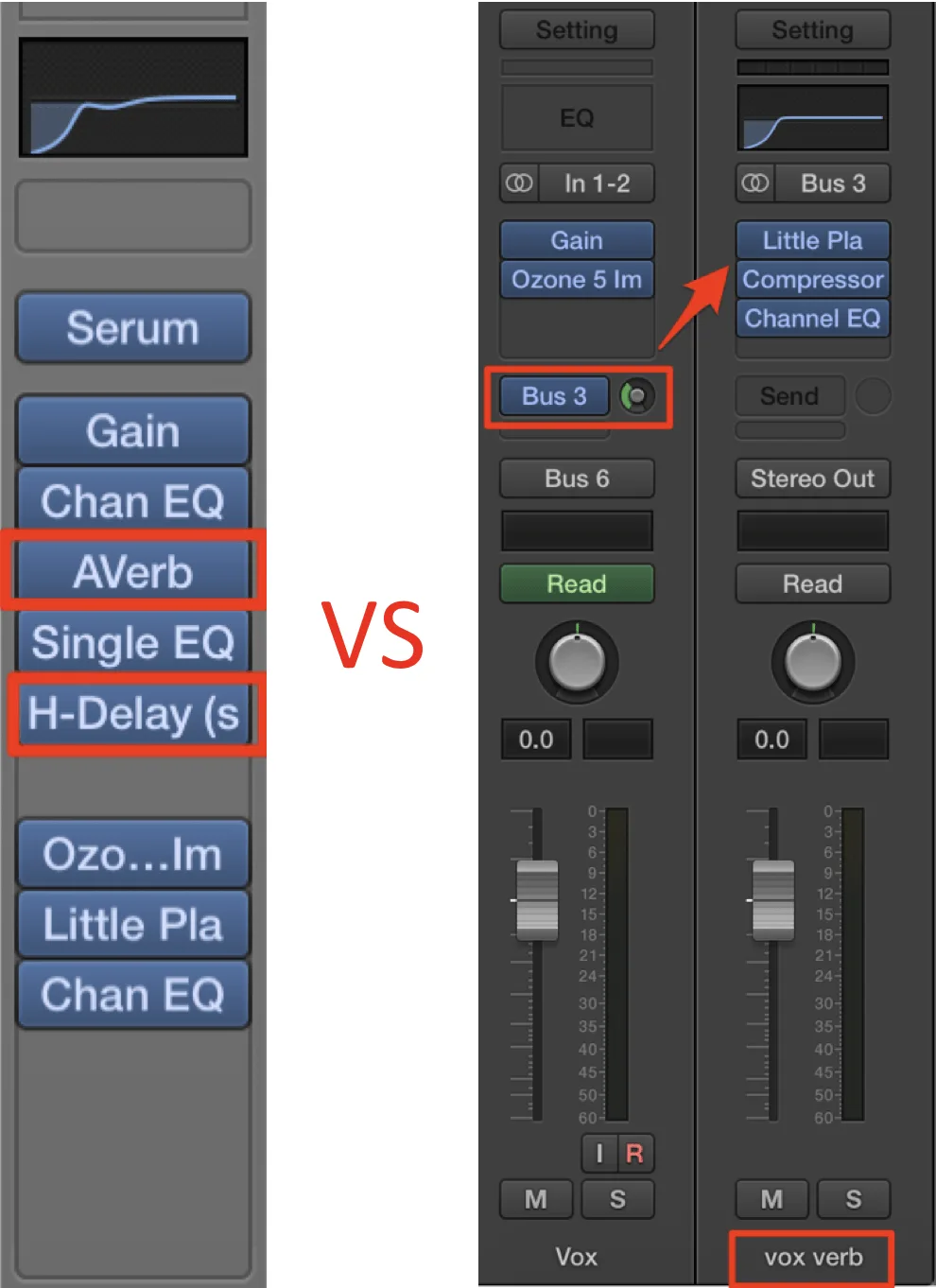
In general, you should avoid inserting time processing plugins (ie reverbs, delays, or anything that changes the time at which an audio signal is played) into channel strips. You should instead create a send channel for each reverb and delay, as this gives you the flexibility to process these signals separately from your dry signal.
An exception to this rule is when the reverbed or delayed sound is the actual final sound you want (some FX can fall into this category). In this case, it can be ok to insert these plugins onto your channel strip.
7. Falling in Love with Bad Samples
It’s very easy to get obsessed with your own music - there’s so much to listen out for! Critiquing your low end, gauging your overall mix, comparing to reference tracks, testing on multiple systems, the list goes on and on…
But what ends up happening, more often than not, is that producers start falling in love with bad sounds. The more you listen to your music before it’s finished, the harder it becomes to make the changes it actually needs. The solution? Stay away from listening to your own music on repeat before it’s finished. Once it’s done, though, listen away.
8. Only Listening in your Studio
When I’m working with a student and I hear a good composition, but a bad mix, the first question I’ll ask is: What is your mixing environment like?
More often than not, your room isn’t going to be perfect. And that’s fine by the way. In fact, it’s to be expected. The idea that you’ll be mixing in a perfectly treated room, in a million dollar studio just isn’t the reality anymore.
It’s also not necessary. Treating your room with acoustic panels and dense objects to minimize first reflections can be helpful, but learning your room is 10x more important. So, every time you want to revisit your mix, listen to your track out in the world in as many places as possible: car stereos, cheap stereos, iPhone speakers, club systems, laptop speakers, cheap headphones, nice headphones, etc.
Only then will you really start to learn how your room calibrates to the outside world.
Pro Tip: Ditch the sub. It will cause more problems than it’s worth, especially in small rooms.
Learning your room takes time, but it’s the most permanent upgrade you can make to your mixing setup.
The Honest Feedback You’ve Been Missing
These 8 habits are common because nobody tells you about them. You’re not getting coached, you’re not getting mixed by a pro, you’re just grinding in your room with the same tools and the same ears. The good news: now you know what to look for.
Fix one thing this week. Then the next. Your music will improve not because you suddenly got more talented, but because you stopped working against yourself.