
Jump to a section74
- Why Make a Remix?
- 71 Strategies for Creating an Amazing Remix
- 1Remix a Classic
- 2Only Remix Songs That You’re Passionate About
- 3Remix a Hit, Before it’s a Hit
- 4Check How Many Remixes There Are of a Song Before Remixing it
- 5Make Sure You Get the BPM & Key Right
- 6Try to Find Official Stems Whenever Possible
- 7Pick and Prioritize Your Favorite Stems
- 8Bootlegging from the Master is a Valid Option
- 9Frequently There is an Online DIY Acapella
- 10Use the Acoustic Version Instead of an Acapella
- 11You Can Make Your Own Acapella
- 12Use Audacity to Isolate Vocals
- 13Make Sure the Tracks Are Aligned Properly in Your DAW
- 14Have a Direction Before You Begin
- 15You Only Need One Good Idea to Make a Great Remix
- 16Figure Out What Can Be Improved
- 17Add Extra FX, Delays, and Reverbs to the Vocal
- 18DON’T Reference the Original Too Much
- 19DO Reference the Original While Mixing
- 20Determine Which Style Remix You Want to Make
- 21Learn to Play Ball When Making an Official Remix
- 22Change the Tempo
- 23Change the Key
- 24Try Re-working the Melody
- 25Try Writing an Entirely New Melody
- 26Switch Up the Rhythm
- 27Find the Original Chords (if you want to use them)
- 28Make Up Your Own Chords
- 29Don’t Make the “Obvious” Remix
- 30Choose Your Tempo-Change Algorithm Carefully
- 31Make the Bassline MIDI More Complex
- 32Use the Original MIDI with New Sound Design
- 33Use New MIDI with the Original Sound Design
- 34Add Extra Pads, Strings, and Atmospheres
- 35Add new FX
- 36Don’t Disrespect the Song
- 37Move to the Relative Major/Minor
- 38Remake Elements from the Original
- 39Repurpose Secondary Parts of the Original Track
- 40Reuse at Least One Drum Sound from the Original
- 41Make Ear Candy from the Stems
- 42Vocals Are Cheat Codes for Interest
- 43Distort and Mangle Parts of the Original
- 44Vocal Chops Are Killer
- 45Keep it in the World of the Original, or Don’t
- 46Rearrange the Song
- 47Incorporate Parts of the Original into the Drop
- 48Tease the Drop
- 49Don’t Drown Out the Vocals
- 50There Are Advantages and Disadvantages to Being “Out There”
- 51Make it Obvious from the Start it’s a Remix
- 52Make Sure All Your Additions Fit
- 53Don’t Drag it Out, Get to the Drop
- 54Reference the Best Songs in the Genre of Your Remix While Mixing
- 55Do a “Test Master”
- 56Make a List of Promoters
- 57Track Your Emails
- 58Commissioned Remixes Compensation Can Come Multiple Ways
- 59Get the Details in Advance
- 60Don’t Let Remix Contests Discourage You
- 61Always Read the Rules, Terms, and Conditions for Remix Contests
- 62Don’t Monetize Without Permission
- 63Promo the Remix to Artists in the Remix Genre
- 64Turn a Remix into an Original
- 65Be Easy to Work With, But Stand Your Ground
- 66Believe in Your Art, and Release Your Music
- 67Make Sure You Get Tagged as a Primary Artist on Spotify!
- 68Network with the Original Artist
- 69Pitch Release Marketing Ideas to the Original Artist
- 70Welcome in the Original Artists’ Fans to Your Follower Base
- 71Have Multiple Aliases if Taking on Commissioned Remixes
- Now Go Be a Remix King
Why Make a Remix?
I love remixes. I love making them, I love listening to them, I love playing them in my sets. To me, remixing allows one artist to give their own musical interpretation of another artist’s song. Remixing is also a great way to gain popularity. Zedd is now considered one of the top producers in EDM, but his career began with remixing Skrillex. And he’s not alone, many top-tier producers launched their careers off of successful remixes.
Remixes extend the life of a release while the artist works on new material. They’re also useful to the remixer because you get to work with great vocals without hiring a topliner.
Drawing from years of experience creating remixes for artists such as Beyoncé and Nick Jonas, we’ve distilled the essential strategies for remixing a song into 71 tips you can use right now.
Here are some of the best remixes ever created to kick things off.
Rokysopp - What Else Is There? (Thin White Duke Remix) [2005]
Stuart David Price, aka Thin White Duke (also aka Jacques Lu Cont), has been one of the most influential producers in electronic music and is arguably the greatest remixer of all time. He was influential in making some of the first “club versions” of pop records, including remixes for Madonna and The Killers. And has won 3 GRAMMYS.
His remix to What Else Is There? By Rokysopp is a certified dance classic. He takes the original vocal, chops it up and makes it faster, and writes an entirely new production around the vocal. This is a classic remix strategy: take the original vocal (or other iconic element from the song), and create a whole new song around it.
Rufus Du Sol, Like an Animal (Yotto Remix)
Yotto is the underground remix king. His remix to Rufus Du Sol - Like An Animal was timed perfectly, it came out just as Yotto was in his rapid ascent in the dance music world. But also as Rufus was achieving mainstream dance popularity.
This remix is more faithful to the original in that it lives within the same genre of the original. This remix is slightly more ‘clubby’ than the original version, with music and production that appeal to BOTH Yotto’s and Rufus Du Sol’s fan bases. Again, the vocals are the highlight here.
Armin Van Buuren feat Laura V - “Drowning” (Avicii Remix)
Avicii’s remix to “Drowning” is a classic uplifting melodic dance record. The key here is once again honoring the best elements of the original, and writing new pieces to complement them. Avicii took the original vocal from a harder trance song and wrote soft, approachable, and sensitive music. This makes the entire song more emotional and elevates his remix to be something entirely different from the original.
71 Strategies for Creating an Amazing Remix
As a remixer, you need to consider which elements to use, what to do with them. And how to add new pieces to make the song your own. Let’s break down the strategies you can take to create a great remix.
1. Remix a Classic
Something fun to do is take an older but loved song and put your spin on it. This will separate you from the throngs of producers remixing today’s hits. If you want to see how I remixed “Feel So Close” by Calvin Harris in 4 simple steps, check out my Calvin Harris remix breakdown!
2. Only Remix Songs That You’re Passionate About
Sometimes you may be hired to make a remix, you may have a friend or fellow producer approach you to remix their song, or you might just have a song you really want to remix. The best remixes you’ll make are the ones you are passionate about. So try to remix songs that you feel you can offer an original interpretation of.
It’s important to choose a song that you feel has the potential to be transformed into something exceptional. Avoid selecting a track that you think is already perfect, as it may be difficult to find room for improvement.
3. Remix a Hit, Before it’s a Hit
Sometimes a song comes out and you just know it will be the song of the summer. Several years back Marshmello and Selena Gomez released their song ‘Wolves’. Knowing it would take off with names that big, I made and released a remix within 6 hours of the original song coming out. I got the first remix of the song out, and I got hundreds of thousands of streams on it after it was picked up by many YouTube promo channels.
Also, I recommend picking either: 1) remix competitions for smaller artists, or 2) reaching out to small indie artists to ask to do a remix for them. This way, you get access to high quality stems, which will allow you to do your best work.
4. Check How Many Remixes There Are of a Song Before Remixing it
Popular songs are well, popular. So they get remixed a LOT. Before you think about how to remix a song, you need to consider if it’s the right song to remix. It’s a good idea to check if there are many remixes of the song you chose that have major support. A simple YouTube search will usually reveal this.
5. Make Sure You Get the BPM & Key Right
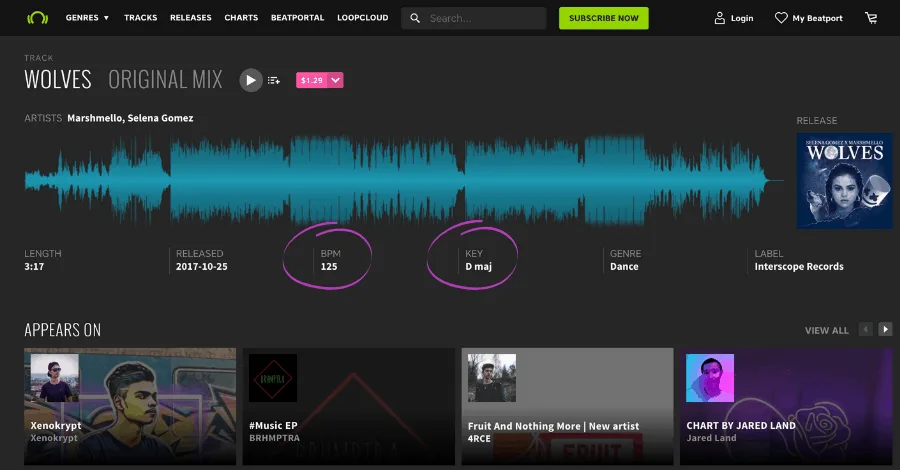
Ok, so now you know which song you want to remix. The first things you’ll need to know are the BPM and key of the song. There are many ways of determining this. You can Google the name of the song and BPM and key (i.e. ‘Marshmello Wolves BPM key’), you can use a website like Beatport that shows the BPM and key, or you can use specialized software such as Mixed In Key that will find them for you.
6. Try to Find Official Stems Whenever Possible
When remixing it’s best to have the original stems of the song. Stems are groups of the main tracks in a song. If you want to get the stems for a release, it frequently is as simple as emailing the artist or their manager and asking for them.
Sometimes there’s a remix competition which will provide stems. And on rare occasions, stems are leaked to the internet that you can find by searching.
7. Pick and Prioritize Your Favorite Stems
Keep in mind that you don’t need to use every element of the original song when creating a remix. At this stage, decide which stems to keep and which to delete. Typically, I prefer to delete at least half of the original stems.
However, I always keep the vocals, atmospheres, and any unique instrumental sounds. In my experience, drums are often removed entirely, as it allows me to create new ones and add my own touch to the remix.
Pro Tip: When auditioning stems, mute everything except the vocals and listen solo. If you can already hear a musical idea forming around just those vocals, you’ve found your remix direction. That instinct is worth more than any technical strategy.
8. Bootlegging from the Master is a Valid Option
Sometimes official stems or acapellas aren’t available, and then you need to turn to bootlegging. Many major remixes on your favorite EDM channels are bootlegs, made through careful techniques. You can workaround using the release for a remix by high-passing the lows. And using mid-side EQ to cut out a lot of the side information then building your remix around that.
9. Frequently There is an Online DIY Acapella
Do a search for the name of the song you want to remix and ‘acapella’. Studio acapellas are best, but frequently people make their own edits called DIY acapellas. And frequently they’re good enough to get the job done.
If you want to practise remixing without clearing anything, our list of free vocal samples has full acapellas, with the license for each one spelled out.
10. Use the Acoustic Version Instead of an Acapella
Frequently acoustic versions are released of popular songs. These are generally less busy, and therefore easier to put your own layers over.
11. You Can Make Your Own Acapella
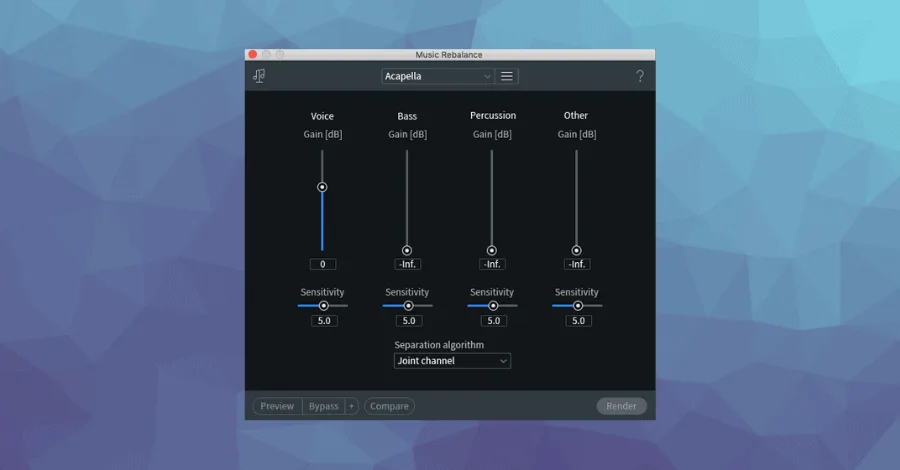
The magicians at iZotope made Music Rebalance as part of their premier audio editing software RX. It’s pricey, but it’s freakish how well this software can separate elements of a mixed and mastered song.
12. Use Audacity to Isolate Vocals
Not nearly as good as RX’s Rebalance feature, but the free and open-source editor Audacity has a vocal isolation feature. It’s not great. But if the song is pretty minimal it sometimes can get decent results (and did I mention it’s free?).
13. Make Sure the Tracks Are Aligned Properly in Your DAW
Once you have your tracks and the BPM and key, you’ll need to make sure they are properly aligned in your DAW. I like to do this by playing a drum loop and looping several measures of the song. I’ll then drag the files around until they slide into place with the drum loop. Some DAWs (such as Logic) have built-in aligning algorithms, which work quite well if there are transient information such as drums in the song it can work with.
14. Have a Direction Before You Begin
Before you start getting dirty with production, try to have an idea of where you will take the remix. Knowing how to remix a song isn’t just all technical skill, you should have some sort of plan in your head for how you will approach the song. It’s ok to deviate from your original idea as you work on the song. But you should start with at least some sort of direction.
15. You Only Need One Good Idea to Make a Great Remix
When it comes to remixing, remember that sometimes less is more. If the original song is already great, you just need to add one more good element to create a great remix. It could be something as simple as a new melody or a new genre.
You don’t have to completely reinvent the wheel with every remix. In fact, some of the most clever and creative remixes are the ones that stay true to the original while adding a unique twist. So, don’t be afraid to keep it simple and let the original song shine through.
16. Figure Out What Can Be Improved
Consider what you would like to change about the song. Would it benefit from a new genre, or does the chord progression need improvement? At this stage, it’s important to focus on the creative brainstorming process, without worrying about the specifics of how to improve the track. This step will lay the groundwork for the direction of your remix.
17. Add Extra FX, Delays, and Reverbs to the Vocal
If you’re creating a remix with vocals, it’s important to enhance the production quality of the vocals in some way. One effective approach is to incorporate new delays, reverbs, or effects.
For inspiration, here are Serik’s top 4 favorite modern vocal effects, and exactly how to use them in a remix context.
Experimenting with these techniques can seriously change how the vocal sits in your remix.
18. DON’T Reference the Original Too Much
Let your chord progression and melody come naturally. Over-listening to the original can paint you into a corner creatively.
19. DO Reference the Original While Mixing
When working through the mixdown of your remix, it’s helpful to use the original song as a reference by adding it to your DAW. I recommend starting by matching the volume of the vocals between the two versions. This technique can help you achieve a balanced mix of all the elements in your remix.
Struggling with mixing? I have tons of resources to help you out. Start with this article on mixing and mastering electronic music, which covers the best modern mixing strategies. Mixing is also one of the main focuses in the Hyperbits Masterclass.
20. Determine Which Style Remix You Want to Make

Some remixes are designed for clubs and dancing, others are emotional, and some don’t even have drops and are more vibey. What do you want people to feel from your remix?
21. Learn to Play Ball When Making an Official Remix
If you are working with a label or the original artist for an official remix, ask them if they had a style in mind. Being accommodating with your remixing will help you land more.
22. Change the Tempo
An easy way to separate your remix from the original is to slow it down or speed it up.
23. Change the Key
Marshmello established a sound with his first remixes by pitching up the vocal. You can instantly change the vibe of the song by messing with the pitch of the vocal.
24. Try Re-working the Melody
Begin by taking the original melody and making a few small modifications. The aim is for listeners familiar with the original track to identify and connect with the melody, while still noticing the new variations you introduce. This strategy can create a sense of continuity between your remix and the original song, enhancing the overall listening experience.
25. Try Writing an Entirely New Melody
If reworking the original melody isn’t producing the desired result, don’t worry. Try writing a completely new melody instead.
I suggest using the original chords or bassline as a starting point and creating a new melody to complement them. This approach ensures that your melody will be somewhat similar to the original, preventing it from being too different and jarring when combined with other elements from the original track.
26. Switch Up the Rhythm
Is the original four on the floor? Maybe go half time. Switching up the rhythmic structure of a song will make it more fun to listen to if the original song is already ingrained into people’s minds.
27. Find the Original Chords (if you want to use them)
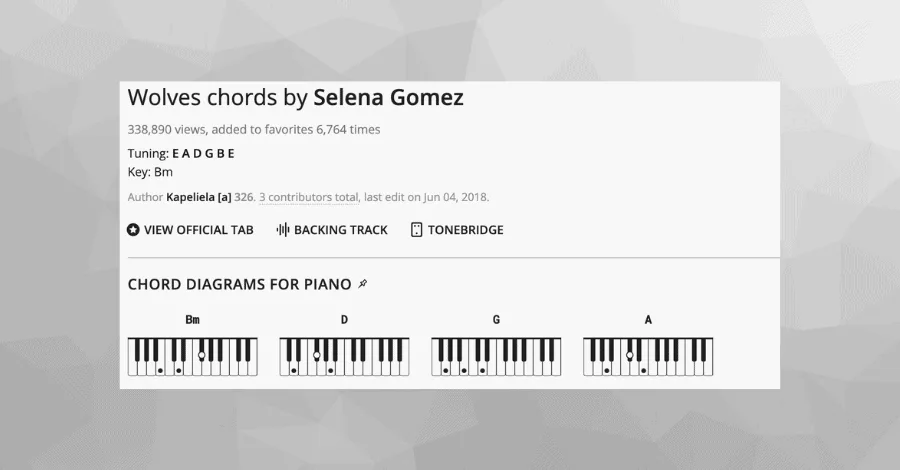
You can frequently find the original chords pretty easily online if that’s the chord structure you want to use.
28. Make Up Your Own Chords
Nothing changes the vibes of a song quite by reharmonizing it and using your own chord progression.
29. Don’t Make the “Obvious” Remix
Sometimes you hear a song and there’s just an obvious remix direction for it. By not playing into what’s expected, you can help your remix to stand out.
30. Choose Your Tempo-Change Algorithm Carefully
Most DAW’s tempo algorithms are quite frankly, awful. Ableton’s is better than most. But if you want to go for gold use either the one built into iZotope RX (my personal favorite) or Serato’s Pitch ‘n Time software.
31. Make the Bassline MIDI More Complex
The bassline is a critical element in any remix. While I don’t often create entirely new basslines for a remix, I like to add complexity to the existing bassline. This can be achieved by incorporating one or two extra notes, or having a note jump up an octave for half a beat.
By doing so, you can create a unique and dynamic bassline that pays homage to the original while keeping things interesting and fresh.
32. Use the Original MIDI with New Sound Design
Using the original melody or bassline? That is totally fair game! But now, keep it fresh by adding new sound design. Put the original MIDI into a new synth and find a new patch for the sound. Once again, the idea is to capture some of the vibe of the original (with the same MIDI), but to give it your own unique spin (with new sound design).
33. Use New MIDI with the Original Sound Design
Here’s the reverse strategy! If you’re creating a new melody, incorporating the original sound design can help maintain the original song’s vibe. To do this, you can take the original lead stem, chop up the notes, and load them into a sampler. Then, use the sampler to play your new melody with the original sound design.
This can create a powerful link between your remix and the original track while still allowing you to introduce your own unique spin on the melody.
34. Add Extra Pads, Strings, and Atmospheres
Adding additional backing elements to your remix can make it sound more expansive and immersive, as exemplified in Yotto’s remix of Rufus Du Sol above. To achieve this effect, consider incorporating tonal atmospheres, soundscapes, or pads into the background of your remix. However, it’s important to keep these elements subtle to avoid overwhelming the main elements of the remix.
Related tool: Hyperbits Atmosphere: 75 textural atmosphere samples that make your tracks sound full, alive, and finished.
35. Add new FX
I always use 100% new FX in a remix, I’m talking about things like sweeps, risers, impacts, etc. Go into your own sample packs for these sounds and pick FX that feel right for the direction you’ve taken your remix. Whenever I hear a remix re-use FX from the original, I always think they’re just being lazy.
Pro Tip: Build your own FX library folder specifically for remixing. Separate risers, impacts, and reverse tails by energy level (subtle, medium, hard). Having these organized means you’re never pulling random FX from your main project and wondering why the remix doesn’t feel cohesive.
36. Don’t Disrespect the Song
Listen to the lyrics and message of the song you’re remixing and make sure your changes make sense. Turning Eric Clapton’s ‘Tears in Heaven’ into a banger would be sacrilege. And you don’t want to disrespect a song or it’s artist with your remix.
37. Move to the Relative Major/Minor
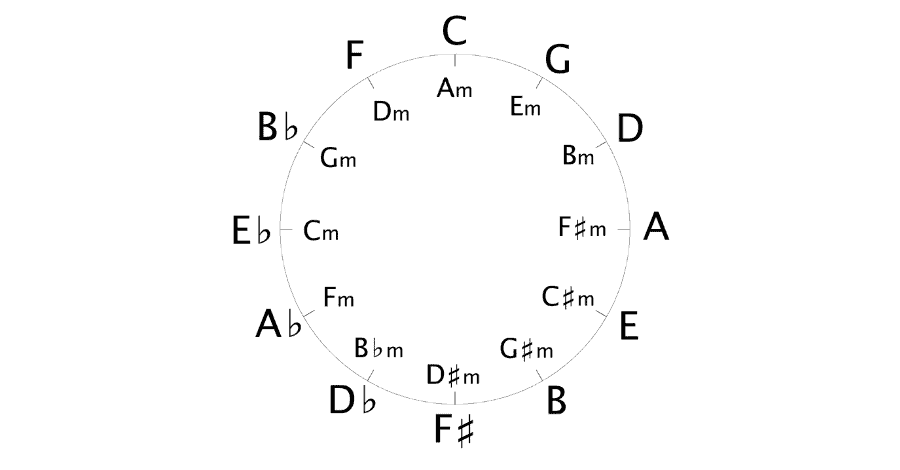
By changing the song to its relative key you can instantly switch up the feeling from melancholy to cheerful and vice versa. The relative minor of a major key is 3 semitones down. And inversely the relative major of a minor key is 3 semitones up.
You can quickly determine the relative key by using the circle of fifths, pictured above. The outside ring is the major, and its corollary key in the inner ring is the relative minor.
38. Remake Elements from the Original
You can create familiarity and interest in your remix by incorporating elements of the original song in unique ways. Remake melody lines with other instruments, turn a vocal line into a synth line, etc.
39. Repurpose Secondary Parts of the Original Track
Is there a really nice tonal atmosphere in the original song? Or maybe an arpeggiator that is playing subtly in the background. If something sounds good, don’t fix it! It’s perfectly fine to incorporate full stems from the original into your remix, as long as they’re not the primary elements of the track. This is a great way to capture the essence and vibe of the original while still putting your own unique spin on it.
40. Reuse at Least One Drum Sound from the Original
This is a rule I live by. While I generally prefer to create new drum sounds for my remixes, I try to incorporate at least one drum element from the original track.
I usually choose the most distinctive drum sound, avoiding generic hi-hats or claps, as they do not add any uniqueness to the remix. Instead, I go for unusual percussion one-shots or interesting drum loops to create a unique sound.
41. Make Ear Candy from the Stems
Tease different parts of the original songs by sprinkling in elements of the original subtly. You could take a random percussion hit and use it as the basis for a new rhythm, or take a backing vocal and process it with effects to create a new texture.
The key is to be creative and experiment with different processing techniques to transform the original elements into something fresh and exciting.
42. Vocals Are Cheat Codes for Interest
Use as much of the original vocal as possible. People came for the song, and the vocal is the song.
43. Distort and Mangle Parts of the Original
Listen to this epic remix of Post Malone’s ‘Rockstar’. Check out how Crankdat uses parts of Post’s vocal as fills in the drop to keep things tied together and interesting. This is a fantastic example of how to remix a song in a way that the remix feels very tied to the original. The remix remains grounded to being a Post Malone song despite all Crankdat’s additions because of his creative use of parts of the original song.
44. Vocal Chops Are Killer
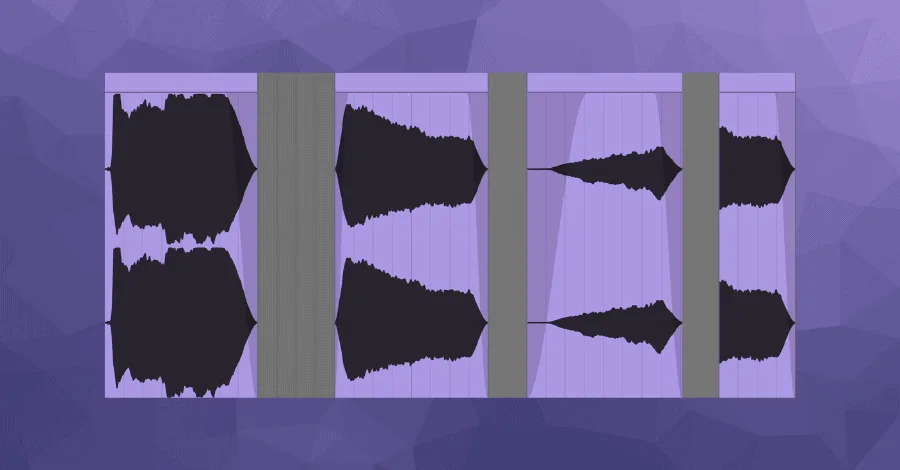
Vocal chops are a great way to turn parts of the song into fun elements that the listener can hang on to. I love using Serato Sample to make my vocal chops.
45. Keep it in the World of the Original, or Don’t
Make a conscious decision if you want your remix to remain tied to the original, or be completely deviant. Sometimes what makes a remix cool and unique is just how radically different it is than the original.
46. Rearrange the Song
It’s a new opportunity to switch things up. Rearrange, cut sections out, only use the chorus, etc. Have fun with it!
47. Incorporate Parts of the Original into the Drop
Sometimes when the drop of a remix is a complete departure from the original song, the listener can get lost and disinterested. Keep them with you by reminding them what it’s a remix of.
48. Tease the Drop
One of the things that get me most excited when listening to a remix is hearing the drop melody/idea teased subtly in the parts leading up to it.
49. Don’t Drown Out the Vocals

It’s easy to feel like our additions are the most important part of the song. But the listener is still going to want the vocals to be at the forefront of the mix.
50. There Are Advantages and Disadvantages to Being “Out There”
How crazy should the remix get? Up to you. Sometimes keeping it a bit generic will help it get popular. But by getting wonky you can help define a sound for yourself as an artist.
51. Make it Obvious from the Start it’s a Remix
Let your listeners know they’re in for a treat. Make sure they know from the first moment of the song that they’re about to hear a fresh take.
52. Make Sure All Your Additions Fit
We’ve all heard those remixes that feel like they are two different songs awkwardly squished together. Pay attention to your transitions!
53. Don’t Drag it Out, Get to the Drop
Get to the drop pretty quickly or people will get bored of listening. Unfortunately, the average commercial listener doesn’t have much patience. In fact, the average human has an attention span of only 8 seconds. We’re not saying you have to get to the drop in 8 seconds. But the faster you bring in the chorus, the more likely a listener will stick around.
54. Reference the Best Songs in the Genre of Your Remix While Mixing
If you’re that deep house producer I mentioned earlier that is remixing a dubstep song, reference your mixdown against other deep house tracks, NOT dubstep tracks. After all, you want to make a fantastic track in your genre. And so your remix should stand up against the best tracks in your genre! At this stage, you’ve fully transported the original into your world.
55. Do a “Test Master”
Before submitting your remix to the original artist or a remix competition, I recommend doing a quick mastering pass to make it sound loud and professional. This will ensure that you make a great first impression with your remix. And that it sounds just as polished as the original track. Don’t forget that a track that is too quiet will immediately detract from the listener’s experience. So make sure your levels are set appropriately.
Not sure how to master? I made a quick 2-minute breakdown that covers the essentials. Check out the mastering guide I wrote for the deep dive, or start here.
A decent test master can be the difference between a remix that gets played and one that gets passed on.
56. Make a List of Promoters
Make a Google Sheets page and come up with at least FIFTY places you are going to send your remix for promo help.
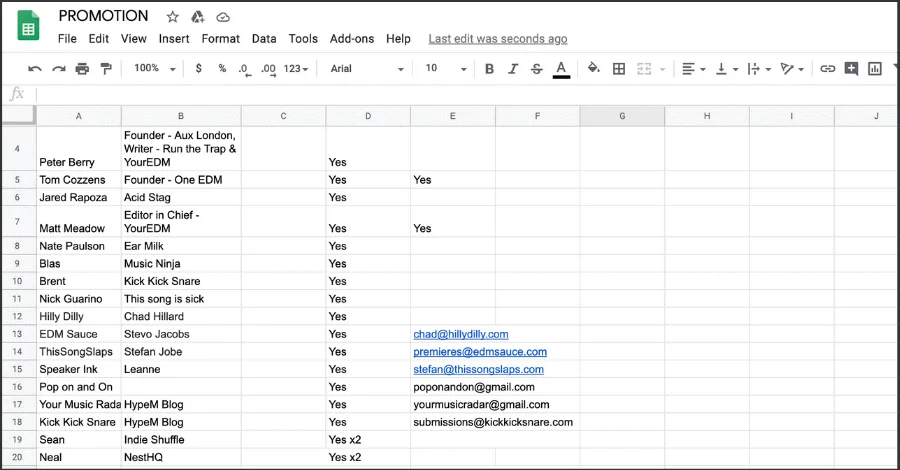
This can be YouTube channels, Spotify playlisters, bloggers, etc. This can be YouTube channels, Spotify playlisters, bloggers, etc.
57. Track Your Emails
Use a service like CloudHQ Free Email Tracker to know when A&Rs have opened your email. This is especially useful because if you see that they have not opened your email for a couple weeks you can resend the email. Just be sure if you are using the free version to disable the message that comes up saying you are using a tracker. If you want to get advanced with your email tracking and opportunity management consider a CRM like Pipedrive.
58. Commissioned Remixes Compensation Can Come Multiple Ways
Compensation for remixes come in a number of forms. But the most common are payment, splits on the master, or a combination thereof. It’s not uncommon for arrangements to be made when remixing for artists that have a sizable following that they repay the remix artist by putting the full support of their marketing team behind the release.
59. Get the Details in Advance
Work out the details of the business end before you begin work. The last thing you want is to finish the remix then hear that you don’t agree with the terms. Make sure that you have the deal in some form of writing so that the details can be easily recalled if there’s confusion later. An email will suffice, but some people prefer a short agreement.
60. Don’t Let Remix Contests Discourage You
Remix contests can be great practice for producing and remixing. But don’t be disheartened if you don’t win, they have many many entries and are frequently rigged to begin with. Many times the winner was predetermined at the onset of the competition, or goes to a friend of the original artist. This isn’t to say it’s the case every time, but it happens enough to deserve comment. Not winning remix competitions doesn’t mean you don’t know how to remix a song and that you aren’t a fantastic producer.
61. Always Read the Rules, Terms, and Conditions for Remix Contests

Sometimes they throw weird stuff in there, like that the label owns your productions even if you don’t win or get compensation, or that you’re disqualified if you release the remix publicly. Watch out for sneaky conditions!
62. Don’t Monetize Without Permission
You can’t monetize or distribute a remix without explicit written permission from the artist and their team/label. Don’t get yourself into trouble, and play by the rules! You can however usually publish an unofficial remix to YouTube without repercussions. Soundcloud gets a bit trickier but I’d argue Soundcloud is no longer a platform worth devoting time into.
63. Promo the Remix to Artists in the Remix Genre
Once your remix is complete and ready to be released, it’s important to promote it to other artists in your genre. If it’s a remix of an original song with no other remixes in your genre, big DJs may be interested in playing it during their live shows.
You can reach out to DJs who play similar music and send them a private Soundcloud link with a downloadable version of your remix. Videos of DJs playing your unreleased music can be incredibly valuable for social media content. So take advantage of any opportunities to get your music heard by a wider audience.
64. Turn a Remix into an Original
Sometimes making a remix is a great inspiration. But it doesn’t have to stay a remix, mute the vocals and get a topliner to put original vocals on it! This is an especially good move if you’ve entered a high profile remix contest and don’t want to be one of a million remixes for that song getting released.
65. Be Easy to Work With, But Stand Your Ground
Artists and labels will all have their opinion about your remix. While you want to be accommodating, also know when they are compromising your artistry. They brought you on to this project so that you can make your interpretation of the song. And it’s ok to remind them politely that ultimately the remix is your song with your name on it.
66. Believe in Your Art, and Release Your Music
I made a remix of a song for a large EDM label and didn’t finish it in time for the contest. On a whim, I sent it to the original artist who responded that had I submitted the remix it would have won the contest and might have been officially released. Believe in the work you do, and make sure you let people hear it!
You never truly know how well your remix will do unless you let others hear and enjoy it as well. Check out this remix I did with Bender of the classic song “Eye Of The Tiger.” I released this remix back in 2016 and to date it has nearly 20 million streams and counting! Similarly, the remix you release today could continue to pay off for you in the long term.
67. Make Sure You Get Tagged as a Primary Artist on Spotify!
This is a simple one. When the remix gets ready for distribution, make sure you are tagged as a primary artist for Spotify (if you’re approved). This will ensure the remix appears on your Spotify page and you maximize your streaming payoff.
Remixes are one of the best ways to grow your fanbase, network with other artists, and build up your catalog of music. Follow the strategies in this article and you’ll be well on your way to making some top-level remixes.
68. Network with the Original Artist
Networking is one of the most undervalued components of being a music producer. If you made a remix for an artist, let them know! Hit them up on Instagram or email, or attend their shows if possible. Networking is a great way to establish a relationship with an artist, and it could lead to future collaborations or opportunities.
Not sure where to get started with networking? You guessed it, I wrote an article about that too.
Check out Music Industry Connections: How to Win Friends and Influence People, the full guide on building your network as a producer.
69. Pitch Release Marketing Ideas to the Original Artist
Consider collaborating with the original artist to create a release strategy. This could include an Instagram Live session with both of your accounts, or arranging a meetup and taking some photos together to share on social media.
One of the biggest advantages of a remix is the ability to tap into the fanbase of the original artist. So it’s important to ensure that they are doing everything they can to promote your remix to their fans.
70. Welcome in the Original Artists’ Fans to Your Follower Base
Once your remix has been released, it’s important to embrace and engage with the new fans that have come over from the original artist’s fan base. You can welcome them into your own fan base by creating social media posts that introduce them to your other music and encourage them to explore your other content. This will help you to build a stronger relationship with your new fans and keep them engaged with your music in the future.
71. Have Multiple Aliases if Taking on Commissioned Remixes
If you remix professionally, consider having multiple aliases so that you can funnel different genres to the appropriate project. Also sometimes you may be hired to remix a song you don’t like. And then you won’t want it associated with your main artist project.
Now Go Be a Remix King
While these are all great tips, not all of them will apply to every project or song. Take the ones that work for you and run with them.
Ultimately, remixing is about having fun and creating and sharing art.
Pro Tip: Keep a “remix ideas” folder where you store songs that inspire you. When you have time to remix, you’ll have a ready-made list of tracks that excite you.
With these 71 tips on how to remix a song, you can now be a remix king. Go figure out what you are going to remix and kill it!
Related tool: Start to Finish with Hyperbits: Build an official Laidback Luke remix from stems to master, step-by-step.