

Industry & Career
Getting heard is a separate skill from making the music, and it is more learnable than it looks. Release properly, understand where the money comes from, and build a few real relationships. The guides below cover each of those, from uploading your first track to what publishing actually pays.
23 articles
Start here
The 25 Best Music Production Schools in the World Today
An honest comparison of music production education options, from traditional programs to online schools, and what to actually look for.

Report: How Did John Summit Become So Popular, So Quickly?
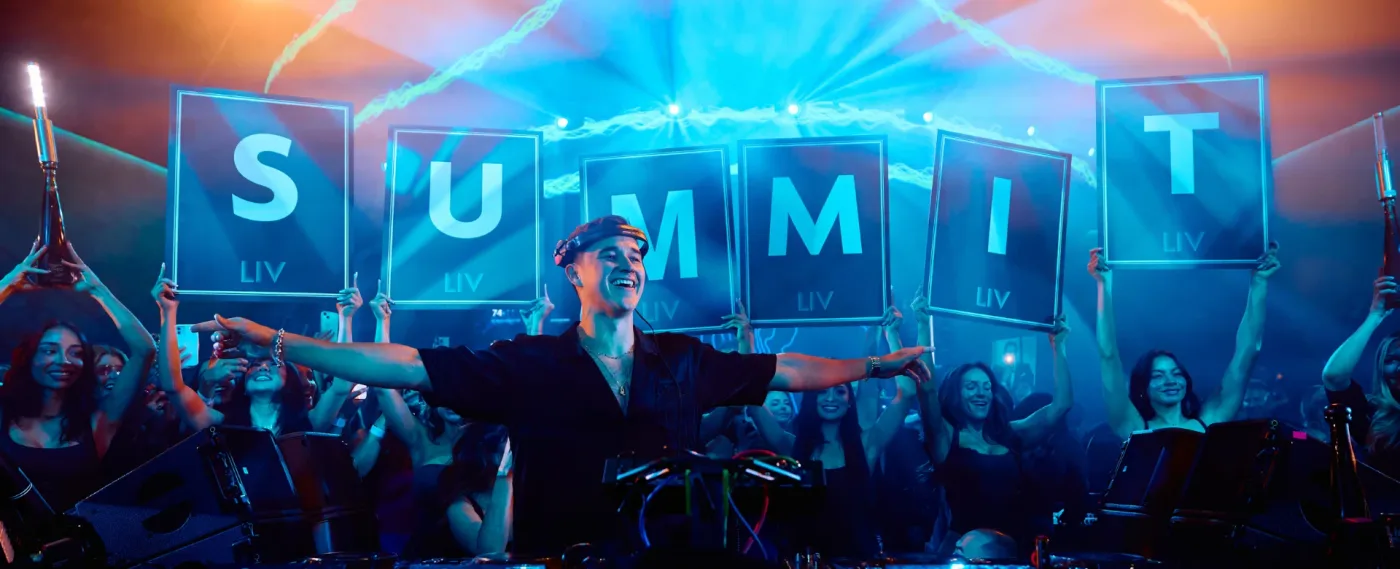
How John Summit went from making tracks in his apartment to headlining festivals, and what producers can learn from his trajectory.

The Artist's Library: 40 Must-Have Books for Music Producers
A curated reading list covering creativity, music theory, mixing, the music business, and personal development for producers.
Releasing and streaming

How to Upload to Spotify: 10 Ways in 2026
A step-by-step guide to getting your music on Spotify through a distributor, including what to prepare and common mistakes to avoid.
How to Get Featured in Spotify Playlists
Getting playlisted can change everything for an independent artist. Here is how the system works and what actually gets results.

How Do Artists Make Money On Spotify?
The real numbers behind Spotify payouts, how the royalty system works, and what it means for independent producers.
What is Music Publishing? Defining Licensing, Placements & Syncs
Publishing is where a lot of the money in music actually comes from. Here is how it works in plain terms.

How to Get Your Music Heard: Influencer Marketing for Musicians
The old playbook for getting heard (labels, blogs, DJ support) is half-broken. Here is what actually moves the needle, and the platform built to make influencer marketing for music painless.
Money and jobs

Making Money In Music With Multiple Income Streams
There are more ways to earn a living in music than ever before. Here are the revenue streams that actually work for independent producers.

Jobs In The Music Industry: 9 Case Studies To Grow Your Career
The music industry is bigger than just artists and producers. Here are the careers behind the scenes that keep everything running.
Ghost Production: The End All Be All Guide
Ghost production is more common than most people realize. Here is an honest look at the business, the ethics, and whether it is right for you.

20 Lessons in Running an Online Music Business I Wish I Knew When I Started
What we learned building Hyperbits from the ground up. Honest reflections on what worked, what did not, and what we would do differently.
Getting known

Music Industry Connections: How to Win Friends & Influence People
Networking in music does not have to feel forced or transactional. Here is how to build genuine relationships that lead to real opportunities.

Remix Competitions: 10 Ways to Actually Stand Out in 2026
Remix competitions are one of the best ways to get noticed as a new producer. Here is where to find them and how to stand out.
Report: How Did John Summit Become So Popular, So Quickly?
How John Summit went from making tracks in his apartment to headlining festivals, and what producers can learn from his trajectory.
15+ Ways to Find Singers Online For Your Next Track
Finding the right vocalist for your track is easier than ever if you know where to look. Here are the best platforms and approaches.
Mindset and staying in it
3 Reasons Music Producers & Musicians Fail
Most producers quit for the same few reasons. Understanding them is the first step to making sure you do not fall into the same traps.
How to Know if Your Music is Good: 8 Ways You're Ruining Your Music
One of the hardest questions in production. Here are practical ways to evaluate your own music honestly and figure out what needs work.

5 Ways to Find Your Sound as a Music Producer
Every producer wants a signature sound, but most go about finding it the wrong way. These five approaches will get you closer.

10 Ways to Steal Like an Artist
Every great producer learned by studying what came before them. Here are ten ways to draw inspiration from other artists without copying.

Writer's Block Isn't Real: 4 Limiting Beliefs in Music Production
Writer's block is usually a symptom of something else. Here are four limiting beliefs that disguise themselves as creative blocks.
8 Things You No Longer Need to Focus on as a Music Producer
Production has changed. Some things that used to matter a lot simply do not anymore. Stop wasting time on these eight.

10 Strategies to Heal Lower Back Pain for Music Producers
Hours in a studio chair take a toll. These strategies address the posture and movement issues that plague producers.
Learning and resources
The 25 Best Music Production Schools in the World Today
An honest comparison of music production education options, from traditional programs to online schools, and what to actually look for.
The Artist's Library: 40 Must-Have Books for Music Producers
A curated reading list covering creativity, music theory, mixing, the music business, and personal development for producers.

Top 12 All Time Most Influential Music Production Videos
Twelve videos that fundamentally changed how we think about music production. If you have not seen these, start here.
Common questions
- How do artists make money from music?
- From several income streams at once, since very few artists live on one. We group them into five buckets: your music itself (streaming, publishing, sync libraries and producing for other artists), social platforms, services like engineering for clients or touring, merchandise, and education. Streaming pays a few thousand dollars per million streams, so for most producers it stays a small slice until the catalog gets big. Building income across all five is part of the music-business module of the Hyperbits Masterclass, so your career doesn't hinge on one track taking off.
- Should I be promoting or still practicing?
- It depends on your tier. Early on, while your tracks can't yet stand next to the records you love, most of your time belongs to skills, plus building a network of producers at your level. You've moved up when established labels or managers want to work with you, and that's when fan building and a team start to pay off. It's normal to spend years in that first tier, and promotion spent on music that isn't ready mostly gets ignored.
- How do I get on Spotify playlists?
- Pitch your unreleased track to Spotify's editors through Spotify for Artists at least seven days before release, since that's the direct route to their curated playlists. Before release day, build a list of independent playlists in your genre and how each one takes submissions, so you can pitch them the moment the song is live. Curators respond to relationships, and running your own genre playlist gives you something to offer in return. After that, listeners take over: songs with fewer skips and more full plays keep moving onto bigger playlists.
- Is ghost production worth it?
- It can be, if you're clear about the trade. You get paid for your production skills, either as a flat fee or through a royalty agreement, and you learn a lot working with bigger artists, while the credit and the audience go to someone else. That suits producers who want income from the craft, and it stings if your main goal is building your own artist project. Get the terms in writing before you start, including who owns the track and whether you're paid once or ongoing.
- Do I need a music production school?
- No. Most working producers learned largely online. What moves people fastest is feedback, meaning someone competent listening to your own tracks and telling you what's wrong, and a tutorial library can't do that. Our roundup of 25 schools, ours included, lays out the prices and who each one suits.