

Mixing & Mastering
Mix in this order and most problems disappear: levels, then low end, then EQ and compression, then space. Master last, and only after the mix sounds right on your own speakers. Every guide below is one piece of that chain, written for producers who mix their own records.
19 articles
Start here
20 Mixing Tips for Music Producers & Audio Engineers in 2026
Twenty practical, no-fluff mixing tips gathered from years of producing and teaching. Each one is something you can apply today.

The Ultimate EQ Cheat Sheet for 30+ Instruments
A frequency-by-frequency reference guide for EQ decisions. Print it out, pin it up, and stop guessing where to cut and boost.
How to Master a Song in any DAW
Mastering does not require expensive gear or a treated room. Here is a repeatable process that works in any DAW.
Start here
20 Mixing Tips for Music Producers & Audio Engineers in 2026
Twenty practical, no-fluff mixing tips gathered from years of producing and teaching. Each one is something you can apply today.

How to Mix Music: 8 Technical Steps for Beginners
Before you worry about creativity, get these eight technical fundamentals right. They will save you hours of frustration down the road.

Why Reference Tracks are the Secret to Professional Sounding Music
Reference tracks are the simplest way to level up your mixing. Here is how to choose them, set them up, and actually learn from them.
Compression and dynamics
How to Use a Compressor: The End All Guide
Compression is the most misunderstood tool in mixing. This guide breaks down what every knob actually does and how to set it by ear.
Sidechain Compression: The End All Be All Guide
Sidechain compression is behind that signature pumping effect in electronic music. Here is how it works and when to use it.
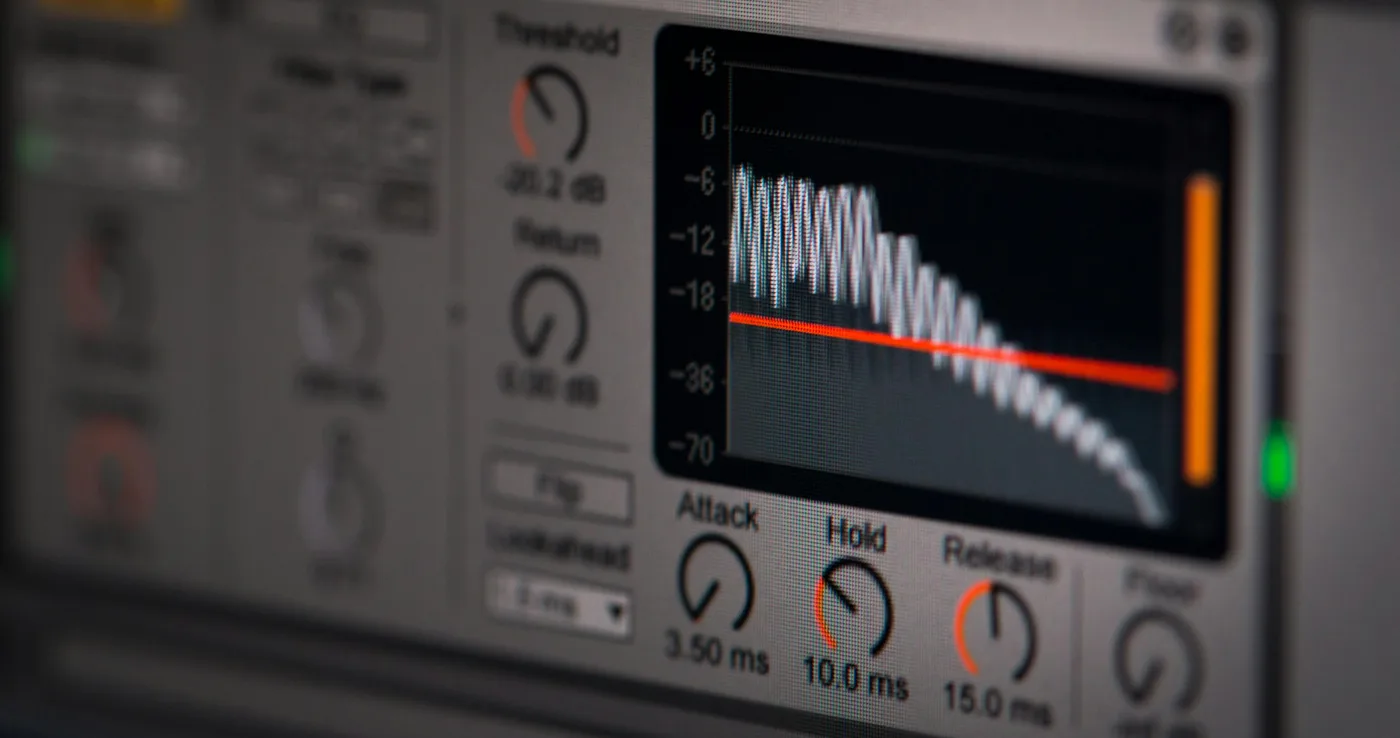
Everything You Need to Know to Sidechain in Ableton
A step-by-step walkthrough for setting up sidechain compression in Ableton Live, from basic pumping to more transparent ducking.
The Ultimate Guide to Multiband Compression: Tips, Techniques & Plugins
Multiband compression lets you treat different frequency ranges independently. Here is how to use it without making things worse.
A Guide to De-Essing: It’s Not Just for Vocals Anymore
De-essers are surprisingly useful beyond vocals. Learn how to tame harsh frequencies in synths, cymbals, and full mixes.
EQ, space and width
The Ultimate EQ Cheat Sheet for 30+ Instruments
A frequency-by-frequency reference guide for EQ decisions. Print it out, pin it up, and stop guessing where to cut and boost.

How to Use Reverb: The Ultimate Guide for Music Producers
Reverb creates space and depth, but too much turns everything to mud. Here is how to apply it with intention and control.
Stereo Imaging: The Complete Guide to a Wide Mix
Width is one of the most impactful qualities of a professional mix. Learn how to use panning, stereo effects, and mid/side processing effectively.

How to Create Contrast in a Mix
Great mixes have dynamics and contrast between sections. Here is how to make your chorus hit harder and your verses breathe.
Vocals

Mixing Vocals: The Ultimate Guide to Professional Results in 2026
A practical walkthrough of the full vocal mixing chain, from cleaning up the raw take to fitting it perfectly in the mix.

Vocal Compression: The End All Guide for Music Producers & Vocalists
Getting vocal compression right is tricky. These starting points and techniques will help you get consistent, polished vocals.

Mastering and loudness
How to Master a Song in any DAW
Mastering does not require expensive gear or a treated room. Here is a repeatable process that works in any DAW.
Mixing & Mastering Electronic Music in 2026
Electronic music has its own mixing challenges. This guide covers the techniques and approaches that work best for electronic genres.
The Ultimate Guide to the Loudness War
The loudness war shaped how music sounds today. Here is the full story, why it matters, and how to make smart loudness decisions.

What is Dithering? Everything You Need to Know in 2026
Dithering is one of those topics everyone skips until it causes problems. Here is what it is, when to use it, and when to skip it.
Common questions
- What order should I mix in?
- Set levels before you reach for plugins. We anchor the kick at a fixed level with plenty of headroom, then mix in Order of Importance: kick, bass, the primary sound, then the supporting and decorative layers around it. Getting the Low End Agreement right early, meaning your kick and bass lock together in pitch and timing, makes every later decision easier. Keep a reference track from your genre loaded the whole time so each step gets checked against a finished record.
- Why does my mix sound muddy?
- Usually too many sounds are stacked in the low mids, roughly 120 to 500 Hz, where bass, chords, pads and vocals all carry energy. Decide which sound matters most in each section and carve space for it with gentle, wide EQ cuts on whatever competes with it. Low cut anything that doesn't need real low end, and watch reverb and saturation on low frequencies, since both add to the buildup. If it still sounds cloudy, the fix is often in the arrangement, with fewer parts playing in the same register at the same time.
- Do I need to master my own music?
- You need a master, and you shouldn't need to outsource it. Mastering is a learnable skill, and it's a full module of the Hyperbits Masterclass: we take you from a finished mix to a release-ready master on your own, so you're never waiting on someone else, or paying them, to finish your record.
- How loud should my master be?
- Loud enough to compete with the records you love, without flattening them. Streaming turns everything down anyway, so crushing a master buys you nothing and costs you punch. That balance is exactly what we show in the Masterclass: how to get a master competitive and loud while keeping its dynamic range.
- Why does my mix sound great in the studio and fall apart everywhere else?
- Because the car, your phone, earbuds and a club system are all tests, and a finished mix has to hold up on every one of them. You get there by learning your room, working with reference tracks and reference plugins, and matching your EQ balance, compression, stereo image and loudness to the best records in your genre. Once a mix holds up against those, it translates everywhere.