Jump to a section21
- 1Sound Toys Decapitator
- 2FabFilter Saturn
- 3Output Thermal
- 4Tone Projects Kelvin
- 5Newfangled Audio Saturate
- 6Klanghelm SDRR
- 7Sound Toys Radiator
- 8Waves Abbey Road Saturator
- 9iZotope Trash
- 10OHM Force Ohmicide
- 11D16 Redoptor
- 12Plugin Alliance Noveltech Character
- 13Waves J37 Tape
- 14PSP Vintage Warmer 2
- 15SPL Twin Tube
- 16UAD Moog Multimode Filter
- 17Fielding DSP Reviver
- 18Dada Life Sausage Fattener
- 19Softube Saturation Knob
- 20Chow Tape Model
- Dig In and Start Saturating
Soundtoys Decapitator is the best saturation plugin for most producers. It covers a huge range of analog-style tones, and the Punish button adds an extra 20 dB when you want more drive. On no budget, Softube Saturation Knob and Chow Tape Model are both free and both sound way better than their price.
Quick picks
| Name | Best for | Why |
|---|---|---|
| Sound Toys Decapitator | Vocals that fall flat in the mix | A huge range of analog-style tones, plus the Punish button |
| FabFilter Saturn | Adding dirt to a sub | Multi-band, so you can tweak each range on its own |
| Output Thermal | Thin leads | Reorderable distortion stages you morph on an XY pad |
| Tone Projects Kelvin | Pianos and Rhodes that sound too polite | An EQ between two saturation stages decides what gets saturated |
| Newfangled Audio Saturate | Louder drum buses | Adds level without adding color |
| Waves J37 Tape | Your mix bus | Compresses and rolls off the top the way real tape does |
| Softube Saturation Knob | Leads and vocals on a budget | Free, one knob |
| Chow Tape Model | Loops that feel too static | Free, open source physical tape model |
Saturation is one of those things that completely changed how I produce. Before I really understood it, my mixes sounded clean but lifeless. Flat. Like they were made entirely inside a computer (because they were).
The moment I started running things through saturation plugins, everything changed. Suddenly my drums had weight, my synths had character, and my mixes stopped sounding like homework.
These are the 20 saturation and distortion plugins I keep coming back to, each with a real mix example showing exactly how I’d use it. A few have been on this list since the first version of this article. A few are new enough that they didn’t exist back then.
1. Sound Toys Decapitator
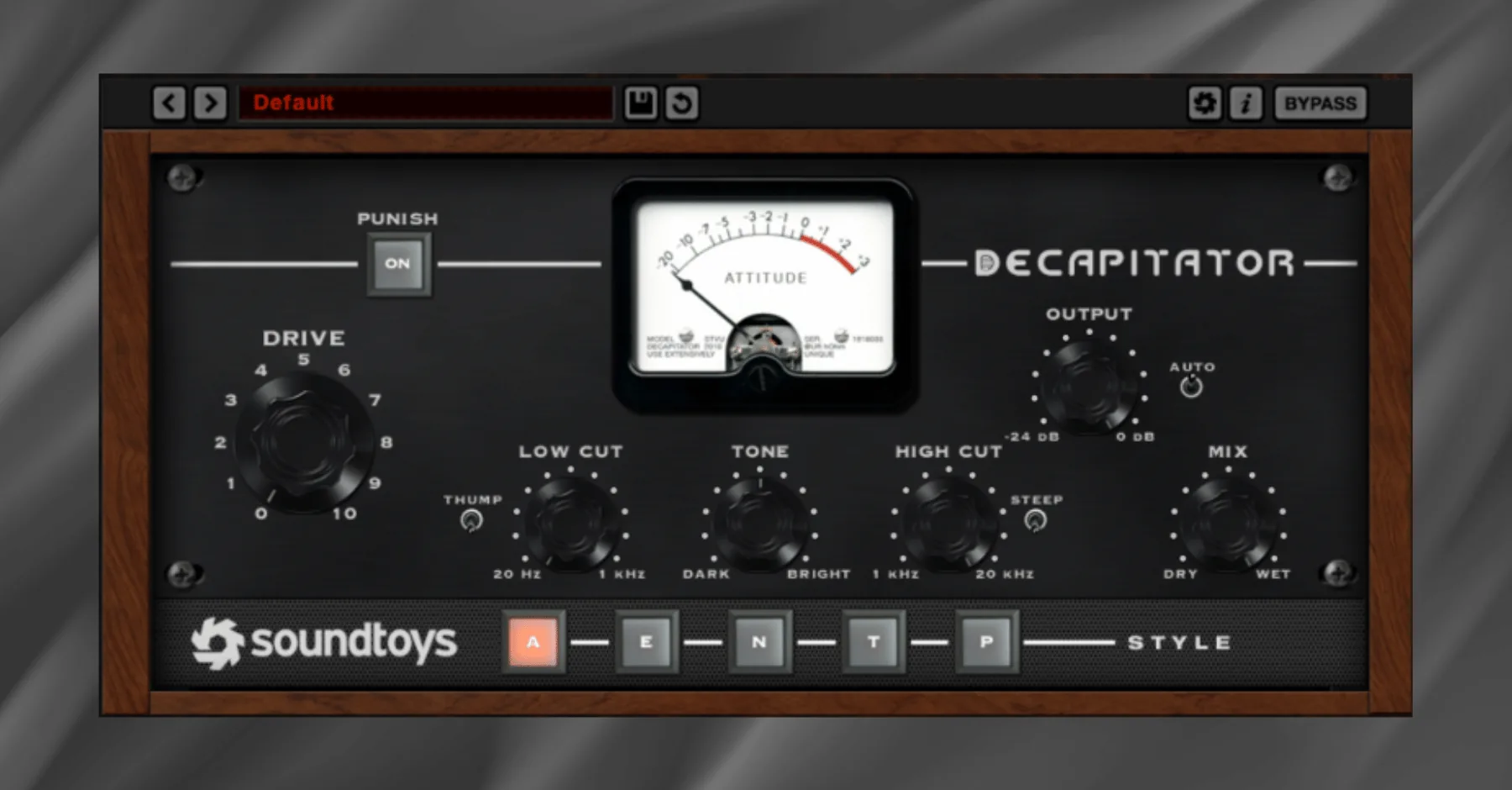
The Decapitator is pretty much the BEST saturation plugin in the game. It can produce a huge variety of analogue-style saturation tones, plus, the fantastic ‘punish’ button allows you to use the saturation knob at an extra 20 DBs.
By the way, Hyperbits Masterclass students can receive the academic Sound Toys discount and get 50% off the entire Sound Toys suite. This is pretty much the most rock-solid plugin deal in the entire industry because you are getting the entire Sound Toys Bundle for roughly the cost of just one Sound Toys plugin.
Real Mix Example: Next time your vocals are falling flat in your mix, don’t reach for an EQ.
Instead, dial in some subtle drive (maybe 3-4), switch the style to the EMI (E) setting, set the mix between 70-80% and listen to your vocal gain new clarity, edge, and brightness as it starts to cut through the mix.
2. FabFilter Saturn
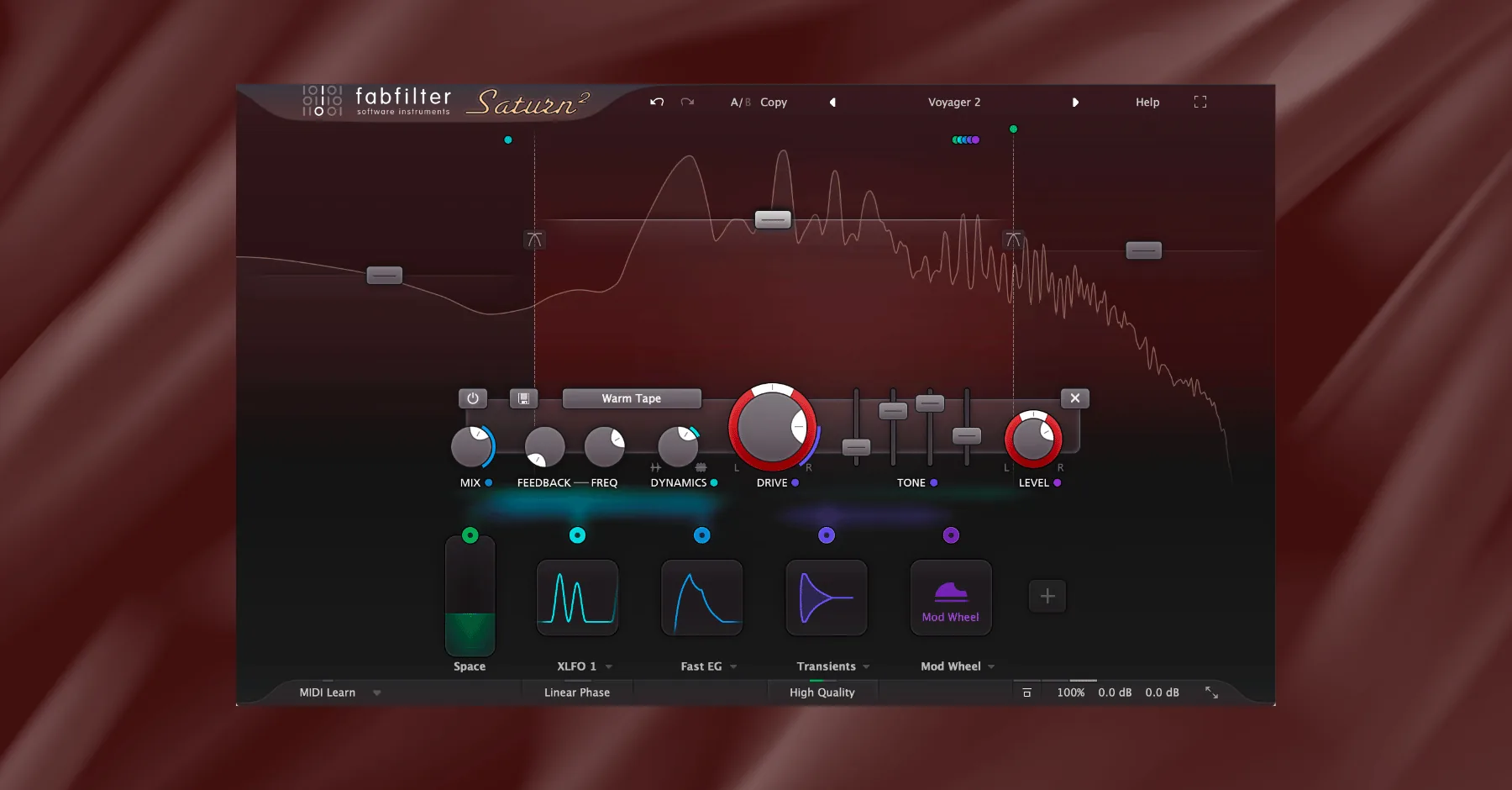
The Saturn has some really powerful presets emulating some crunchy amps and tape saturators. And the fact that it is a multi-band saturator makes it one of the most malleable, tweak-able distortion units out there.
Real Mix Example: Sometimes, a sub can sound great completely clean. Other times, it needs some extra dirt to sit right in a mix. Slap on the Saturn, select the preset ‘Best Of – Back in the Day’, set the mix somewhere between 20-30%.
Tweak the multi-band parameters to taste. Works ninety-percent of the time, every time.
3. Output Thermal
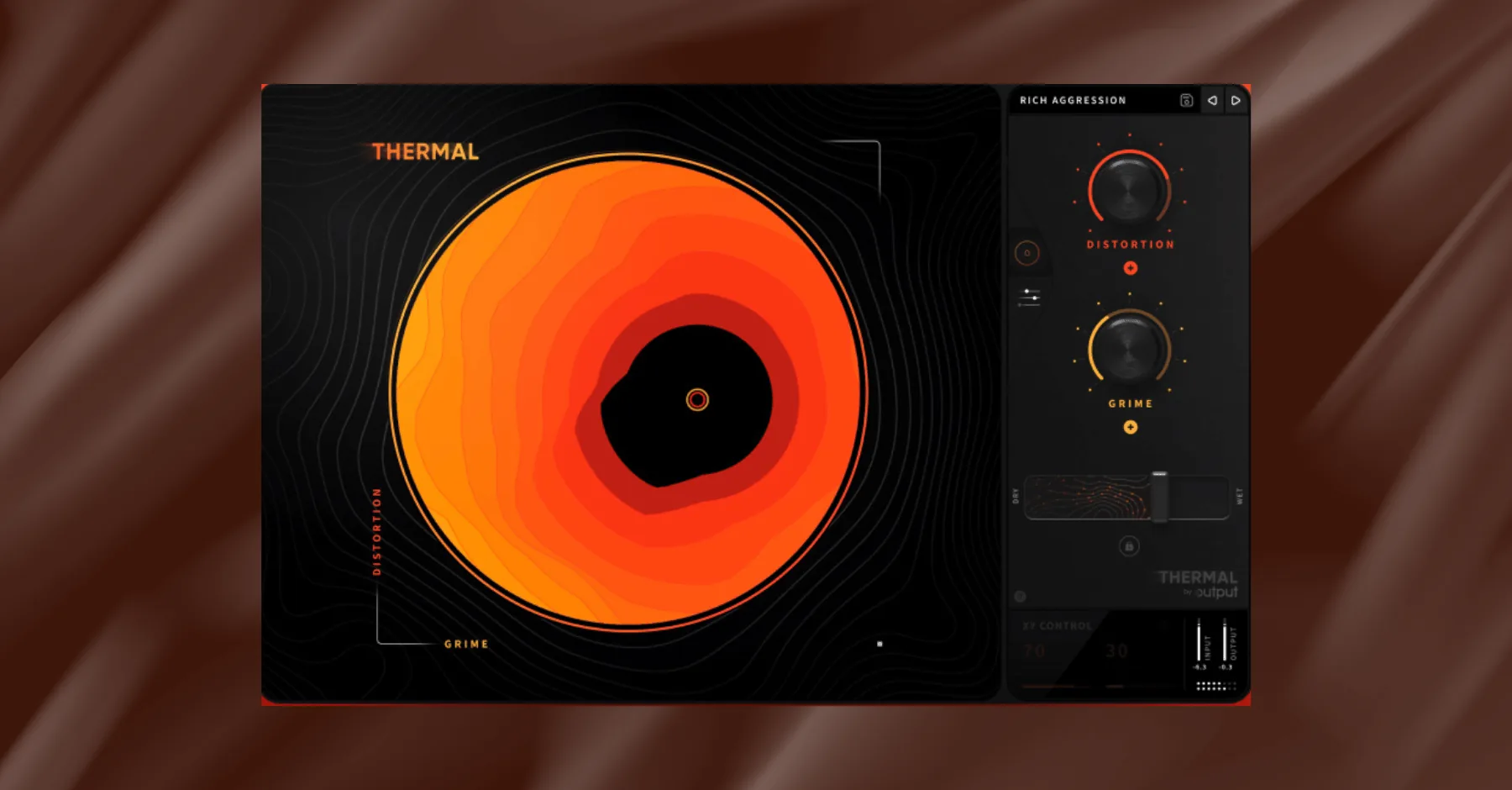
Thermal is the one plugin here that doesn’t behave like the rest. Instead of a fixed box with a drive knob, you get three distortion stages you can reorder, and an XY pad that morphs between them while you drag.
It’s also just fun to mess with, which sounds like a small thing until you remember how much of finishing a track is staying interested long enough to actually finish it.
Real Mix Example: Take a lead that sounds thin, drop Thermal on it, and leave both macro knobs where they land. Now drag the dot slowly around the XY pad while the loop plays. When you hit something you like, stop moving.
That’s the whole workflow. Then open the advanced view and pull the mix back to 20-30% so the original transient stays underneath.
4. Tone Projects Kelvin
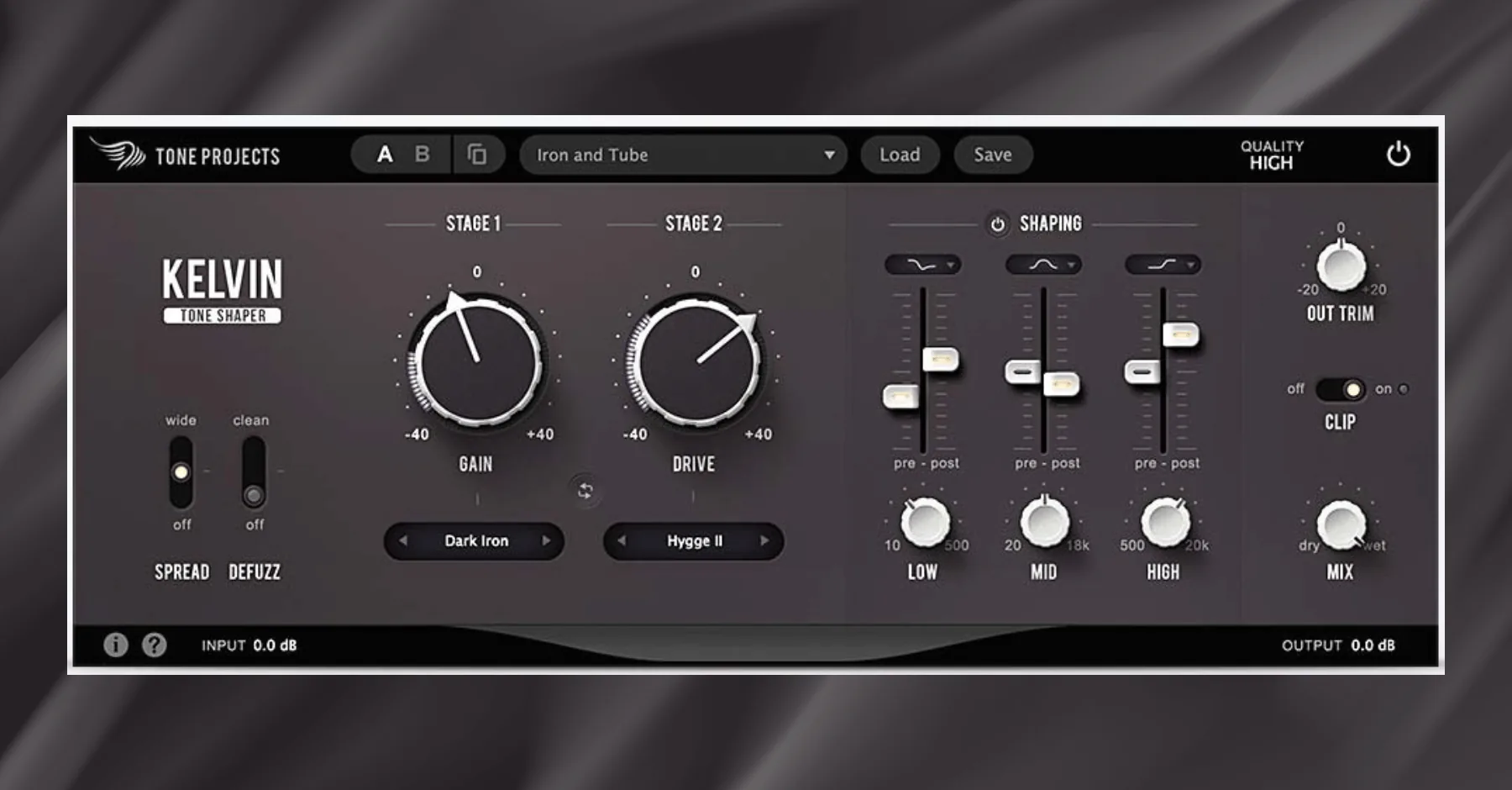
If someone made me keep one saturator and delete everything else, Kelvin makes the final round. Two independent saturation stages, ten circuit models spread across them, and a push/pull EQ sitting in the middle.
That middle EQ matters more than it sounds like it should. Most saturators color whatever you feed them. Kelvin lets you decide what gets fed in the first place.
Real Mix Example: On a Rhodes or piano that sounds too polite, set Stage 1 to a transformer model and Stage 2 to a tube model, both around 20-30% drive.
Then pull the LOW band down a couple dB before the saturation and push the HIGH band up after it. You get the weight without the mud, which normally takes two plugins and a lot more clicking.
5. Newfangled Audio Saturate
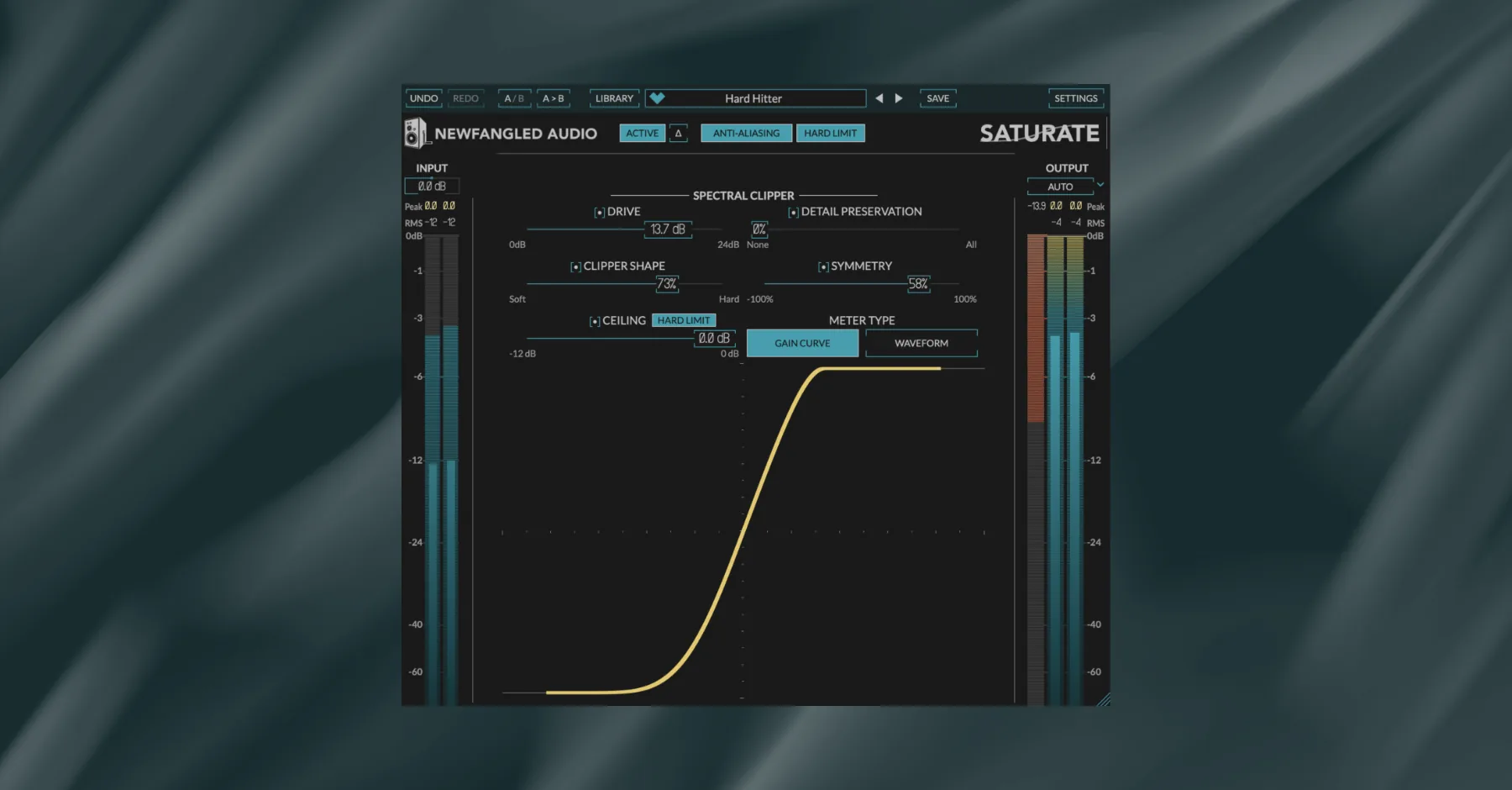
Saturate is the odd one out on this list, and that’s exactly why it’s here. Everything else adds color. Saturate adds level without adding color, which is a much harder problem to solve.
It’s a spectral clipper, so it shaves peaks per frequency band instead of squashing the whole signal at once. You can push 24 dB into it and it still won’t go tubby or muffled the way a normal drive stage would.
Real Mix Example: Put it last on your drum bus, right before the limiter. Turn up DRIVE until you’re seeing 6-8 dB of gain reduction, then park SHAPE somewhere between hard and soft.
Your kick keeps its point, the bus gets louder, and nothing sounds like it went through a pedal. Flip on the anti-aliasing mode if you’re really leaning on it.
6. Klanghelm SDRR
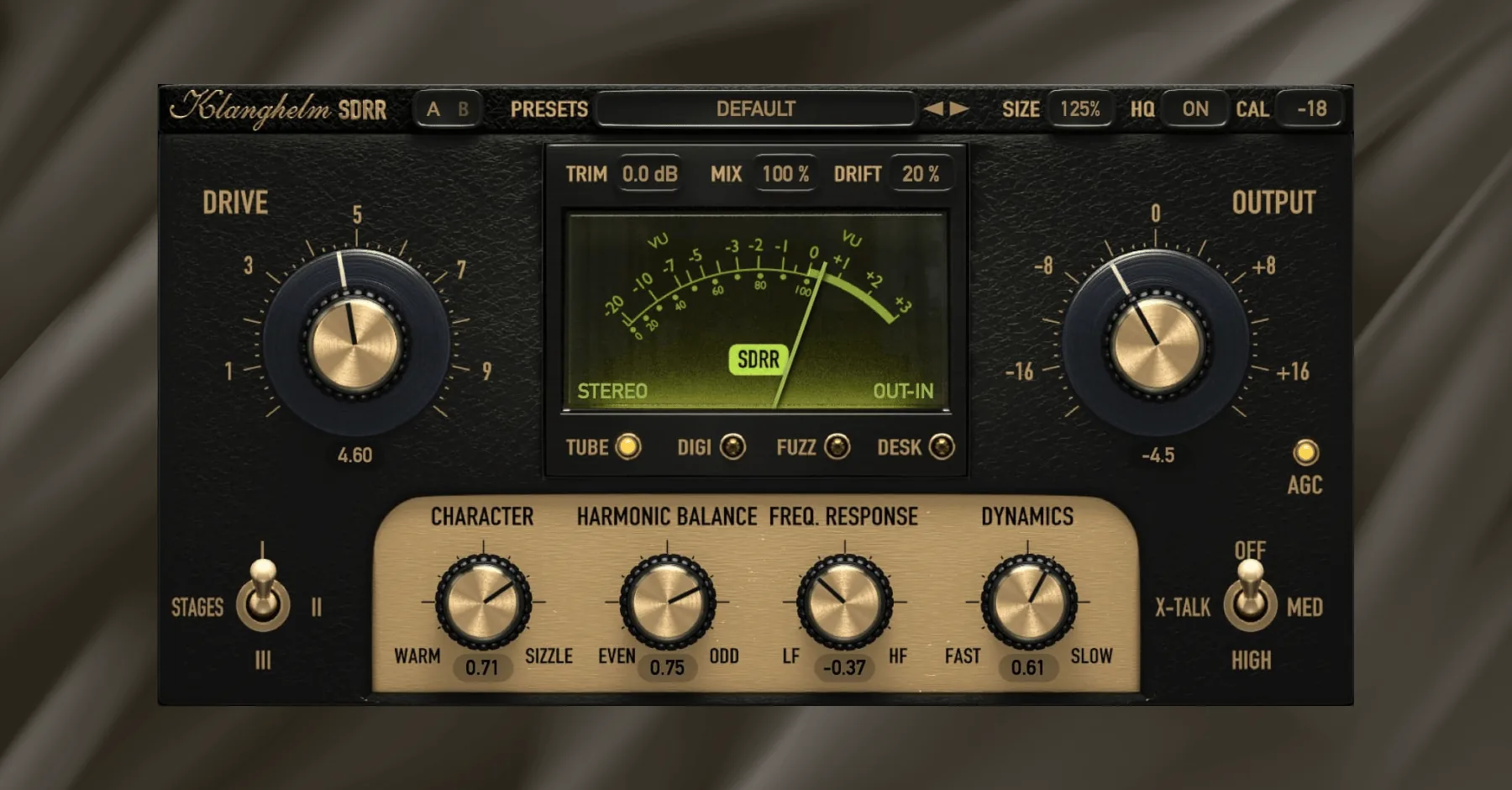
The SDRR is incredibly versatile. Sure, you can saturate your music to add warmth, depth, and character, but you can even add some movement to your saturation with the ridiculously cool and powerful DRIFT control.
Real Mix Example: On your drum bus, or main loop, select the ‘DR – Bringing Out The Room’ preset, turn up the Character setting to about 40% (still more warm than sizzle), and turn the Drift knob up to 75-80%. Amazing subtle saturation with added movement, or as Klanghelm calls it, liveliness.
7. Sound Toys Radiator
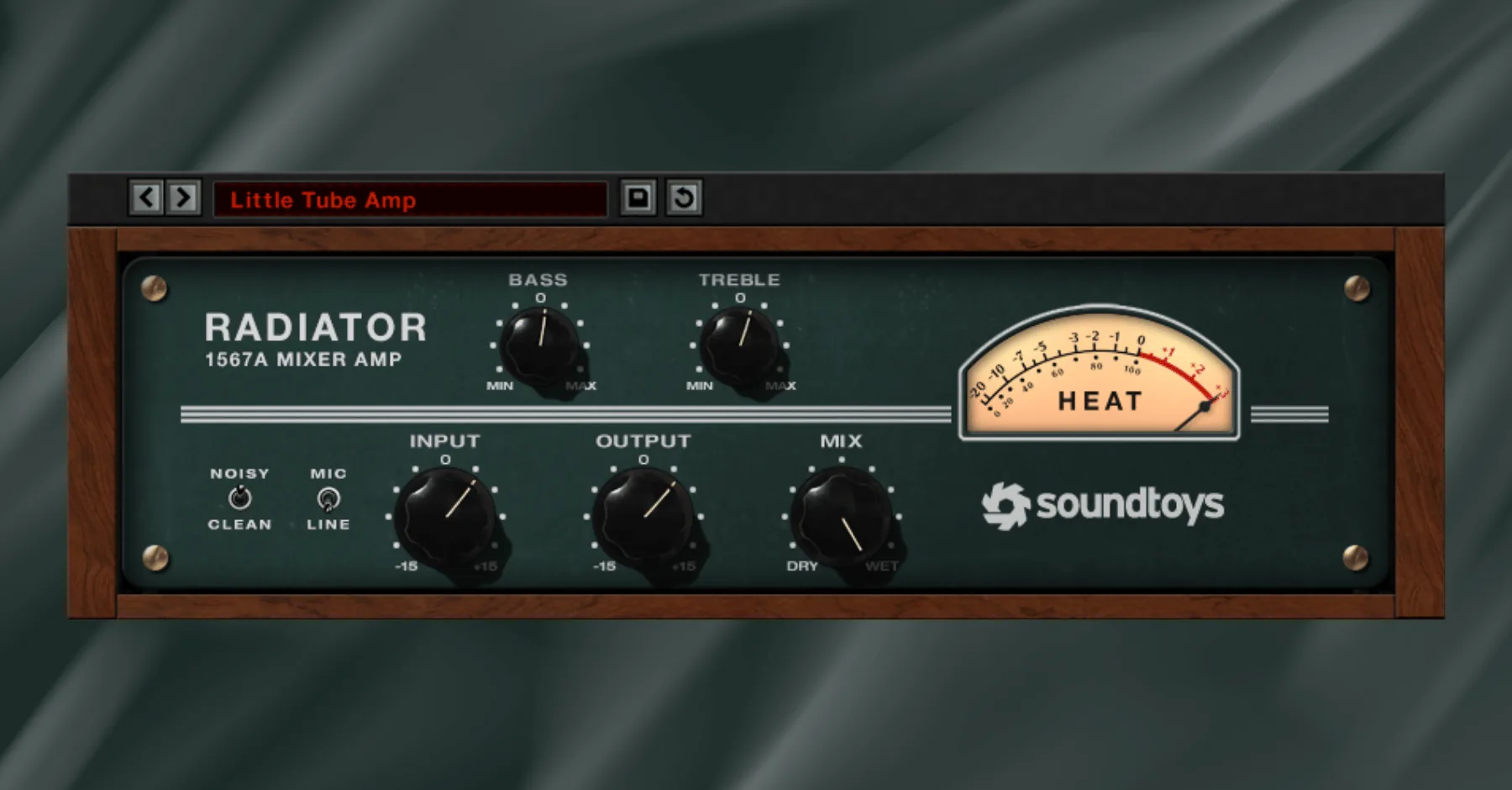
The reason the Radiator exists, its sole purpose on earth, is for you to TURN UP THE HEAT. I’m not even joking.
Everyone is striving for analogue warmth in their digital productions, and this might be the ultimate ticket. Turn up that input gain and listen as your production comes to life.
Real Mix Example: With another simplistic interface, don’t over-think this plugin. Try dialing in small amounts of input gain on any of your groups.
For a drum bus, try turning down the treble 1 notch, while dialing the input 2 notches. Turn down the mix if needed, this usually groups my drums very nicely.
8. Waves Abbey Road Saturator
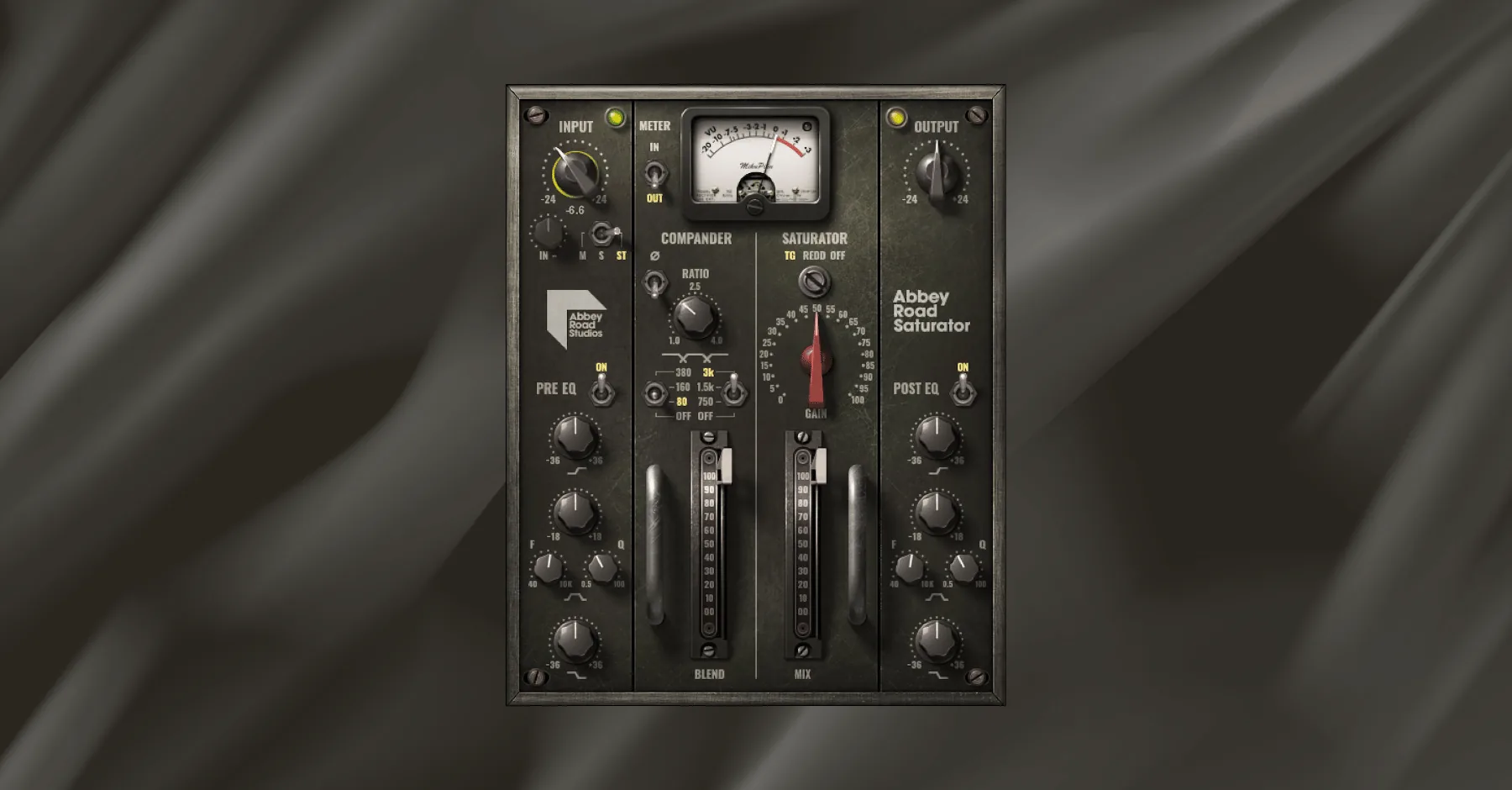
The Abbey Road Saturator models the saturation stage of the EMI TG12345, the desk Abbey Road built in-house and ran a serious chunk of the seventies through. You get a compander and a saturator sitting side by side, with pre and post EQ around them.
It’s a rounder, warmer flavor than most of the digital-first options on this list. Less teeth, more weight.
Real Mix Example: On a vocal that sounds thin but that you don’t want to obviously distort, engage just the saturator side, keep the drive low, and set the blend around 40%. Then nudge the post EQ high band up slightly.
The vocal thickens without anyone hearing the saturation as an effect, which is almost always what you want on a lead.
9. iZotope Trash
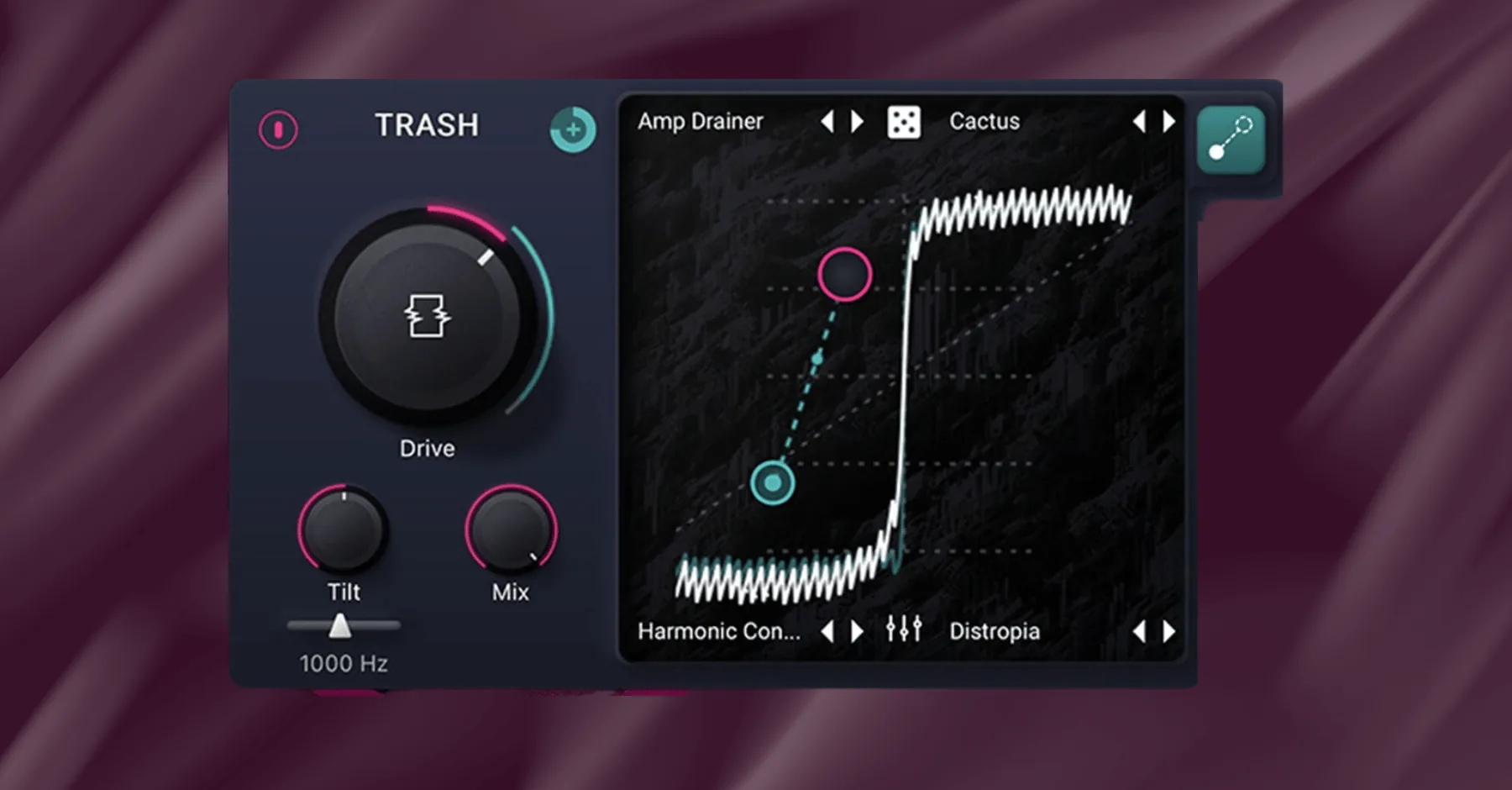
I think the key word here is: versatile.
Heads up that iZotope pulled Trash 2 in 2022 and shipped a ground-up rebuild simply called Trash. Different plugin, same spirit, and it’s the one you can actually buy now.
Housing tons of drive algorithms, pre/post filters, custom wave shaping, and visualization. On top of that, the dry-wet knob gives you ultimate control, no matter how far you push your sounds.
Real Mix Example: Ever throw some drum fills into your mix and find they just sound dead, dull and boring? Send all of your fills to a bus and apply the Trash.
Select ‘Drive – Smooth Overtones’ and turn up the drive knob liberally, up to 50%, and then turn down the mix knob to taste (I usually end up between 5-15%).
Those dull fills should sound pretty awake and alive at this point.
10. OHM Force Ohmicide
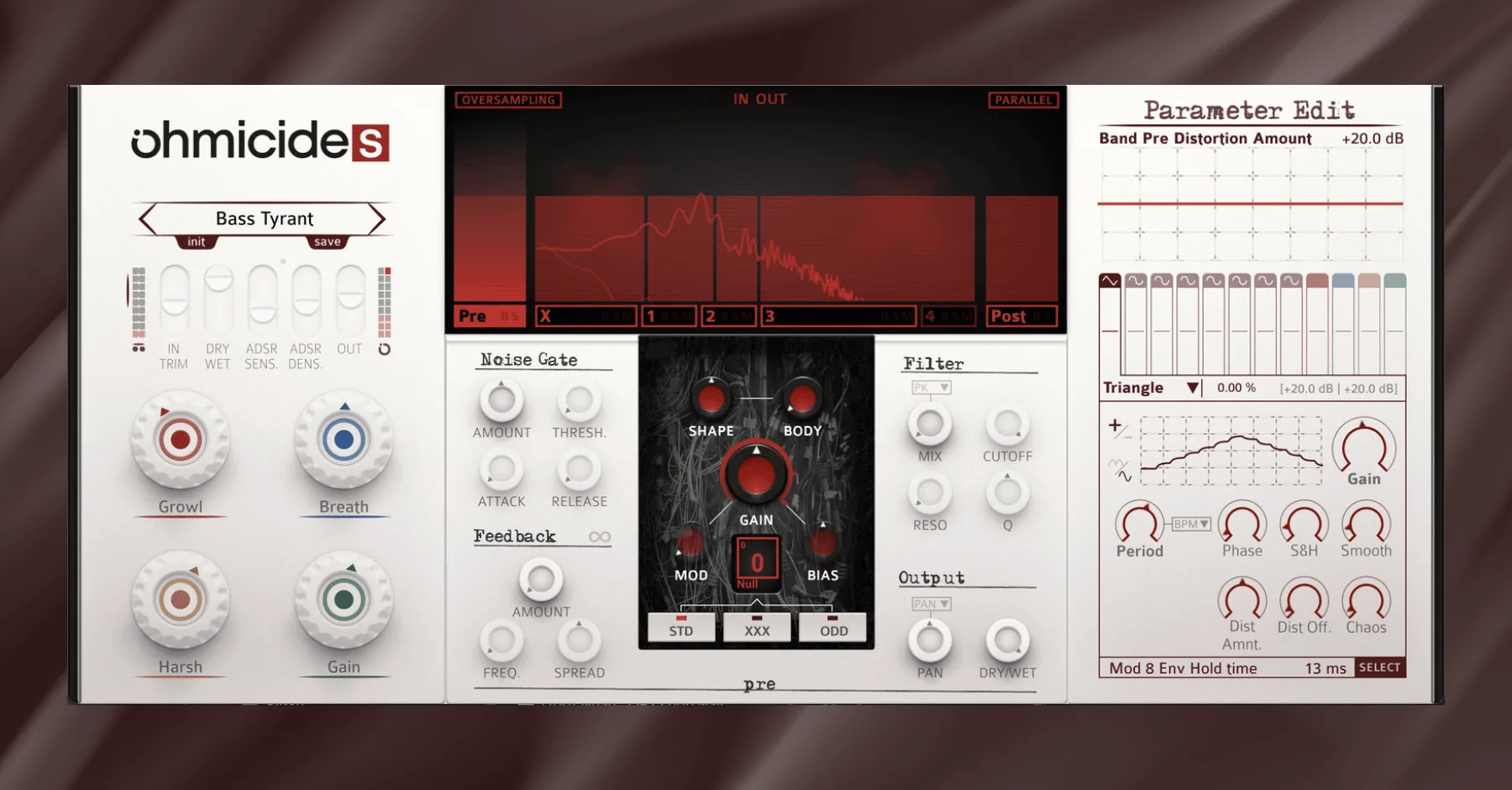
Potentially the most powerful distortion on this list, look no further if you are going for a wow factor in terms of sheer color, depth and weight.
Worth knowing: Ohm Force retired the original after almost twenty years and rebuilt it as Ohmicide[S], which is what you’ll find on their site today.
Real Mix Example: If you are looking to make a trance 2.0 bass, something distorted and appropriate for Anjunabeats or Enhanced, apply the Ohmicide and select the Bass #4 preset.
Tweak the bands until they match a reference track both in color and energy.
11. D16 Redoptor
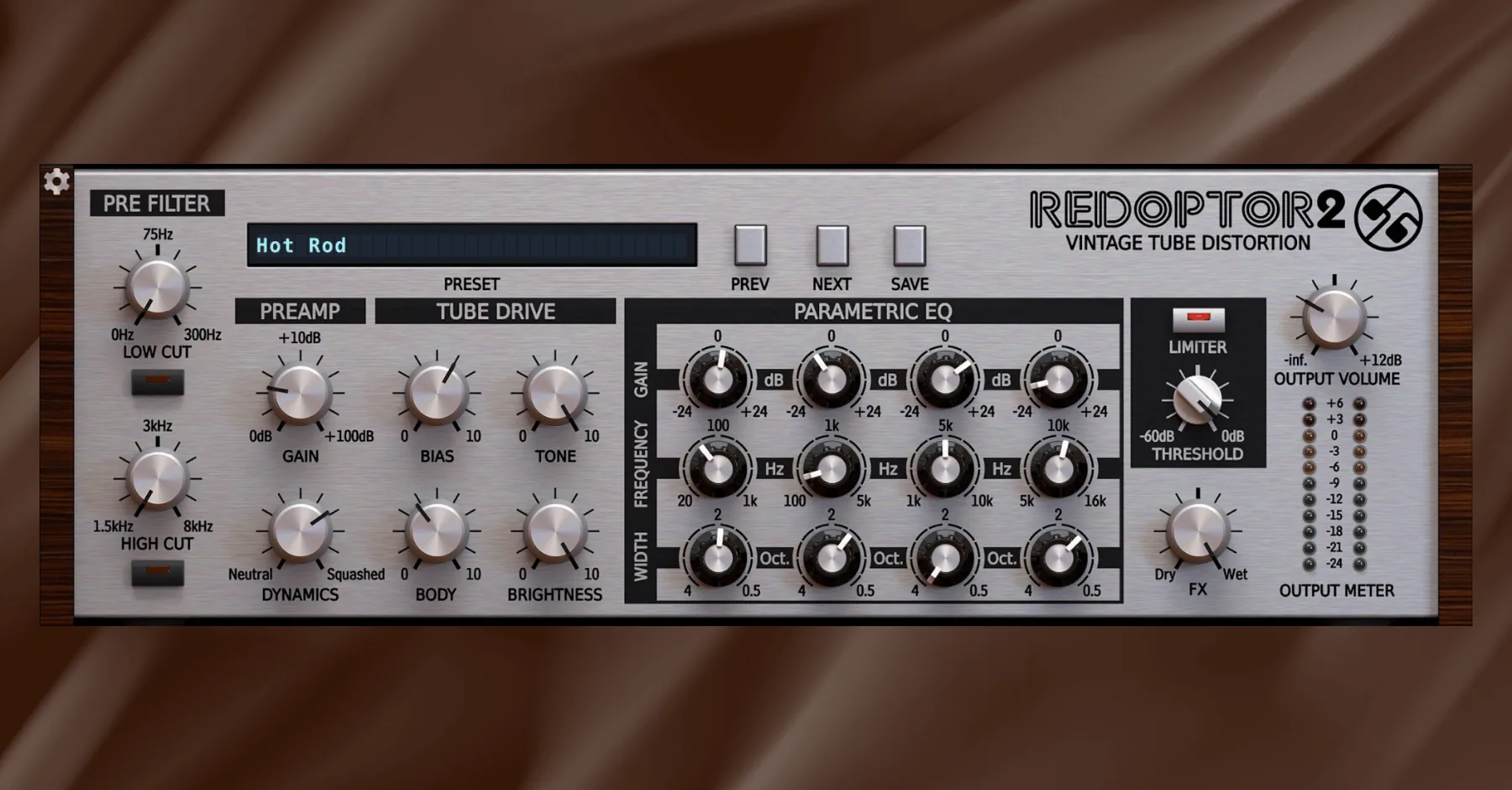
The Redoptor is potentially the most underrated plugin on this list. It’s got a very specific fuzziness to it that I absolutely love.
Real Mix Example: Most of us don’t sing well enough to add our own vocals into a song.
However, if you happen to write a cool ambient melody, try recording your voice 3 times (keep one take in the middle, pan one hard left, pan one hard right), and apply the Redoptor on the group with plenty of reverb.
No guarantees, but what you might be left with is a beautiful, almost British and worldly sounding vocal.
12. Plugin Alliance Noveltech Character
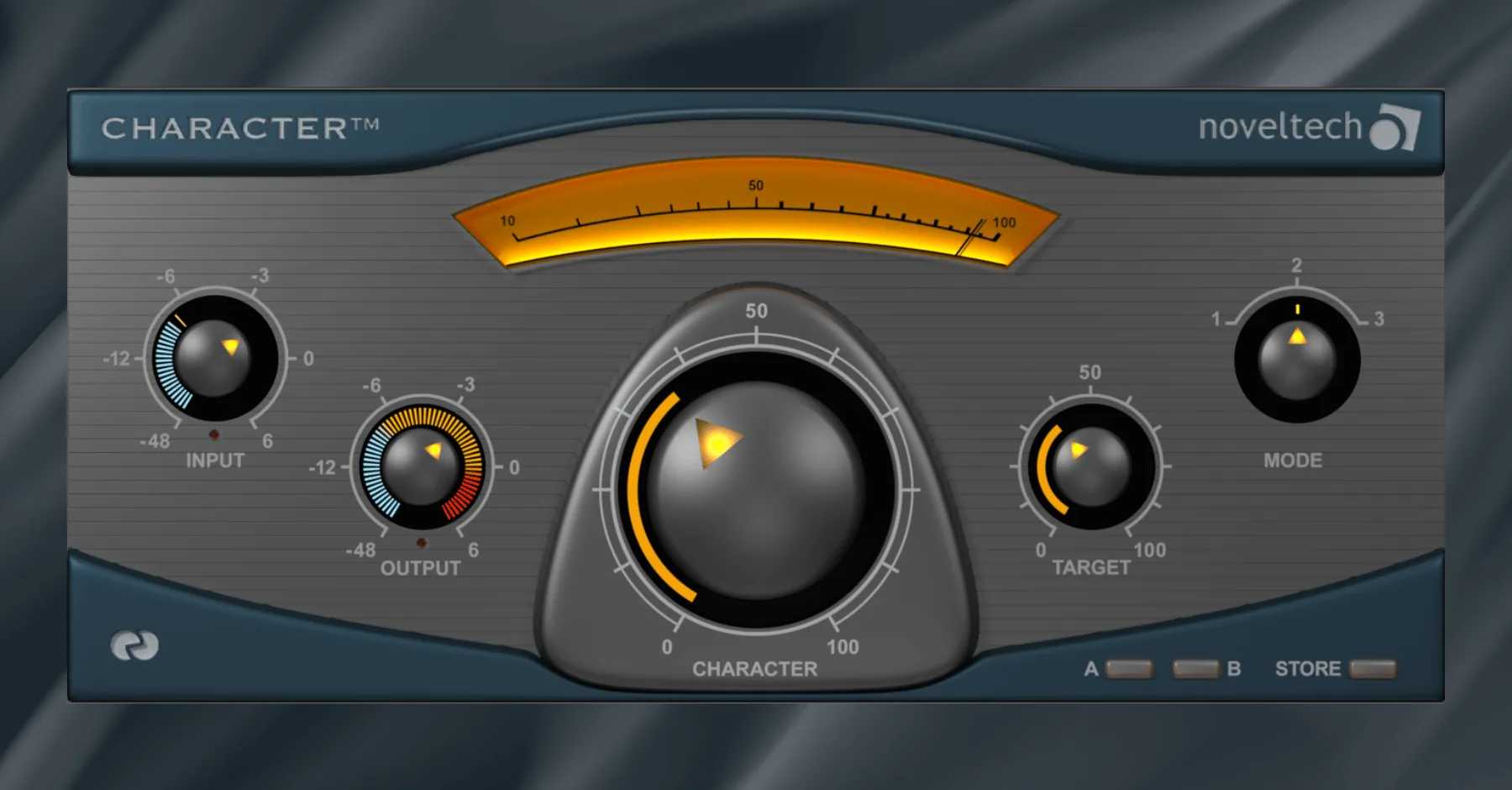
So this plugin isn’t JUST a saturator, but man is it beautiful. Apply liberally to anything and everything.
Bonus: try the Noveltech Vocal Enhancer for a slightly brighter more vocal-ready color!
Real Mix Example: Pick ONE element in your mix that needs some attention. It can be anything, vocals, percussion, a lead synth, even a bus or group, throw on the Noveltech Character and turn up the character knob.
Or, play around with the super powerful presets. Don’t over think this plugin btw, if it sounds great, use it.
13. Waves J37 Tape
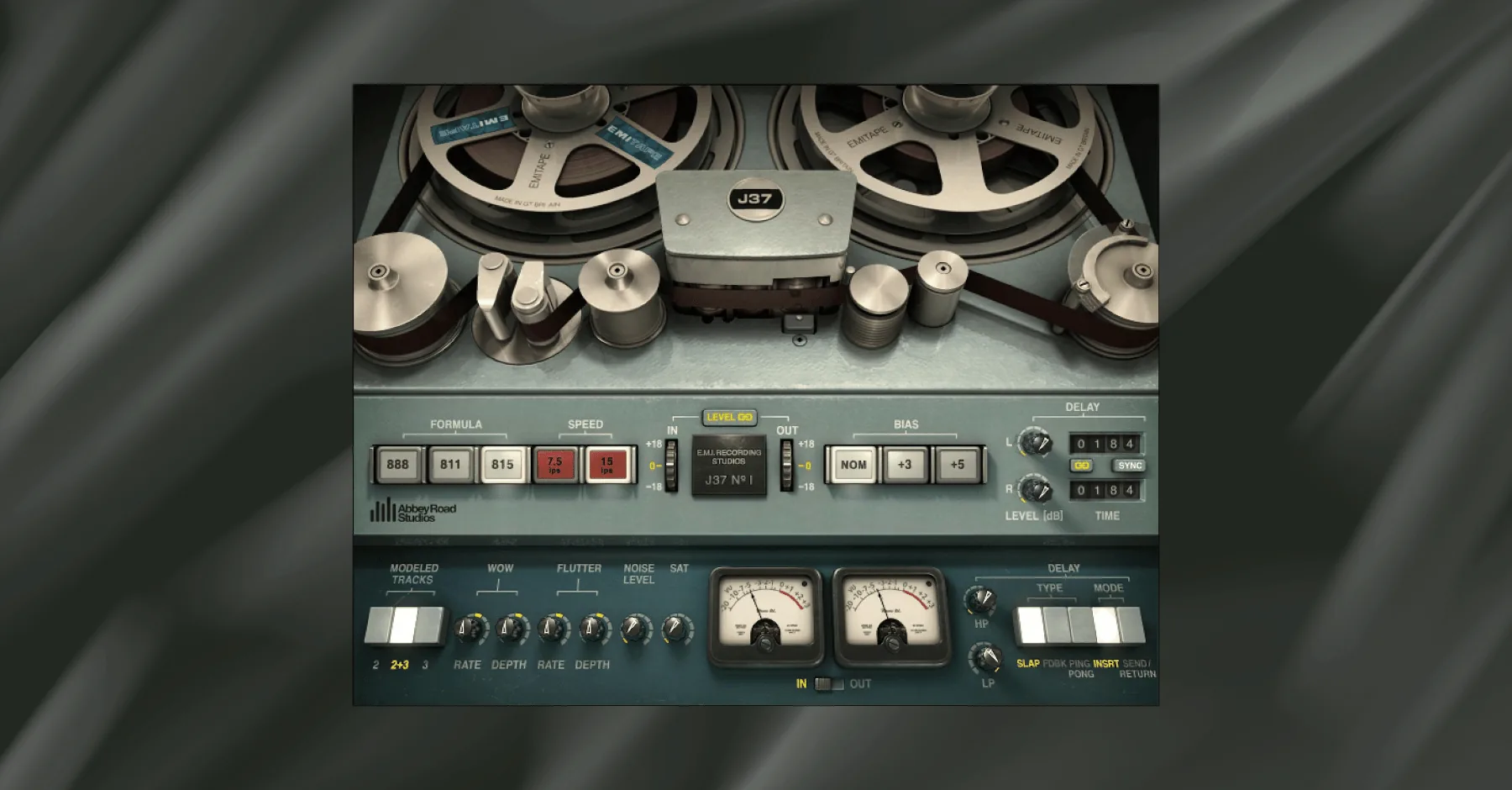
Every list needs one proper tape machine, and the J37 is mine. It’s modeled on the four-track Abbey Road ran most of the late Beatles records through, and it behaves like tape instead of like a plugin doing an impression of tape.
Three tape formulas, switchable speed, wow and flutter, and a bias control that changes how the saturation breaks up. Push the level and it compresses and rolls the top off the way the real thing does.
Real Mix Example: Put it across your mix bus and set the speed to 15 ips for a bit more low-end weight. Push the record level until the meter sits just past zero on the loudest section of the track.
Then leave everything else alone. The point isn’t to hear tape. It’s to hear your mix stop sounding brittle.
14. PSP Vintage Warmer 2
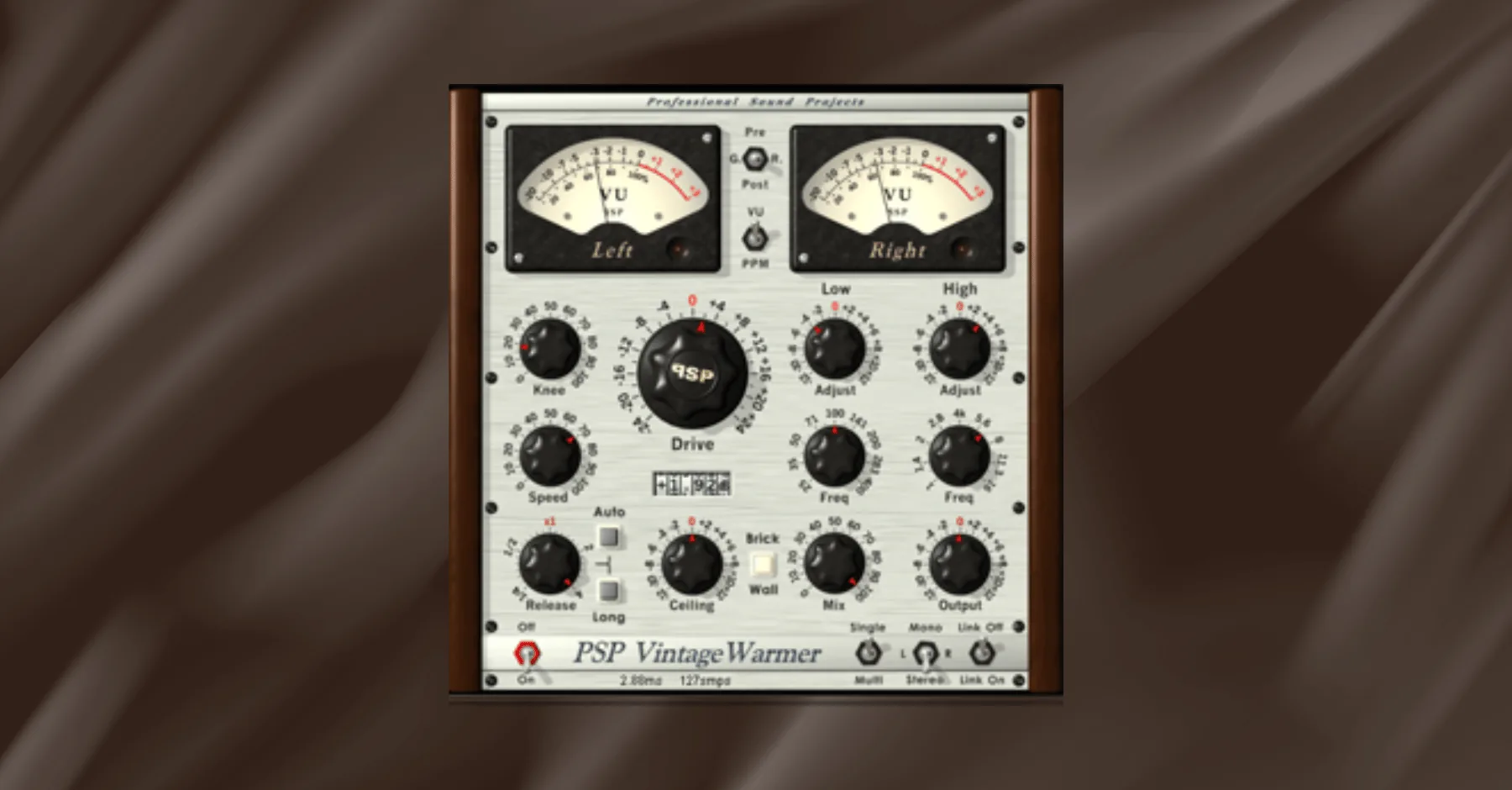
If you’re like me, the Vintage Warmer most likely has fallen into the ‘I own it, I use it, but have no idea what I am doing with it’ category at some point. While there are some great videos that might help you wrap your head around it, at the end of the day, this plugin is great for subtle drive and weight on a master or group channel.
Real Mix Example: Don’t even bother with the presets on this one, just add a few DBs of ‘Drive’ to the master or a bus. Will give surprising amounts of character and beef to pretty much any layer.
15. SPL Twin Tube
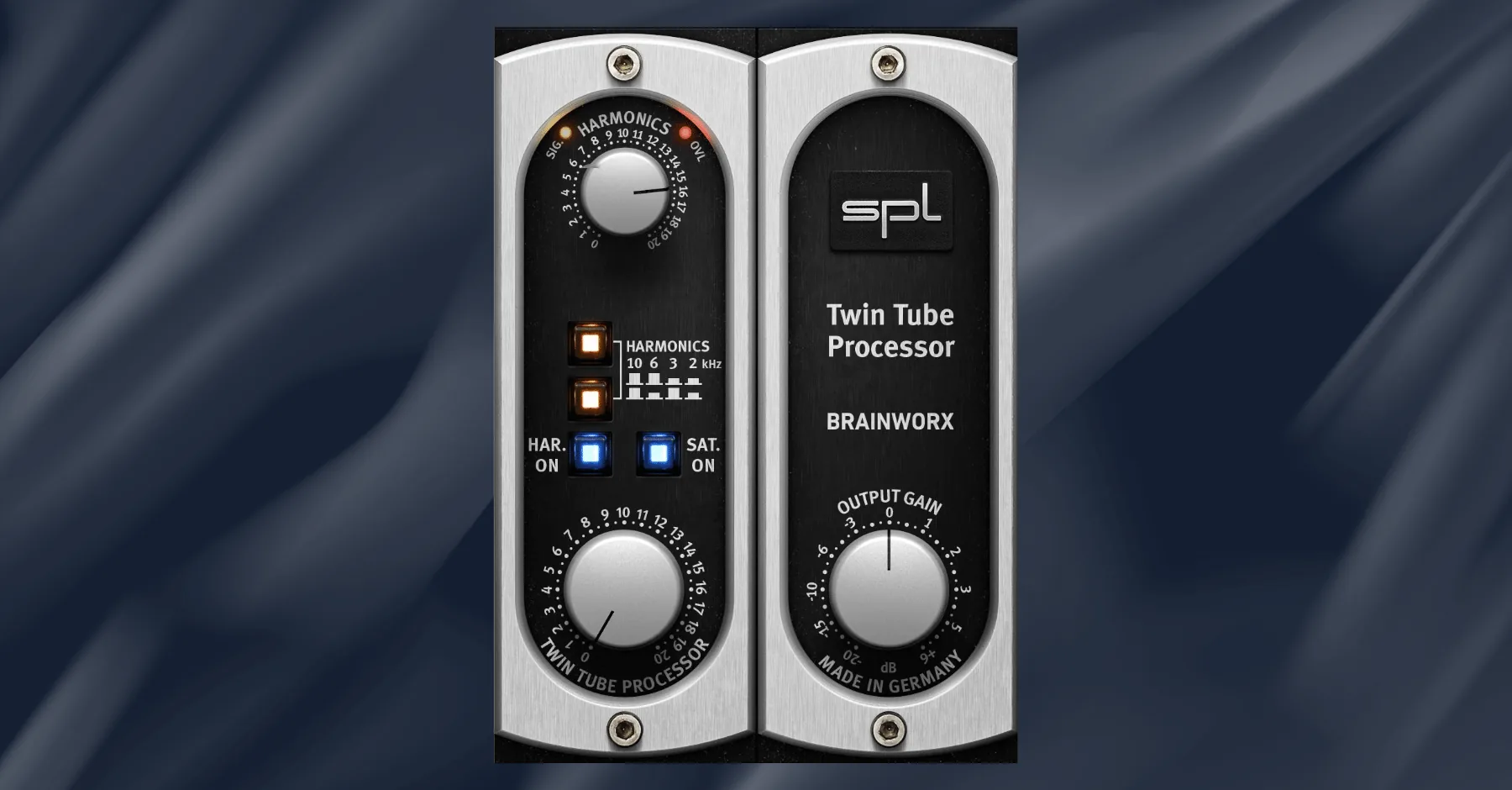
What makes the Twin Tube unique is the dual knobs, one for Saturation and one for Harmonic overtones.
Use these two together in small amounts, and you have a very versatile plugin.
Real Mix Example: Next time your track is suffering from some inherent dullness, try adding some ‘air’ by applying harmonic distortion via the Twin Tube. Apply to your pad/string group and listen to your production start to sizzle.
16. UAD Moog Multimode Filter
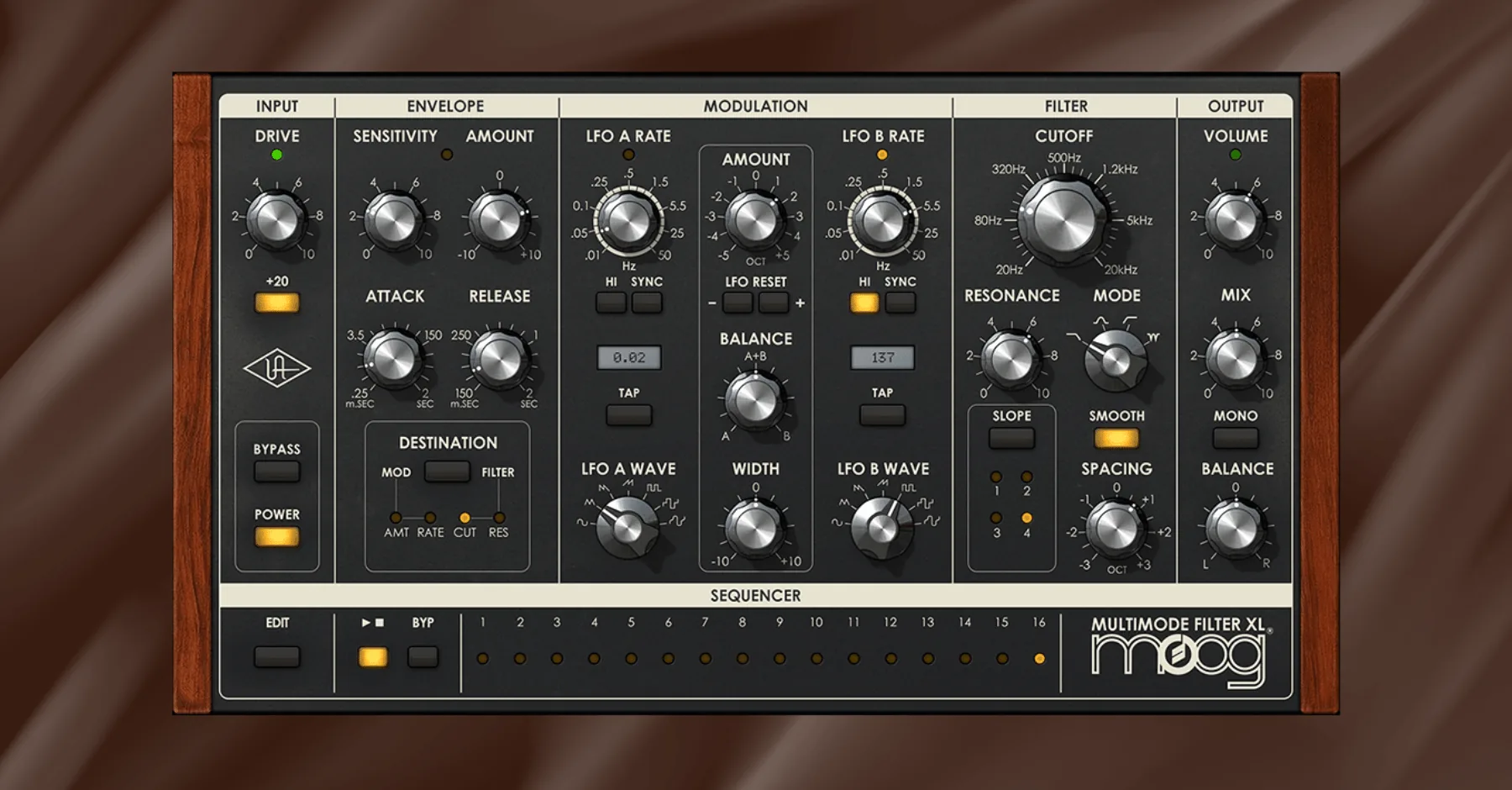
If you are lucky enough to hear the Moog Multimode Filter in action, you’ll understand why it’s so special. It just sounds so damn expensive. Maybe that’s because it emulates the classic hardware Minimoog almost perfectly.
Real Mix Example: Liberally open the cutoff slightly over the course of a build or break, I’ve yet to come across a plugin that sounds quite as nice.
17. Fielding DSP Reviver
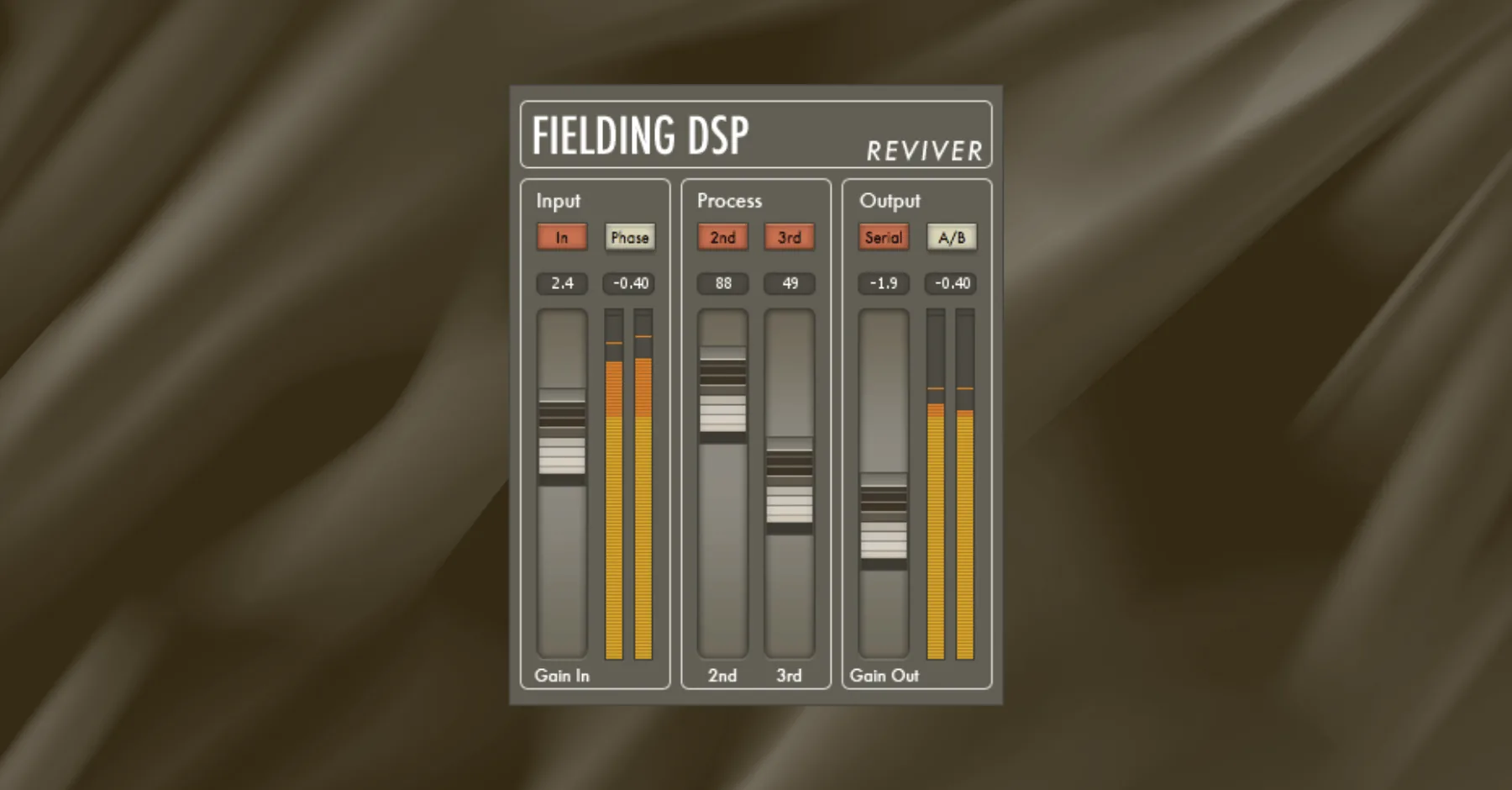
I discovered the Reviver when one of my Masterclass students suggested this as an alternative to the famous Oxford Inflator.
Most of the plugins on this list emulate some sort of analogue gear, the Reviver doesn’t do that, and doesn’t claim to.
The entire point of the Reviver is to retain a very clear, un-smashed signal when pushing, saturating.
Real Mix Example: Turn up band #3, the ultimate ‘3rd Order Harmonics’, also referred to as added ‘punch’ or ‘detail’ in a mix. Apply on a drum bus for ultimate punchiness.
18. Dada Life Sausage Fattener
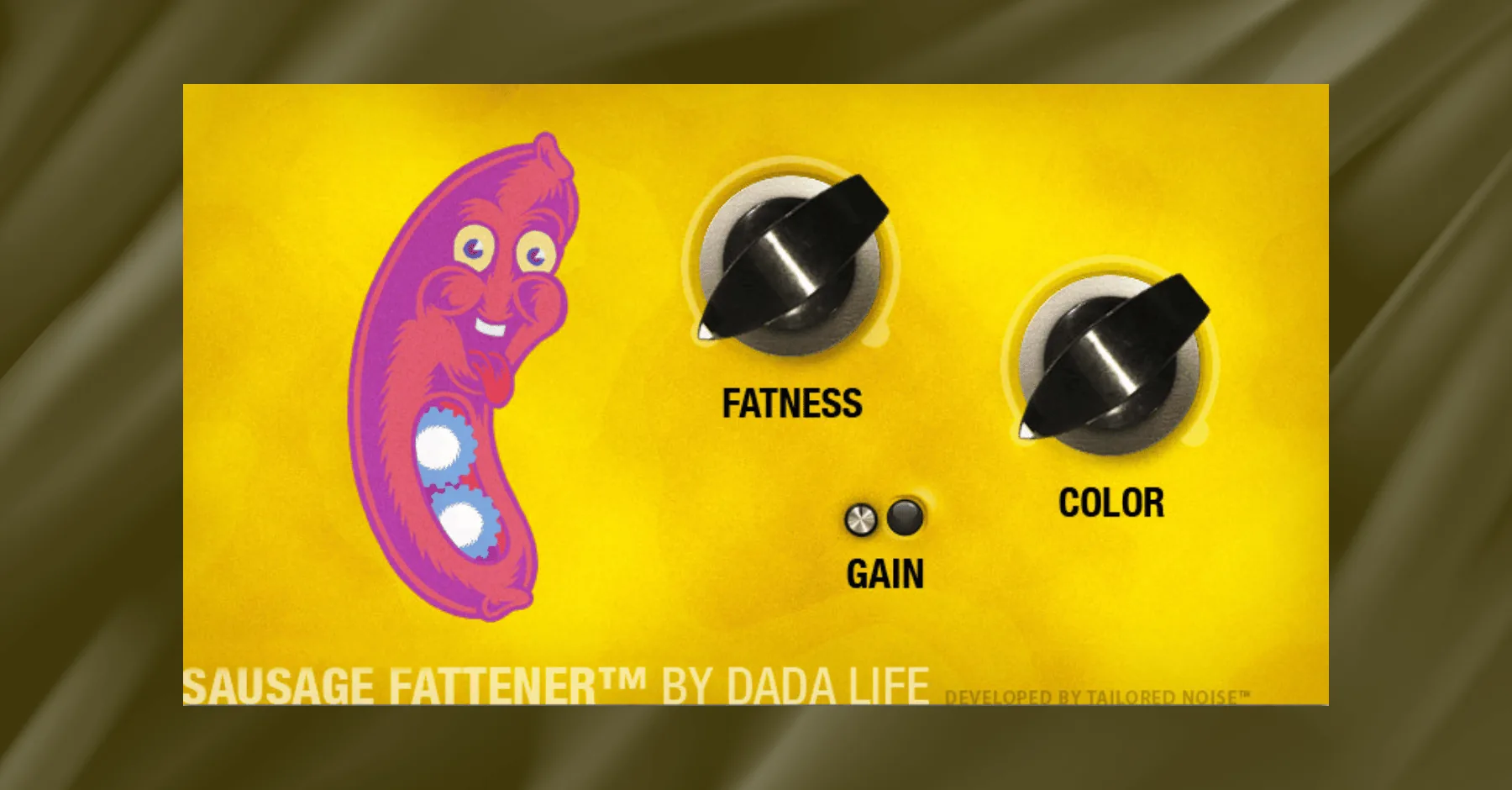
The Sausage Fattener is actually part saturator, part compressor, part limiter.
But regardless, stop cranking the fatness knob too far. It can be very useful to thicken up a sound and squash it just right when used it in subtle amounts!
That said, this plugin really is fantastic, and super affordable. There are much better, less metallic distortion and fattener plugins out there, but at this price, it can’t be beat.
Real Mix Example: If you are looking for some extra loudness in your overall mix, slap the sausage on your master, and don’t touch it again.
I know this sounds crazy but…no drive, no color, nothing.
Just insert it on your master channel before the limiter and leave it alone. This breaks a lot of production ‘rules’ but can add some extra edge and loudness to your mix.
19. Softube Saturation Knob
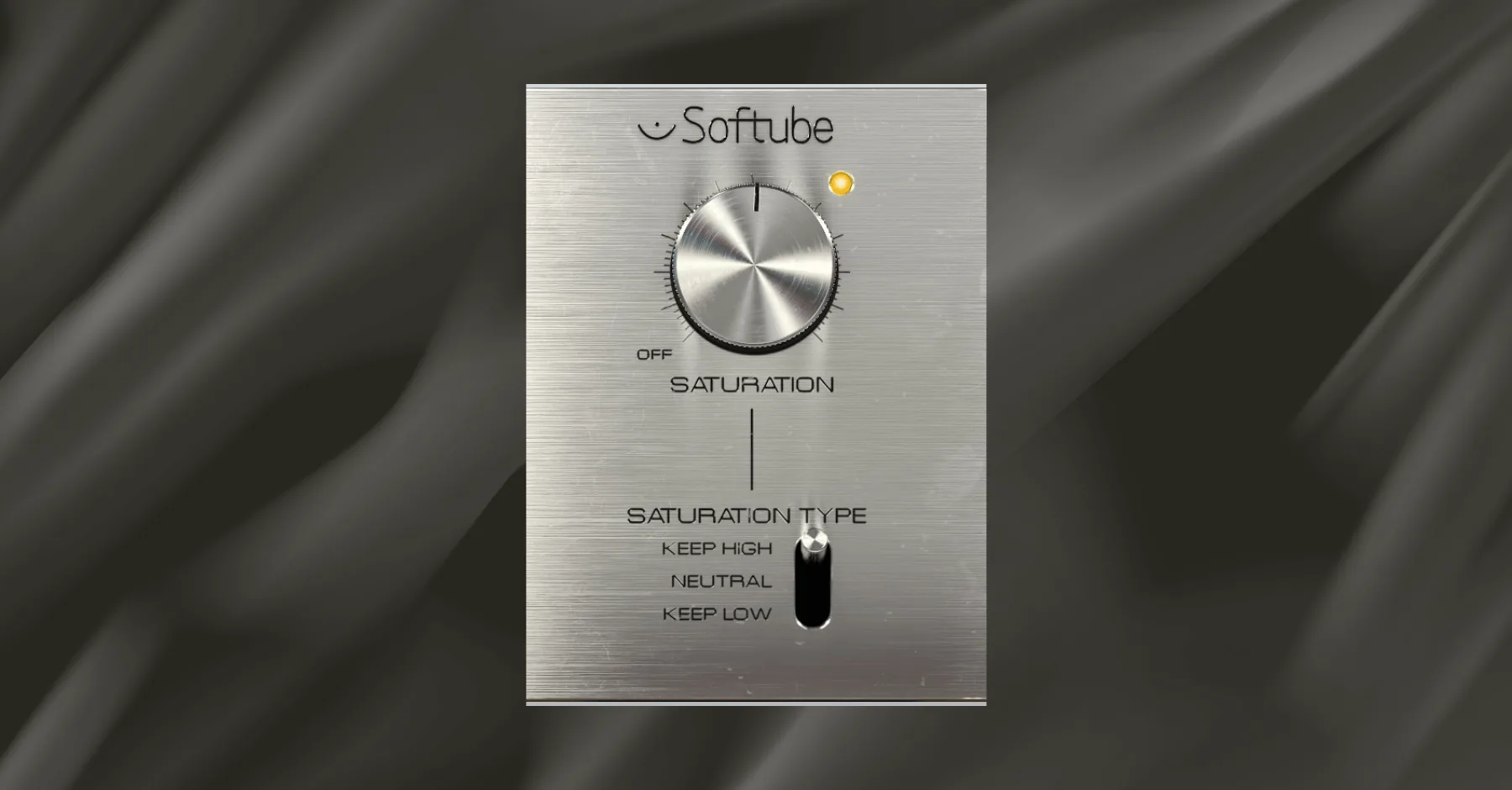
A freebie, but this thing is great. The Saturation Knob is an extremely powerful one-knob saturation tool and a great alternative to the Sausage Fattener or even the Decapitator for those on a budget.
Real Mix Example: Try this baby on lead sounds, synths, guitars, saxophones, vocals, whatever. Switch the Saturation type to ‘Keep High’ and dial in the saturation knob to 30-40%. Honestly, this plugin sounds way too good to be free.
20. Chow Tape Model
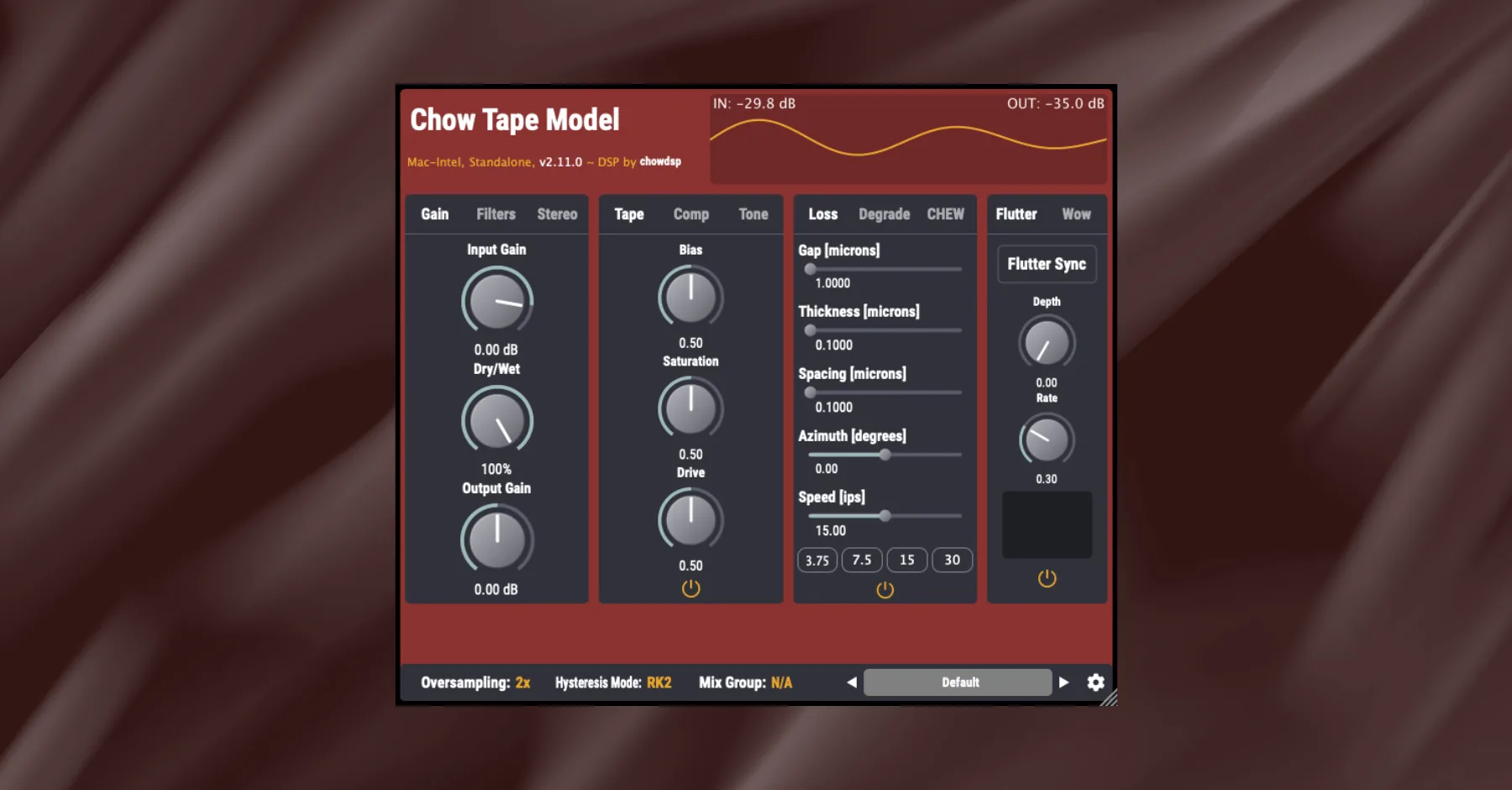
Chow Tape Model is free, open source, and better than plenty of tape plugins people pay real money for. It started life as a Stanford class project modeling a Sony TC-260 and has been quietly maintained ever since.
Because it’s a physical model rather than a stack of curves, the controls behave like an actual machine. Bias, saturation, drive, tape speed, wow and flutter. Push the bias somewhere silly and it falls apart exactly the way real tape falls apart.
Real Mix Example: Drop it on a loop that feels too static and turn the Flutter depth up a little, around 0.3, with the rate kept low. Then add a touch of Saturation, maybe 0.5.
The tiny pitch instability is what sells it. Your loop stops sounding perfectly gridded and you never had to touch a single note.
Dig In and Start Saturating
And there you have it, 20 saturation plugins for electronic music, and some specific examples as to how to apply them.
Saturation is defined as ‘additional harmonic frequencies’, so it is quite versatile.
Pro Tip: Don’t just load a saturator and turn up the drive. Start at 5, 15% wet mix and listen. Most saturation sounds best when it’s subtle, adding presence without obvious coloration.
If you’d rather see this stuff in action than read about it, here’s the two minute version.
Heads up: some of the links below are affiliate links. If you buy through one, we earn a small cut (costs you nothing extra). But we'd point you at this exact gear whether we made a dime or not.