Jump to a section37
- Quick Picks
- How I Picked These
- Pick a Mic Based on What You Already Have
- Before You Buy: Your Room and Your Interface
- Dynamic, Condenser or Ribbon?
- Dynamic Microphones
- Condenser Microphones
- Ribbon Microphones
- No Interface Needed: Phone and USB Mics
- 1Your Phone
- 2Rode NT-USB+
- 3Shure MV7+
- Your First XLR Mic, Under $300
- 4Shure SM58
- 5Audio-Technica AT2020
- 6Rode NT1 5th Generation
- The Serious Home Studio, $400 to $1,000
- 7Shure SM7B
- 8Shure SM7dB
- 9Warm Audio WA-87 R2
- 10Neumann TLM 102
- Pro and Dream Mics, Over $1,000
- 11Neumann TLM 103
- 12Mojave MA-200
- 13Manley Reference Cardioid
- 14Telefunken U47
- 15Sony C-800G
- Accessories Worth Buying With Your Mic
- Pop Filter
- Microphone Cables
- Portable Vocal Booth
- Mic Stand
- Shock Mount
- Inline Booster
- All 15 Side by Side
- Frequently Asked Questions
- The Mic You’ll Grow Into
The mic is the first thing your voice hits, and every plugin after it is working with whatever it caught. Recording your own vocals is also one of the best ways to find your sound, because nobody else can download your voice.
If you record vocals at home, start with the Shure SM7B, at about $439. If your audio interface has weak preamps, get the SM7dB instead. It’s the same mic with a booster built in, for about $549. And if you don’t have an interface at all, the Rode NT-USB+ plugs straight into a laptop for about $179.
My first mic was a Sterling Audio condenser, an ST66 if I remember right. These days I record vocals on an SM7B, and I love it. As an all-purpose mic, a dynamic is just easier to work with than a condenser, and the SM7B is flexible enough to do almost anything.
Most people don’t realize how much the best vocal microphone for you depends on two things you already own: your audio interface and your room. Those matter more than your budget, so the picks below are grouped by setup, starting with nothing at all.
Quick Picks
Click any mic to jump to it.
| Mic | Best for | Why |
|---|---|---|
| Your phone | Ideas on the go | Free, and already in your pocket |
| Rode NT-USB+ | No interface | A studio condenser that plugs in over USB-C |
| Shure MV7+ | USB now, XLR later | A dynamic with both connections |
| Shure SM58 | Noisy rooms | Hears far less of the room than a condenser |
| Audio-Technica AT2020 | Cheapest condenser | A real studio condenser for about $119 |
| Shure SM7B | Best overall | Handles nearly any genre, even in an untreated room |
| Shure SM7dB | Weak preamps | The SM7B with a booster inside |
| Neumann TLM 103 | Pro vocals | Quieter than the 102, and tuned to push vocals forward |
| Telefunken U47 | Dream mic | The classic U47, rebuilt down to the parts inside |
How I Picked These
I picked these based on a mix of what I’ve used myself, what my producer friends record with, a lot of public reviews, and a whole hell of a lot of research. Every mic is still being made, so you can actually buy it new.
Prices come from the maker or a big US store. They move around a lot, especially on the expensive stuff.
Pick a Mic Based on What You Already Have
Find the setup that sounds like yours and start there.
- No audio interface yet. Plug in over USB. Rode NT-USB+ for a quiet room, Shure MV7+ for a noisy one. The MV7+ also has an XLR jack for when you do buy an interface.
- An interface, and a room that isn’t treated. Start with a dynamic, which hears less of the room. Shure SM58, then the SM7B when you’re ready.
- An interface with weak or noisy preamps. Skip the SM7B, which needs a lot of gain, and get the SM7dB, or pick a condenser. Condensers need very little gain.
- An interface with phantom power and a quiet, treated room. This is condenser territory. AT2020, Rode NT1, WA-87 R2 or the TLM 102.
- A room built for recording, and the budget to match. The tube mics at the end of the list come with their own power supplies. The Mojave MA-200 is the cheapest of them.
Still need the interface itself? The audio interfaces guide covers that.
Before You Buy: Your Room and Your Interface
Figure out these two things before you look at prices.
Is your room treated? If you’re in a bedroom with bare walls (probably), your voice bounces around, and a sensitive mic records the bounce too. That’s why dynamic mics are so popular in home studios. They mostly hear what’s right in front of them. A condenser in the same room sounds bigger and more detailed, but it’ll also catch the fridge humming in the next room.
What can your interface do? Condenser mics need phantom power (48V), and almost every interface has a button for it. Dynamic mics don’t, but they’re much quieter, so your interface has to turn them up more.
The SM7B is the extreme case. It needs a lot of clean gain, and plenty of cheap interfaces start hissing before they get there. An inline booster fixes that. It’s a little box that goes between the mic and the interface (people call them Cloudlifters, after the best-known one). The SM7dB fixes it too.
Dynamic, Condenser or Ribbon?
Every mic on this list is one of the first two types. Ribbons are here so you know what you’re looking at when you see one.
Dynamic Microphones
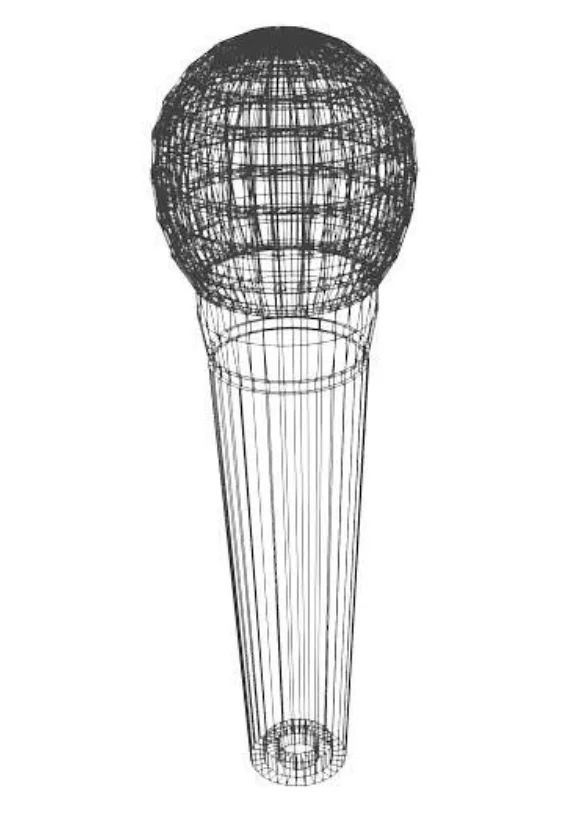
Dynamic mics are tough and good at ignoring the room. They won’t sound as open as a condenser right away, but you can make up a lot of that with EQ and saturation in the mix.
Condenser Microphones
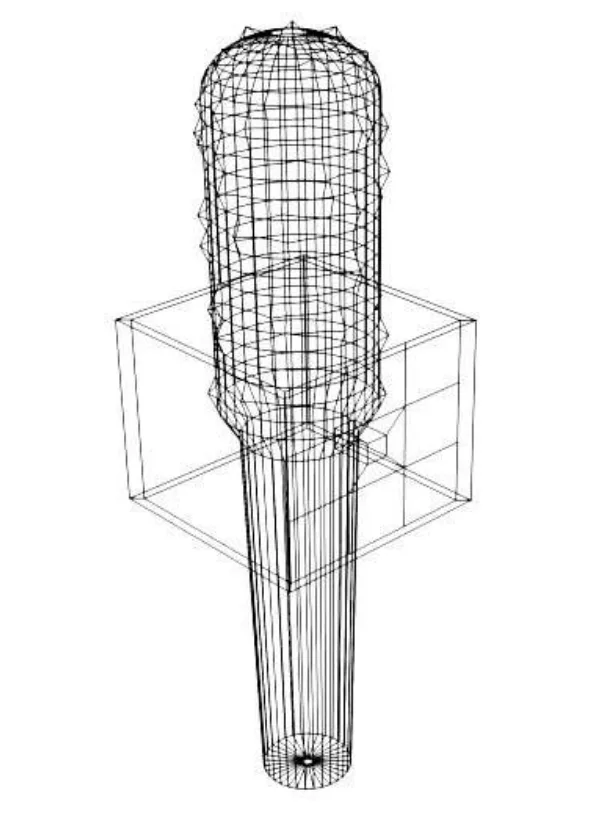
Condensers are more sensitive, so they catch more detail and more air. They’re also more fragile, and they need phantom power or their own power supply. If you want a vocal that sounds close and intimate, a condenser is the tool.
Ribbon Microphones
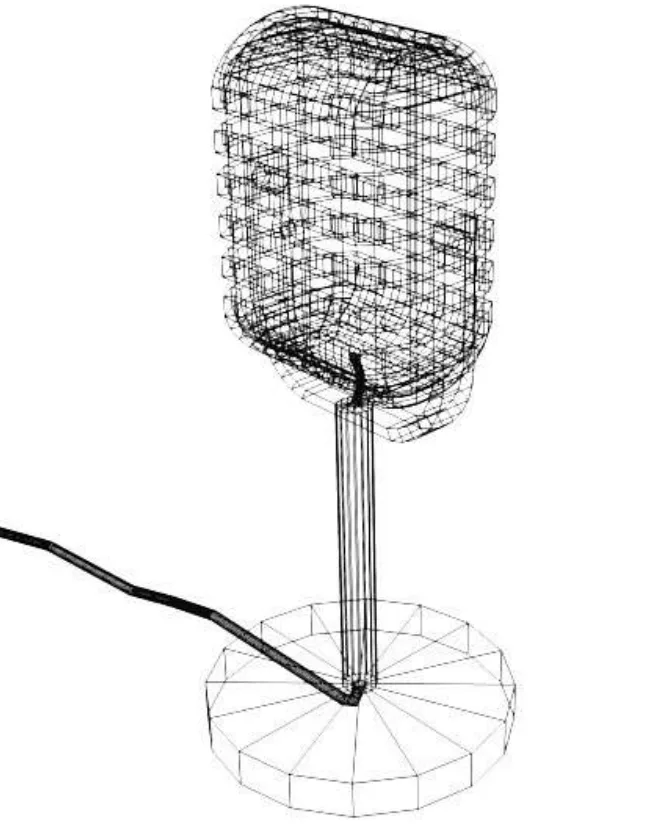
Ribbon mics were all over studios in the ’50s and ’60s. They sound smooth and dark. They’re also fragile and expensive, so most producers can skip them for now.
No Interface Needed: Phone and USB Mics
Three ways to record without an audio interface. You’ve probably seen the Yeti recommended everywhere. It’s still sold as the Logitech G Yeti (about $140), and there’s a newer Yeti 2 (about $160) aimed at gaming and streaming. For music, the two USB mics below are better buys.
1. Your Phone
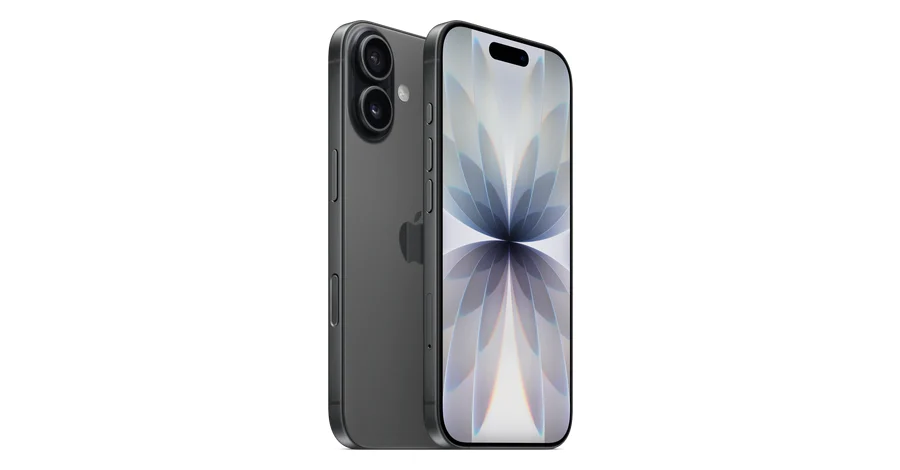
You probably didn’t expect this one on the list. But the idea you hum into your phone at 1am is worth more than the one you meant to record properly tomorrow.
Type: built-in mic
Connects: nothing, it records to the phone
Needs: a voice memo app, which most phones include
Price: the phone you already own
Phones are great for humming a melody before you forget it, or for recording sounds around you to bury in a mix. That last one is underrated. A field recording from your phone, pitched down and filtered, often sounds more interesting than a sample pack texture everyone else has.
It’s also the easiest mic on this list to use. Open the app and hit record.
Best for: capturing ideas and textures anywhere.
Watch out: treat it as a sketchbook. For a vocal that ends up in a finished track, any of the mics below will give you far more to work with.
2. Rode NT-USB+
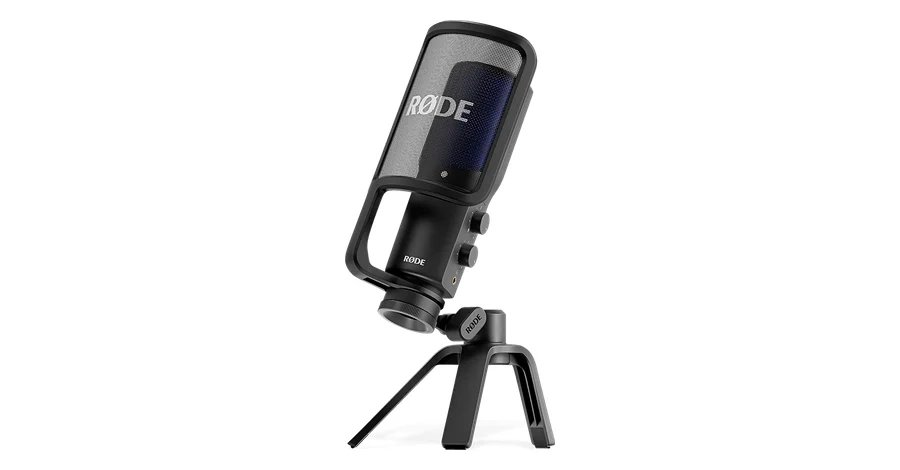
The Rode NT-USB+ is a studio condenser with the interface built in. One USB-C cable and you’re recording. It replaced the original NT-USB.
Type: condenser, cardioid
Connects: USB-C only, 24-bit / 48kHz
Needs: no interface, no phantom power
Price: about $179
Rode’s free apps add effects right on the mic, like a compressor and a noise gate. There’s a headphone jack on the mic too, so you hear yourself with no delay while you record.
Best for: a first mic for singing straight into a laptop, in a reasonably quiet room.
Watch out: it’s a condenser, so it hears your room. There’s also no XLR output, so it can’t move onto an interface if you buy one later.
3. Shure MV7+
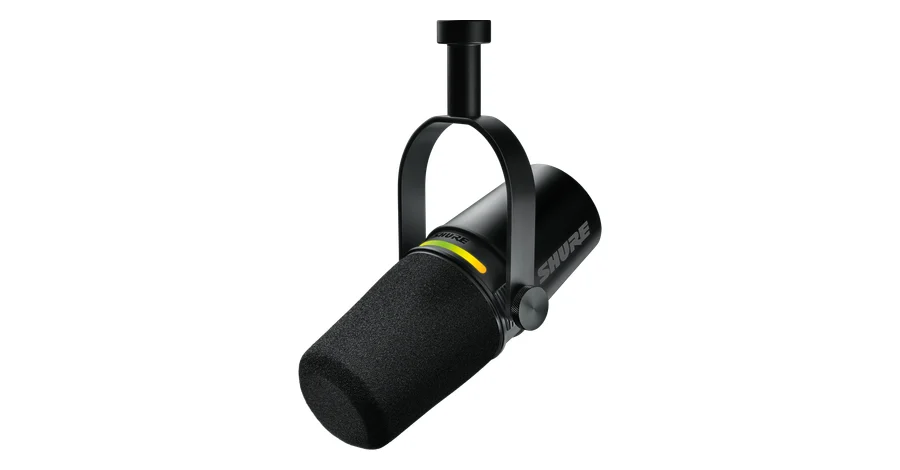
Of the two USB picks, the Shure MV7+ is the one for a room that isn’t quiet.
Type: dynamic, cardioid
Connects: USB-C and XLR, 24-bit / 48kHz on USB
Needs: nothing on USB; medium to high gain on XLR
Price: about $299
It’s a dynamic, so it picks up way less of your room than the NT-USB+. It also has auto level, noise reduction, a fix for popping p’s and b’s, and a headphone jack.
The XLR output is the long-term win. Plug it into an audio interface later and it works as a regular studio dynamic.
Best for: untreated bedrooms, and anyone who wants USB today and an interface tomorrow.
Watch out: it’s made with podcasters in mind. On singing it sounds darker than a condenser, so expect to add some top end in the mix.
Your First XLR Mic, Under $300
These three need an audio interface. In return you get a real studio mic, and the interface you buy for it carries over to every mic you’ll ever own.
4. Shure SM58
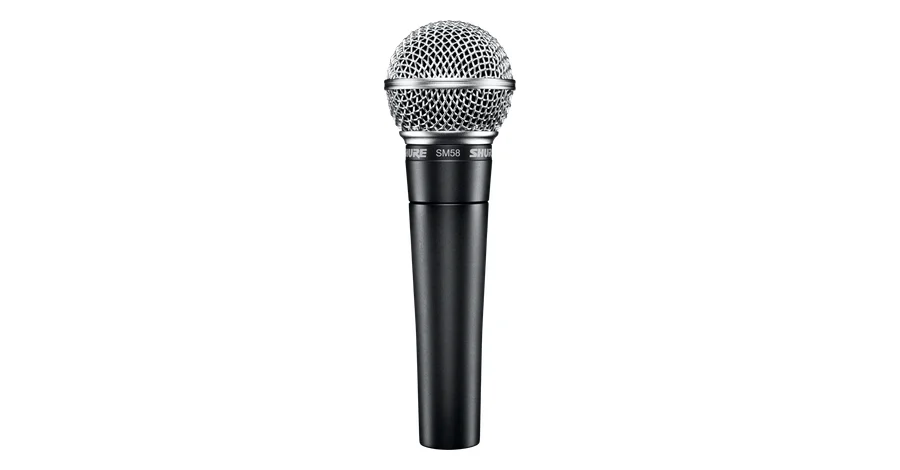
You’ve seen the Shure SM58 on stage at most gigs you’ve ever been to. It’s also the only handheld mic on this list.
Type: dynamic, cardioid
Connects: XLR
Needs: no phantom power; medium to high gain
Price: about $109 (the SM58-LC, which comes without a cable)
It’s built to be dropped. More useful for you: it was made for loud stages, so it ignores sound from behind it. If you’ve got a noisy neighbor or a loud computer fan, it picks up a lot less of that than a condenser would.
There are no switches or settings to think about. Sing into the top of it and you’ll get a clear, solid vocal.
Best for: rooms that aren’t quiet, and singers who also gig.
Watch out: it won’t catch the air and shimmer a condenser does, and it needs more gain, so give it a decent interface.
5. Audio-Technica AT2020
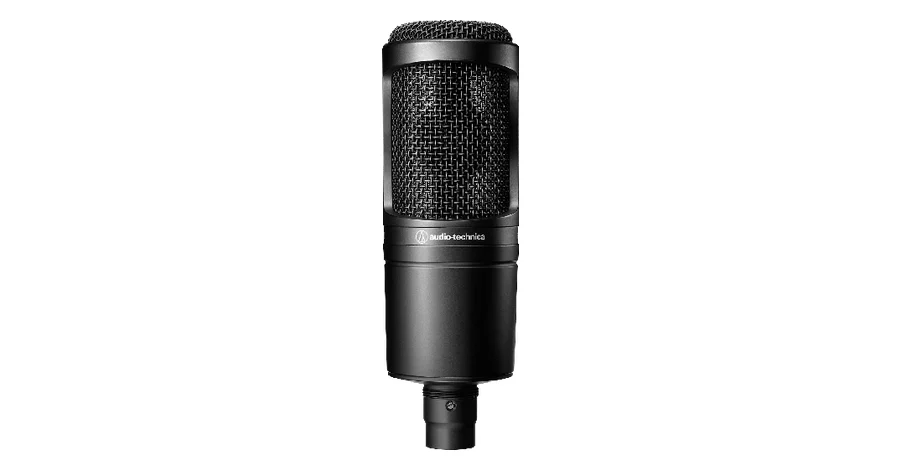
Nothing else on this list gets you a studio condenser for less than the Audio-Technica AT2020.
Type: condenser, cardioid, side-address (you sing into its side)
Connects: XLR
Needs: 48V phantom power; low gain
Price: about $119
For about the price of an SM58, you get the detail of a condenser. It barely needs any gain, so even the cheapest interface works fine.
Setup is about as simple as condensers get. Plug it in, turn on 48V, set your level and record.
Best for: your first condenser on a tight budget.
Watch out: your room will end up in the recording. In an untreated room, put some blankets or a reflection filter behind you before you blame the mic.
6. Rode NT1 5th Generation
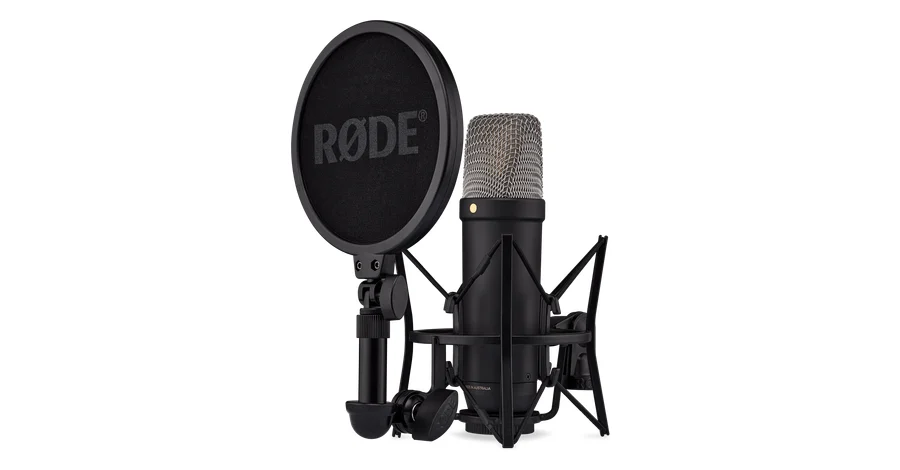
Rode calls the NT1 5th Generation the quietest studio condenser in the world. It’s the successor to the NT1-A.
Type: condenser, cardioid
Connects: XLR and USB-C
Needs: 48V phantom power on XLR; nothing on USB; low gain
Price: about $249
Every mic makes a little hiss on its own. This one makes almost none. On soft, breathy vocals or quiet guitar, that’s the difference between a clean take and one you have to clean up.
It also works over USB-C, and in that mode a take that clips can still be turned down cleanly afterward. If you only need XLR, the NT1 Signature Series is the same idea without USB, for about $159.
Best for: quiet, detailed vocal takes in a treated room, and the condenser you grow into.
Watch out: a quiet mic doesn’t help in a loud room. Used NT1-As are still around, so check which one you’re buying.
The Serious Home Studio, $400 to $1,000
This is where a lot of producers who take vocals seriously end up. Two dynamics for untreated rooms, two condensers for treated ones.
7. Shure SM7B
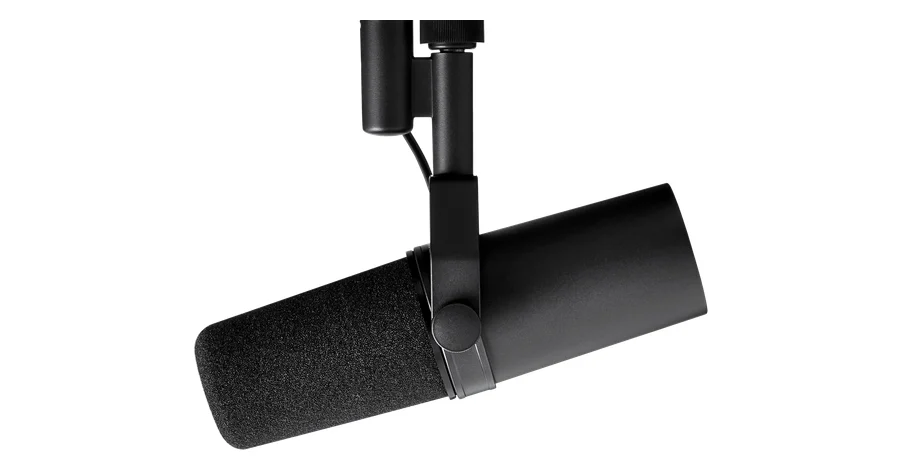
For vocal production, the Shure SM7B is the one to beat. If you only buy one mic from this list, make it this one.
Type: dynamic, cardioid
Connects: XLR
Needs: no phantom power; high gain, about 60dB
Price: about $439
It sounds even with a crisp top, and it hears much less of your room than any condenser here. That’s why it works for rap, pop and pretty much everything in between, in a bedroom or a pro studio. If it sits a little far back in the mix, a small mid boost usually brings it forward. (It’s great for recording your own samples too.)
Two switches on the back cut the bass or brighten the top. The mount is built in, and the thick foam on top means you rarely need a pop filter.
It’s what I record my own vocals on. Give it enough clean gain and there isn’t much it can’t handle.
SM7B or SM7dB? They sound the same. The difference is gain. The SM7B needs a lot of it, so on a cheap interface you’ll want an inline booster. The SM7dB has the booster built in. If your interface struggles, the SM7dB costs $110 more and saves you buying a booster. If you already have a strong interface or a booster, get the SM7B.
For what happens after the mic, this video walks through a full vocal chain, from recording to final mix.
Best for: most vocal production, especially rap, pop and untreated rooms.
Watch out: on a budget interface with the gain turned all the way up, you’ll hear hiss. The box above has the fix.
8. Shure SM7dB
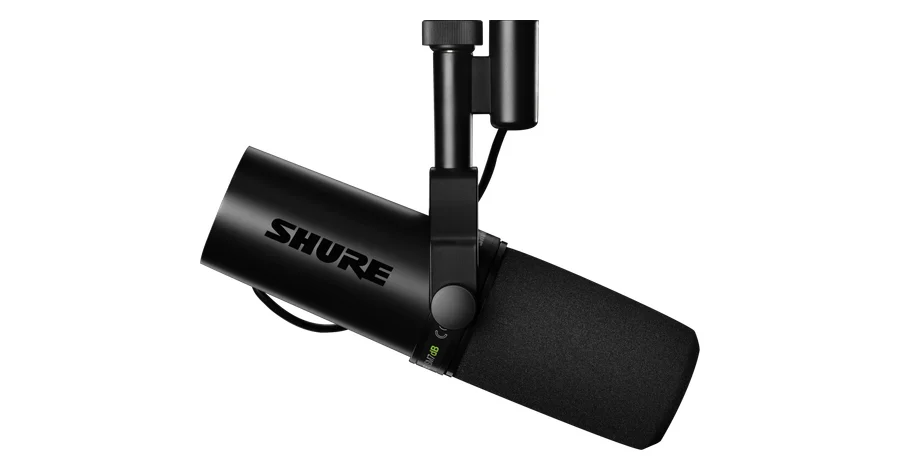
For a lot of home studios, the Shure SM7dB is the SM7B they should actually buy.
Type: dynamic, cardioid, with a built-in preamp
Connects: XLR
Needs: 48V phantom power for the preamp; low gain with the preamp on
Price: about $549
It’s the SM7B with a booster inside. Turn on phantom power, pick a setting, and even a cheap interface has plenty of level, with no hiss.
Everything else is the same, including the way it ignores your room.
Best for: SM7B sound on an interface with weak preamps.
Watch out: the booster needs phantom power. If you already own a booster, you’d be paying for it twice.
9. Warm Audio WA-87 R2
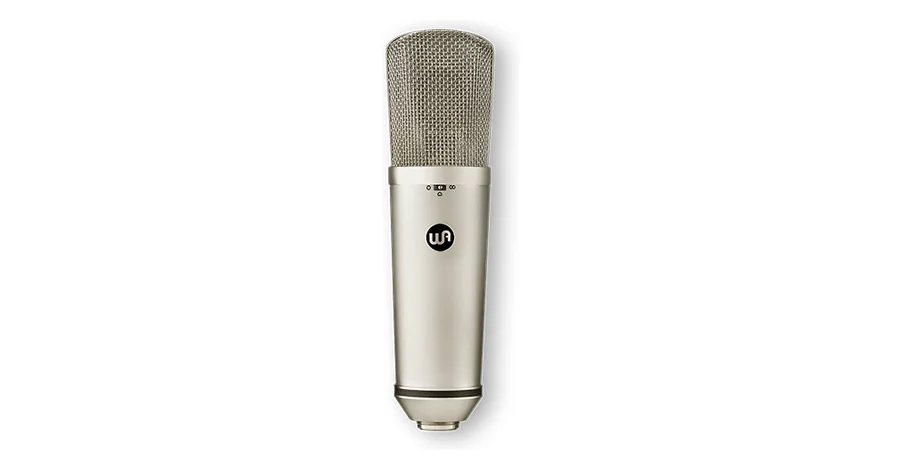
The Warm Audio WA-87 R2 is modeled on the Neumann U 87, at a fraction of the price.
Type: FET condenser; cardioid, omni and figure-8
Connects: XLR
Needs: 48V phantom power; low gain
Price: about $699
The U 87 has been in pro studios for decades. This one goes after that sound, and it has the same three pickup patterns. There’s also a pad for loud singers and a filter that cuts low rumble.
The extra patterns are for more than vocals. One picks up the front and back, handy for two singers facing each other. Another picks up the whole room.
Best for: an 87-style vocal on a home-studio budget.
Watch out: for vocals you’ll leave it on the normal setting most of the time, so the extra patterns only matter if you record other stuff. It comes in nickel and black, so check which one you’re getting.
10. Neumann TLM 102
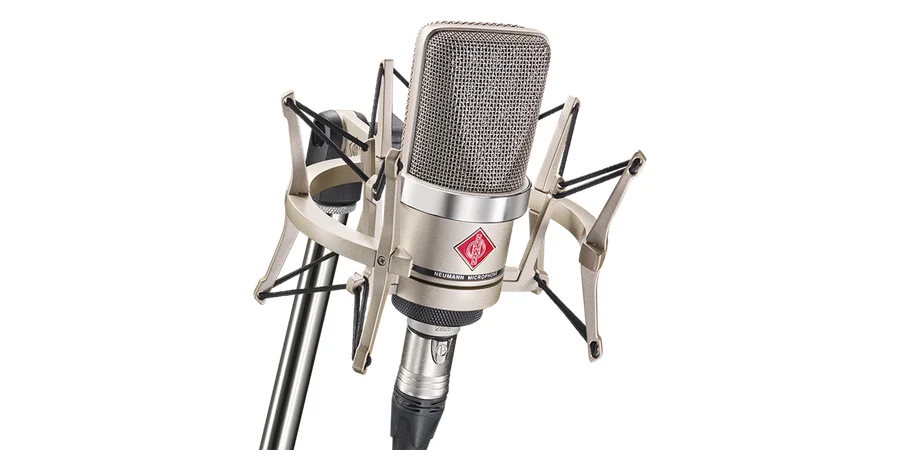
The Neumann TLM 102 is a small, simple Neumann at a home-studio price.
Type: condenser, cardioid
Connects: XLR
Needs: 48V phantom power; low gain
Price: about $799
It has a pop filter built into the grille, and a singer can belt right into it without distorting it.
There are no switches at all, which is kind of the point. Set it up once and get on with the vocal.
Best for: your first Neumann, in a treated home studio.
Watch out: you get one pattern and no pad or filter. The WA-87 R2 has all of that for less.
Pro and Dream Mics, Over $1,000
These are the mics you’ll find in commercial studios. To get your money’s worth, you need a quiet, treated room and a good preamp, and the tube mics come with their own power supplies. The differences up here get subtle, and this is where taste matters.
11. Neumann TLM 103
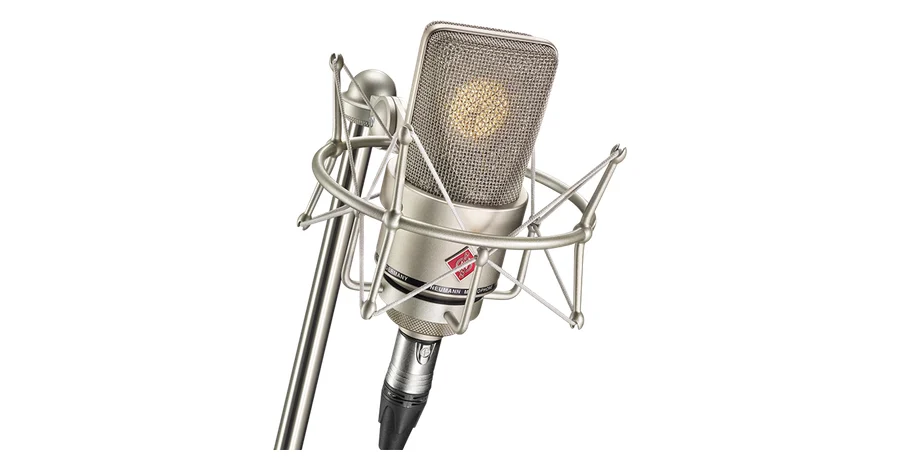
The Neumann TLM 103 is a step up from the 102. It’s quieter and tuned to bring vocals forward.
Type: condenser, cardioid
Connects: XLR
Needs: 48V phantom power; low gain
Price: about $1,295
It sounds warm, and because it’s so quiet, soft parts stay clean. It also changes a lot depending on where the singer stands.
If you can spend more, Neumann’s U 87 Ai (about $3,750) adds two more pickup patterns, along with the pad and low-cut filter the 103 is missing.
Pro Tip: The closer a singer gets, the more bass you get. Move a few inches and you can hear it immediately. If a singer sounds thin, have them sing 6 to 8 inches away. If they’re boomy, back them off to 12 to 15.
Best for: pro vocal recording in a treated room.
Watch out: like the 102, there’s no pad or low-cut, so deal with loud singers or rumble at your interface or in the mix.
12. Mojave MA-200
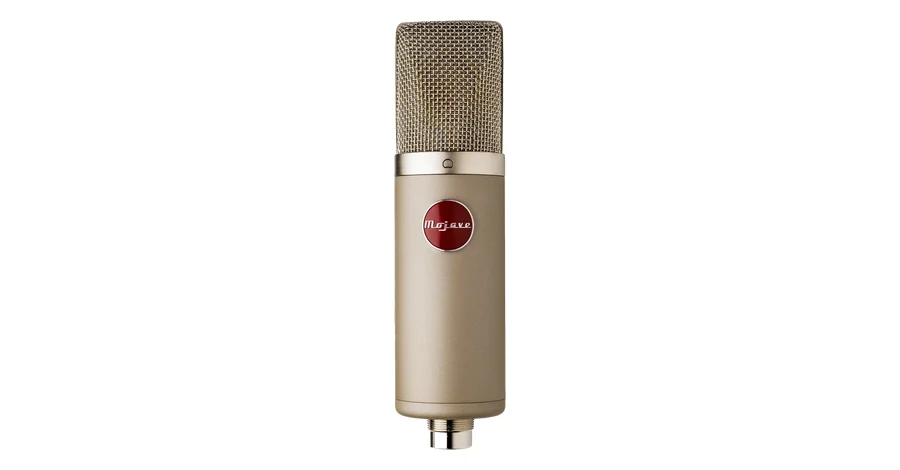
Mojave says the MA-200 was inspired by the Neumann U67, and David Royer designed it.
Type: tube condenser, cardioid
Connects: XLR, through its own power supply
Needs: no phantom power (the power supply runs the tube); low gain
Price: about $1,599
It’s a tube mic, and it sounds warm and full without the harsh highs a lot of modern condensers have.
It’s the cheapest tube mic on this list. Try it on vocals first, then on acoustic guitar and piano.
Best for: lead and background vocals that need warmth more than sparkle.
Watch out: it’s cardioid only, with no pad or filter. The power supply is also one more box on the floor.
13. Manley Reference Cardioid
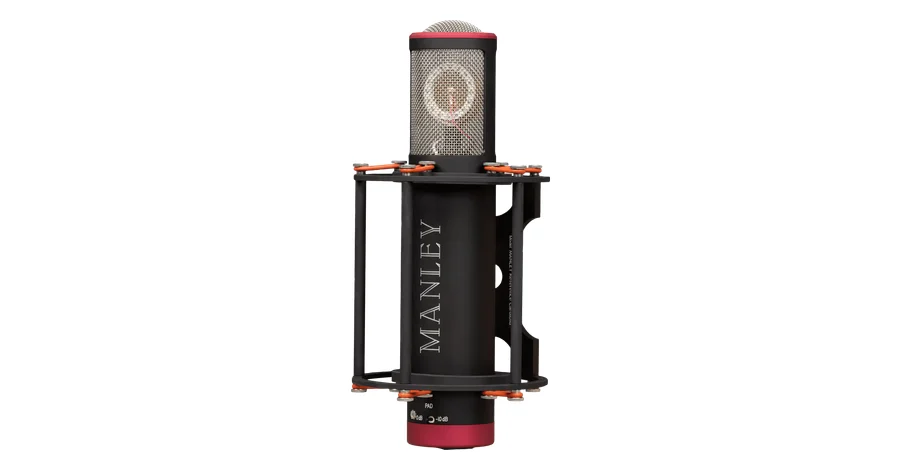
Manley’s own pitch for the Reference Cardioid is “the vocal sound of modern hip-hop, pop and rock,” and that’s the audience it suits.
Type: tube condenser, cardioid
Connects: XLR, through its own power supply
Needs: no phantom power; low gain
Price: about $3,499
It’s hand-built in California. There’s a pad for loud singers and guitar amps, and engineers use it on guitars and drums too.
Best for: lead vocals that have to sit forward in a dense mix.
Watch out: it only has one pattern. If you want more options at this price, look at the U 87 Ai.
14. Telefunken U47
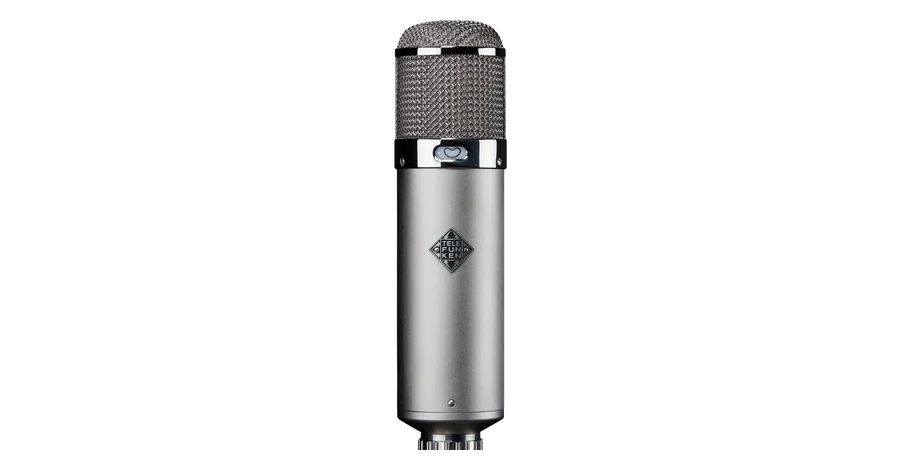
Yes, the Telefunken U47 is expensive. But if you’re a splurging hobbyist or a full-time professional, it’s a way to own the U47 sound without hunting down a vintage original.
Type: tube condenser; cardioid and omni
Connects: XLR, through its own power supply
Needs: no phantom power; low gain
Price: about $9,995
It rebuilds the original U47 down to the parts inside, and Telefunken has been making it for more than 23 years.
The original’s big mids and deep low end made it the standard in serious studios. When people talk about the holy grail of mics, this is usually the one.
Best for: the classic vintage vocal sound, in a studio built to hear it.
Watch out: at this price, try before you buy if you can, and make sure your room and preamp are already at this level.
15. Sony C-800G
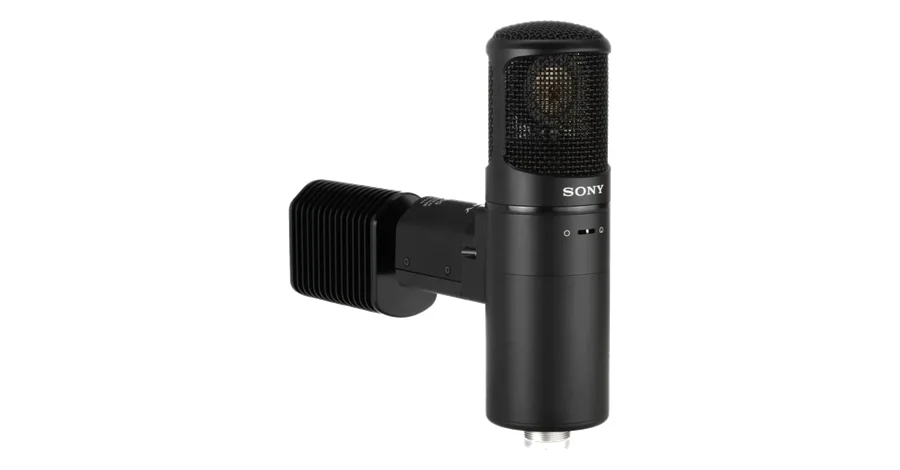
The Sony C-800G sits at the very top of this list, in price and in reputation. If you’ve ever worked with one, you already know why.
Type: tube condenser, dual large diaphragm; cardioid and omni
Connects: XLR, through its own power supply
Needs: no phantom power; low gain
Price: about $15,000
It catches every breath in a vocal without getting harsh, and people love it on acoustic guitar too. A built-in cooling system (those fins on the body) keeps the tube super quiet.
If you want a taste of that sound for far less, the C-100 borrows from the C-800G’s design for about $1,500.
Best for: the main vocal mic in a commercial studio.
Watch out: Sony doesn’t list a price on its own page, so get quotes from a couple of dealers before you commit.
Accessories Worth Buying With Your Mic
Once you move past USB, a few small extras protect the mic and the recording.
Pop Filter
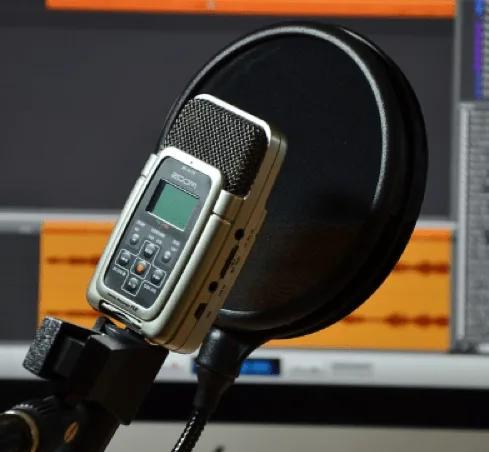
When you sing a “p” or a “b”, a burst of air hits the capsule and thumps in the recording. A pop filter between you and the mic stops it. Mics with thick foam, like the SM7B and SM7dB, mostly handle this on their own.
Microphone Cables
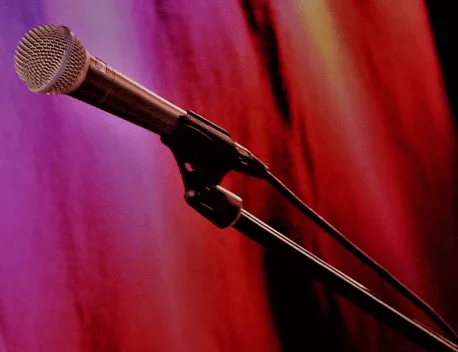
Cables are part of the recording chain. Good ones last longer and stay quiet, while cheap ones can start crackling or adding noise after a few months of plugging and unplugging.
Portable Vocal Booth
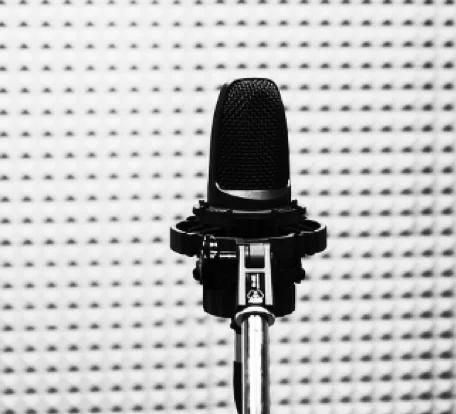
A portable vocal booth is a curved shield that sits behind the mic and soaks up some of the reflections. It won’t turn a bedroom into a studio, but it can take the edge off the room sound a condenser picks up.
Mic Stand

Get a stand sturdy enough to hold the mic, the pop filter and maybe a booth. A tripod stand with a boom arm works well. In the US, mic clips use a 5/8” thread. Stands from elsewhere often use 3/8”, and a cheap adapter fixes that.
Shock Mount
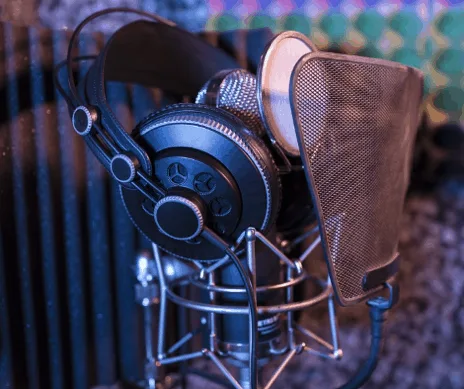
A shock mount suspends the mic in elastic so bumps to the stand or desk don’t end up in the recording. Many condensers ship with one, so check the box contents before you buy a separate mount.
Inline Booster
If your interface struggles with an SM7B or another quiet dynamic, an inline booster (the box from earlier) goes between the mic and the interface and adds clean gain, so you’re not cranking a hissy preamp.
All 15 Side by Side
| Mic | Type | Pattern | Connection | Needs | Price |
|---|---|---|---|---|---|
| Your phone | Built-in | n/a | None | Nothing | the one you own |
| Rode NT-USB+ | Condenser | Cardioid | USB-C | Nothing | about $179 |
| Shure MV7+ | Dynamic | Cardioid | USB-C + XLR | Medium-high gain on XLR | about $299 |
| Shure SM58 | Dynamic | Cardioid | XLR | Medium-high gain | about $109 |
| Audio-Technica AT2020 | Condenser | Cardioid | XLR | Phantom power | about $119 |
| Rode NT1 5th Gen | Condenser | Cardioid | XLR + USB-C | Phantom power on XLR | about $249 |
| Shure SM7B | Dynamic | Cardioid | XLR | High gain (about 60dB) | about $439 |
| Shure SM7dB | Dynamic + preamp | Cardioid | XLR | Phantom power for the preamp | about $549 |
| Warm Audio WA-87 R2 | Condenser | Cardioid, omni, figure-8 | XLR | Phantom power | about $699 |
| Neumann TLM 102 | Condenser | Cardioid | XLR | Phantom power | about $799 |
| Neumann TLM 103 | Condenser | Cardioid | XLR | Phantom power | about $1,295 |
| Mojave MA-200 | Tube condenser | Cardioid | XLR + power supply | Its own power supply | about $1,599 |
| Manley Reference Cardioid | Tube condenser | Cardioid | XLR + power supply | Its own power supply | about $3,499 |
| Telefunken U47 | Tube condenser | Cardioid, omni | XLR + power supply | Its own power supply | about $9,995 |
| Sony C-800G | Tube condenser | Cardioid, omni | XLR + power supply | Its own power supply | about $15,000 |
“Gain” is how hard your interface’s preamp has to work. Anything marked phantom power or its own power supply needs very little.
Frequently Asked Questions
What is the best microphone for recording vocals at home?
For most home studios, the Shure SM7B. It’s a dynamic mic, so it hears much less of an untreated room than a condenser, and it works across genres. If your interface has weak preamps, the SM7dB is the same mic with a booster built in. If your room is quiet and treated, a condenser like the Rode NT1 5th Generation captures more detail for less money.
Should I get a dynamic or condenser mic for vocals?
Let the room decide. In an untreated bedroom, a dynamic mic like the SM58 or SM7B hears mostly your voice and very little of the walls. In a quiet, treated room, a condenser gives you more detail and air. Many studios own one of each and choose per singer and per song.
Do I need phantom power for a vocal mic?
Condenser mics need 48V phantom power, and almost every audio interface has a button for it. Dynamic mics don’t need it, with one exception on this list: the SM7dB’s built-in preamp runs on phantom power. USB mics take their power from the computer, and tube mics come with their own power supply.
Is a USB mic good enough for vocals?
For demos and a first setup, yes. A modern USB mic like the Rode NT-USB+ or Shure MV7+ records at 24-bit / 48kHz, plenty for a vocal. The limit is flexibility: you can’t swap preamps or easily run two mics at once. The MV7+ and the Rode NT1 5th Generation get around that by offering XLR too.
Is the SM7B still worth it, or should I get the SM7dB?
They sound the same. The SM7B needs about 60dB of clean gain, so on a budget interface you’ll want an inline booster. The SM7dB has a +18dB or +28dB booster built in for $110 more. If you already own a strong preamp or a booster, buy the SM7B. If you don’t, the SM7dB is simpler.
What is the 3 to 1 rule for microphones?
When two or more mics are recording at the same time, each one should be at least three times as far from the other mics as it is from its own source. If a singer is one foot from their mic, the next mic should be at least three feet from that mic. Bleed between mics still happens, but it stays quiet enough that the delayed copies don’t make the tracks sound thin and phasey when they’re mixed together. It’s a rule of thumb, and directional mics pointed away from each other give you more leeway.
What is the holy grail of microphones?
The answer you’ll hear most often is the Neumann U47, the tube mic behind a long list of classic vocal recordings, followed by the U 87. The original U47s are rare and very expensive, so most people meet that sound through recreations like the Telefunken U47. The U 87 is still made, as the U 87 Ai, and mics modeled on it, like the Warm Audio WA-87 R2, bring that sound down to a home-studio price.
The Mic You’ll Grow Into
Start from your room and your interface, and the list gets short fast.
If you just want me to pick:
- No interface. Rode NT-USB+ for a quiet room, Shure MV7+ for a noisy one.
- First XLR mic, untreated room. Shure SM58, about $109.
- First condenser, treated room. Audio-Technica AT2020 at about $119, or the Rode NT1 5th Generation if you can stretch to $249.
- One mic for nearly everything. Shure SM7B, or the SM7dB if your preamps are weak.
- Pro condenser. Neumann TLM 103, with the U 87 Ai as the step up.
Whatever you buy, spend a little on the room at the same time. Then record a lot. The truth is, the mic is only the first step, and the gap between a raw vocal and the ones on records you love is processing and hundreds of tiny mixing decisions. That’s what the Masterclass is built to close.
Have a question about vocal mics, or think one belongs on this list? Send us a message and we’ll take a look.
Heads up: some of the links below are affiliate links. If you buy through one, we earn a small cut (costs you nothing extra). But we'd point you at this exact gear whether we made a dime or not. As an Amazon Associate, we earn from qualifying purchases.