Most producers who enroll in a Masterclass have been at it for years. They’ve hit a wall, they know what the wall looks like, and they’re paying for a ladder.
The two producers behind FOMO were not most producers.
When they signed up for the Hyperbits Masterclass, they had been making music for a couple of months. Total beginners. Two friends who met at San Diego State, fell in love with dance music at the same time, and decided to figure out their lives by figuring out how to produce a track.
Eight years later they were on the Billboard charts, collaborating with Dillon Francis, and racking up more than 22 million streams.
Most people call that lucky. It wasn’t.

The Starting Point
FOMO did not start with talent stacked in their favor. They started with curiosity, a shared obsession with dance music, and the kind of naive confidence that only exists before you realize how deep the rabbit hole actually goes.
They enrolled in the Masterclass during their first few months of producing. At that point, most students are still watching free YouTube tutorials and convincing themselves they’ll get serious “next month.” FOMO skipped the convincing and went straight to the framework.
Their outlook was simple: we just love this shit, so we’re going to do it by any means necessary.
That’s it. No master plan, no five-year vision, no label connections. Just a refusal to turn back.
The Breakthrough
The turning point for FOMO wasn’t a single technique. It was a mindset they built during the Masterclass and never dropped: treat production like a sport.
Most producers treat music like an art you either have or don’t. FOMO treated it like basketball. You don’t get better by playing games.
You get better by running drills. Isolating weaknesses. Repeating the boring stuff until the skill is automatic.
First: they built practice exercises for every stage of production.
Sound design drills. Arrangement drills. Mixing drills. Every time they noticed a gap in their workflow, they built a targeted exercise to close it. No weak points allowed to sit.
Second: they committed to tearing apart other people’s songs.
By their own count, they’ve taken apart around 500 tracks from artists they admired. Not to copy. To reverse-engineer the decisions.
How did the kick sit? Why did that transition work? What was layered under the lead? Every teardown added another tool to the kit, and over time the toolkit got deep enough that getting an idea out of their head and into the DAW stopped being a bottleneck.
The Masterclass gave them the structure to aim this practice correctly. Specifically, the decisions around arrangement and mixing chains, the correct order to apply things, which they’ve said still guide their production choices to this day.
That’s the compound interest move. One percent better every day for a year and you end up 3.65x better than where you started.

The Sound
FOMO sits in the bass music and tech-house corner of dance music, which is arguably the most saturated scene in the industry right now. Cutting through that noise takes more than competent production. It takes a sonic fingerprint.
Sound design has always been the thing they care about most, and you can hear it in the records. The drops are the kind of thing you’d dissect if you were one of the 500 tracks they’ve deconstructed. Weighty, specific, a little weird in the best way.
That’s the lesson buried in their story: the artists who push a scene forward are the ones who find a new “sound.” Everyone else gets absorbed into the noise they were trying to escape.
The Results
What a couple of SDSU friends with no production experience managed to pull off:
- 22M+ total streams across platforms
- #2 on Billboard with a charting release
- Official collaboration with Dillon Francis
- Long string of successful releases in bass music and tech-house
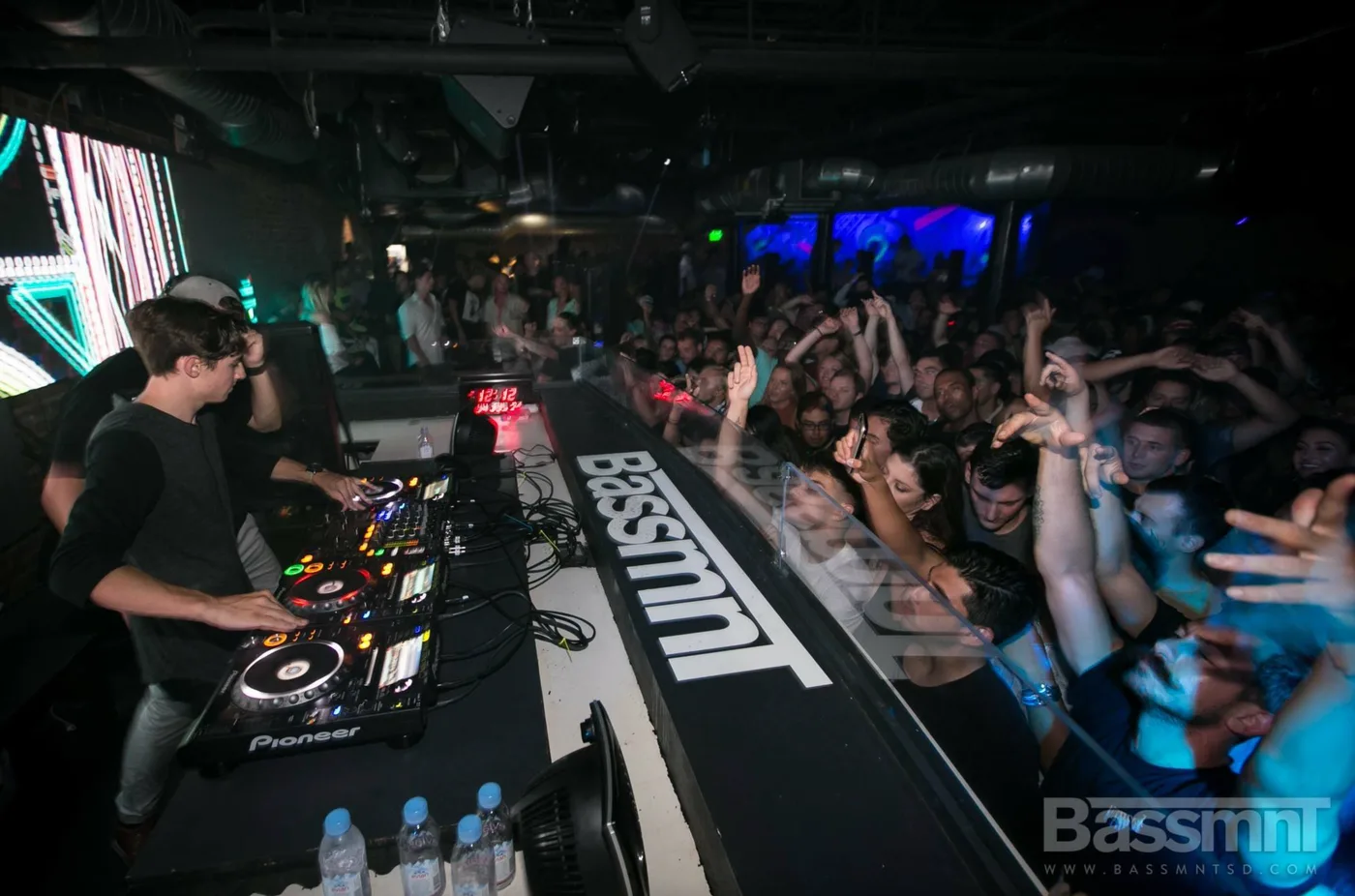
- Sharing lineups with artists they used to look up to
But the quote that sticks with me most is this one. After a show with a lineup full of heroes, they turned to each other and said, “Can you imagine telling us five years ago this shit was gonna happen?”
No. They couldn’t. Because five years ago they had been producing for six months.
That gap, between what your current self can imagine and what your future self will actually pull off, is bigger than almost anyone believes.
The Gap Nobody Talks About
Most producers waste their first year or two trying to figure out if they’re “ready” to get serious. Ready to buy the course. Ready to take it seriously. Ready to stop dabbling.
FOMO never asked that question. They enrolled when they were absolute beginners, and because of that, they never picked up the bad habits that most self-taught producers have to unlearn later. They learned the right order from day one.
The gap they closed was about timing more than technique. They got help early, before they had time to build a workflow full of shortcuts and blind spots. Everything compounded from there.
If you’re early in your production journey and you’re worried you’re “not ready for a course,” consider the possibility that this is the single best time to take one. The producers who wait until they’ve plateaued are the ones spending the next three years undoing habits FOMO never formed.
Listen to FOMO
In Their Own Words
We asked FOMO a few questions about their experience.
Out of all the online production schools, why did you choose the Hyperbits Masterclass?
At the time, we were really into big room house and had been fans of Serik’s for a while, so it just made the most sense. On top of that, the course seemed very thought-out and well organized, so we gave it a shot. We still use, to this day, the reasonings and teachings we learned in the Masterclass. They’ve helped us overcome critical decisions on arrangement and mixing. Learning the correct order and chains to achieve a certain result has been the most beneficial thing for us.
What’s the hardest aspect of producing music, and what’s a production hack you’ve picked up that helps overcome it?
The hardest aspect of producing is definitely the fact that there’s an infinite amount of knowledge surrounding the topic. That’s why we always develop “practice exercises” at every step of the journey to make sure there are no weak points in our production. We think about it a lot like sports, where you practice a majority of the time to make sure you develop a strong skill set. Probably our biggest production hack is sitting down and trying to recreate a song from your favorite artist every so often. When you’re consistent with this, you start to develop a big production toolkit over time, and it’s easier to get an idea out of your head and into the DAW more quickly.
Tell us your hottest take.
Without fail, this little motto has helped us at every step of the way: If you don’t ask, the answer is always no.
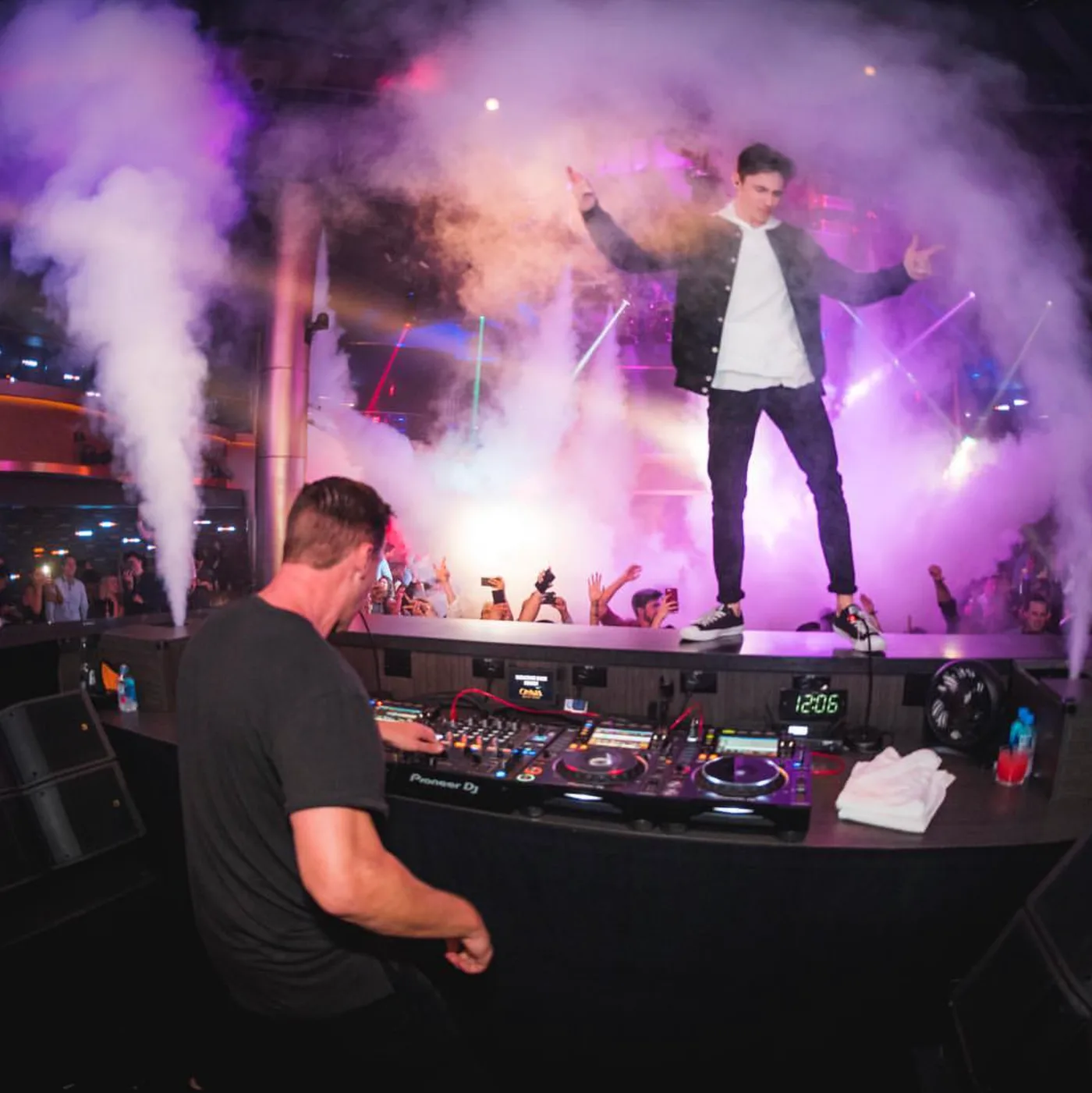
FOMO built their signature sound inside the Hyperbits Masterclass. If you’re early in production and wondering whether it’s too soon to get serious, their story is your answer. The right framework at the right time is how six months of experience turns into eight years of momentum.
If you want that kind of guidance on your own tracks, see how mentorship at Hyperbits works.