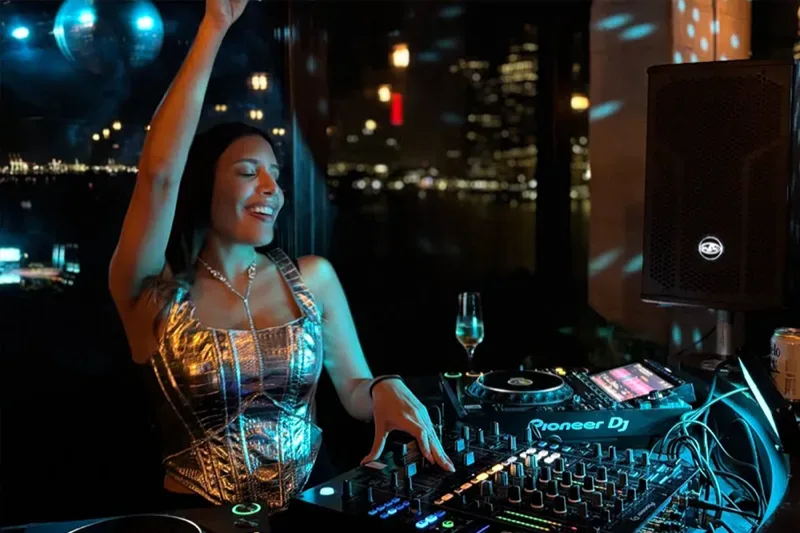
Anna had the rarest thing a producer can have. A voice.
Classically trained. Featured on other people’s tracks. Writing vocal tops for producers who needed her range and her ear.
By every normal measure, she was ahead of the curve. She could write a hook. She could hold a note. She could hear what a song needed.
And every time she tried to produce her own records, she hit a wall.
The wall had a name: sound engineering. The part of the process that lives between “I have this melody in my head” and “this is a finished record someone can sign.” Anna could get a chord progression down in minutes. She’d spend the next three weeks drowning in EQ curves, saturation chains, and layering decisions that never felt right.
Most producers would have doubled down on tutorials. Anna eventually did the opposite. She found a framework that let her stop fighting the engineering and start using it.
The Starting Point
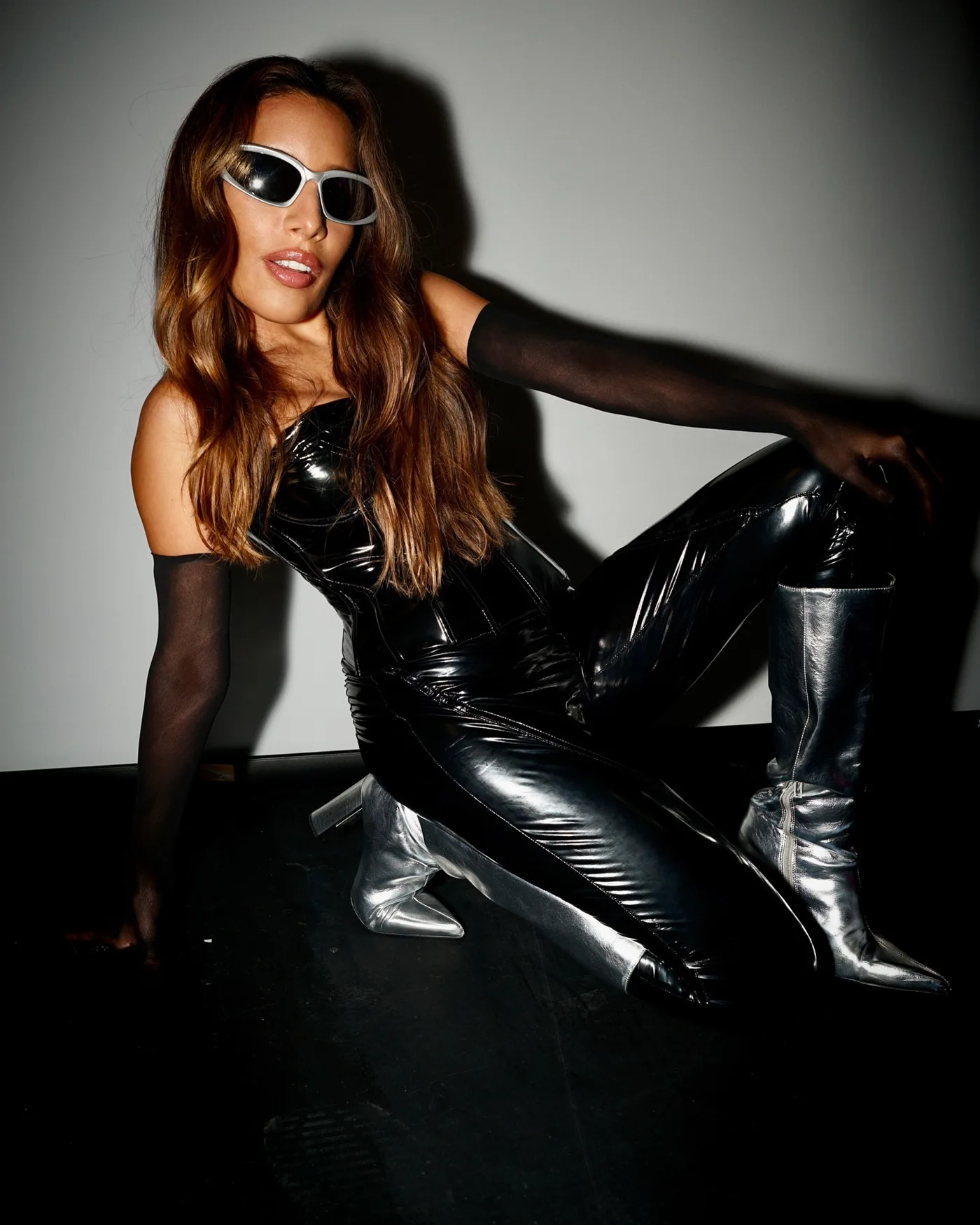
Anna started in electronic music the way a lot of singers do. Writing vocals for other people’s projects, collecting co-writes, building credits. Her voice was distinctive enough that it was both her gift and her ceiling. Classically trained, expressive, a little too specific to slot into whatever genre happened to be hot that month.
So she decided to build her own productions around it. Synth-pop at first, then a swing at progressive house that nearly broke her.
Related tool: Start to Finish with Jaytech: Produce a chart-topping progressive house track from blank session to master, step-by-step with Jaytech.
Progressive house is unforgiving. Dozens of layers, intricate automation, a sound design arms race. Anna is a self-described overthinker, which is great for songwriting and brutal for a genre where every sound needs a dedicated plugin chain. She was spending more time staring at a single synth patch than writing the actual song.
The real breakthrough in direction came when she experimented with piano house and deep house. Simpler arrangements. Fewer layers.
More room for the thing she was actually great at, which was melody and feel. The sonic identity clicked. The engineering still didn’t.
The Breakthrough
The Masterclass landed for Anna in the first week. Not months in. Days.
First: the permission to stop trying to be a sound engineer.
Her whole frustration had been the feeling that she wasn’t “technical enough” to make professional tracks. What she learned almost immediately was that you don’t have to turn into a mastering engineer to make music that sounds commercial. You need a small set of reliable moves and the judgment to know when to use them.
Saturation. Layering. Automation. Panning.
Four tools she now uses in every session. Each one is a way to take an existing sound and make it feel more exciting, more dimensional, more like a record. None of them require a PhD in signal processing. All of them are things she was either skipping or using wrong before the class.
Second: a workflow that matched how she actually thinks.
Anna is impatient. She wants to get the idea out before it evaporates. The old approach was making her slow down in all the wrong places, tweaking single sounds for hours while the song’s momentum died on the vine. The Masterclass gave her a framework where the technical work happens in the right order, so the creative work doesn’t get strangled by it.
Third: a framework she could come back to forever.
Years after finishing the course, she still references the lessons when she’s stuck. Every time she opens the material, she finds a trick she missed on the first pass or a technique that suddenly makes sense because her ears have caught up.
That’s the quiet promise of a good framework. It teaches you what you’re ready to learn right now, and waits for you on the rest.
The Sound
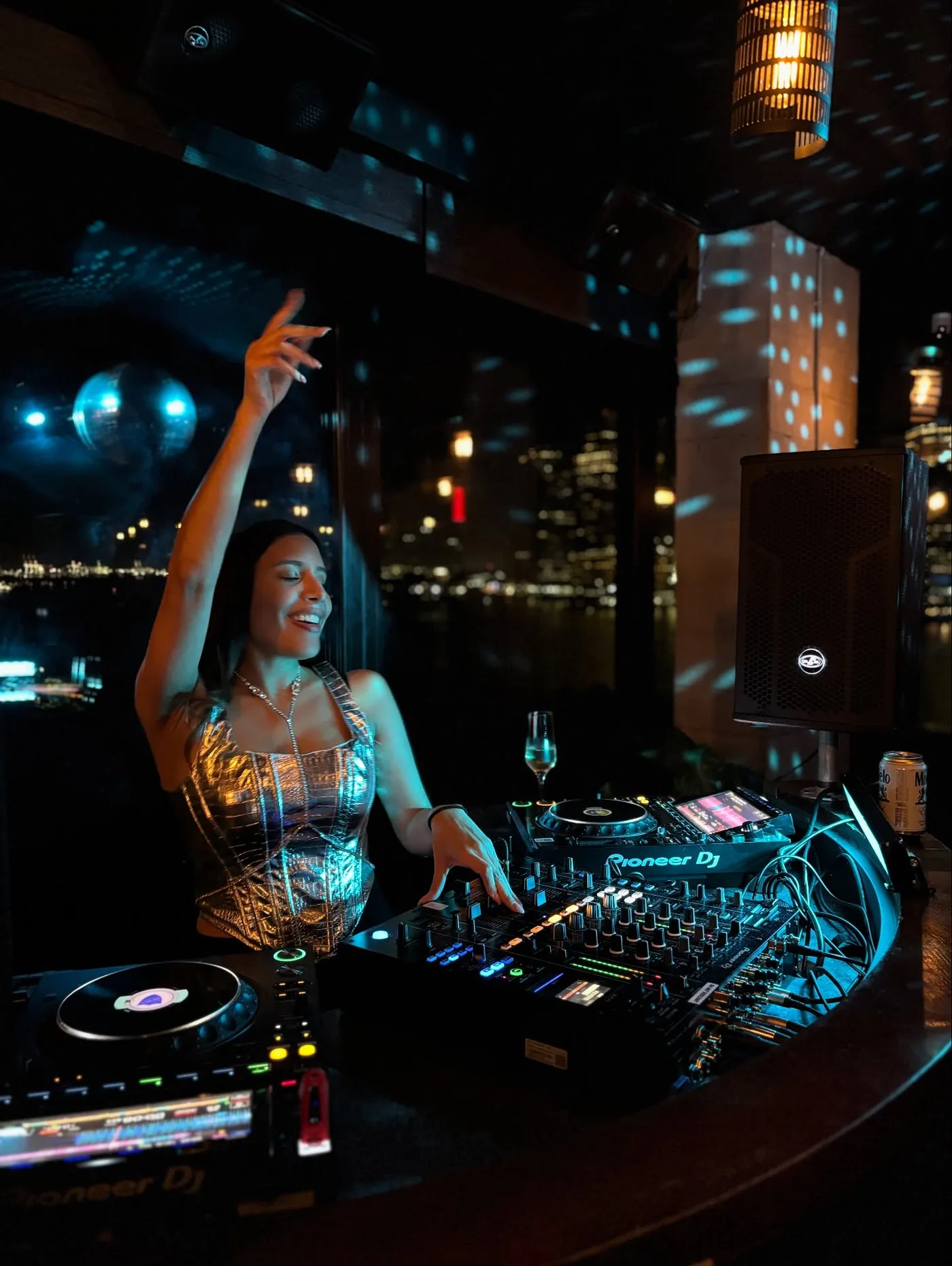
Ms. Unicorn sits in the commercial side of deep house and future house, with the songwriting instincts of someone who grew up chasing melody instead of drops.
The signature is the vocal. She produces her own top lines, which most deep house records can’t claim, and the songwriting pedigree shows up in the structure. Real chord progressions.
Memorable hooks. Bridges that actually go somewhere. It’s music that wants to be sung along to, not just mixed into a DJ set and forgotten.
She is also openly allergic to the trap a lot of producers fall into, which is letting sound design carry a weak song. Her take is blunt. You hear plenty of tracks with a “cool” drop and no emotional connection. The drop can’t save a song that was never written in the first place.

What Changed
The clearest proof point came right after she finished the program. Anna wrote a track using the framework, submitted it to the International Songwriting Competition, and placed as a finalist out of tens of thousands of entries. From a producer who’d been convinced she needed a sound engineering degree to finish her own music, to ISC-finalist on a track she wrote with the new toolkit, in a span of months.
The rest stacked up from there. Support from EDM tastemakers like Laidback Luke and Tiësto. Releases that started feeling like real Ms. Unicorn records instead of compromises. A growing fanbase around a project that actually sounds like her.
But the real shift is harder to quantify. Anna went from a producer who felt like an imposter in her own sessions to a producer who trusts her own instincts. She stopped trying to become someone she isn’t. She stopped believing she needed an audio engineering degree to finish her own music.
She started writing tracks that sound like Ms. Unicorn instead of tracks that sound like an apology for not being a sound designer.
That’s the kind of internal shift that shows up in the music months before it shows up in the stats.
The Gap Nobody Talks About
Anna’s gap wasn’t talent. She had the rarest ingredient in the room, a trained voice and the instincts of a real songwriter. Her gap was the belief that she had to become a different kind of producer to deserve her own tracks.
A lot of singer-songwriters get stuck in that exact trap. They think the “real” producers are the ones fluent in every plugin on the market, and they grind on technique until the creative fire goes out. They forget that most of the music you love was made by people who knew five moves cold, not fifty moves halfway.
The fastest way to sound like yourself is to get a framework you can lean on, so the technical work fades into the background and the song does the talking.
For Anna, the Masterclass was that framework. Your version might be different. But the pattern is the same. Figure out what’s actually blocking you, then stop trying to solve it alone.
In Her Own Words
We asked Anna a few questions about her experience.
How much did the Hyperbits Masterclass help you overcome your sound engineering struggles?
It helped tons. I learned that you don’t have to be a full-blown sound engineer to make fantastic music. There are so many techniques that can help you take an existing sound and alter it to make it more unique. Saturation, layering, automation, and panning are things that I use every day in my productions that can make a sound more exciting and diverse.
Did you see the biggest improvements while taking the Masterclass, or in the months after?
I saw immediate results after the first week. I realized I was missing so much knowledge, and I wasn’t implementing many techniques in the correct ways. I could create melodies and chords since I had experience on that front, but I had no clue how to engineer music properly. I saw significant improvements after I completed the class, and it really changed my entire approach to producing dance music.
What’s the single most effective thing a producer can do to convey more emotion in their tracks?
You have to be able to write fantastic songs. You need to create a memorable melody or chord progression to genuinely make the listener feel your story’s emotions. Too many producers focus on sound design and forget the importance of great songwriting. That’s why you hear tracks with a really “cool” drop that you don’t feel connected to. Learning to implement music composition techniques is equally as crucial as making cool sounds.
Ms. Unicorn built her production framework inside the Hyperbits Masterclass. If you’re a songwriter or vocalist who keeps getting stuck in the engineering weeds, it’s the same program that helped Anna stop fighting the technical side and start finishing tracks that sound like her.
If you want help untangling the engineering side of your own songs, our mentorship is set up for exactly that.