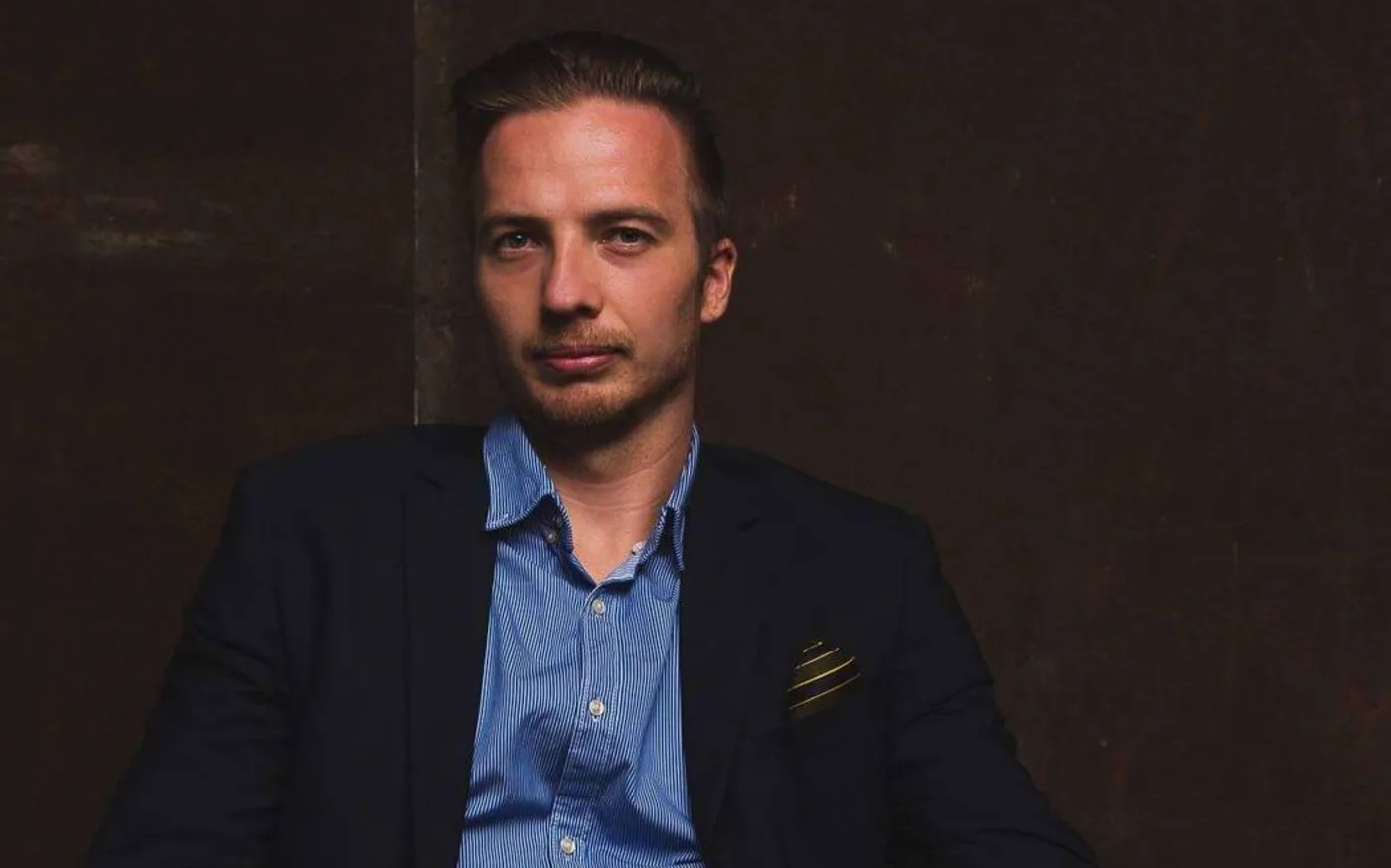

Ortox had been making music for ten years before anything meaningful started happening.
Not ten months. Not two years. A decade of sessions, half-baked ideas. And a hard drive full of loops that never became tracks. He taught himself from scratch, burned out on YouTube tutorials. And slammed into the wall every self-taught producer eventually hits. The one where raw passion isn’t enough and another free video isn’t going to fix it.
Most producers quit at that wall. Some stay there forever, tweaking the same eight bars.
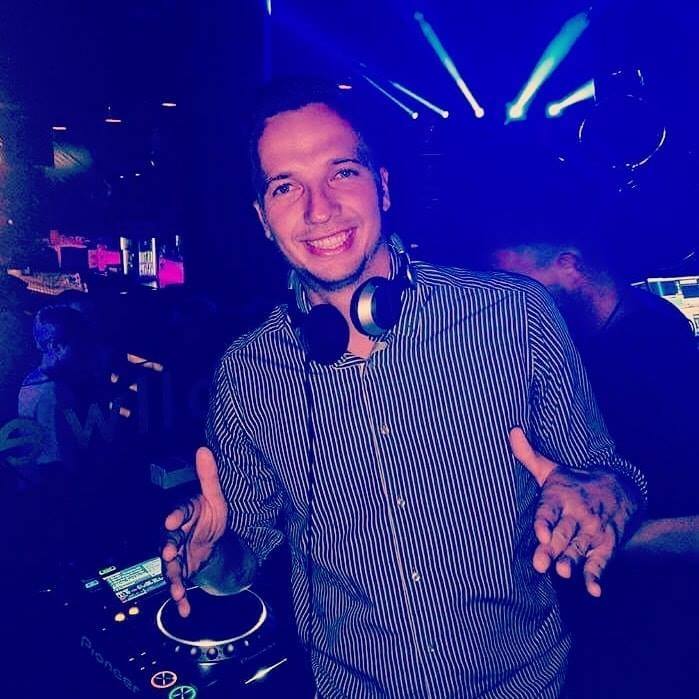
Ortox graduated from the Masterclass in 2018. Within a few years he was signing releases, getting support from Dannic, Kyder, and Lumberjack, getting paid to produce music for other artists. And landing mentorships with two of the most accomplished producers in European electronic music.
The Starting Point
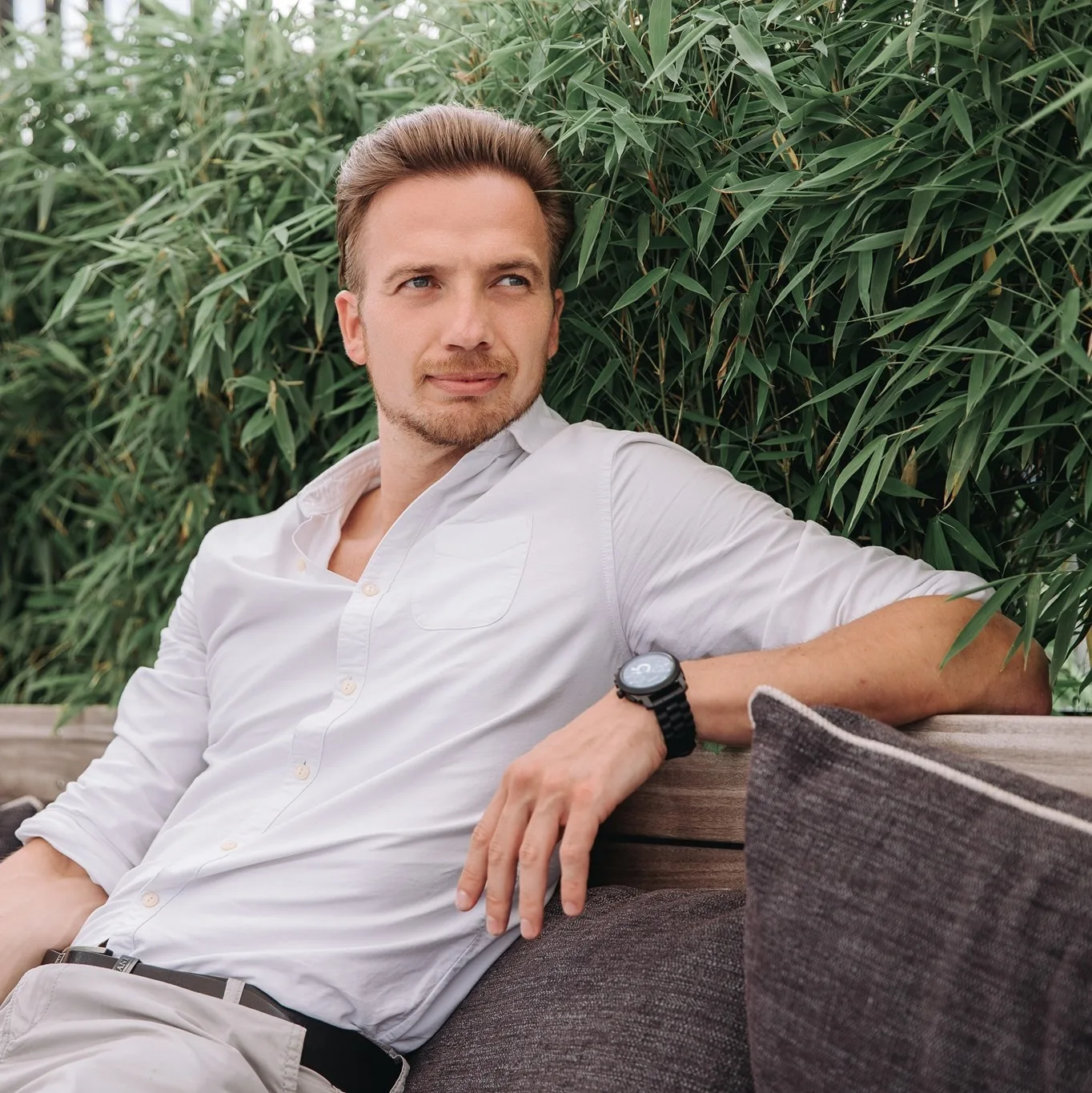
Ortox didn’t come from a music school or a family of musicians. He fell into production by accident, sitting at a friend’s house watching him work on a track, suddenly realizing that electronic music wasn’t made in million-dollar studios. It was made in bedrooms. By regular people. With software he could actually buy.
That was the spark. The next ten years were the slog.
He tried to figure it out alone. YouTube tutorials, forum threads, whatever he could scavenge. His taste was sharpening and his ideas were there. But the technical layer never caught up. His mixdowns wouldn’t sit next to professional releases, his sound selection felt off, and the tracks he did manage to finish never really sounded finished.
He wanted to quit. A lot of producers at that stage do quit. The gap between “this sounds cool in my headphones” and “this sounds like the songs on the radio” is where most careers end quietly.
The Breakthrough
Ortox eventually admitted that teaching himself wasn’t working. That admission is harder than it sounds. Self-taught producers build an identity around figuring it out alone. And swallowing enough ego to pay for structured training is its own kind of breakthrough.
He enrolled in the Masterclass, and the framework clicked almost immediately.
First: a map through the fog. YouTube had given him a thousand isolated tips that didn’t connect to each other. The Masterclass gave him an actual sequence. Start a track, pick the right sounds, mix it, master it, release it, market it. Every step in order, every step explained by people who’d already done it at a professional level. For the first time, he wasn’t guessing which of two contradictory tutorials was correct.
Second: the thing he’d been missing for a decade, finishing tracks.
Ortox calls this the moment everything changed. Not a plugin. Not a mixing trick. The discipline and technical confidence to take an idea from a blank project file all the way to an exported master without abandoning it halfway through.
That sounds simple. It isn’t. The ability to consistently finish music is the single biggest thing separating amateur producers from professional ones, and it was exactly where Ortox had been stuck. Once he learned how to actually close the loop from idea to release, ten years of bottled-up creativity started turning into real songs.
The Sound
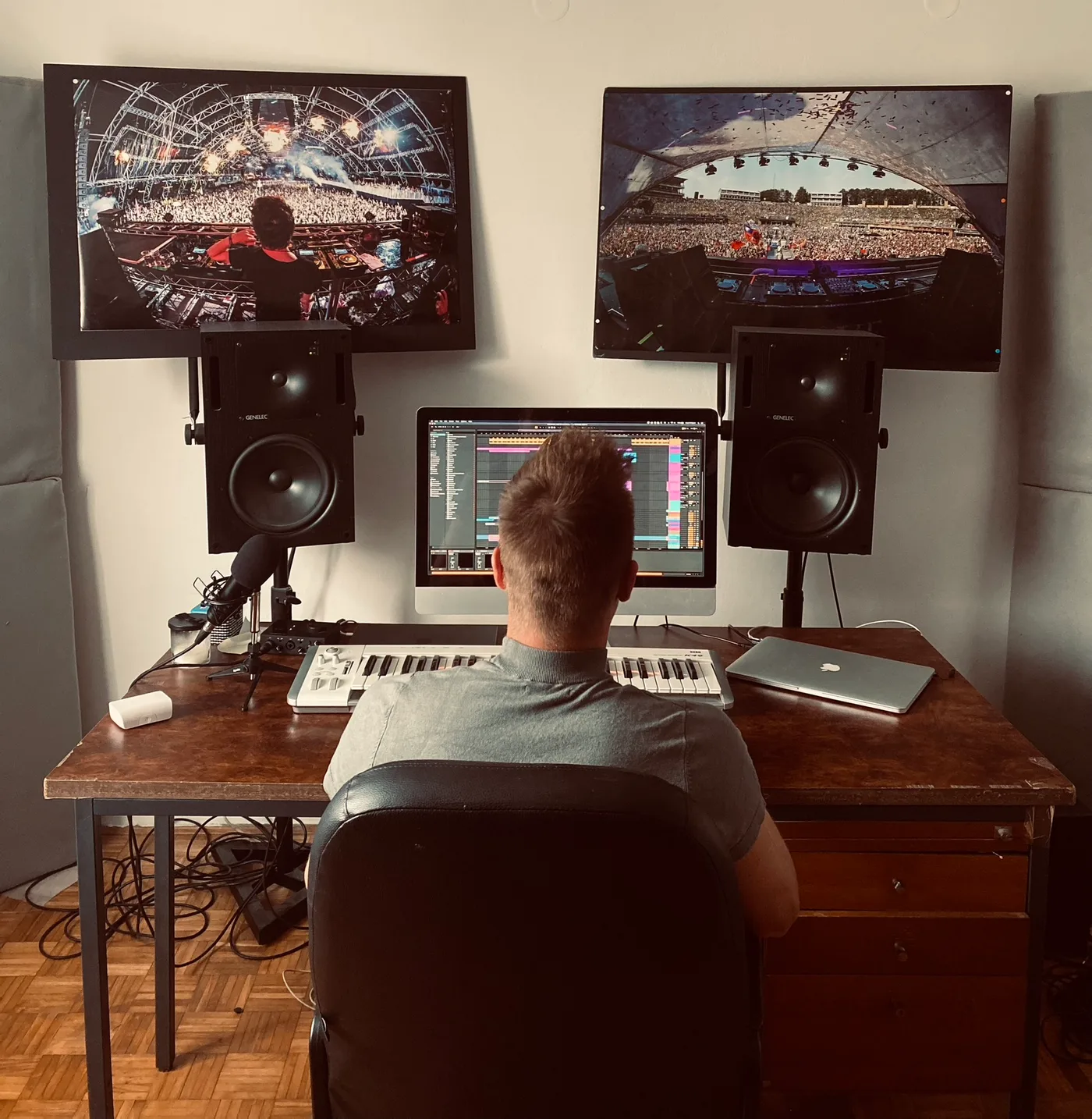
Ortox sits at the intersection of pop and EDM. Sun-soaked melodies, dance-friendly rhythms, and a radio-ready polish that’s hard to fake. His tracks have the kind of hook-forward structure that catches playlist editors and DJs at the same time, which is why his catalog grew so fast once he started actually shipping it.
The sound didn’t come out of nowhere. It came from a decade of taste slowly sharpening in the background, waiting for the technical layer to catch up.
The Results
After graduating, things started moving.
- Signed releases on SMTHNGELSE and a steady flow of label-ready tracks
- Support from industry names including Dannic, Kyder, and Lumberjack
- Mentorships with DJ UMEK and GALOSKI, two top-charting veterans of European electronic music
- Paid ghost production work as a professional income stream
- Millions of plays across streaming platforms and DJ supports
The DJ UMEK and GALOSKI mentorships matter more than any stream count. Both are decades-deep chart veterans. They don’t mentor beginners. The only reason those doors opened for Ortox was that, after the Masterclass, he finally had tracks good enough to put in front of them.
Ten years of invisible work. A few months of structured learning. That’s the order of operations nobody tells you about.
The Gap Nobody Tells Self-Taught Producers About
Ortox’s story is a specific warning to every producer grinding alone.
Passion and hours and raw talent are not enough. He had all three, and he still spent a decade stuck. What broke the plateau wasn’t working harder, it was working inside a framework designed by people who’d already made the trip. The amount he learned in the Masterclass compressed years of trial and error into months of structured progress.
The breakthrough isn’t a secret plugin or a hidden technique. It’s getting the full map from someone who’s already crossed the terrain. Once Ortox had that, ten years of taste and intuition finally had a place to land.
If you’ve been making music for a while and you can feel yourself hitting the same wall, the question isn’t whether you’re talented enough. It’s whether you’re still trying to draw the map yourself.
In His Own Words
We asked Ortox a few questions about his experience.
What finally made you sign up for the Masterclass after teaching yourself for so long?
I hated watching YouTube tutorials and eventually just tried teaching myself. However, at one point, I realized this was not the best way to improve, which is precisely the reason why I started taking courses and private lessons like the Hyperbits Masterclass.
Through constant learning and improving my techniques, I realized this was something invaluable to me. It took my creative process further than most producers go and made me realize how important investing in music education is.
What qualities do you think separate amateur producers from professional ones?
Professional producers must be able to consistently finish the music that they start producing. Amateurs are great at starting tracks and always have a hard drive full of unpublished loops. But professionals finish what they start.
Another quality of a professional producer is being able to produce a remix that’s better than the original and gains more notoriety than the initial song.
What would you say to a producer who isn’t sure about pursuing this as a career?
Dedication, perseverance, patience, and knowledge are essential, accompanied by your genuine passion for music. For most young aspiring DJs, nothing will seemingly happen in the first few years. But you reach a breaking point, and that’s when the fun stuff starts happening, and success follows.
You need to keep on trying despite the obstacles and never give up.

Ortox built his career inside the Hyperbits Masterclass after a full decade of trying to figure it out alone. If you’re a self-taught producer stuck looping the same 8 bars instead of finishing records, it’s the same framework that finally got him unstuck.
If you’re tired of figuring it out alone, see how music production mentorship at Hyperbits works.