

Production
Most unfinished tracks die in the same two places: the empty project and the eight-bar loop. Start from a sound or a sample you like, get to a rough arrangement fast, then fix details. The guides below follow that order, from first idea to finished bounce.
27 articles
Start here
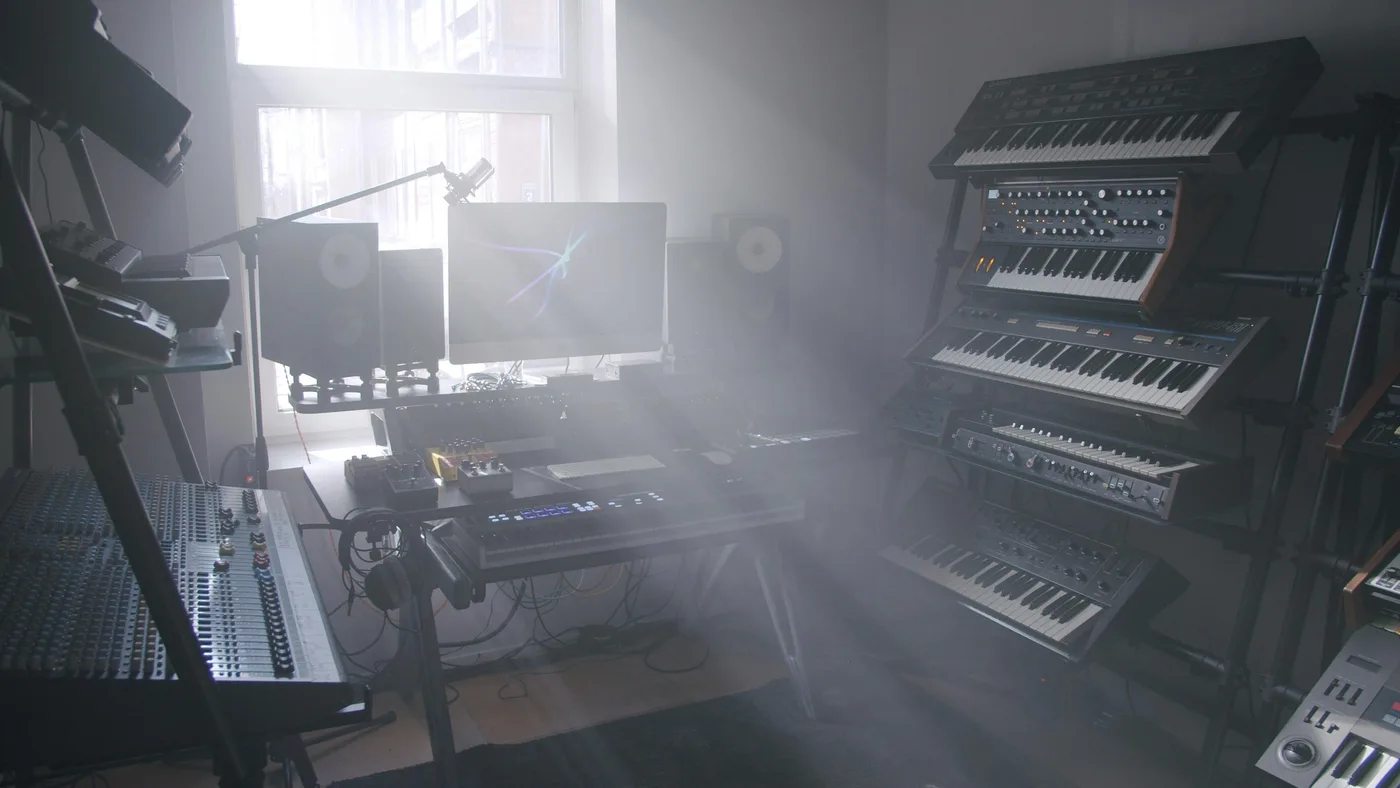
103 Music Production Tips: Mixing, Mastering, Sound Design, Composition & Mindset
The most comprehensive collection of production tips we have ever put together. Covers workflow, mixing, sound design, arrangement, and mindset.


How to Start a Song in an Empty DAW: 8 Creativity Hacks
Starting is the hardest part. Here are concrete methods for getting past the blank project and into a flow state.
Essential Guide to EDM Song Structure
A clear breakdown of how electronic music is structured, from intros and breakdowns to drops and outros, with examples from real tracks.
Starting and finishing
How to Start a Song in an Empty DAW: 8 Creativity Hacks
Starting is the hardest part. Here are concrete methods for getting past the blank project and into a flow state.
8-Step Finishing Checklist
Finishing tracks is a skill, not a talent. This checklist gives you a repeatable process for getting from "almost done" to actually done.
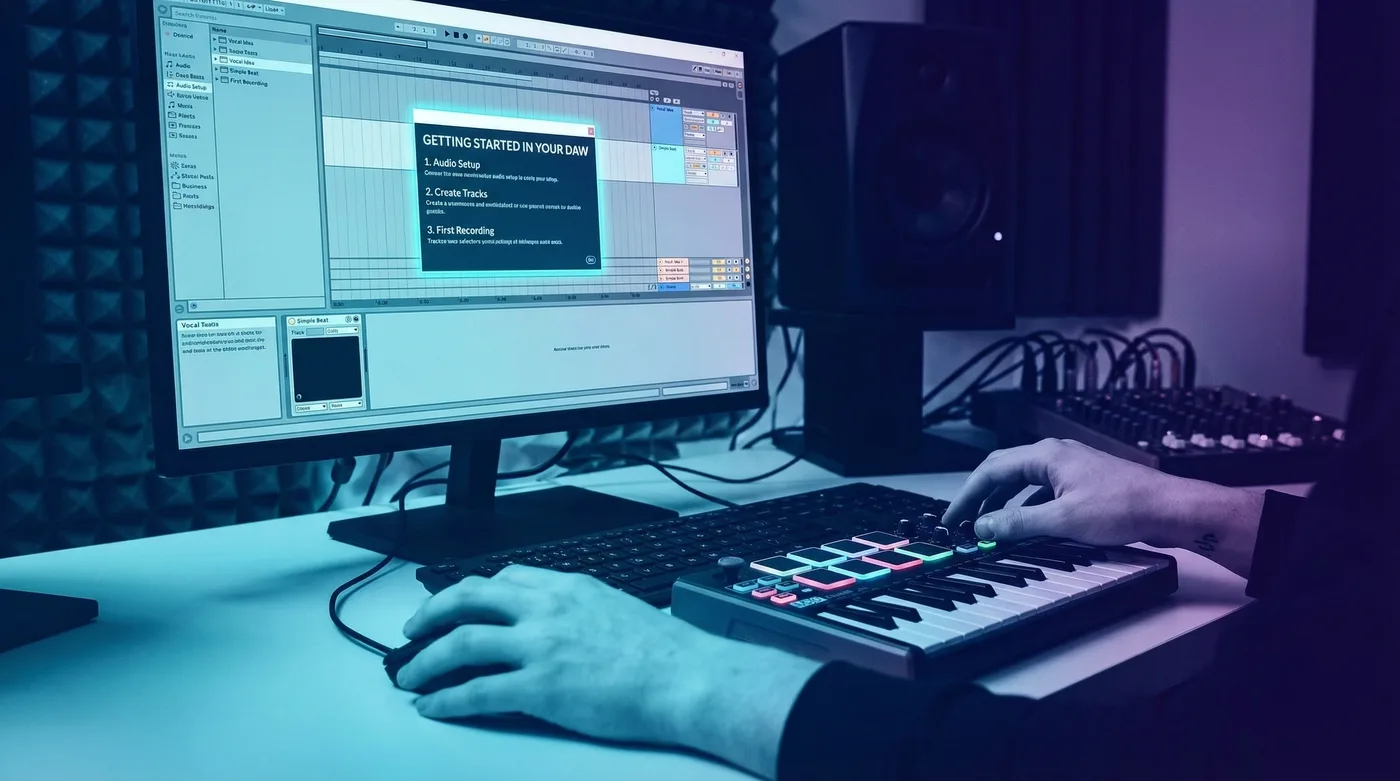
How to Produce Music: Everything You Need to Get Started
If you are just getting started with music production, this guide walks you through the process from choosing a DAW to finishing your first track.
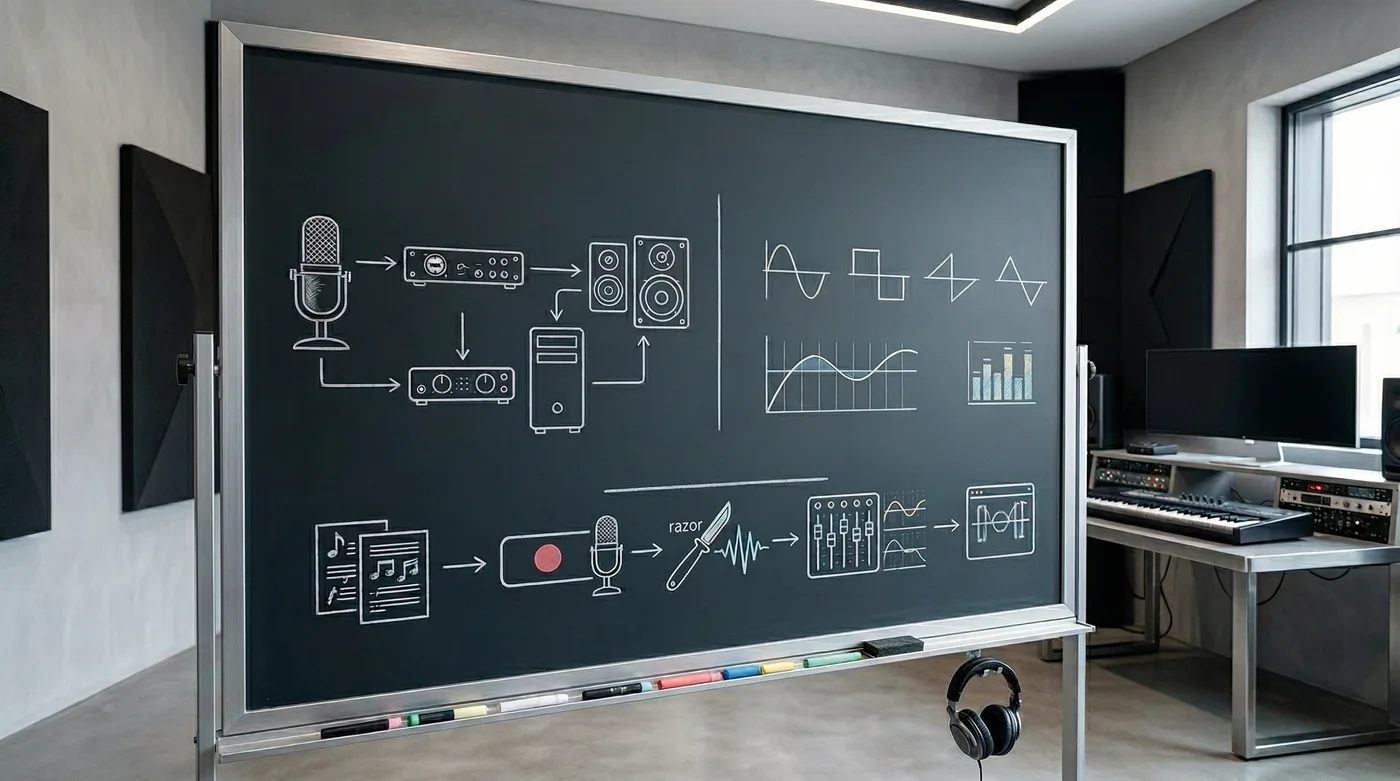
9 Best Ways to Learn Electronic Music Production
There is no single right way to learn production, but some methods are far more effective than others. Here are nine that actually work.

20 Lessons In Music Production I Wish I Knew When I Started
Twenty hard-won lessons from years of producing. Each one would have saved months of wasted effort if someone had told me earlier.
The 7 Deadly Mistakes New Music Producers Make
These seven mistakes are incredibly common among beginners, and every one of them is avoidable once you know what to look for.
7 Backward Lessons in Music Production That'll Piss You Off
Some of the best advice in production is counterintuitive. These seven lessons go against conventional wisdom, but they work.
Arrangement and structure
Essential Guide to EDM Song Structure
A clear breakdown of how electronic music is structured, from intros and breakdowns to drops and outros, with examples from real tracks.
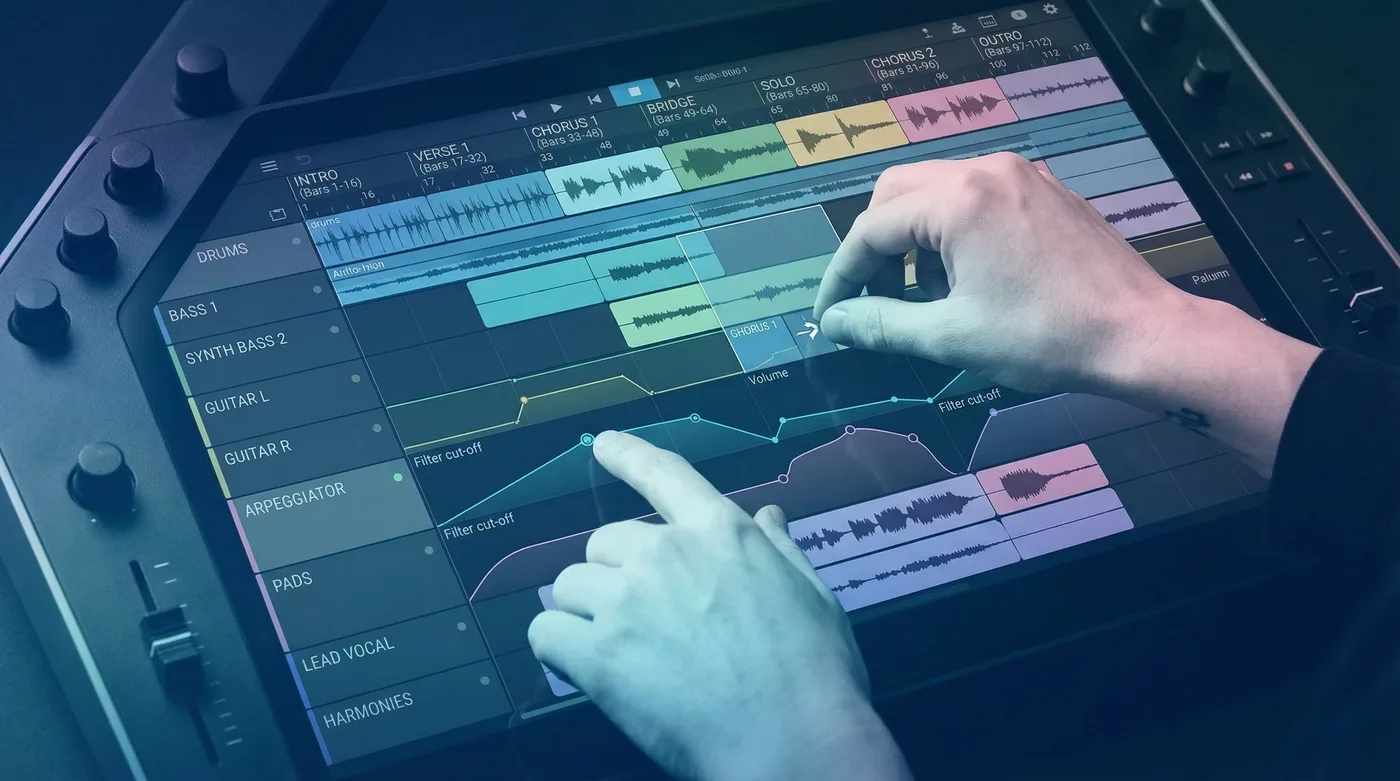
The Art of Arranging a Song
Arrangement is what separates an eight-bar loop from a finished song. Learn how to build tension, create sections, and keep listeners engaged.

6 Tips for Effective EDM Build Ups
The buildup is what makes the drop hit. Here are the specific techniques for creating tension and anticipation that pays off.
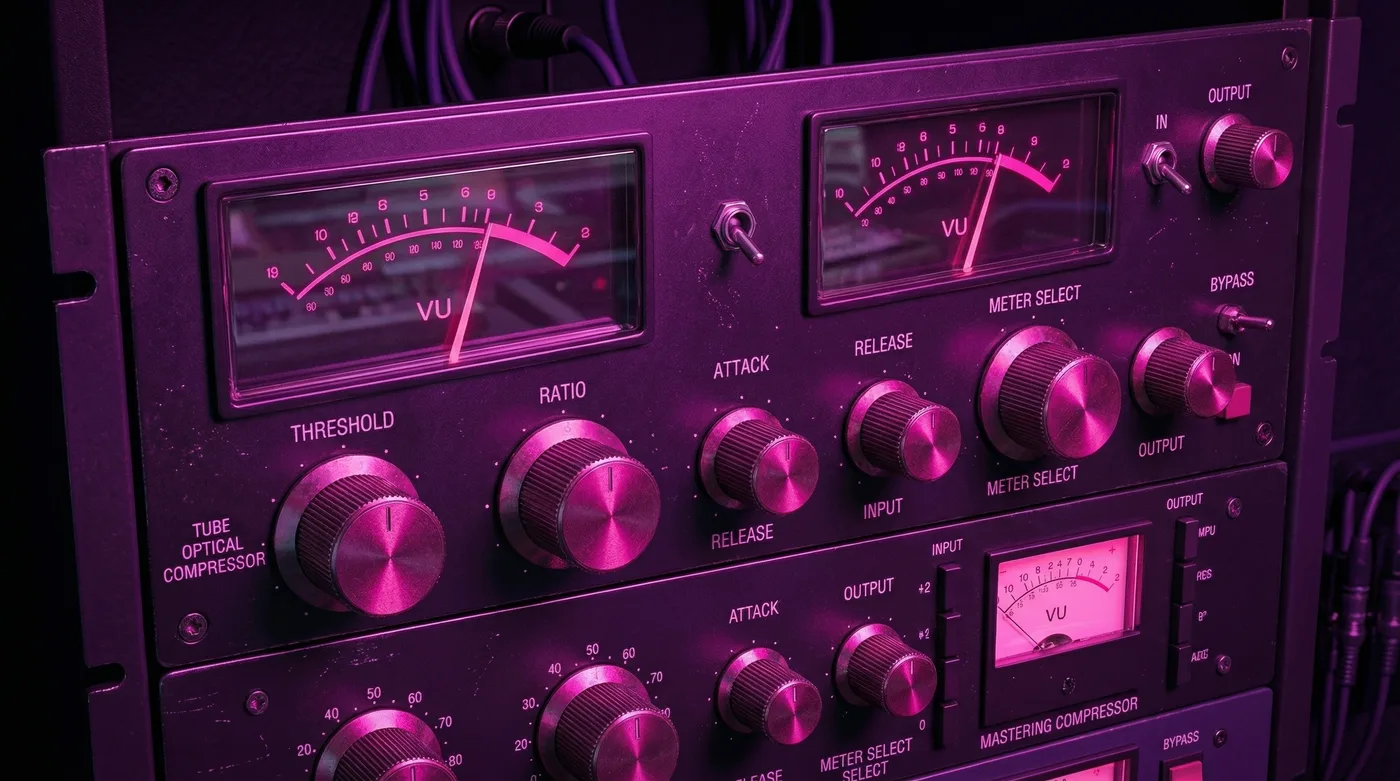
Dynamics in Music: The Key To Emotional Productions
Music that sounds the same from start to finish is boring. Here is how to use dynamics to create emotional impact in your productions.
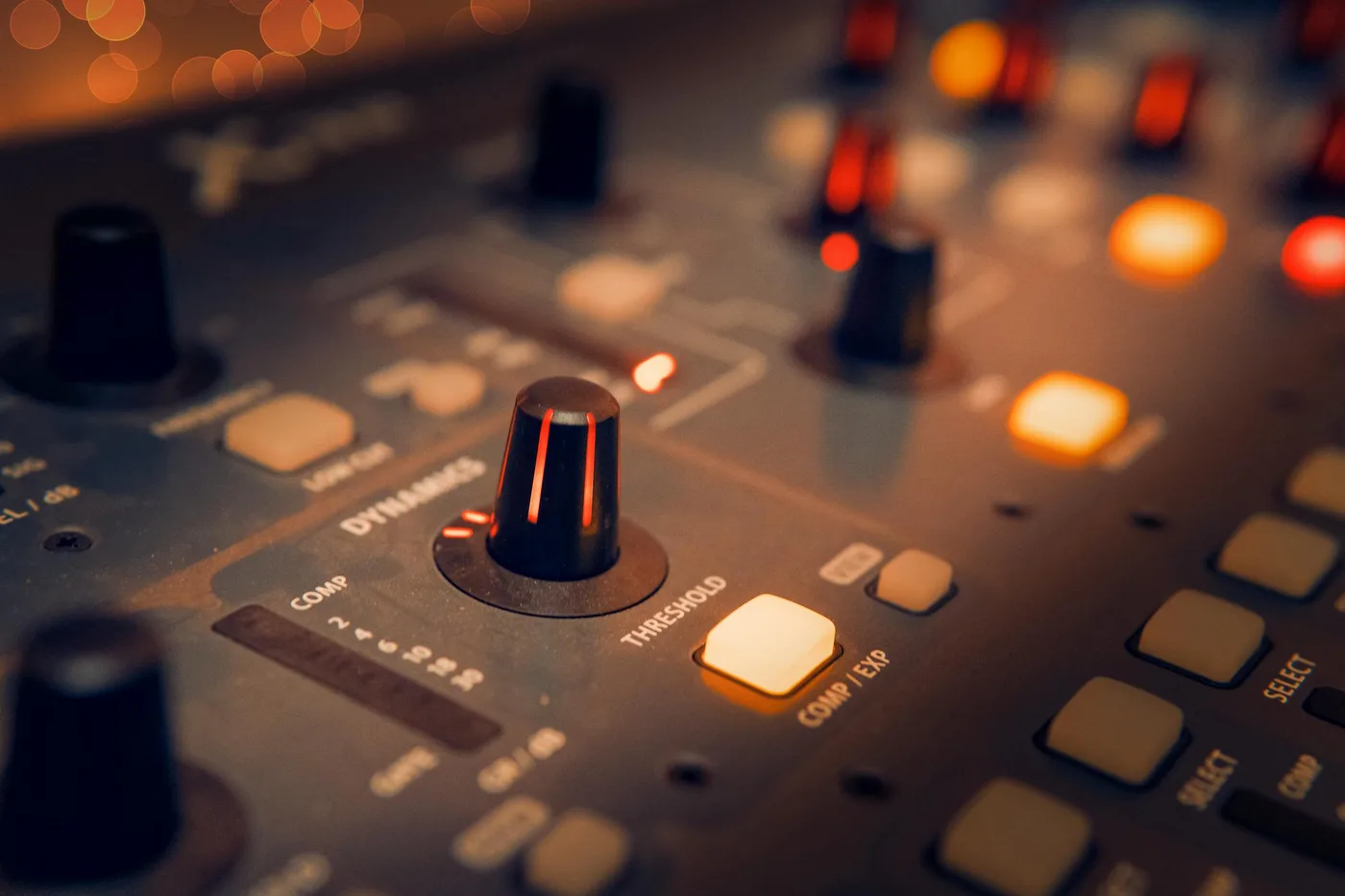
The Mono-Build Trick
Collapsing your buildup to mono makes the stereo drop feel massive by comparison. Here is exactly how to set it up.
Sound design
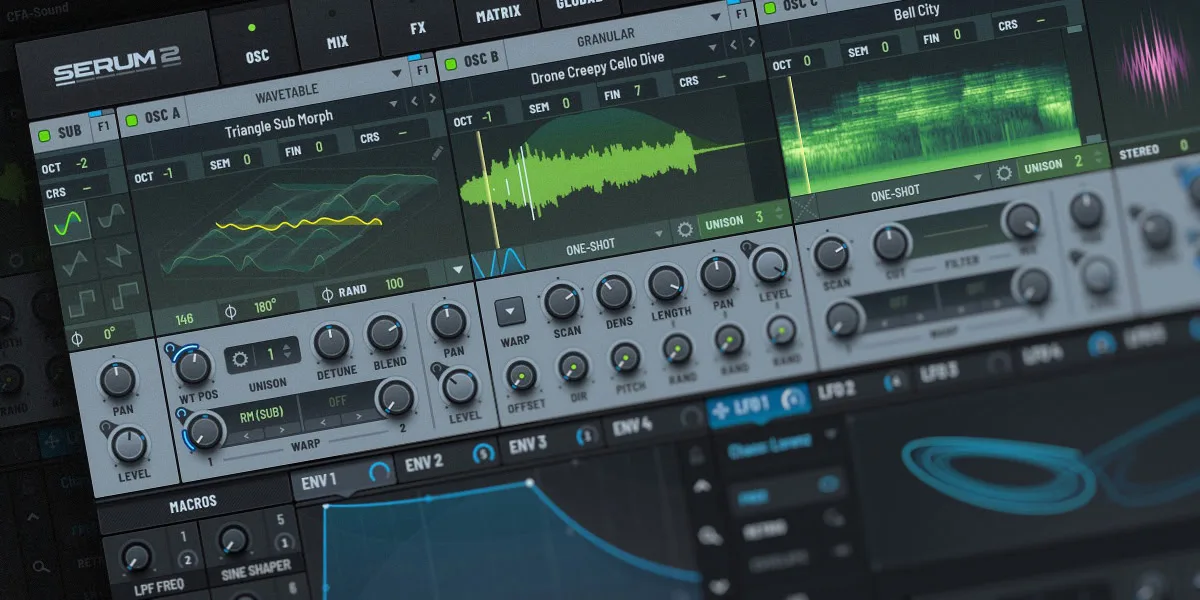
12 Serum Sound Design Tips You Need to Know
Serum is one of the most powerful synths ever made, and most producers barely scratch the surface. These twelve tips will change how you use it.
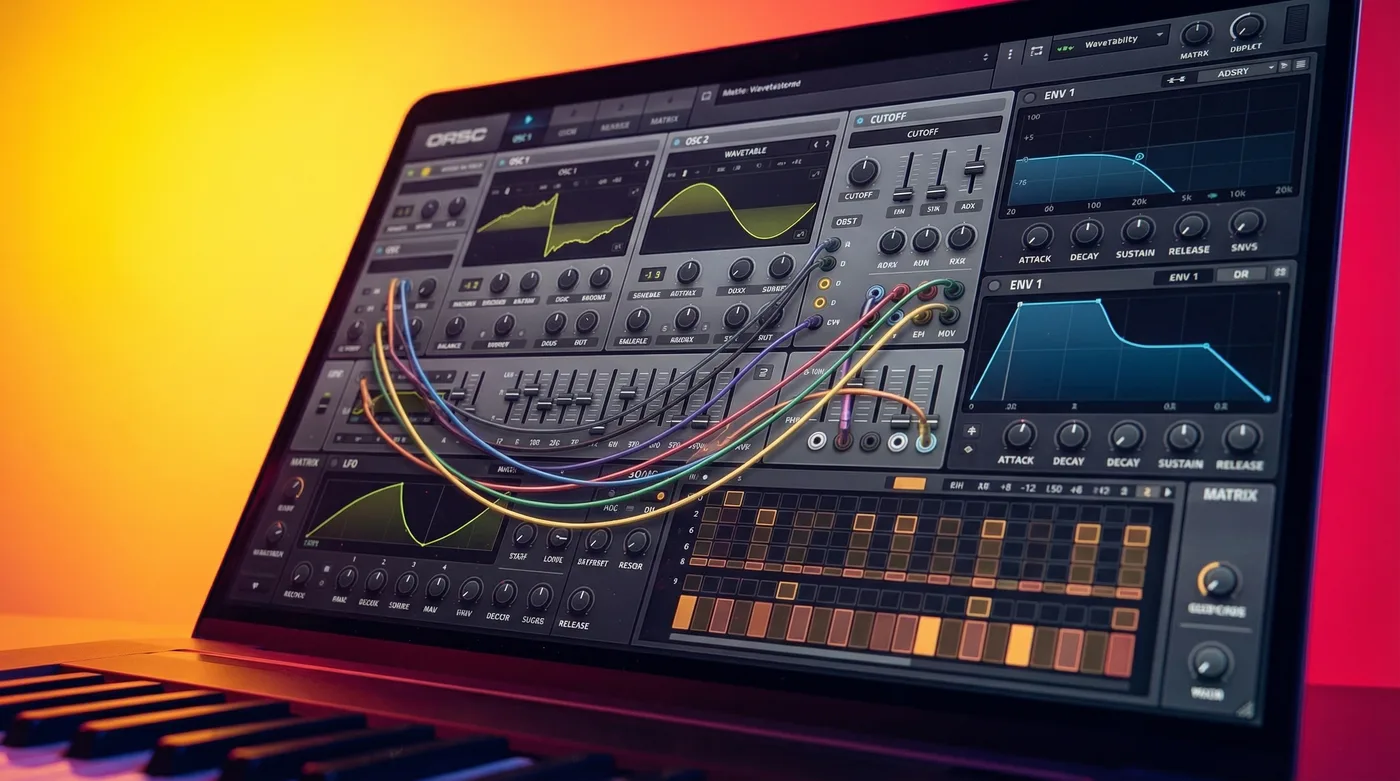
Redefining Sound Design: 5 Innovative Techniques
Sound design does not have to mean hours tweaking oscillators. These five techniques take unexpected approaches to creating new sounds.

Layering Sounds: 20 Professional Strategies
Layering is how producers create sounds that are bigger than any single instrument. Here is how to do it without creating a muddy mess.
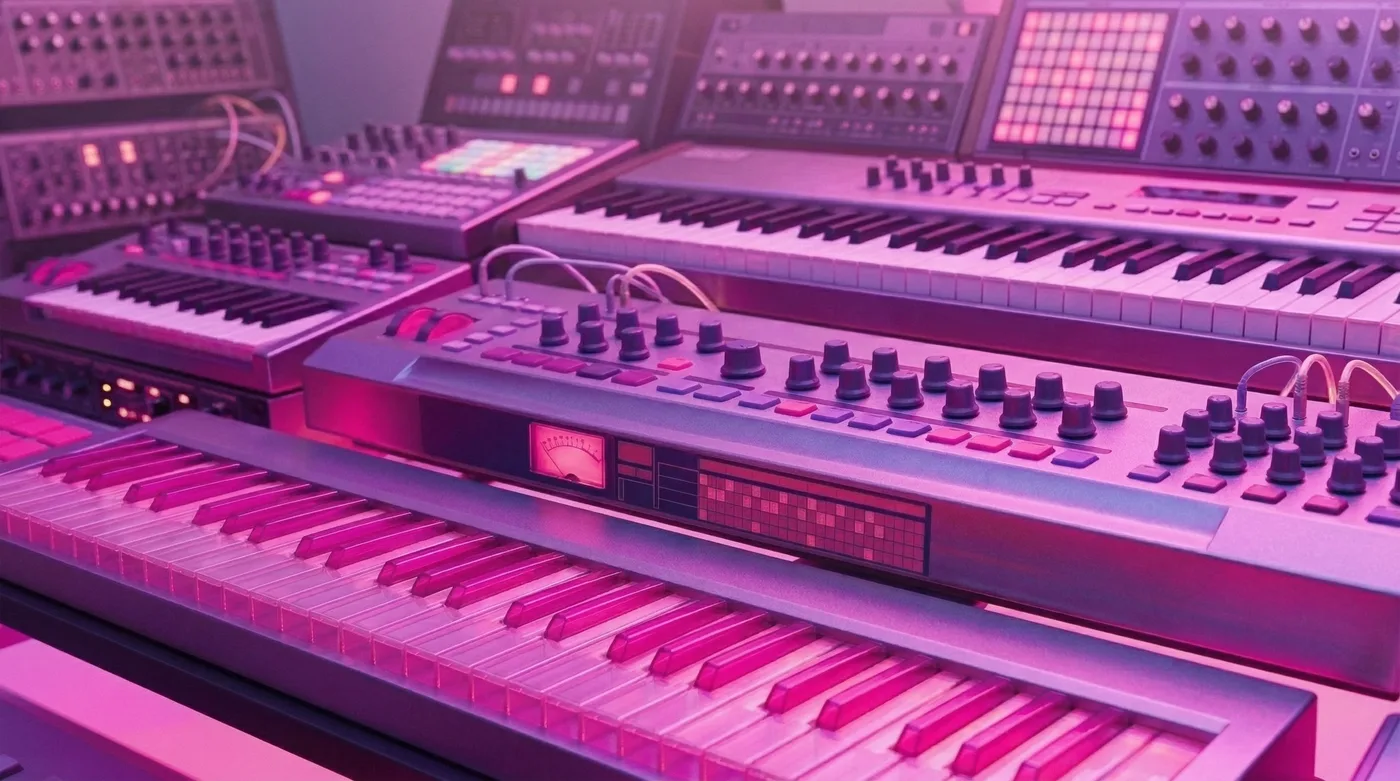
Ultimate Guide to Layering & Humanizing Pianos in Electronic Music
Getting piano parts to sound real in a DAW takes more than a good sample library. Here is how to layer and humanize piano performances.

How to Create a Perfect 808 Bass: A Complete Guide
A well-tuned, hard-hitting 808 is the backbone of modern music. Here is how to process, tune, and mix 808s that translate on any system.
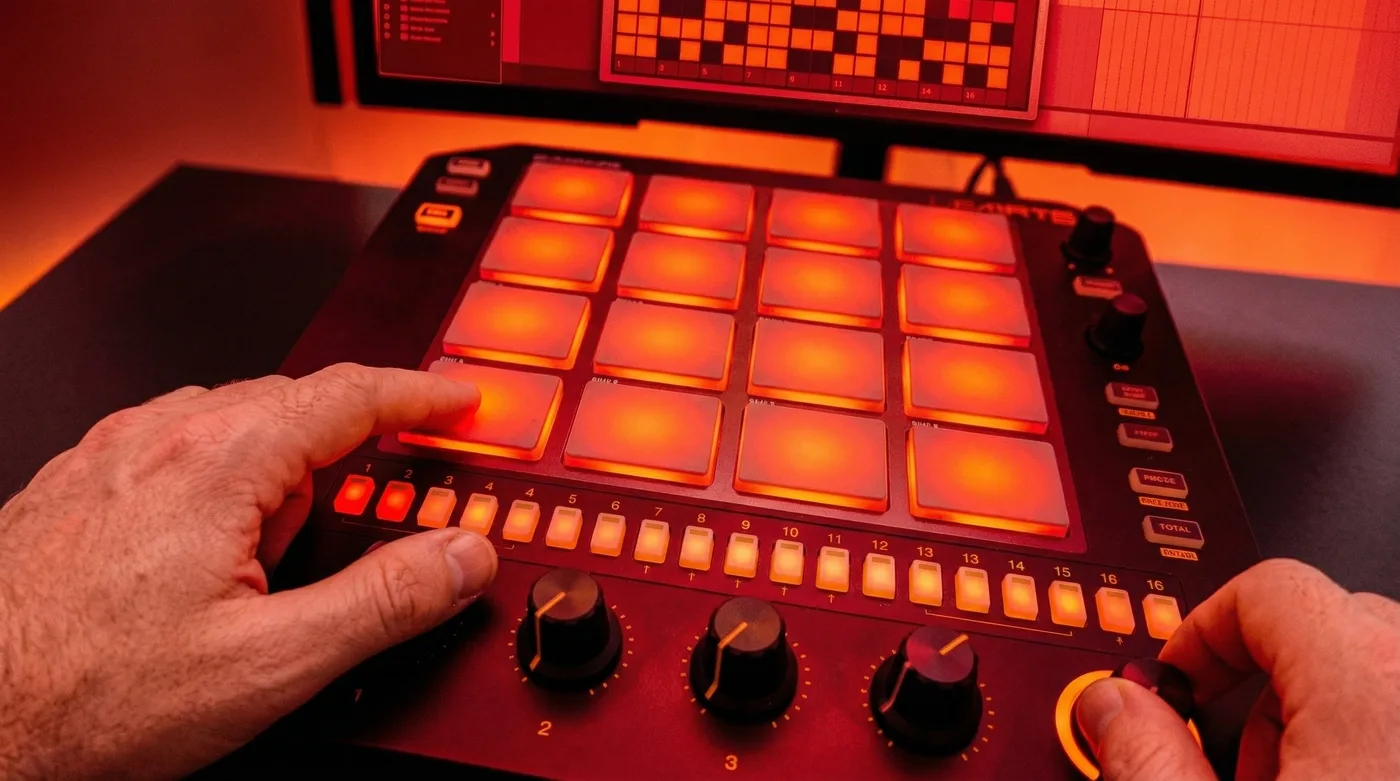
Ultimate Guide To Drum Programming
Programming drums that sound human and feel right is a skill. This guide covers patterns, velocity, swing, and ghost notes across genres.
Sampling and remixing
How to Sample Any Sound: The End All Guide
Sampling is one of the most creative tools in production. Here is how to find, chop, process, and flip samples into something new.

Sampling Kicks: How to Sample Kick Drums from Any Song
Ever heard a kick in a track and wanted to steal it? Here is a step-by-step method for isolating and sampling kick drums from existing songs.
8 Creative Ways to Use Sample Packs & Soundbanks
Most producers drag in samples and press play. Here are eight ways to manipulate and transform sample packs into something uniquely yours.

How to Remix a Song: 71 Essential Tips
Remixing is part creative vision, part technical skill. This guide walks through the full process from getting stems to delivering a finished remix.
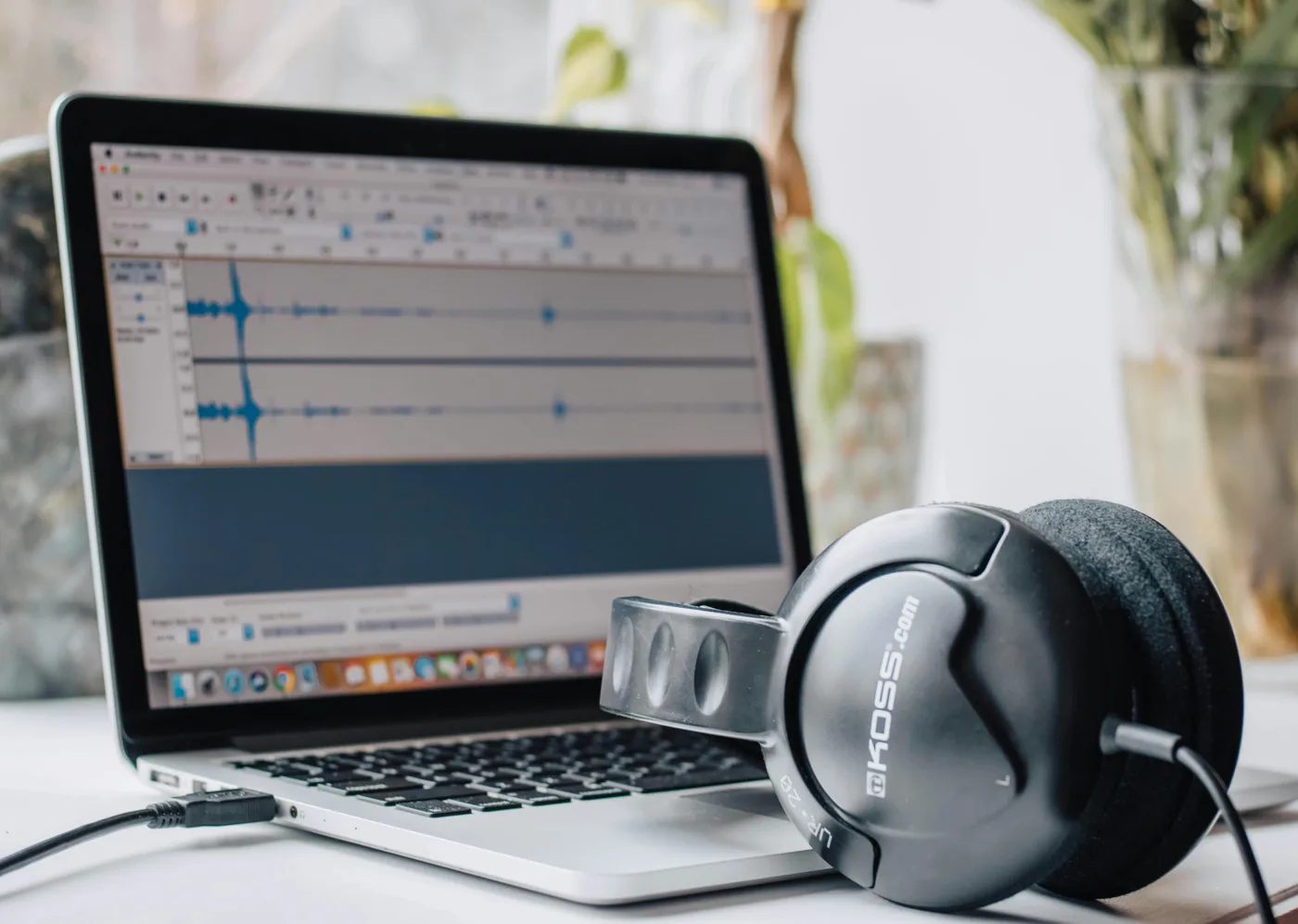
8 Audio Editing & Warping tips for Ableton Live & Logic Pro
A practical guide to time-stretching, warping, and editing audio in both Ableton and Logic, with tips for keeping things sounding natural.
Feel and movement

8 Strategies to Humanize Your Music
Perfectly quantized music often sounds lifeless. These techniques add the subtle imperfections that make digital productions feel alive.

A Guide to Automation and Movement in Music
Static mixes sound flat. Automation is how you bring your mix to life with evolving filters, volume rides, and parameter changes.
Worth reading
103 Music Production Tips: Mixing, Mastering, Sound Design, Composition & Mindset
The most comprehensive collection of production tips we have ever put together. Covers workflow, mixing, sound design, arrangement, and mindset.

The 75 Best Music Production Blogs in 2026
The music production blogs worth following in 2026, sorted by what you want to learn, with how often each one really posts and where to start reading.
Common questions
- How do I start a track when I have no ideas?
- Start from something that already works. Drag a reference track you love into the project and mark out its sections, so the structure is mapped before you write a note. Then grab a starting point, like a progression from a MIDI pack, a drum loop, a vocal sample or a preset you like. Give yourself two to four hours to turn it into an eight-bar idea you're excited about, and if it isn't happening, start a new one.
- Why can I never finish a song?
- Usually it's perfectionism, and it shows up as polishing the same eight-bar loop because that's the part that already sounds good. Map the full structure early against a reference track in your genre, even if the sections are rough. Then set a real deadline, somewhere around 8 to 15 hours of work per song, because a rough finished song teaches you more than a polished loop. Finishing is the core of the first module of the Hyperbits Masterclass, where you build the workflow and habits that turn a folder of loops into a catalog of finished tracks.
- How do I make my drop hit harder?
- A drop hits because the full frequency spectrum comes back at once, so the build has to take something away first, usually the low end and the groove. Stack tension into the build with several risers sitting low in the mix and layered snare rolls, and automate a filter or a small volume dip so the downbeat lands with more contrast. Narrowing the stereo image toward mono and snapping back to full width at the drop adds another jolt. None of it works if the kick and bass in the drop don't agree, because that low end is what the listener was waiting for.
- My track sounds flat and static. What is missing?
- Movement. Music made on a grid wants to sound like it came from a computer, so something should change at least every eight bars, whether that's a drum fill, a layer dropping out, a reverse cymbal or a melodic fill. Inside the sounds themselves, subtle auto-panning or filter modulation buried low in the mix makes pads and hats feel alive without anyone noticing why. Bringing productions to life like this is a full module of the Hyperbits Masterclass, so your tracks breathe and build the way the records you love do.
- How long should a track take?
- For most producers, a good target is 8 to 15 hours: two to four hours to develop an idea worth pursuing, an hour or two to structure it against a reference, three to five hours of mixing and detail work, then an hour or two of mastering. Plenty of songs land outside that range, and it gets faster the more you finish. If a project has been open for months, more tweaking usually isn't what it needs. Take a short break every hour and listen again the next day before you call it done.