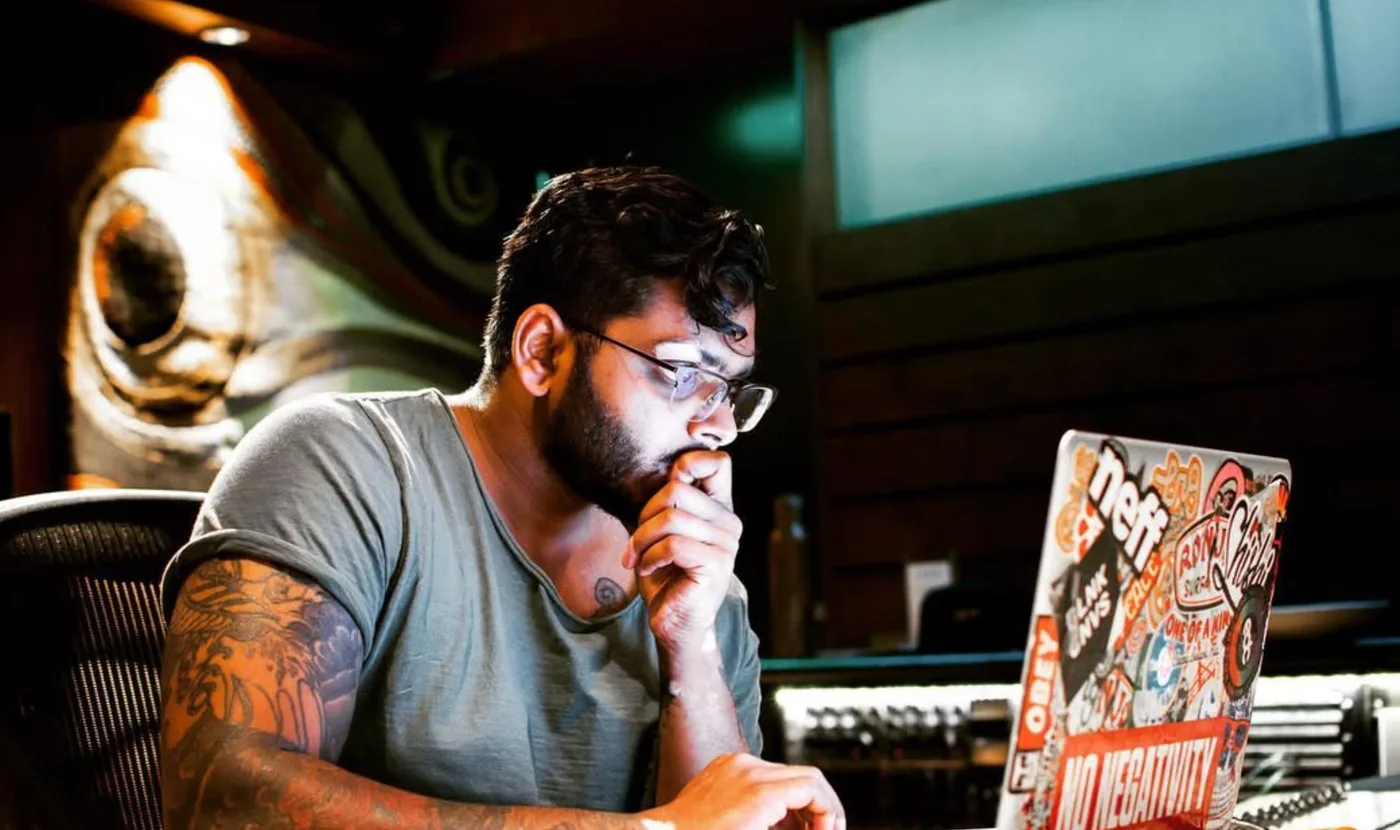
Kirk Cosier had been producing for almost a decade when he hit the wall.
The ideas were there. The melodies were there. He’d been making trap and melodic EDM long enough to know what a professional track sounded like. He just couldn’t figure out how to make his own sound that way.
Every mix came out muddy. Nothing separated. Nothing had the clarity or punch he was hearing in the tracks he looked up to.
Most producers hit this wall and blame their plugins. Or their monitors. Or their room. Kirk was smart enough to know the problem wasn’t any of those things. He was missing something about how professional mixes actually get built, and no amount of YouTube tutorials was going to show him what it was.
He crossed that gap inside the Masterclass. A few years later his tracks were getting played by Skrillex, Jack U, Adventure Club, and Party Favor.
The Starting Point
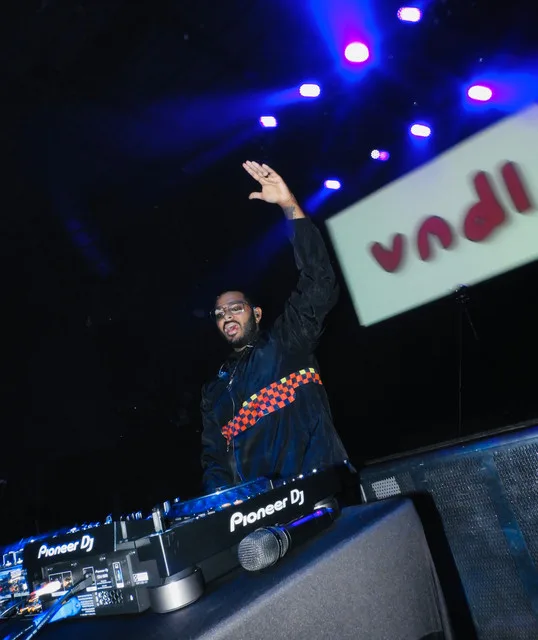
Kirk started young. An iMac, GarageBand, and a black Ibanez bass his cousin had traded a guitar pedal to get him. By the time he found the Masterclass he already had years of experience and a handful of small wins under his belt.
What he didn’t have was a signal chain that worked.
He could hear exactly what was wrong with his mixes but had no idea how to fix it. Tracks came out cloudy. The low end fought with the mids. Elements bled into each other instead of sitting in their own pockets. He’d watched every tutorial, tried every EQ trick, and none of it added up to a mix that could compete with the tracks he was inspired by.
He didn’t need more ideas. He needed someone who could show him how pro producers actually route, EQ, and process their mixes from the ground up.
The Breakthrough
Two things changed for Kirk in the Masterclass, and both of them stuck years later.
First: a complete overhaul of his signal chain.
Before the program, Kirk was doing what most self-taught producers do. Dropping plugins on channels as problems appeared, reaching for EQ when something sounded weird, hoping each fix would stack into a clean mix. It never did. The Masterclass gave him a structured approach to signal flow, processing order, and gain staging that he could apply to any track in any genre.
The result was instant. “I noticed a huge jump in clarity and punch in the song we worked on during the Masterclass.” That one session rewired how he approached every track after it.
Second: mentor-level feedback at the exact moment he needed it.
Kirk wasn’t a total beginner when he enrolled. He came in with real experience and small wins already on the board. What he needed wasn’t another course full of basics. He needed someone to look at what he was doing and point out the handful of specific things that were holding him back.
That’s what the program delivered. Not generic advice, but the kind of targeted feedback you only get from someone who’s already shipped records at the level you’re trying to reach.
Kirk called it “the perfect point in my journey” because the program met him exactly where he was.
The Sound
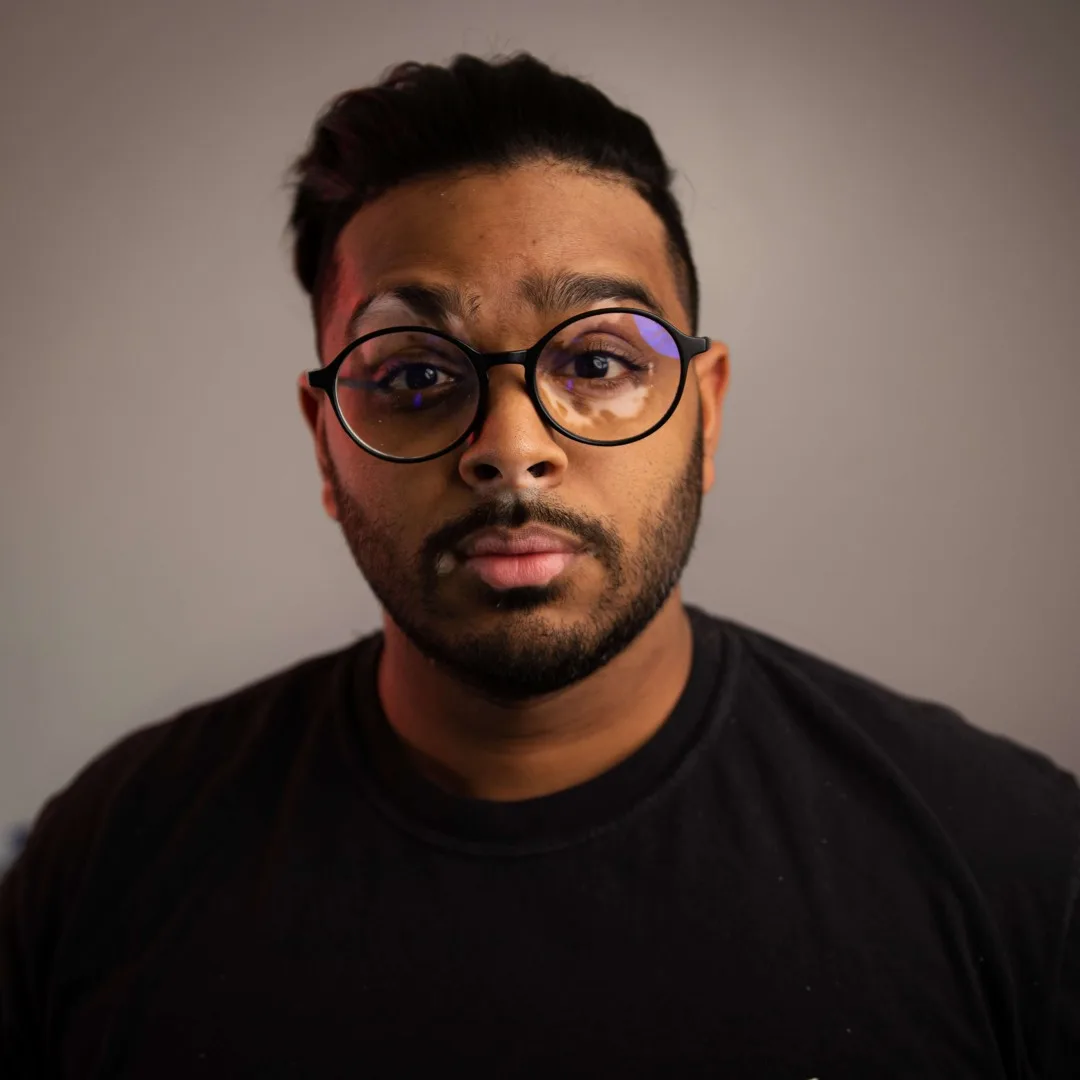
VNDL’s early work lived in trap and melodic EDM, heavy on the bass and pulling from metal and hardcore influences most EDM producers never touched. His faith shaped the emotional weight of the music, and his range as a multi-instrumentalist (bass, guitar, vocals) gave his tracks a texture most bedroom producers couldn’t replicate.
Since the Masterclass, his sound has kept evolving. He picked up guitar from a friend at church, started singing during quarantine, and shifted his workflow from software-only composition to writing ideas with voice and guitar first. The production comes second now. The song comes first.
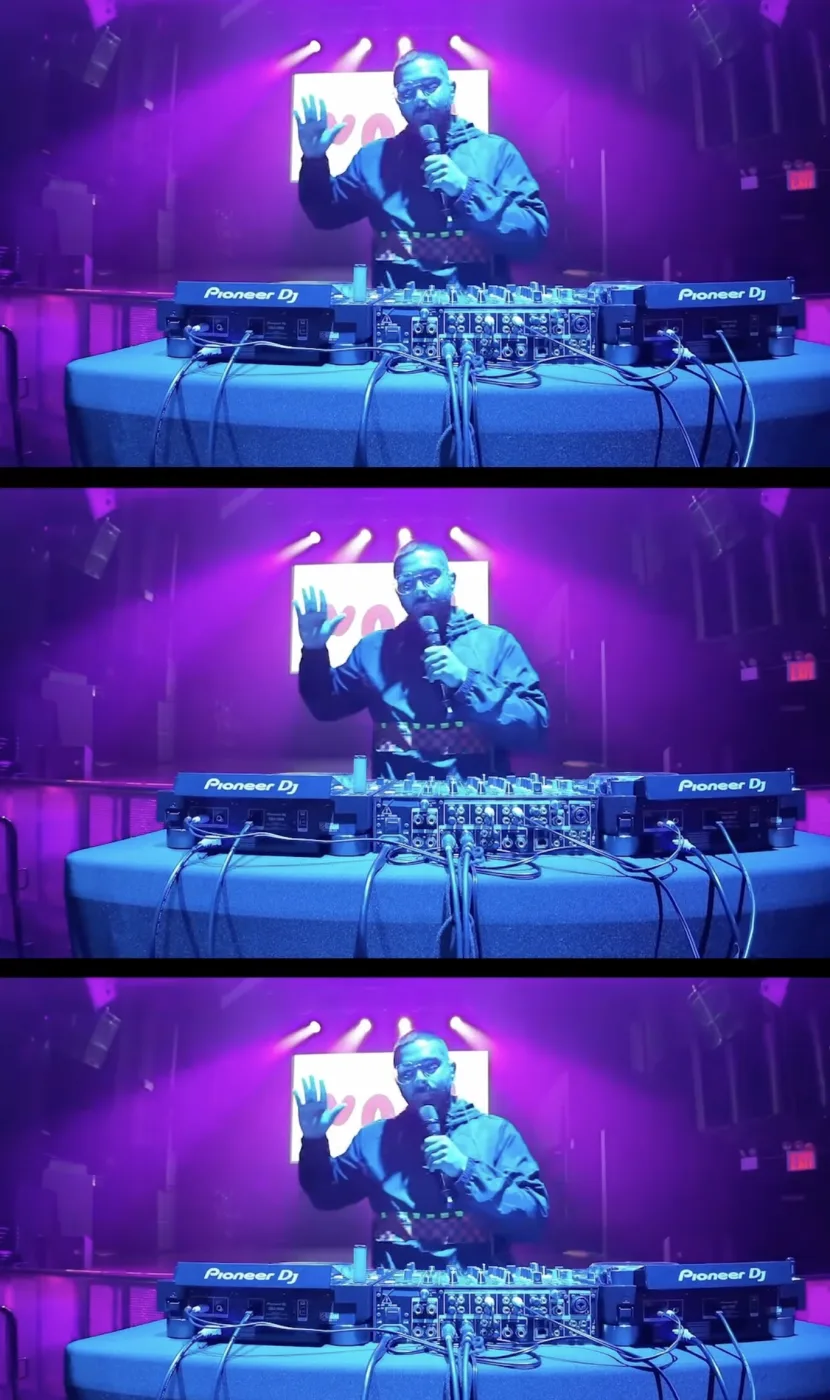
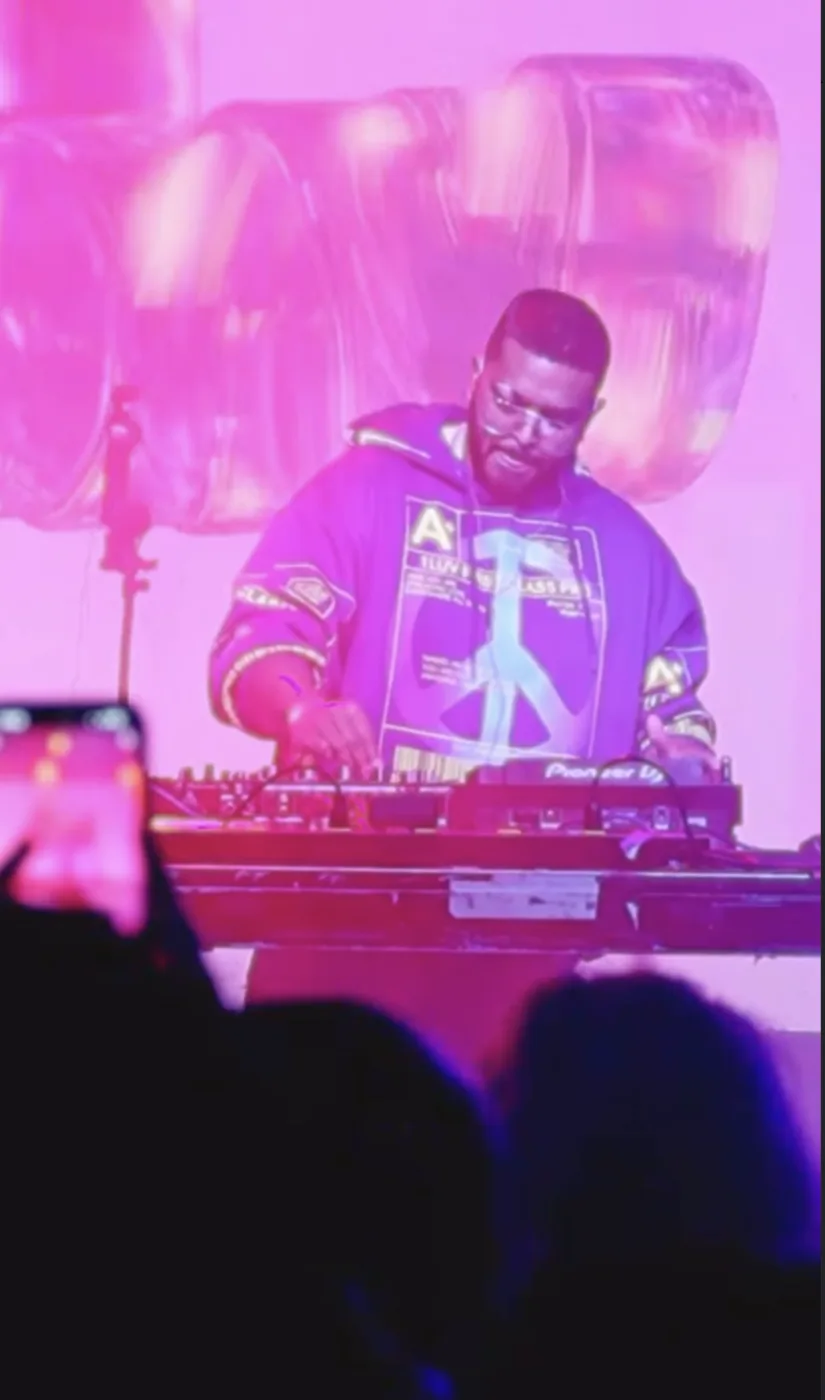
That shift turned him into a hybrid producer-songwriter, which is exactly the kind of versatility that got Splice to bring him on as their go-to for post-production.
The Results
The numbers and the milestones both tell the story:
- 1M+ streams on his breakout label single Slipping Away with Ben Hall and Cheney Parsons
- DJ support from Skrillex, Jack U, Adventure Club, and Party Favor on a remix
- Post-production role at Splice, the largest sample distributor in the world
- 14+ years producing, with the skills that came from the Masterclass still driving his workflow today
None of this happened overnight. Kirk is the first to say that. But the jump from “decent producer with small wins” to “go-to guy at Splice with support from the biggest names in bass music” didn’t come from more hours on YouTube. It came from closing one specific gap at exactly the right time.
Once the mixes got clean, everything else had room to happen.
The Gap Nobody Talks About
Kirk’s story isn’t about talent. He had talent from day one.
It’s about knowing the difference between inspiration problems and execution problems, then getting help with the one that’s actually holding you back. For Kirk, inspiration was never the issue. He had ideas, he had taste, he had influences most producers envied. What he lacked was the technical framework to get those ideas out of his head and into a clean, competitive mix.
Most producers can’t tell their inspiration problems from their execution problems. They think they need a new sample pack when they actually need to fix their gain staging. They think they need a new synth when they actually need to rebuild their signal chain. The Masterclass works because it forces you to name the specific thing that’s broken, then gives you the structured fix.
Kirk named his gap. He closed it. Everything else followed.
In His Own Words
We asked Kirk a few questions about his experience.
What was most frustrating about music production when you were just starting out, and did the Masterclass help?
I didn’t know how people were getting such clean mixes. I was never able to really separate things out and get clarity in my mixes.
The Masterclass definitely helped me set up my signal chain in a way that I’d get cleaner mixes. I noticed a huge jump in clarity and punch in the song we worked on during the Masterclass.
How did the Masterclass help you succeed in your career?
I came into the Hyperbits Masterclass at a perfect point in my journey. I was decent, had a bit of small success behind me, and just needed mentor-like guidance.
Serik was able to give me that and show me a few things that would take my music further than most producers go. The Masterclass helped me approach my music with more understanding of how to get the professional sound I want.
What qualities separate amateur producers from professional ones?
A lot of the top producers actually have a few things that separate them.
The first is that they work extremely well with people, so their network is strong and they have a ton of talented friends. Next, they work hard and practice their craft out of sheer enjoyment of it. Lastly, they approach their music as a business and can balance the emotion of creating music with the business of releasing it.
Obviously skill level plays a big factor. But bigger picture, those three mindsets set a professional apart from an amateur.
VNDL built the foundation of his signature sound inside the Hyperbits Masterclass. If you’re a producer with the ideas but without the signal chain to get them sounding professional, it’s the same program and the same framework that got Kirk there.
If you want working producers listening to your signal chain, see how coaching and mentorship at Hyperbits work.
Heads up: some of the links below are affiliate links. If you buy through one, we earn a small cut (costs you nothing extra). But we'd point you at this exact gear whether we made a dime or not.