

Plugins & Gear
Buy the room and the monitors before the plugins, then fill gaps one at a time. Most producers need one clean EQ, one compressor they trust, one reverb and one delay, and your DAW already covers more of that than you think. Everything below says who each option is really for.
42 articles
Start here
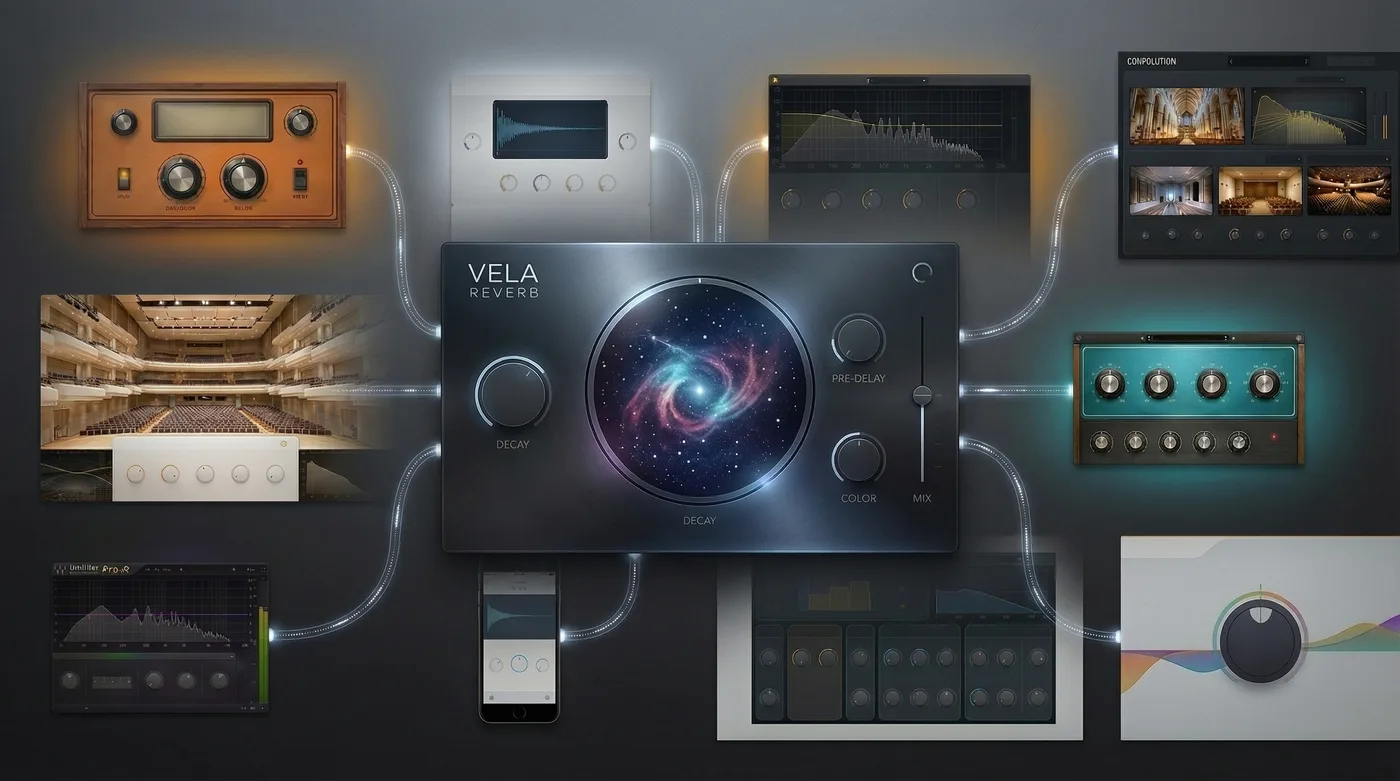
The 20 Best Reverb Plugins in 2026
A curated list of reverb plugins that range from pristine algorithmic to lush convolution, with recommendations for different use cases.

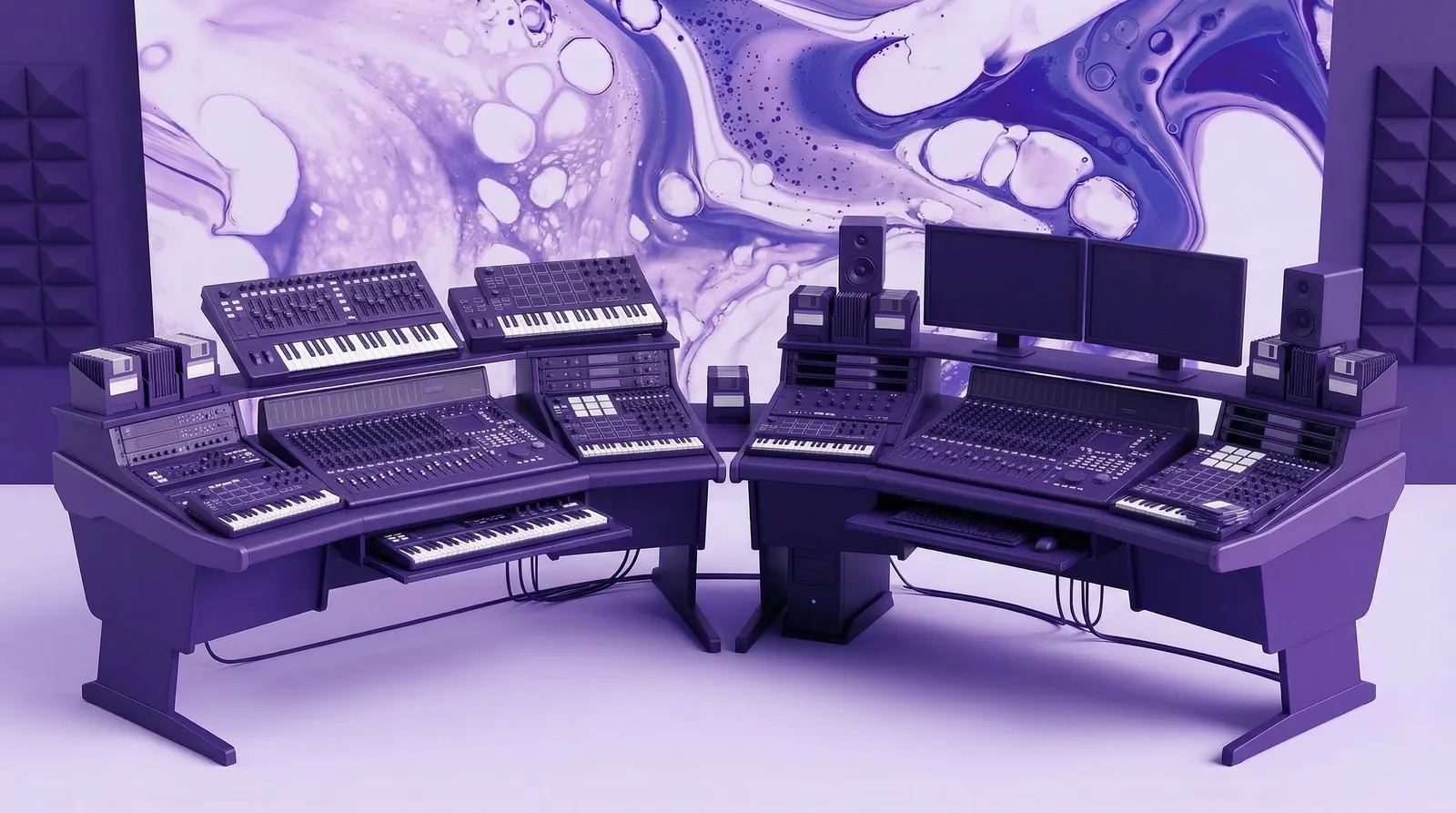
The 17 Best Studio Desks for Music Producers
A good studio desk keeps your gear organized and your posture intact. These desks are built specifically for production setups.
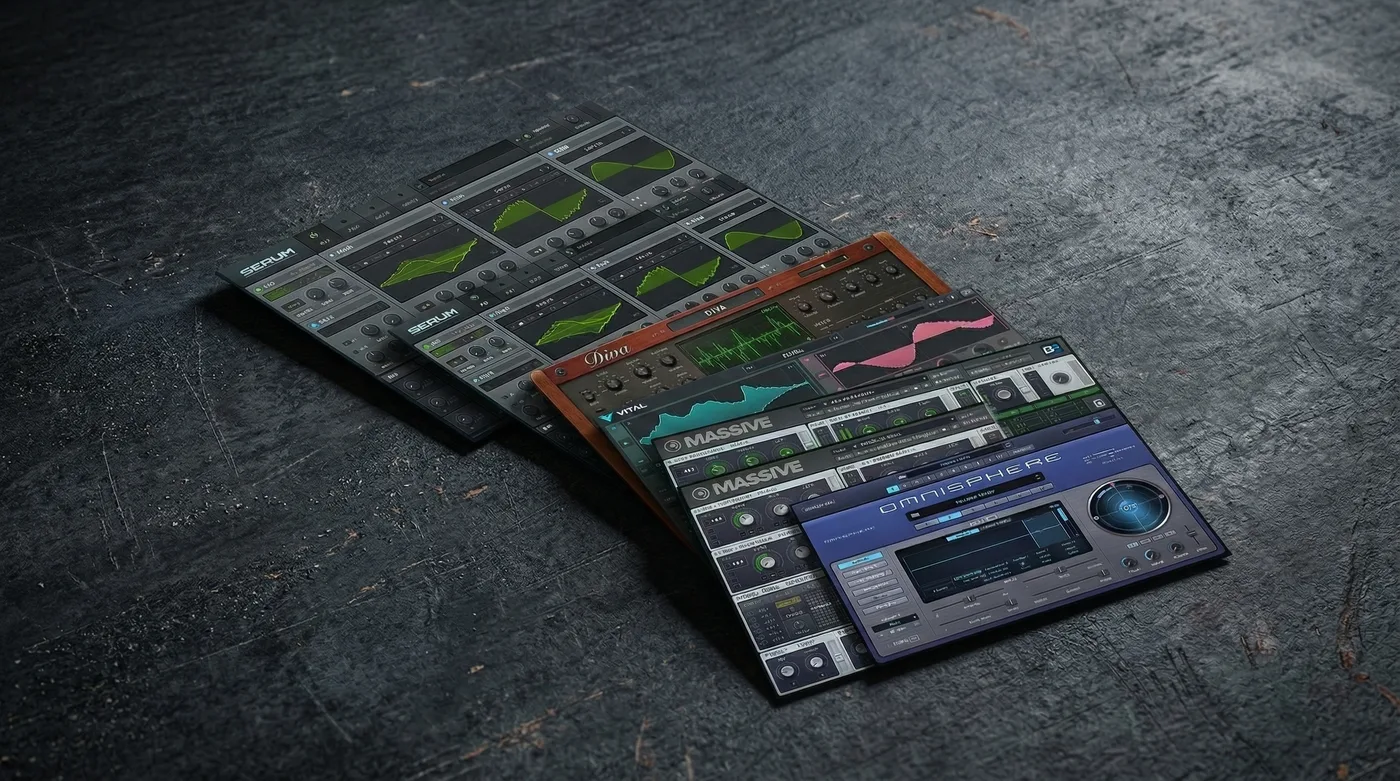
The 11 Best Synth Plugins & VSTs for Every Genre
From wavetable monsters to classic analog emulations, these are the synth plugins that belong in every producer's toolkit.
Mixing and mastering plugins

The Top 21 Best EQ Plugins in Music Production
Whether you want surgical precision or analog color, these EQ plugins cover every scenario you will run into while mixing.
The 20 Best Reverb Plugins in 2026
A curated list of reverb plugins that range from pristine algorithmic to lush convolution, with recommendations for different use cases.
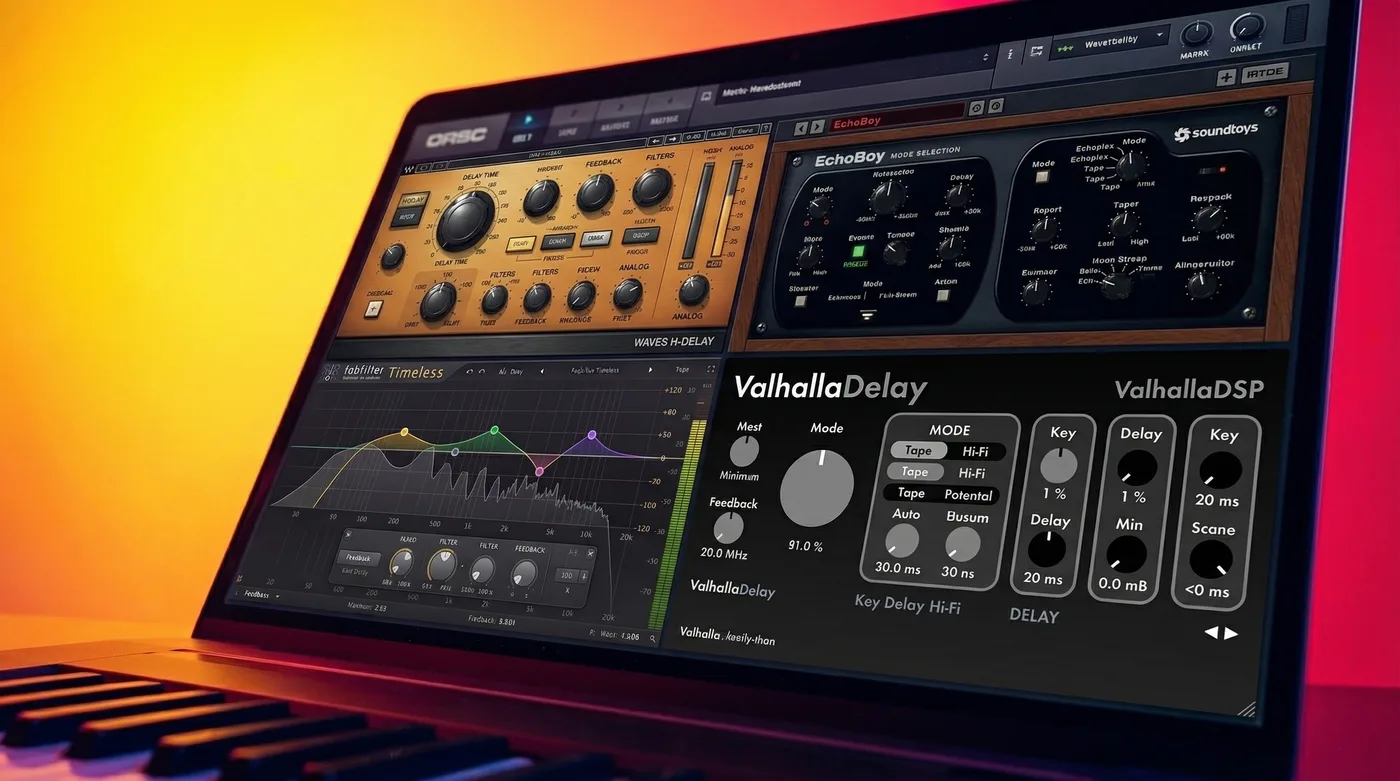
Our Top 20 Best Delay Plugins for Music Production in 2026
Delay is one of the most powerful tools in a mix. These are the plugins that give you the most control and character.
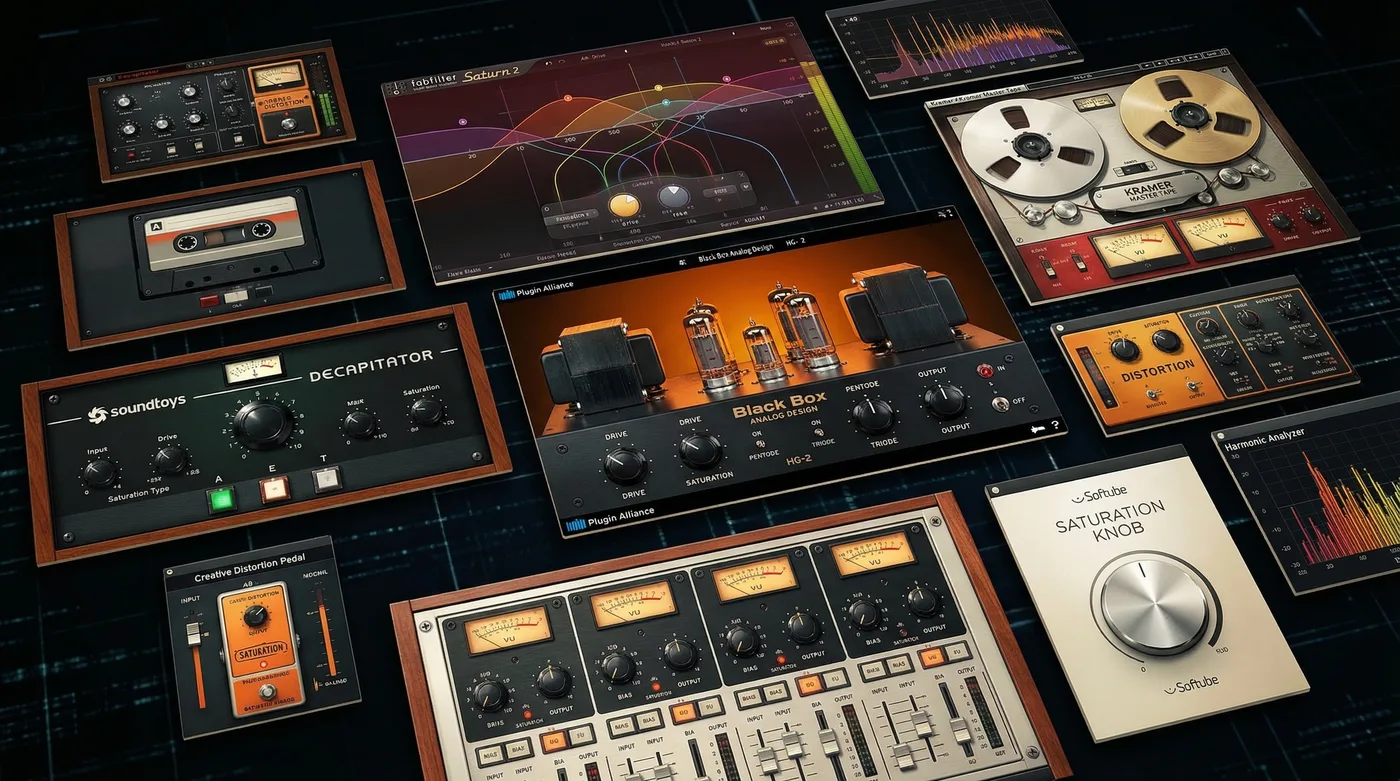
Top 20 Saturation & Distortion Plugins for Electronic Music
A ranked breakdown of the best saturation plugins for adding warmth, grit, and analog character to your electronic productions.
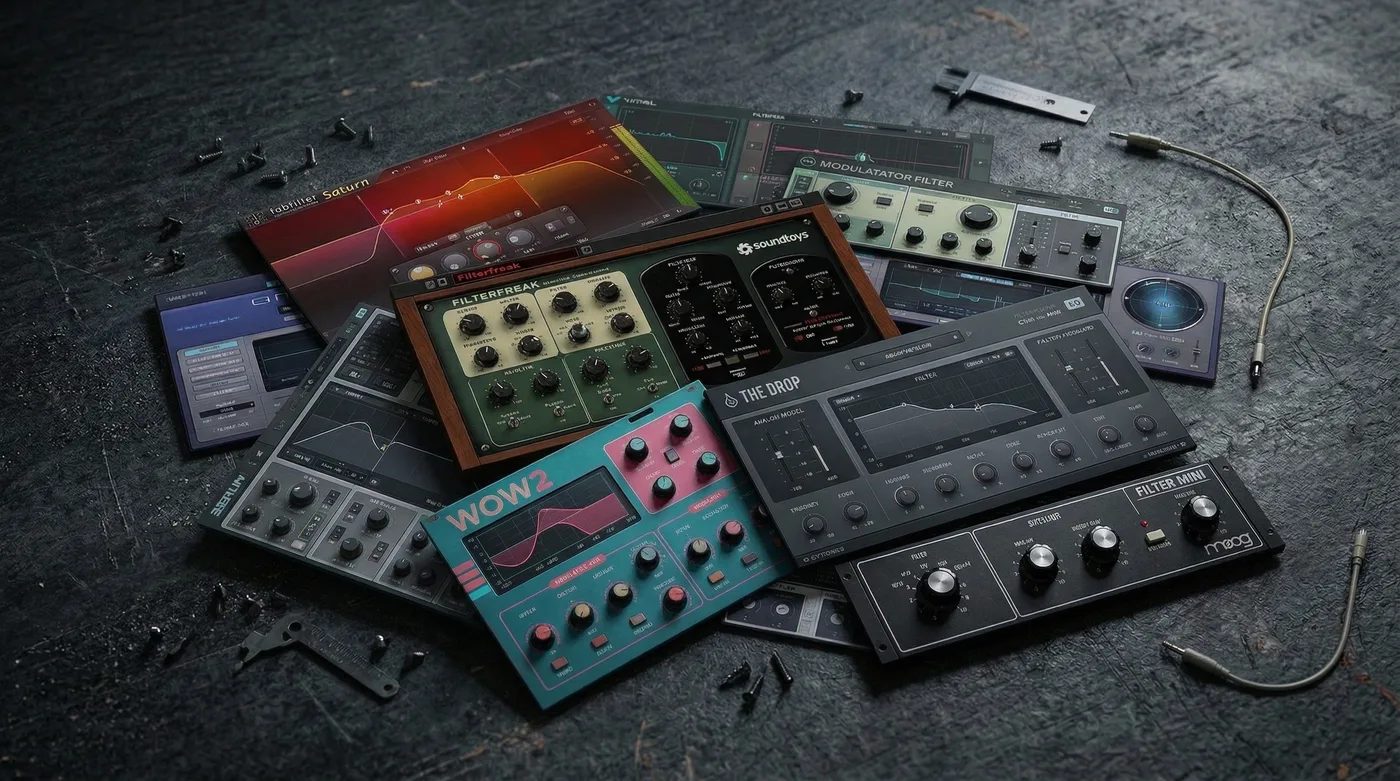
The Best Filter Plugins: The Ultimate List in 2026
Filters shape tone more than almost any other effect. These plugins go way beyond your stock EQ for creative filtering.
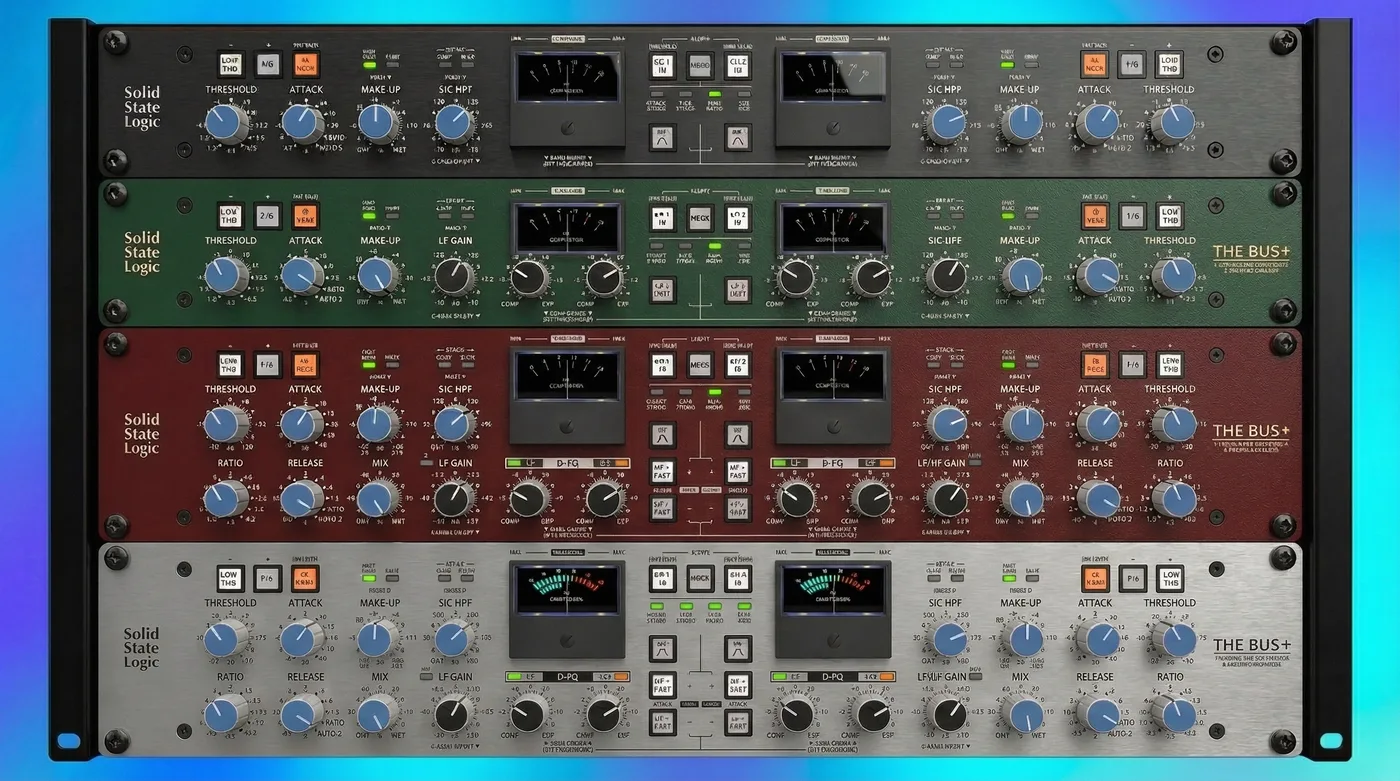
The 11 Best SSL Compressors in 2026
The SSL bus compressor is one of the most used processors in mixing history. Here are the best plugin versions and how to use them.
Best Mastering Plugins: A Complete Software Guide for 2026
The right mastering chain can make or break a release. These plugins give you professional-grade results without needing a mastering engineer.
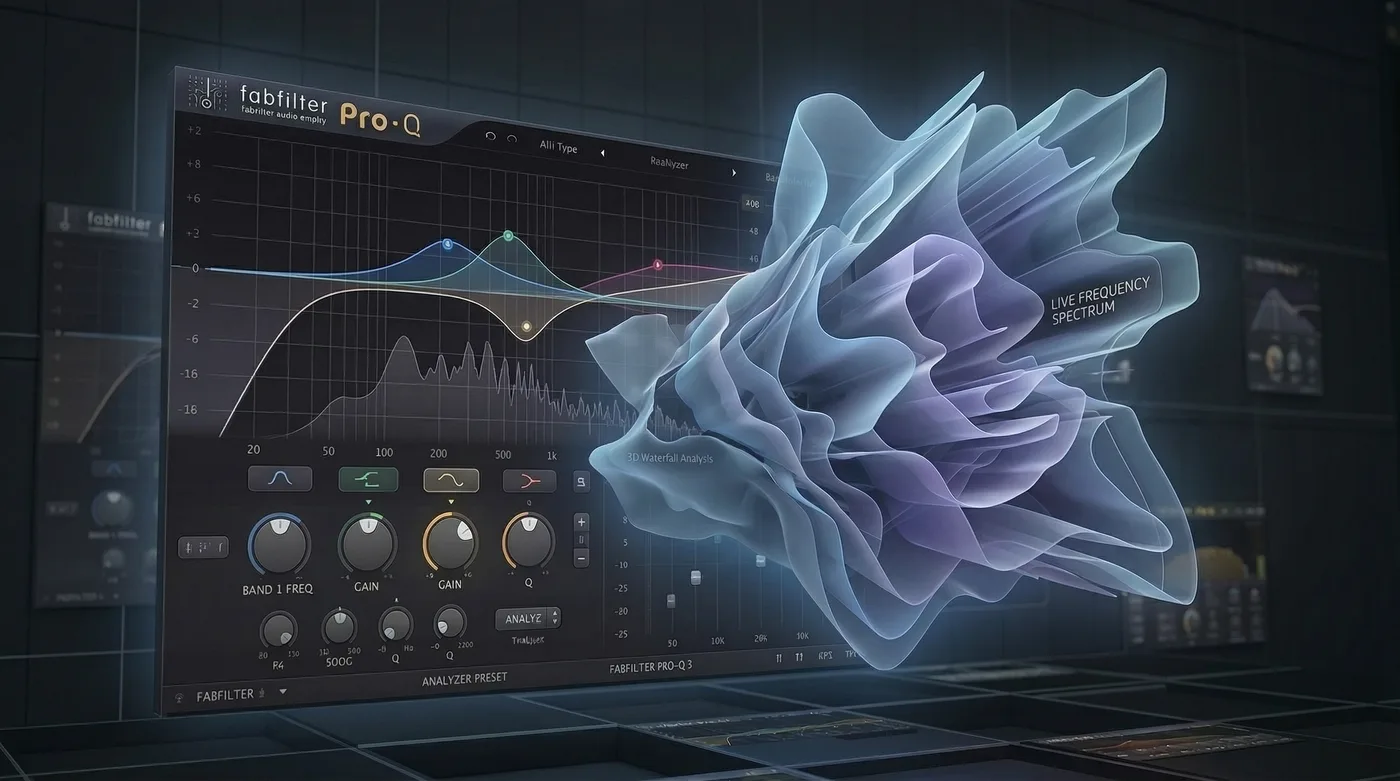
7 Must-Know EQ Tips for FabFilter Pro-Q
Pro-Q became the industry standard EQ for a reason. A look at what makes it so good and how to get the most out of it.
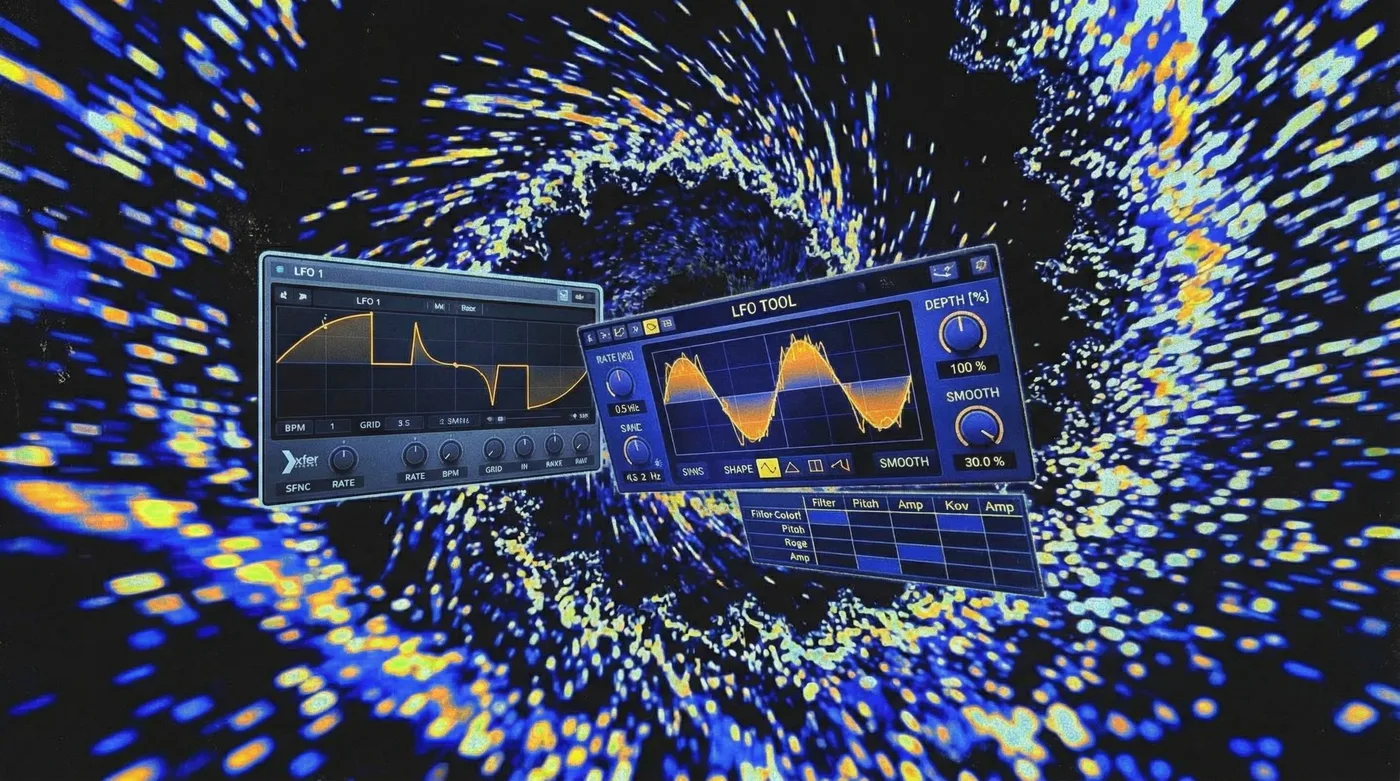
10 Next Level Tricks with LFOTool
Xfer Records' LFO Tool is one of the most versatile plugins in any producer's arsenal. Here is how to use it for sidechain, tremolo, and more.
Vocal plugins
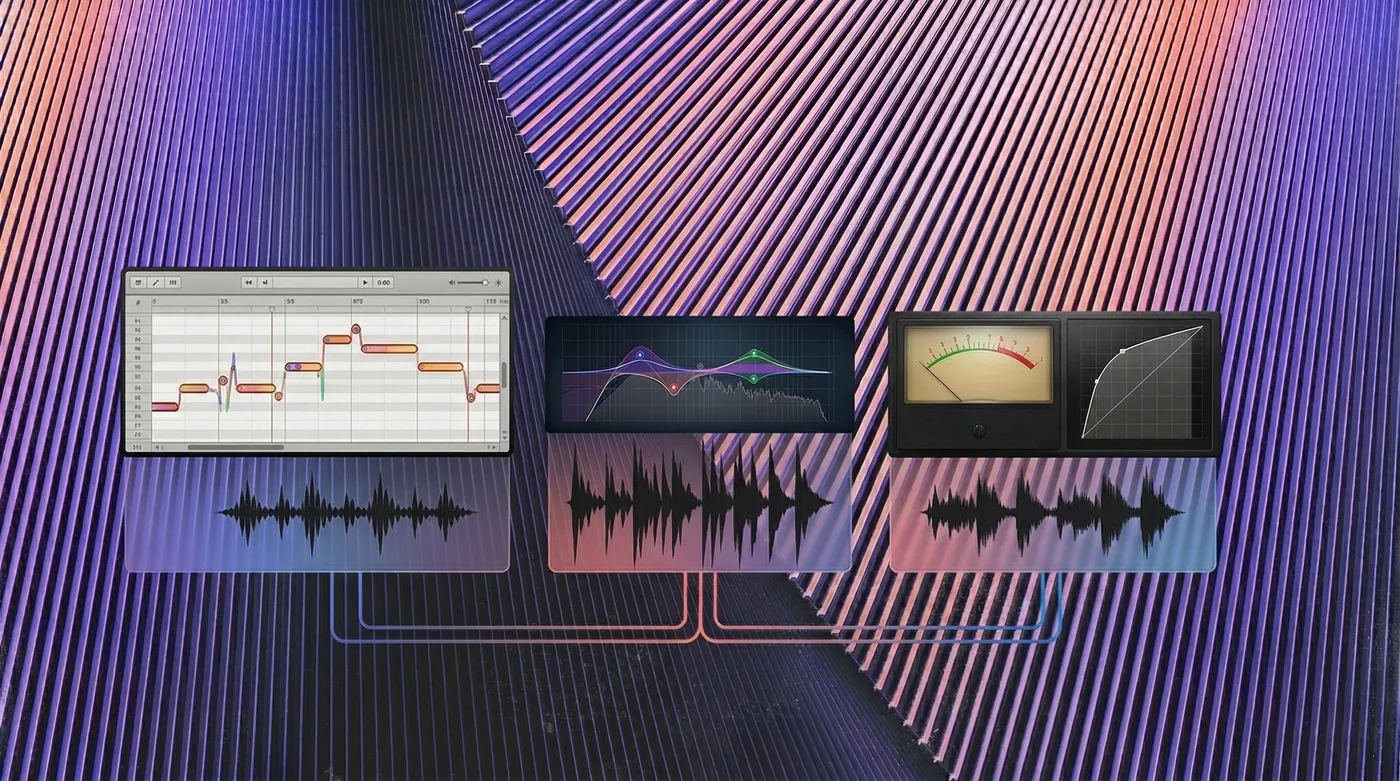
The Top 17 Best Plugins for Mixing Vocals
From pitch correction to compression to creative effects, these are the vocal plugins that professional producers actually use.
Autotune Plugins: The 8 Best in 2026
From subtle correction to hard-tuned vocal effects, here are the pitch correction plugins worth considering for your vocal chain.
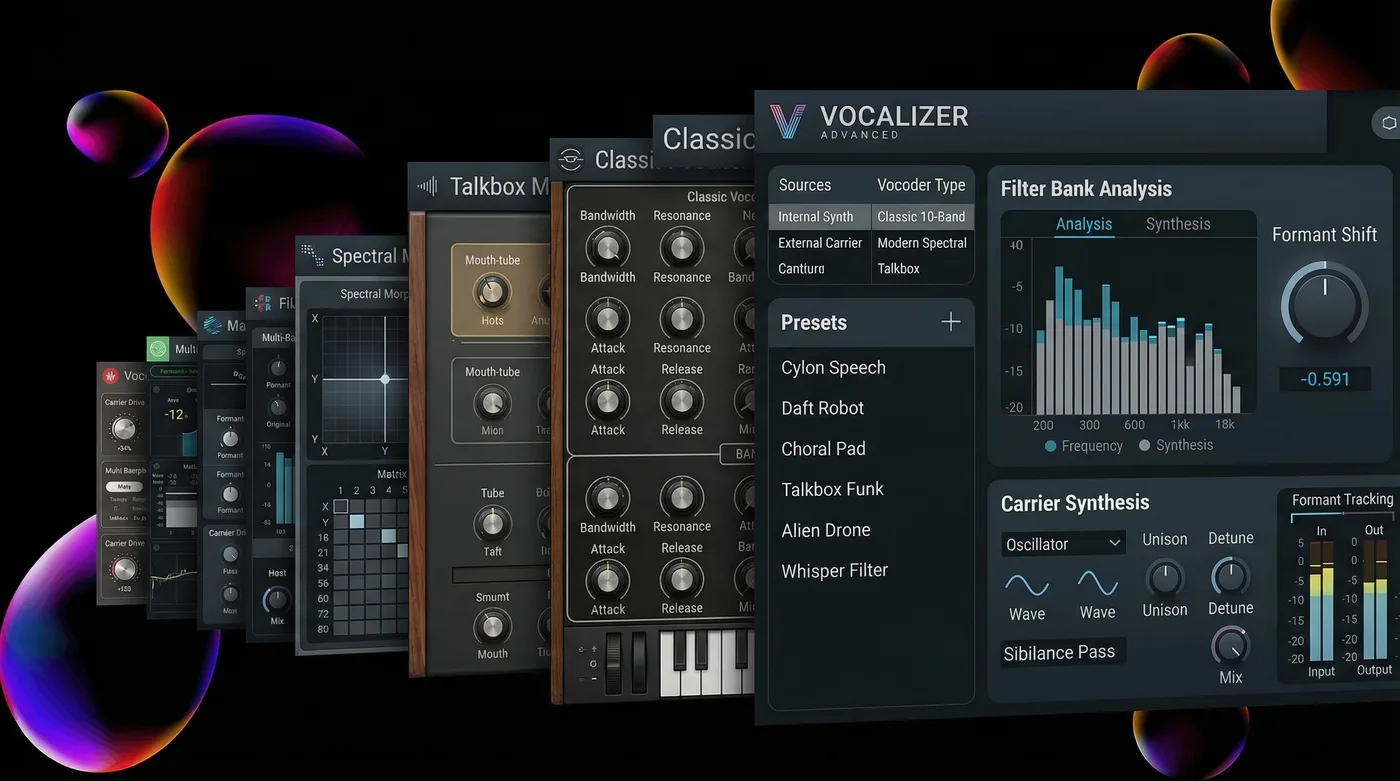
The 11 Best Vocoder Plugins in 2026
Vocoders are behind some of the most iconic sounds in electronic music. These plugins bring that classic effect into your DAW.
Synths and instruments
The 11 Best Synth Plugins & VSTs for Every Genre
From wavetable monsters to classic analog emulations, these are the synth plugins that belong in every producer's toolkit.
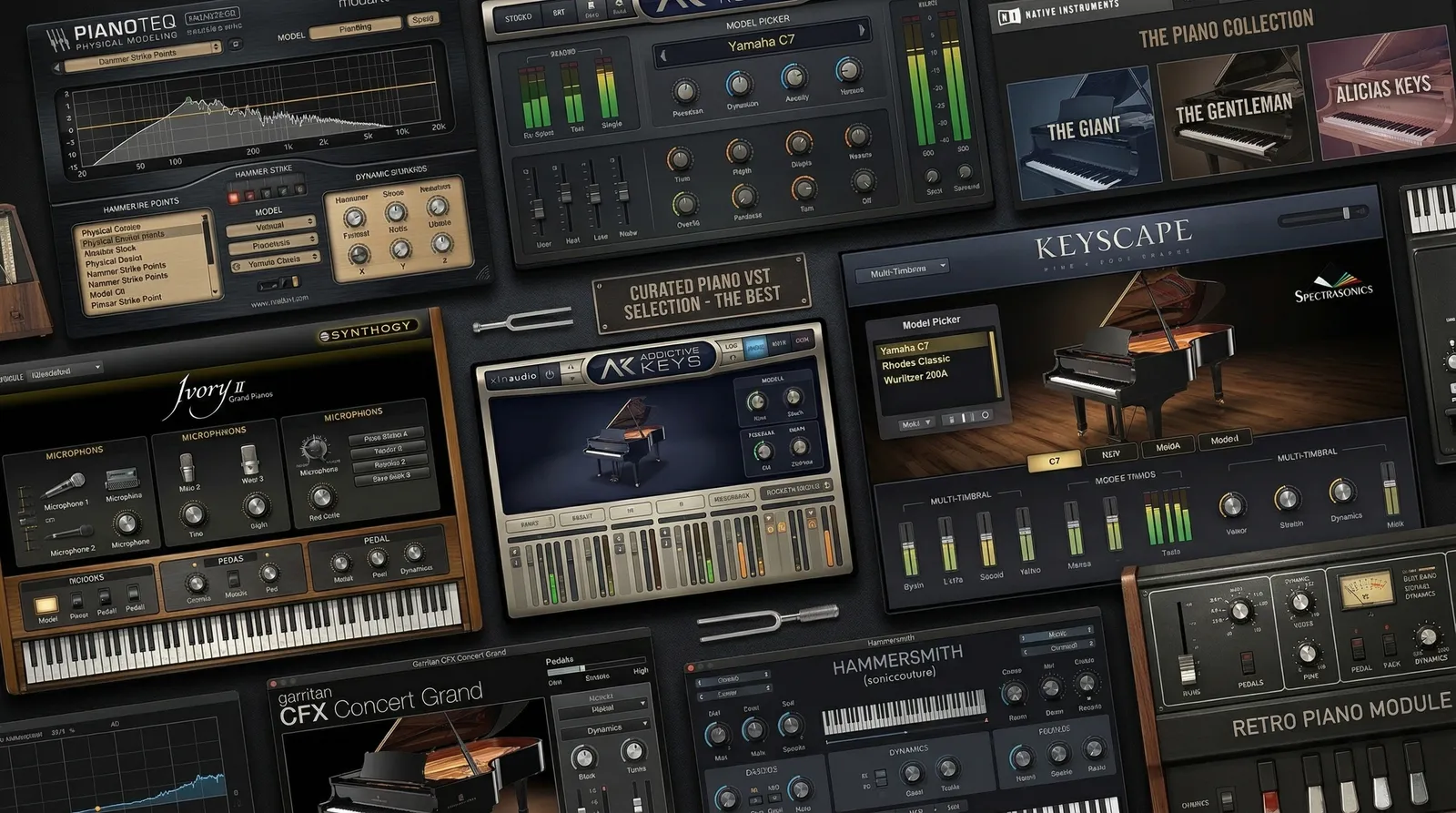
Top 14 Best Piano VSTs and Plugins in 2026 that Sound Incredible
Finding a piano VST that actually sounds and feels real is harder than it should be. These are the ones that get it right.

4 Stock Logic Synths You Need to be Using
Logic comes with some seriously underrated synths. These four are worth exploring before you buy anything else.
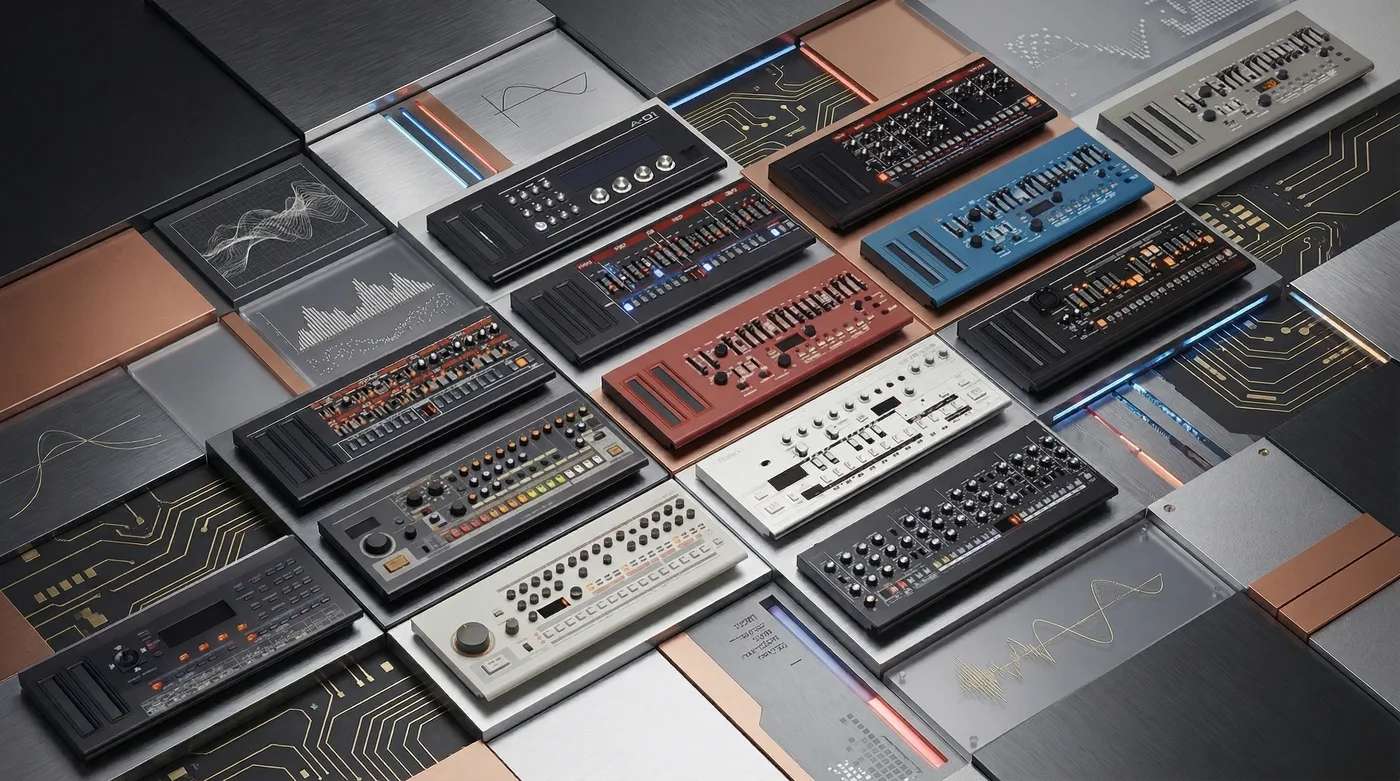
Top 9 Entry Level Hardware Synths
Hardware synths bring a tactile, hands-on element to production that plugins cannot replicate. These are the best starting points.

The Ultimate Guide to ReFX Nexus 4
Nexus has been a go-to rompler for years. Here is an honest take on whether it still holds up against newer synths and sample libraries.
The Best Guitar Amp Software and How to Use It
Modern amp sims sound incredible. Here are the best options for getting convincing guitar tones entirely in the box.
Brand and bundle guides
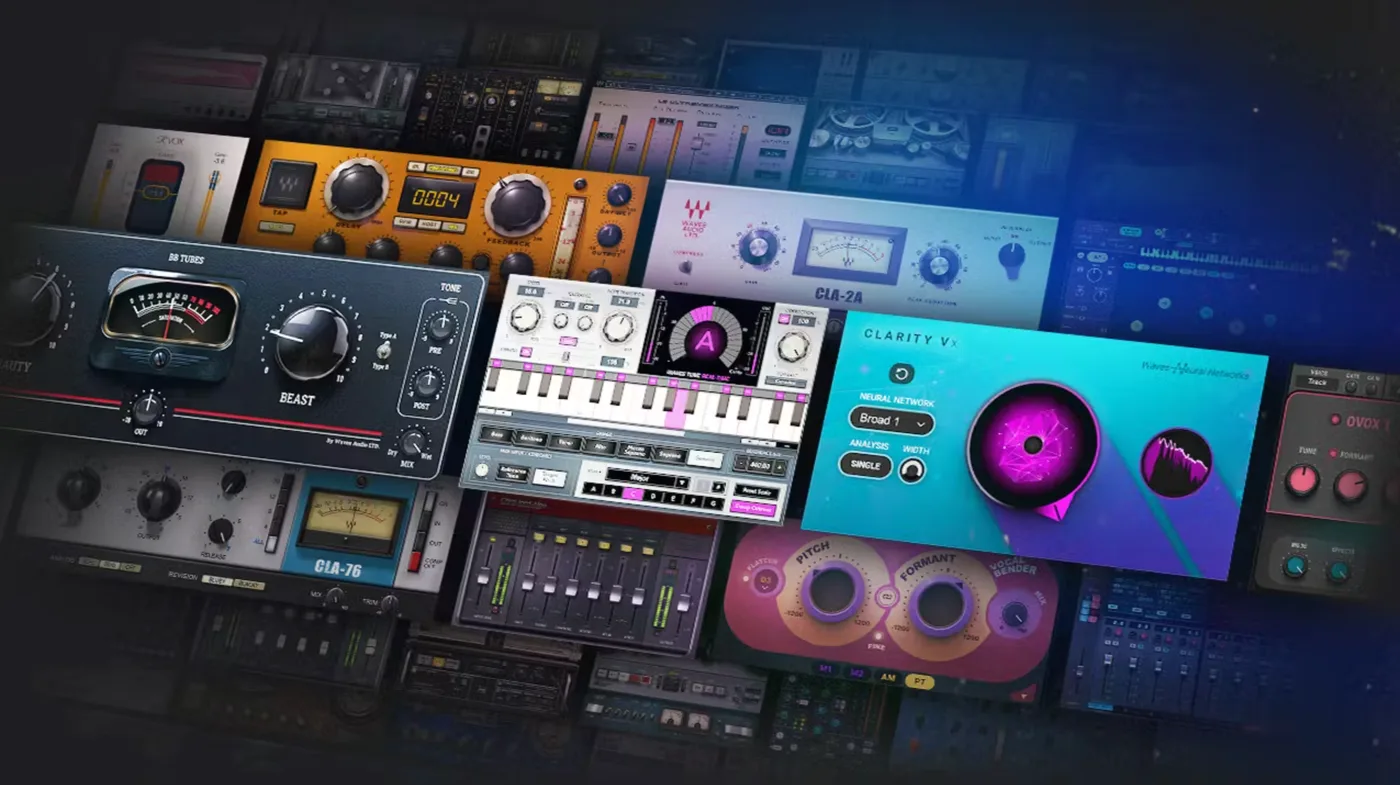
The Ultimate Guide To Waves Plugins
Everything you need to know about the Waves plugin ecosystem, from the essentials to the ones you can skip.
The Only 20 Native Instrument Plugins Worth Getting in 2026
From Kontakt to Massive to Reaktor, here is a practical breakdown of the Native Instruments ecosystem for producers.
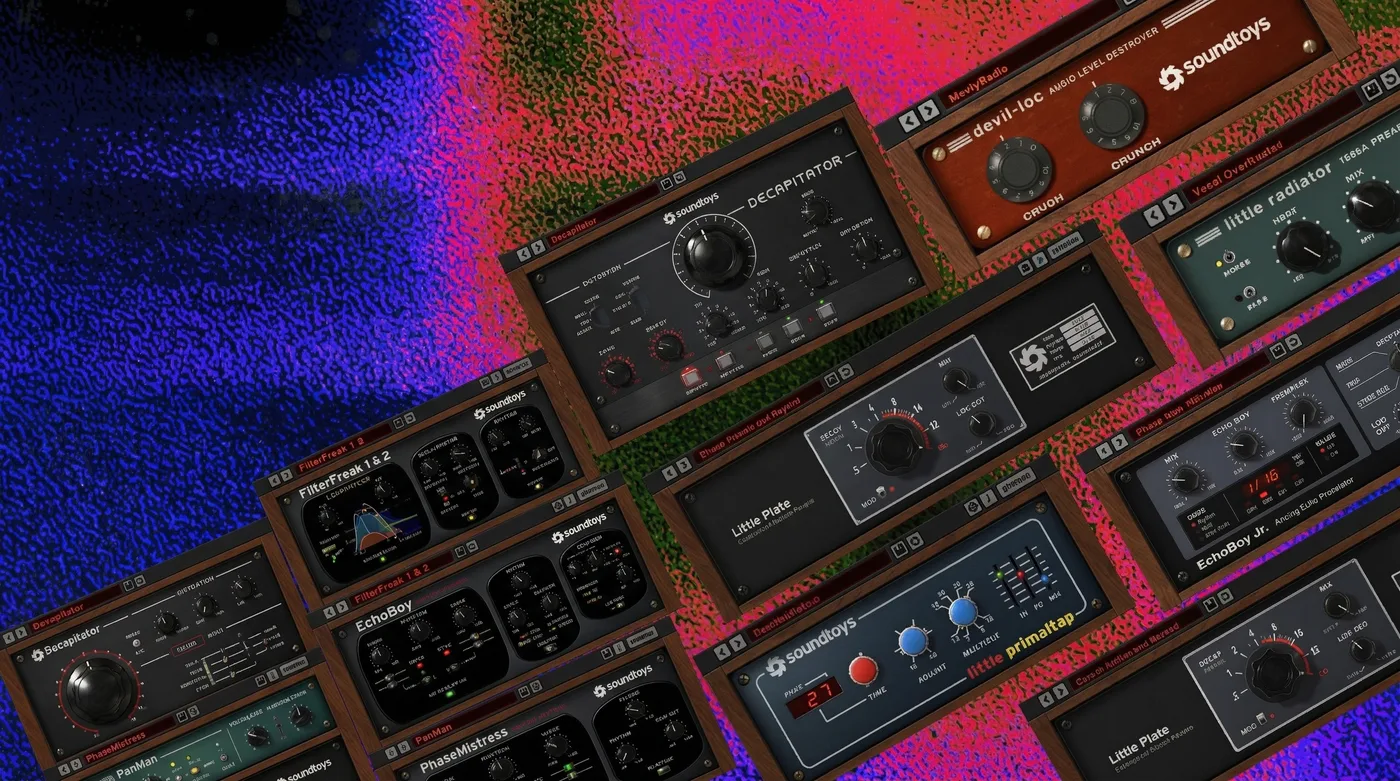
Soundtoys Plugins: An Unrivaled Guide
Soundtoys makes some of the most character-rich plugins on the market. Here is what each one does and when to reach for it.
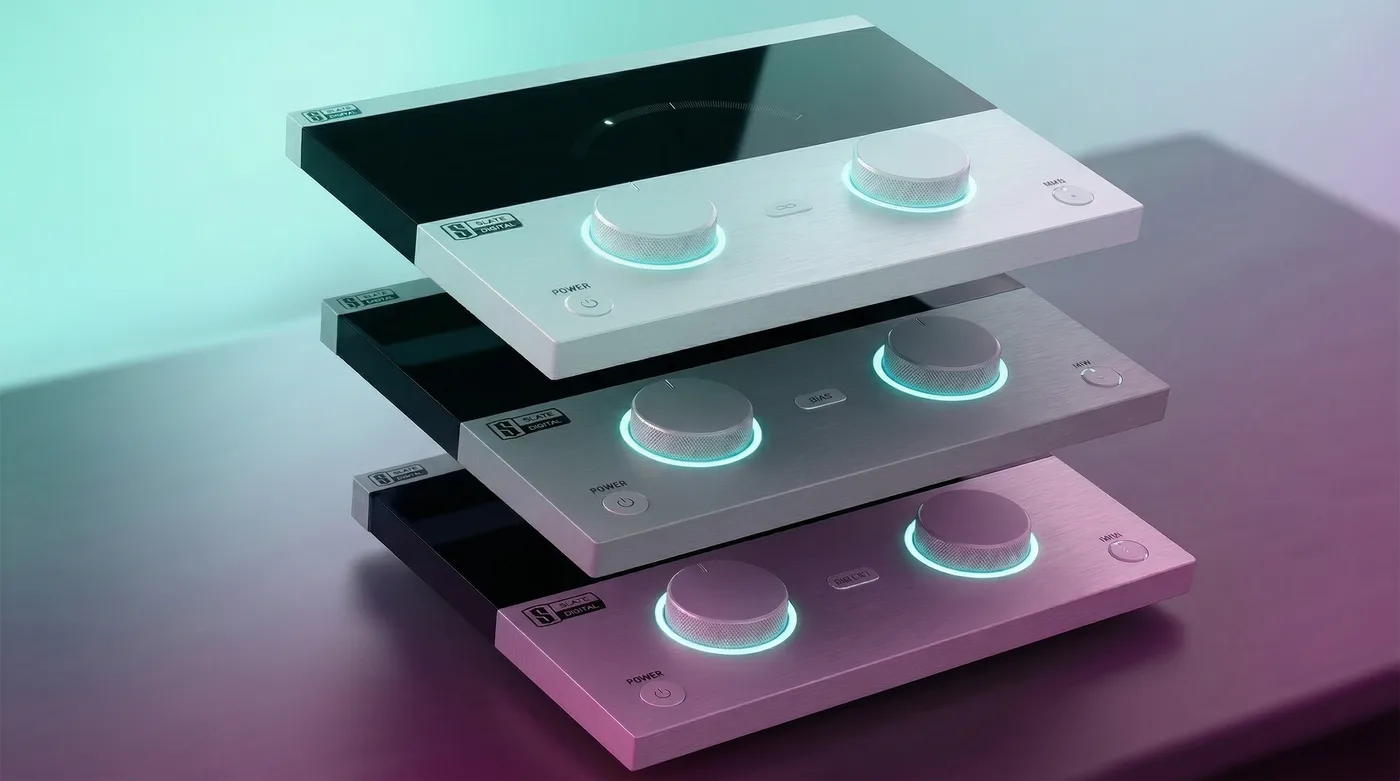
Slate Digital Plugins: Is this the Best Deal in Audio?
An honest look at the Slate Digital plugin suite, what it does well, and whether the subscription model is worth it for your workflow.
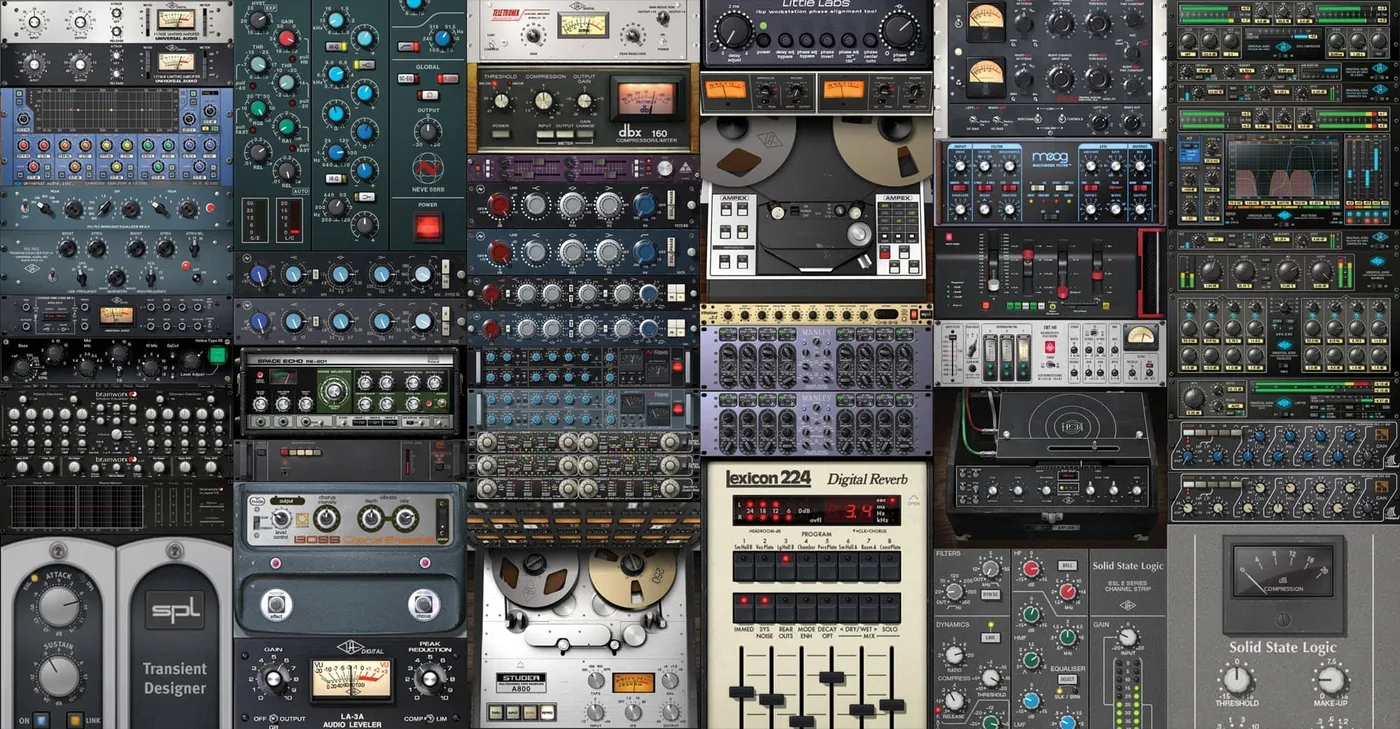
The Ultimate Plugin Guide for Electronic Music
A comprehensive look at the plugins that actually matter, organized by category so you can stop hoarding and start using what works.
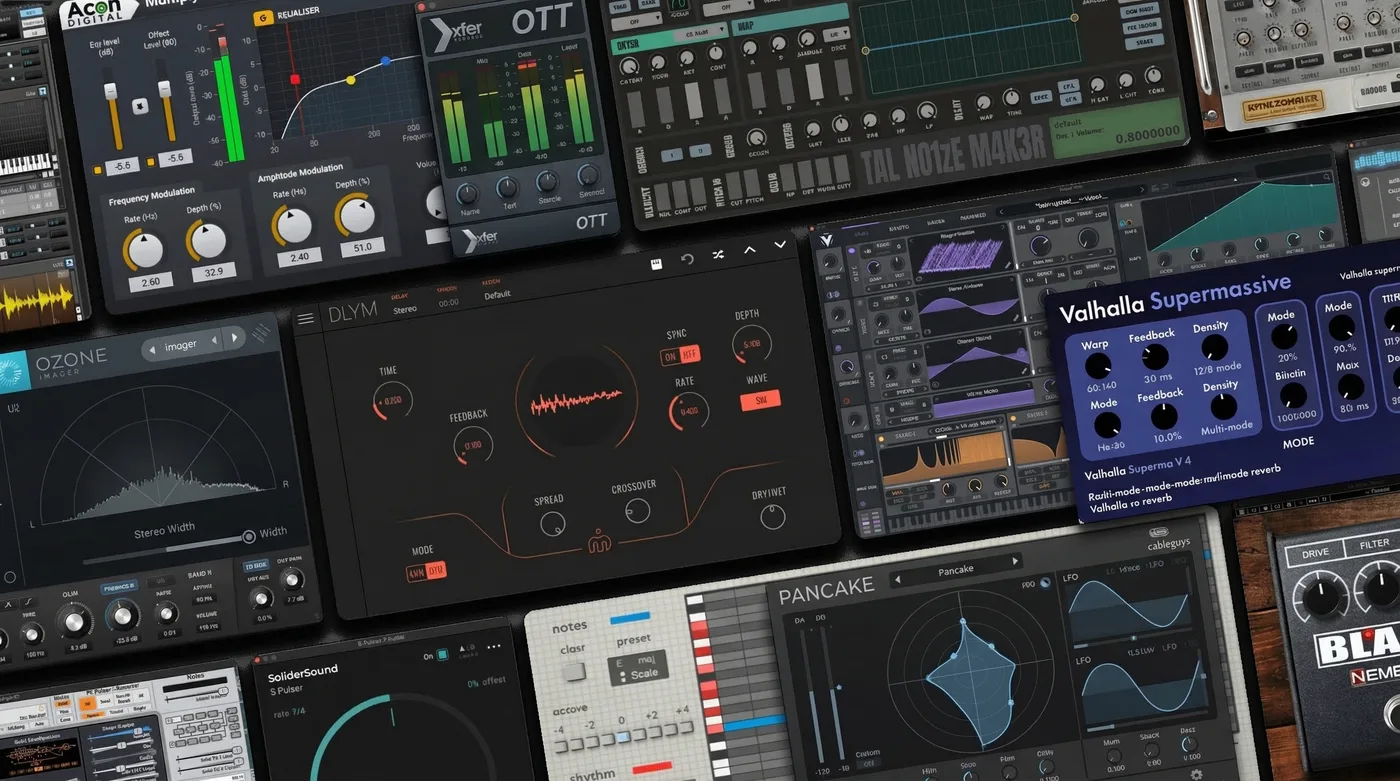
Our Top 10 Free Plugins For Music Producers in 2026
You do not need to spend a dime to get great-sounding plugins. These ten free options punch well above their weight.
DAWs and workflow
What is the Best DAW? The Top Digital Audio Workstations in 2026
Choosing a DAW is one of the most important decisions you will make as a producer. Here is an honest comparison to help you pick the right one.

What is the Best DAW for Beginners: A Complete 2026 Guide
If you are just starting out, the DAW you choose matters less than you think. But some are definitely easier to learn than others.
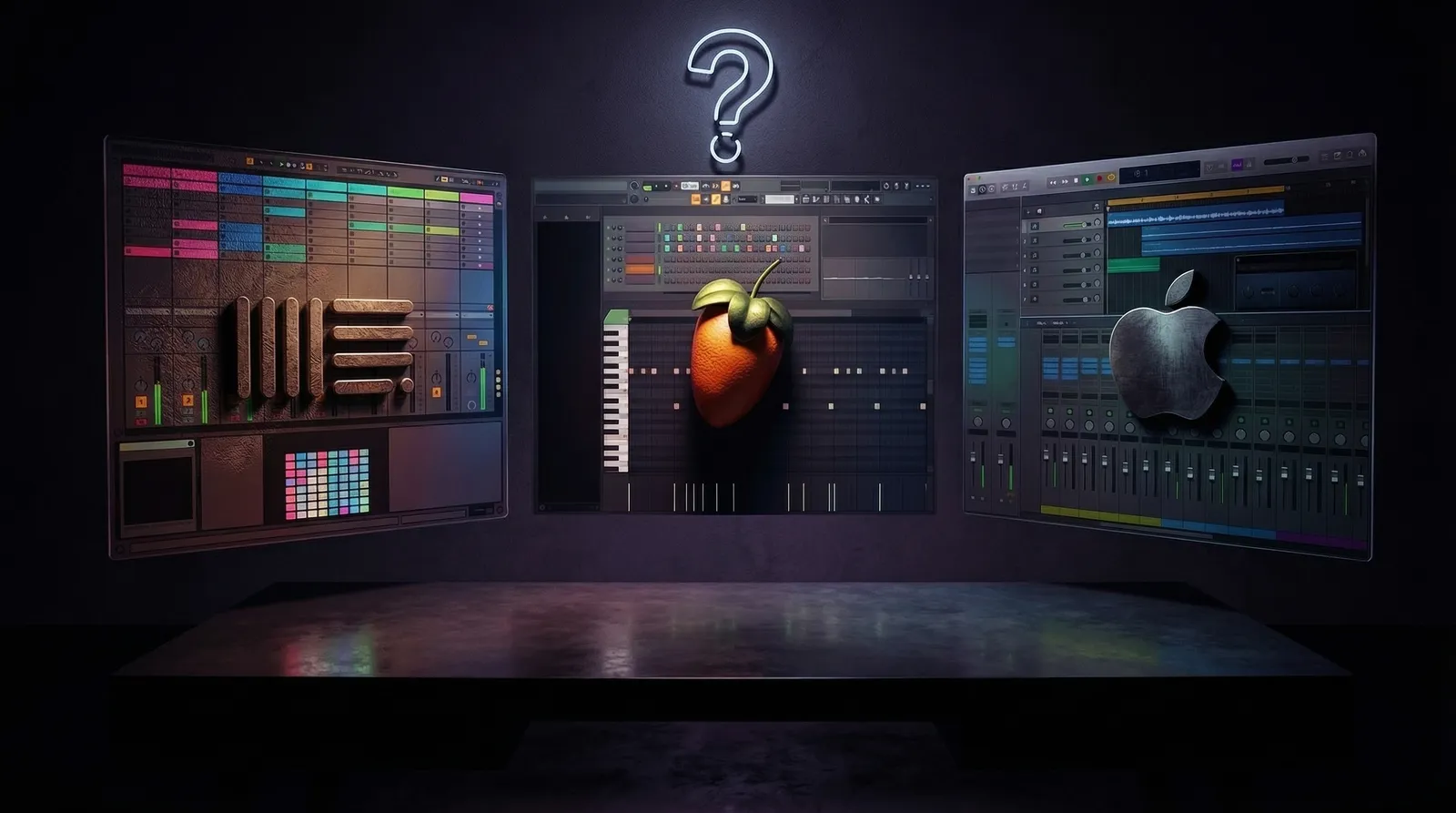
Ableton vs. FL Studio vs. Logic: Which DAW is right for you?
The three most popular DAWs compared head-to-head across workflow, features, sound, and price.
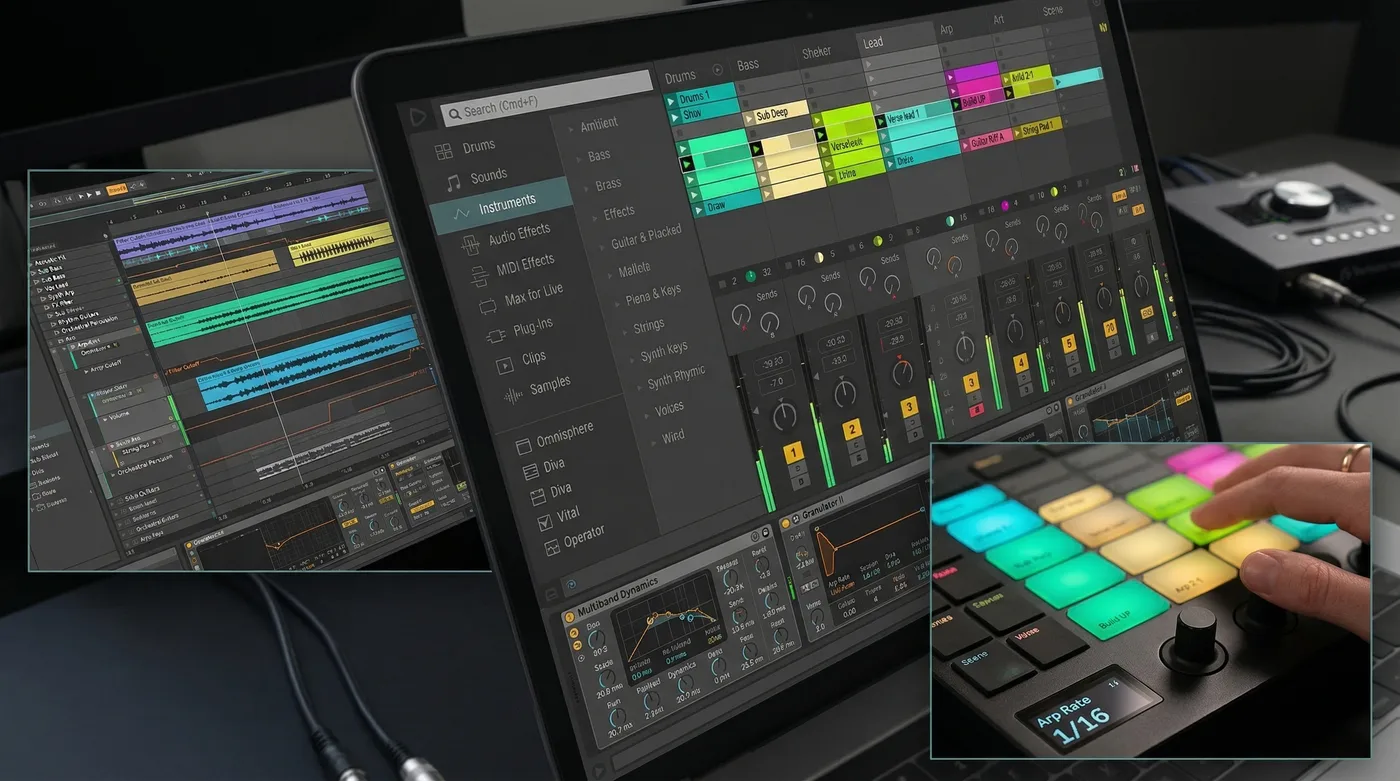
10 Reasons to Upgrade to Ableton 10
Ableton 10 brought major workflow improvements that changed how producers work. Here is what made the upgrade worth it.
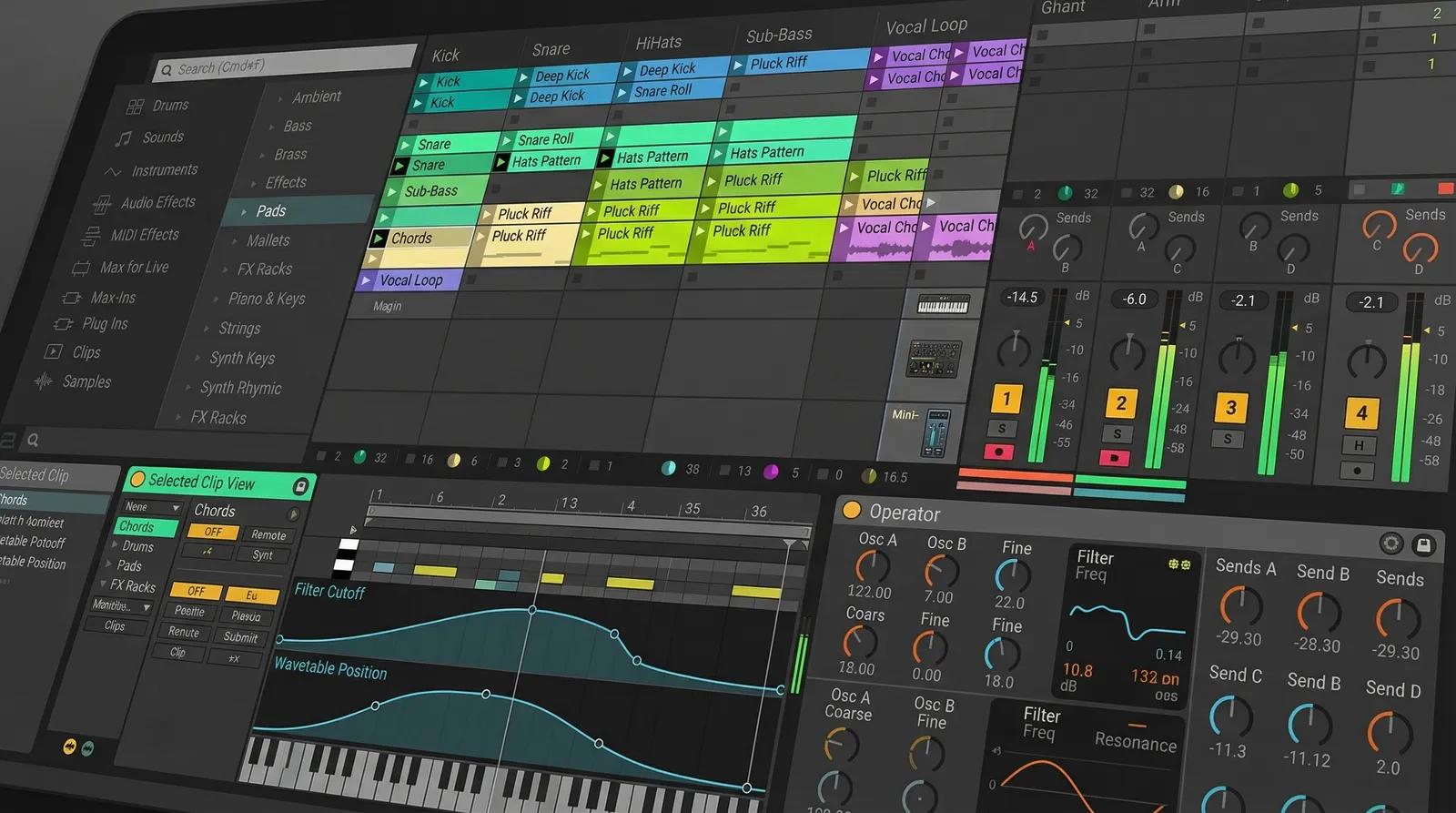
30 Must Know Ableton Shortcuts to Speed Up Your Workflow
These keyboard shortcuts will cut hours off your production time in Ableton. Memorize the important ones and your workflow will thank you.
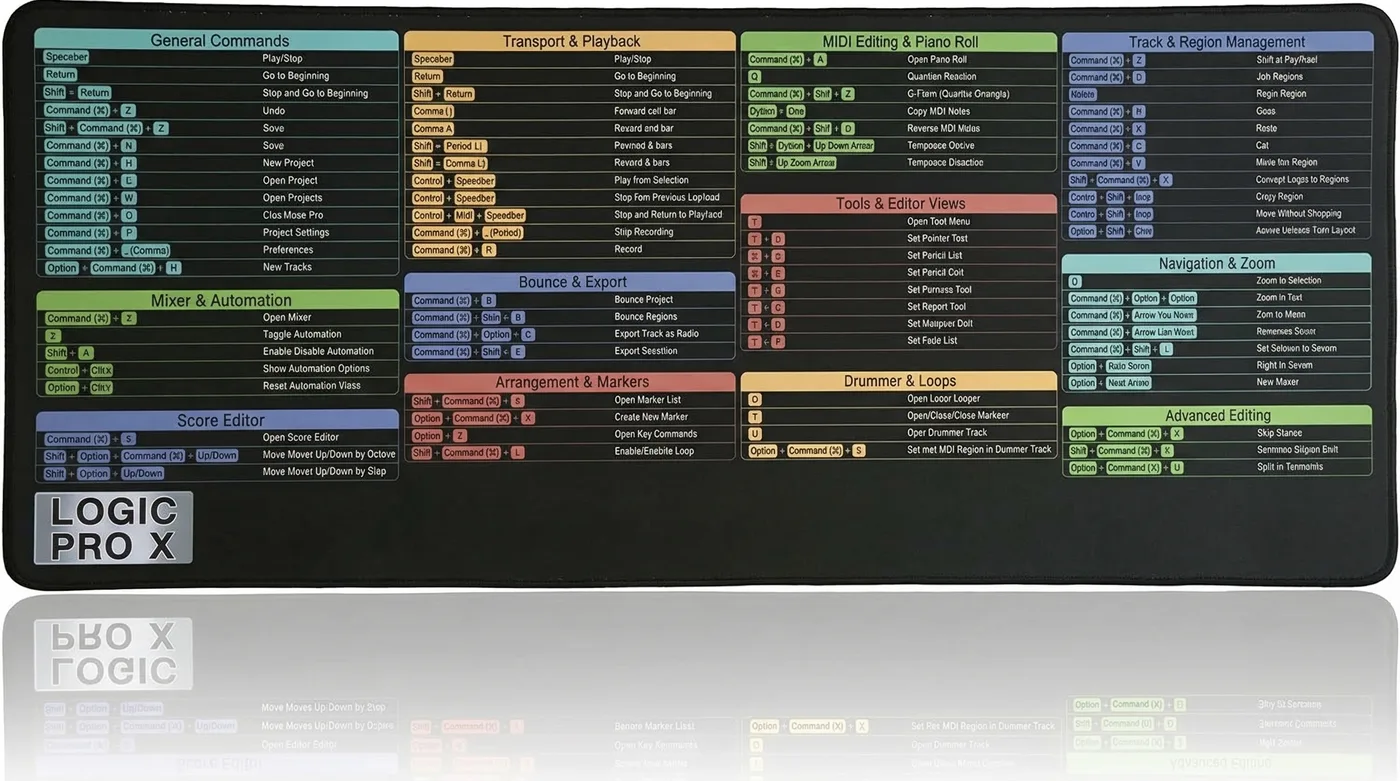
40+ Essential Logic Pro Shortcuts You Need to Know
Logic Pro is packed with hidden shortcuts that most producers never learn. Here are the ones that will make the biggest difference.
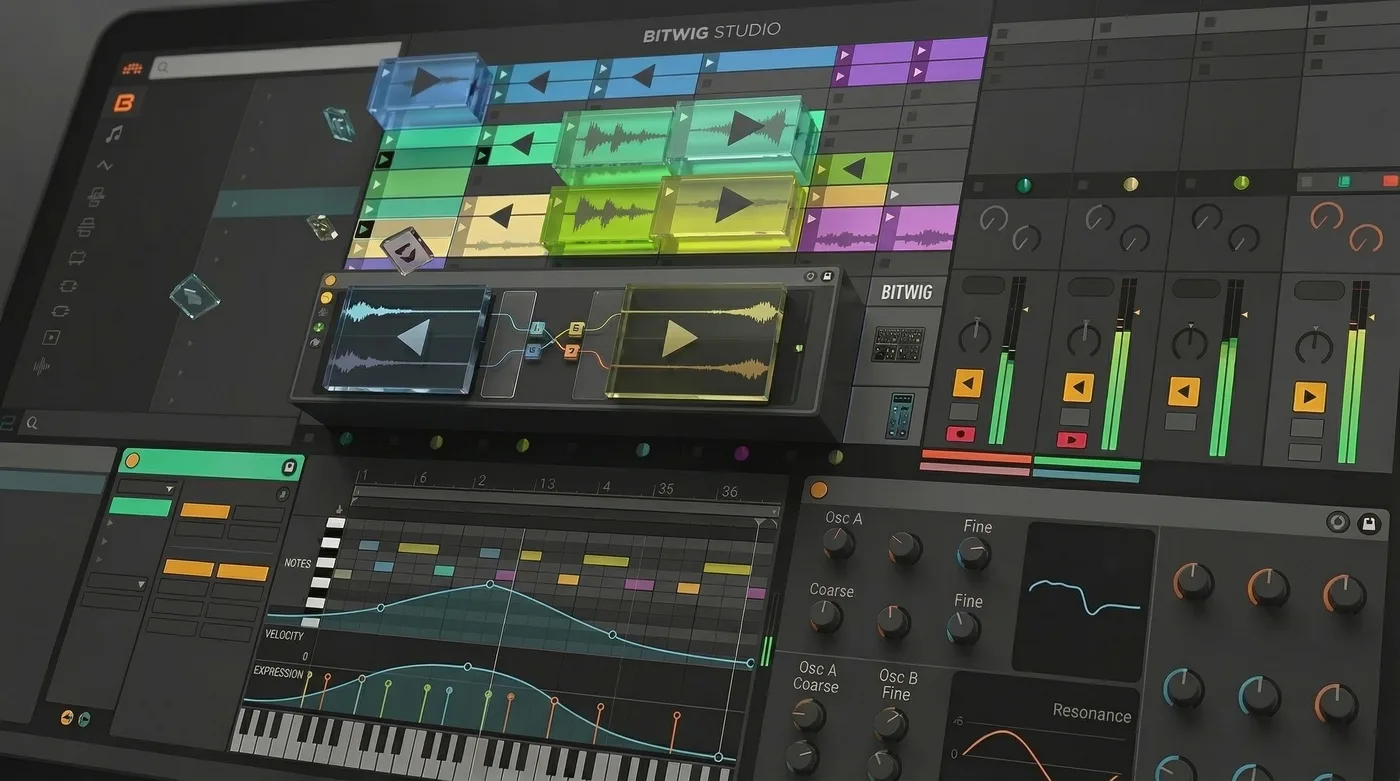
How to Use Reverses in Logic: 5 Creative Techniques
Reversing audio in Logic is not as obvious as it should be. Here is the quick method plus creative ways to use reversed audio in your tracks.
Studio and gear
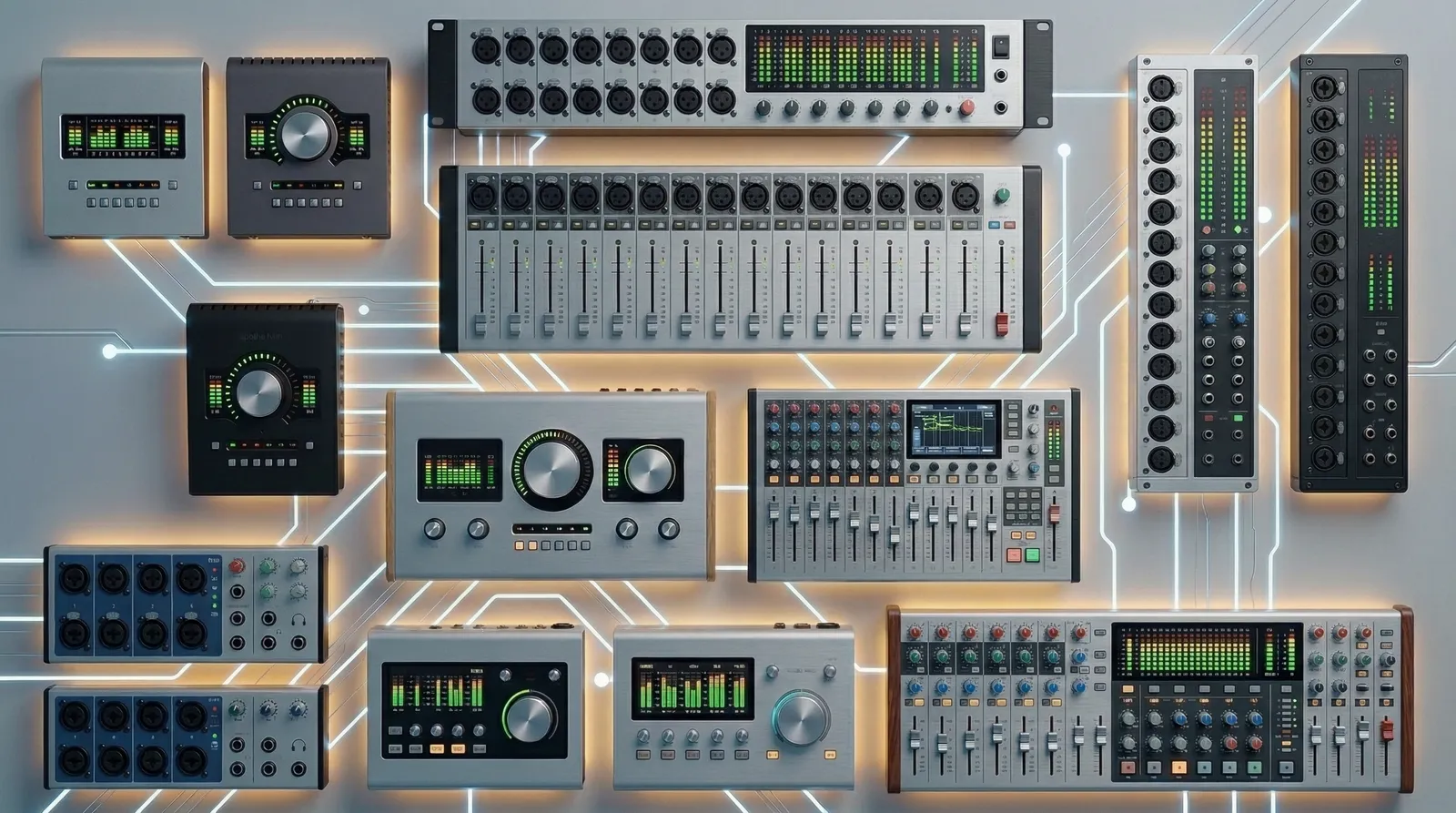
The 20 Best Audio Interfaces for Music Producers in 2026
Your audio interface is the bridge between your music and your monitors. These are the most reliable options from entry-level to professional.
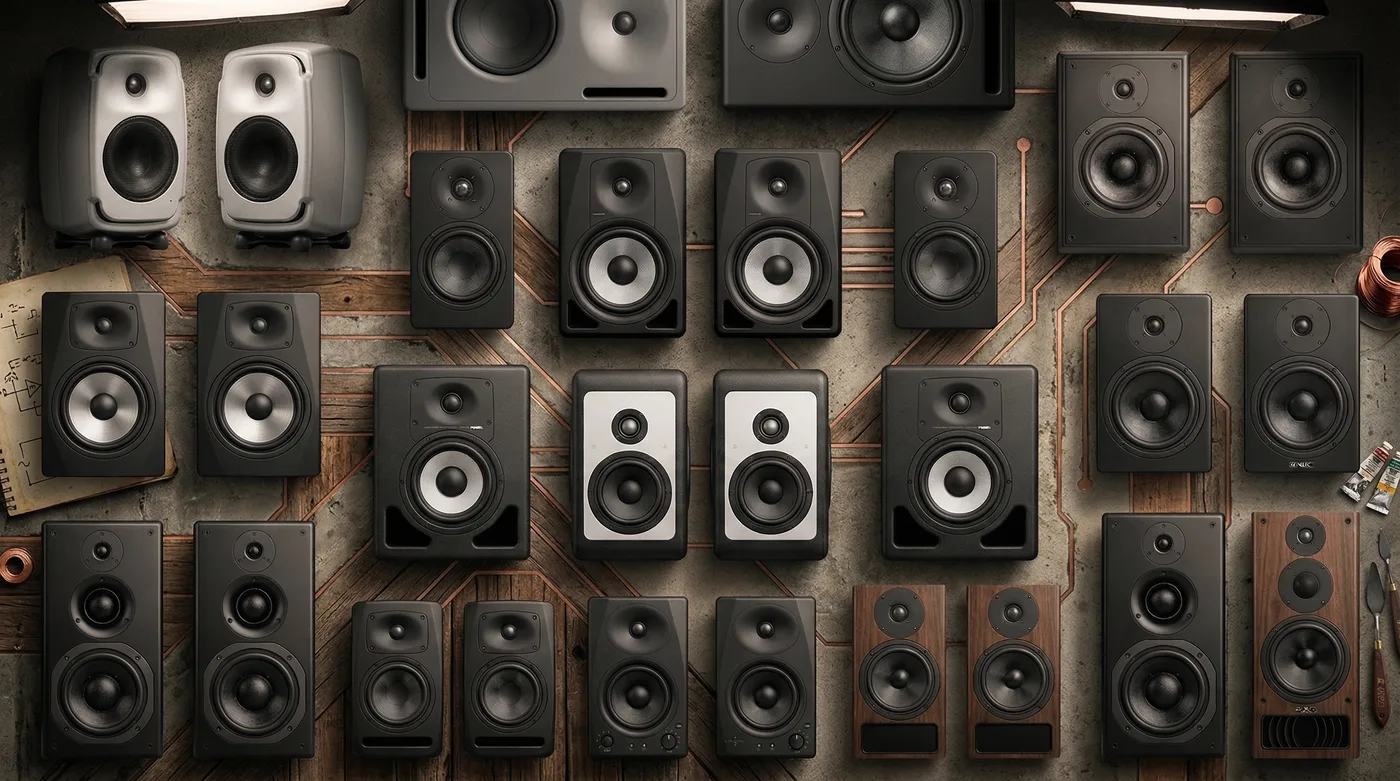
The 20 Best Studio Monitors For Music Producers in 2026
Your monitors are the foundation of every mixing decision you make. These are the ones worth investing in at each price point.
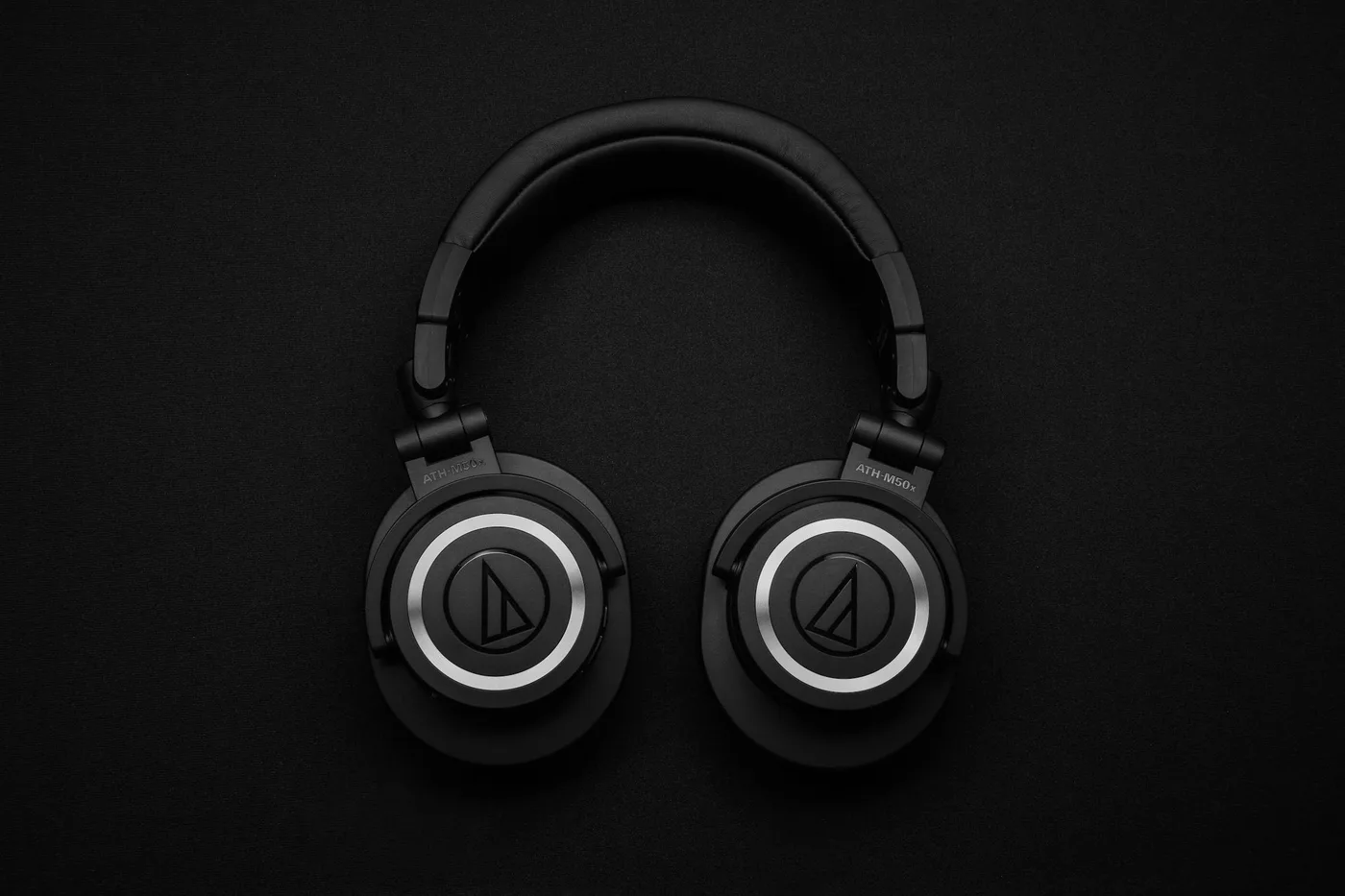
The Best 30 Studio Headphones for Music Producers
Whether you are producing late at night or mixing on the go, the right headphones make all the difference. Here are our top picks.
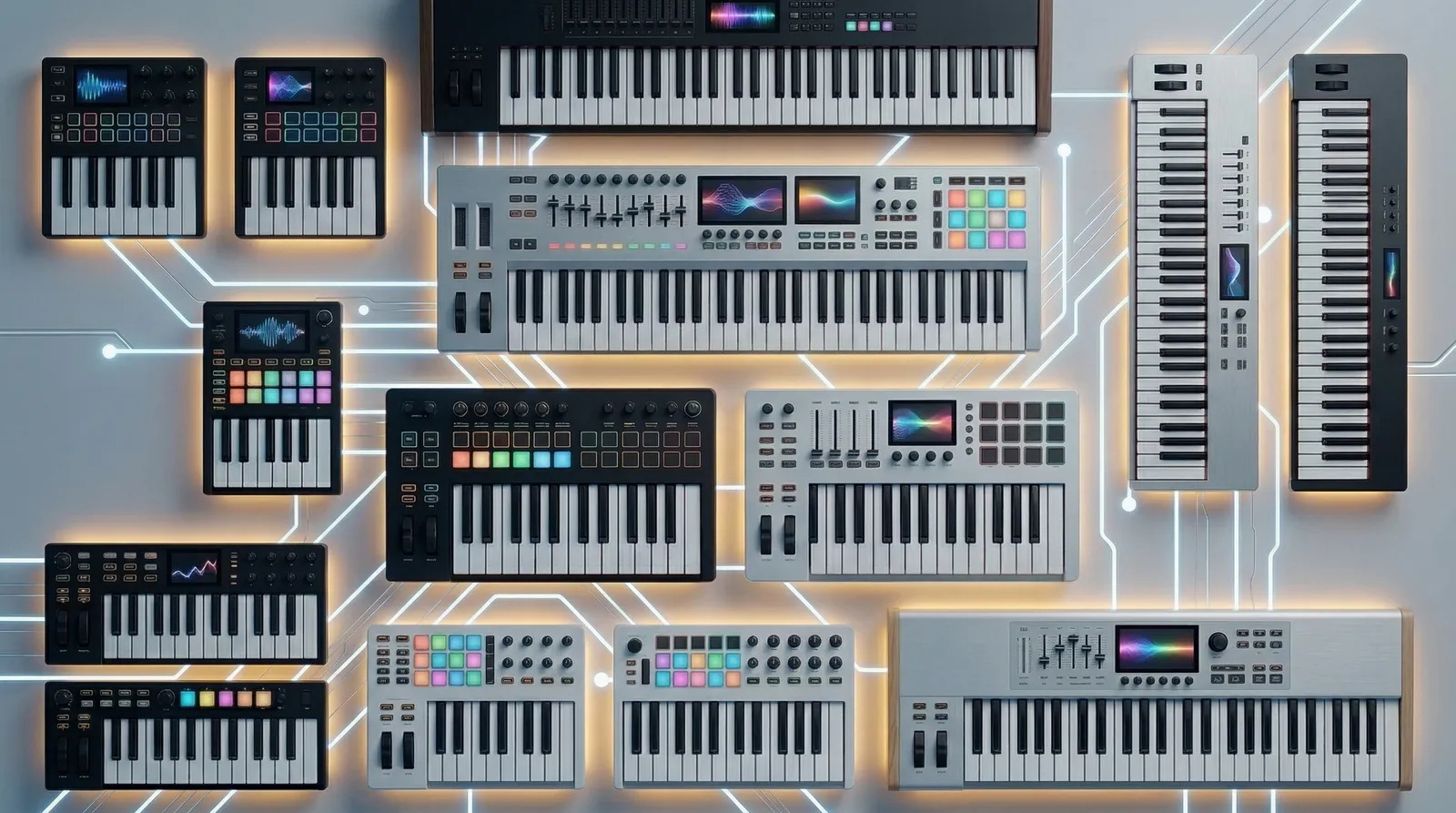
The Top 20 Best MIDI Keyboards in 2026
A MIDI keyboard changes how you interact with your music. These are the best options across different budgets and use cases.
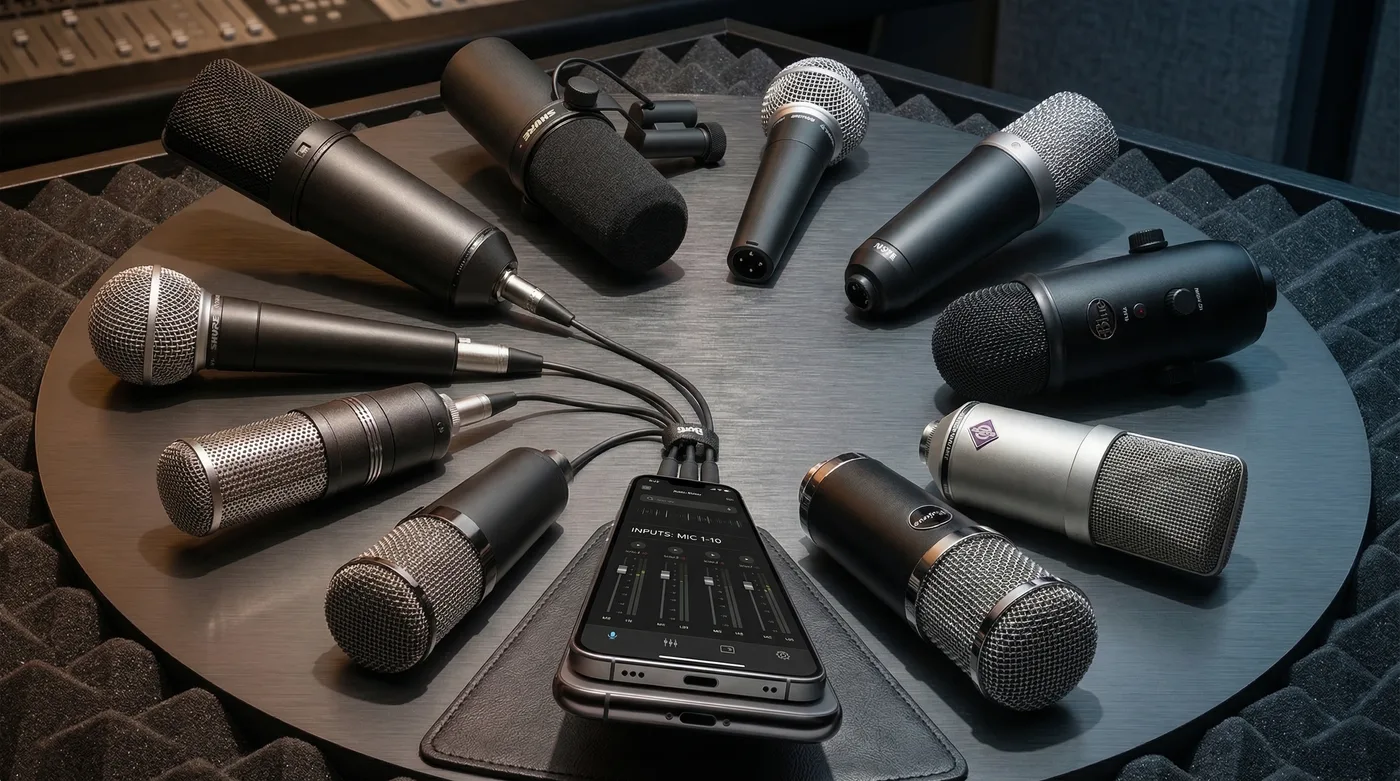
The Top 10 Microphones for Vocal Production
The microphone you choose shapes the entire character of a vocal recording. Here are ten options from budget to high-end that deliver.
The 17 Best Studio Desks for Music Producers
A good studio desk keeps your gear organized and your posture intact. These desks are built specifically for production setups.
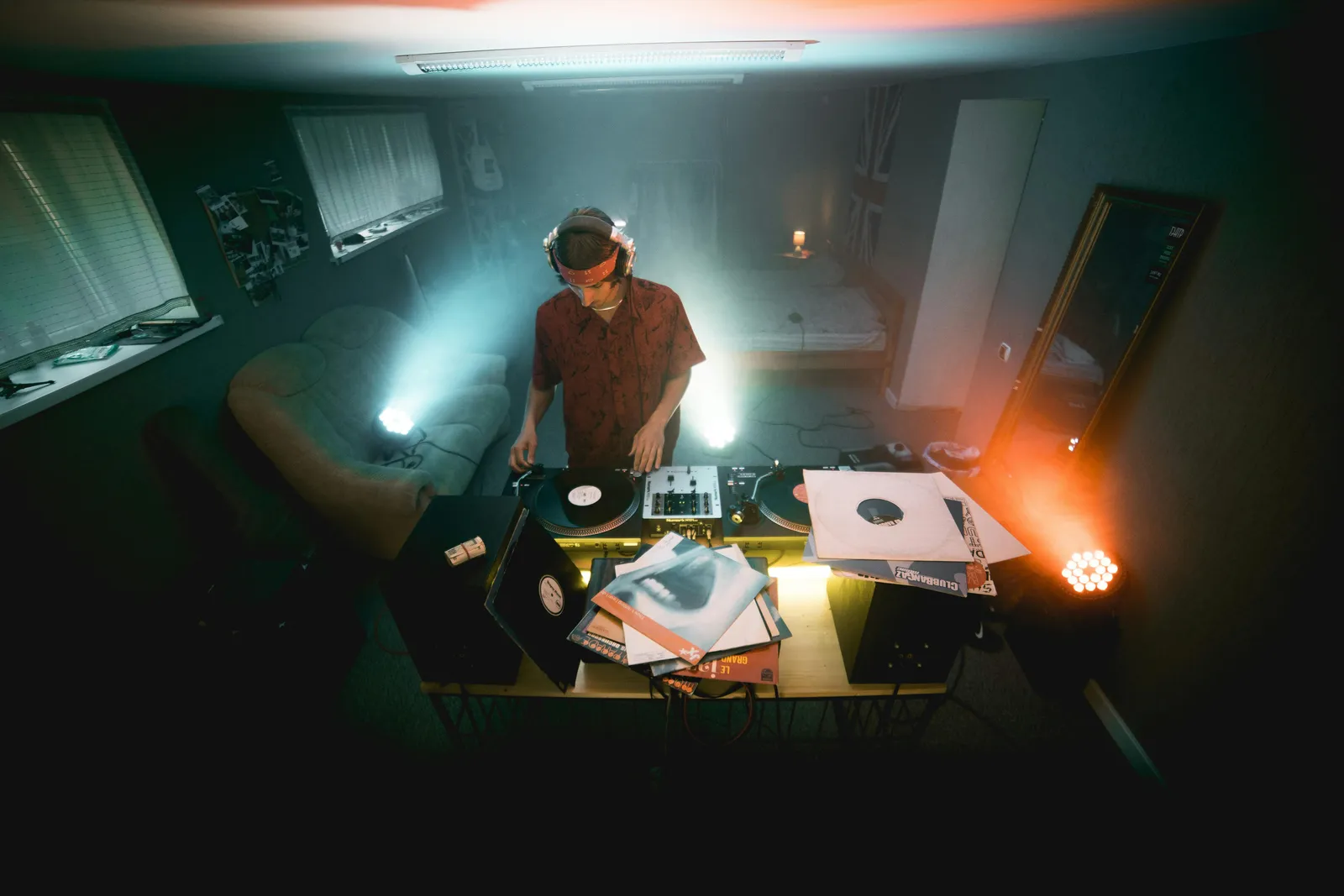
100+ Home Studio Design Ideas & Inspiration
Your room affects your sound more than your plugins do. Here is how to set up and treat your home studio properly.
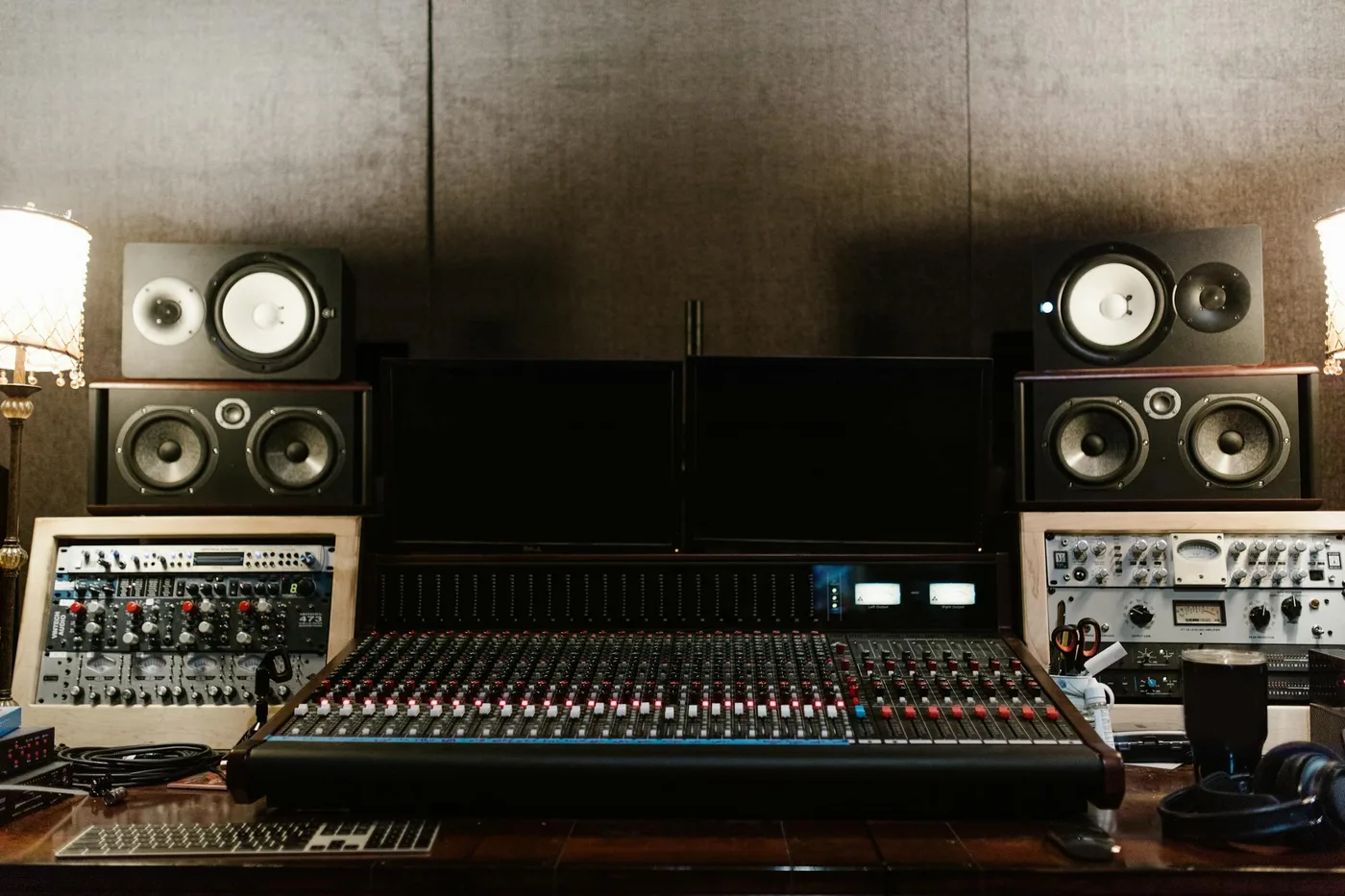
The Ultimate Home Studio Setup: 21 Pieces of Gear You Need
Building a home studio from scratch? Here is every piece of gear you need, from the essentials to the nice-to-haves.
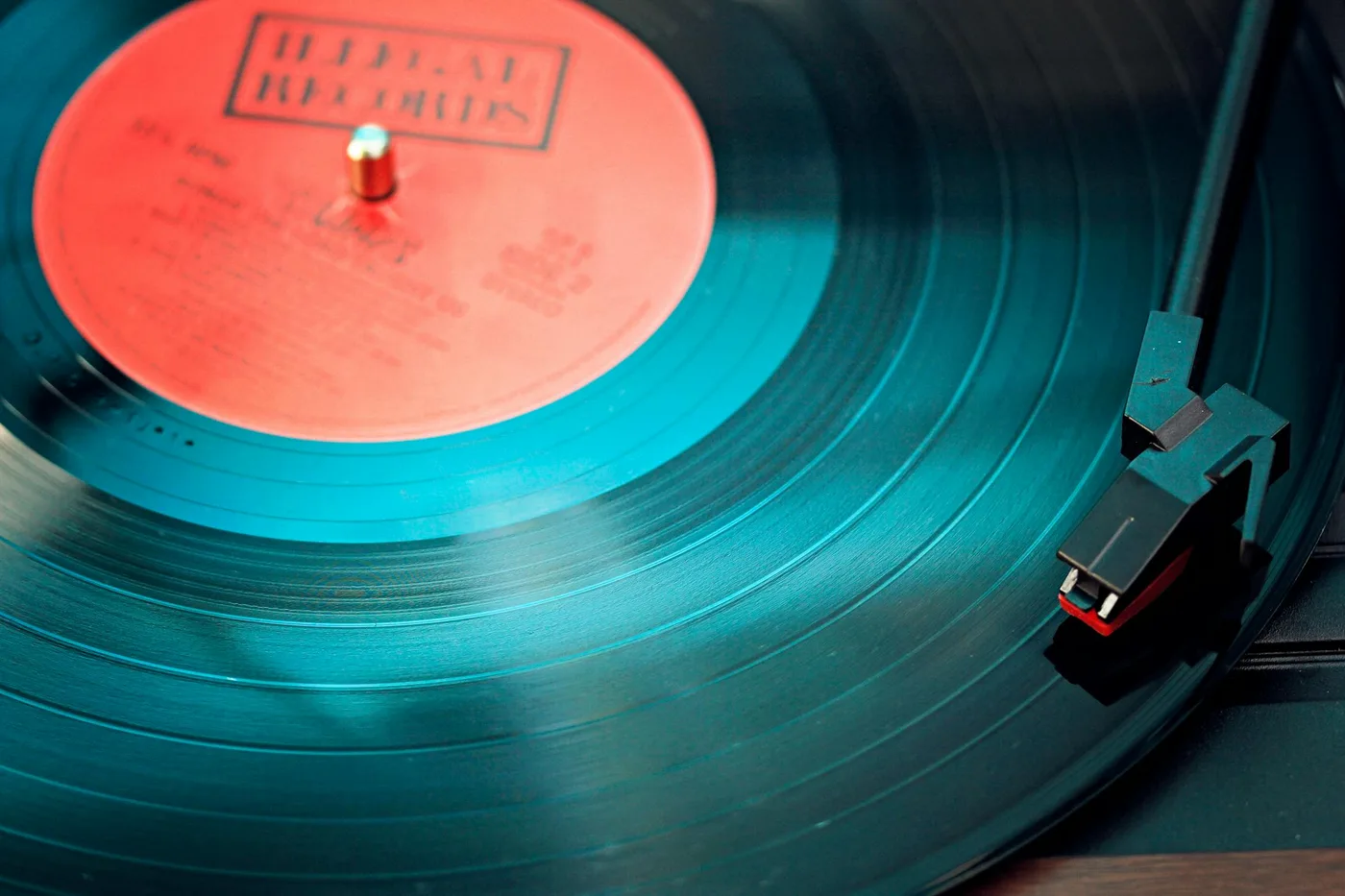
Digital vs Analog Sound: Can You Tell The Difference?
The digital vs analog debate has been going on for decades. Here is a practical take on what actually matters for modern producers.
Tools and AI

The Top 20 AI Music Creation and Production Tools
Twenty AI tools that actually move the needle for producers right now. Composition, mixing, mastering, vocals, and stem separation.

65+ Online Tools for Music Producers & Artists
A massive collection of websites, apps, and services that help with everything from collaboration to distribution to marketing your music.
Common questions
- What plugins do I actually need?
- Fewer than you think, as long as you know them well. Serum and one quality mixing bundle like FabFilter or Soundtoys will take you a long way. Add a good reverb, since that's where stock plugins fall furthest behind, and Valhalla's are some of the most affordable. Your DAW's stock EQ and sampler are fine for plenty of everyday work, so add plugins one at a time, when you can name the job the new one does that your current tools can't.
- Are paid plugins better than free ones?
- Some are, and some free tools earn a permanent spot in professional sessions, like Softube Saturation Knob and Xfer's OTT. Paid plugins tend to pull ahead in specialist areas like reverbs and synths, where a company spends years building one thing. A cheap plugin you know inside out will still do more for your mixes than an expensive one you've barely learned, so buy slowly and learn each one properly.
- Does the order of my plugins matter?
- Yes. Our processing chain runs saturation first, then reductive EQ to cut what you don't want, then compression, then additive EQ for boosts. Saturation adds new frequencies, so you cut after it, and you shape the sound before compressing so the compressor reacts to what you're keeping and doesn't flatten the boosts you add at the end. Building chains like this for every sound in a mix is what two full modules of the Hyperbits Masterclass cover, and once you understand why the order works, you can break it whenever you have a reason.
- Which DAW should I use?
- The one you'll open every day and learn inside out, since the techniques that make great records carry across all of them. Ableton Live and Logic Pro are the most common picks for electronic music, and FL Studio is a strong choice for pattern-based beatmaking, with free lifetime updates. Logic only runs on Mac, so on Windows the choice is really between Ableton and FL. Whichever you pick, learning its shortcuts and piano roll until the software gets out of your way matters more than which logo is on the splash screen.
- What gear should I buy first?
- A computer that can handle big sessions and a pair of good studio headphones you get to know well. Monitors and an audio interface come next, and before you trust those monitors, put some basic acoustic treatment in the room, because an untreated room lies to you about the low end. A microphone only matters once you're recording vocals or instruments. Past that point, reference tracks you know by heart will improve your mixes more than another piece of gear.