


Mateo Gonzalez sent his first demo to Colorize more than three years ago.
Nothing happened. So he sent another one. And another. For three years, every few months, a new track landed in the inbox of the label at the very top of his vision board.
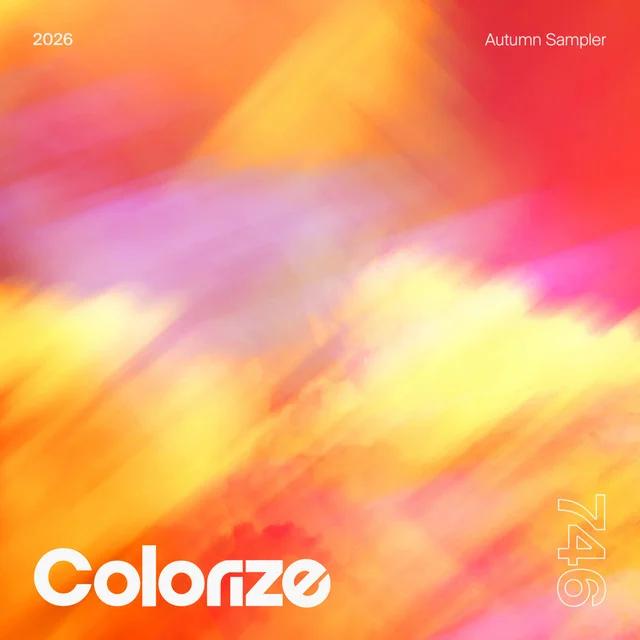
On October 26, “Forever Calling” by San Mateo Drive came out on Colorize.
The track itself took a few weeks to make. Most producers think getting signed comes down to one perfect demo. For Mateo it took fifteen years of producing, three years of emails, and something he wishes he’d figured out in 2012: you don’t get there alone.

A Violinist Who Taught Himself Everything Else
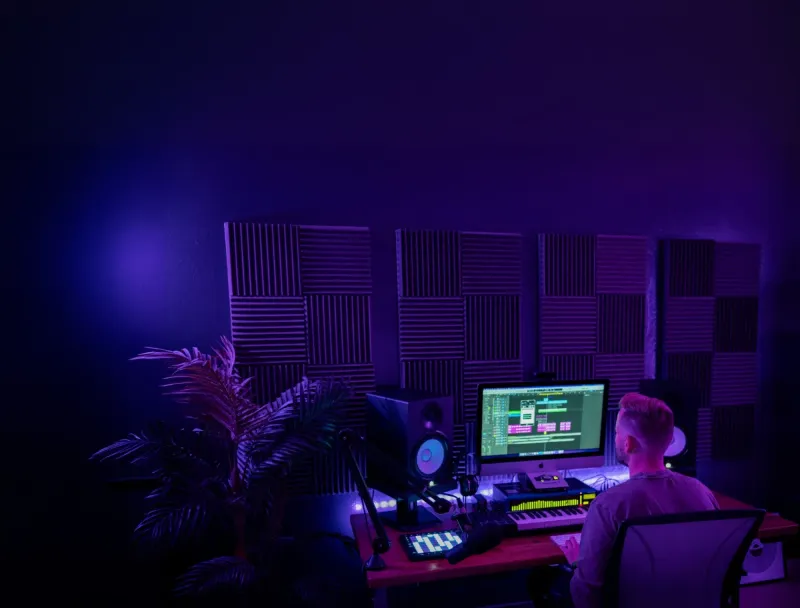
Mateo grew up just outside New York City and started violin lessons at 10. Later he taught himself guitar. By 2012 he was producing electronic music and DJing around the city.
The classical training gave him a head start most producers never get. “The biggest transferable skill was my ear for melodies and just a general understanding of music theory,” he says. “Like an orchestra, electronic music production requires layering and arranging elements across the entire frequency spectrum. I find it similar to the work of a classical composer.”
The name came later, from his years living and traveling along the Northern California coast. That’s the feeling he chases in every track: nostalgic, warm, built for a sunset drive.
But a good ear only takes you so far. For most of his first decade, Mateo was doing what a lot of self-taught producers do. Working alone, remixing popular songs, posting to SoundCloud, and waiting for something to break.
He’d tell his younger self to stop perfecting the production and start developing his taste, his songwriting, and his ability to actually finish records.
He also leaned on vocals too early. “It’s too easy to fall into the trap of masking underwhelming production behind a vocal topline,” he says, “so I wasn’t challenging myself enough to create dynamic, tension-building arrangements.”
Three Years in the Demo Inbox
Most producers send a demo, hear nothing, and quietly decide the label “isn’t into their sound.” Mateo heard nothing for three years and kept going. Here’s exactly what that looked like.
At first: he sent demos to the general demo inbox, like everyone else. No signing.
The warm intro: meanwhile he was releasing on other labels. One label owner trusted him enough to introduce him directly to Colorize’s A&R team.
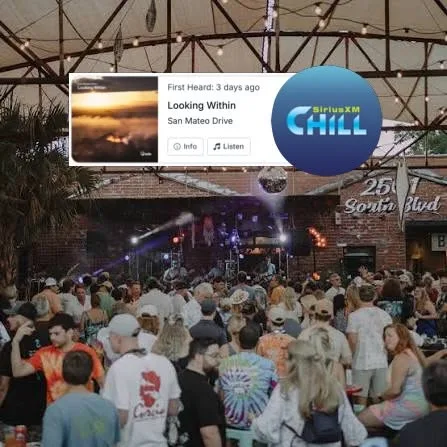
Another year of “not yet”: he kept sending demos every few months, along with short updates on what he’d achieved since the last one. SiriusXM Chill top 10s. Support from Nora En Pure, Sultan + Shepard, Jerro and Tritonal. A spot on A State of Trance. Apple editorial playlists. Still no signing.
The flip: at the start of 2026, Colorize came to him. They’d noticed the momentum he’d built across melodic house and asked for demos.
That led to rounds of A&R feedback, many edits, and about six months of releases on Enhanced Chill, Colorize’s sister imprint. Then, toward the end of the summer, he sent a demo called “Forever Calling.” The label heard it and said it was a Colorize record.
“It was just a matter of persistence,” Mateo says, “constantly showing up, and slowly improving my sound via the A&R’s feedback while finishing lots of music.”
Read that again: “via the A&R’s feedback.” Most producers get a no and stop sending. Mateo got notes, and treated every round as a free lesson from the exact people he wanted to sign with.
Two Alumni, One Colorize Record
When Colorize suggested “Forever Calling” might benefit from a vocal, Mateo knew exactly who to call.
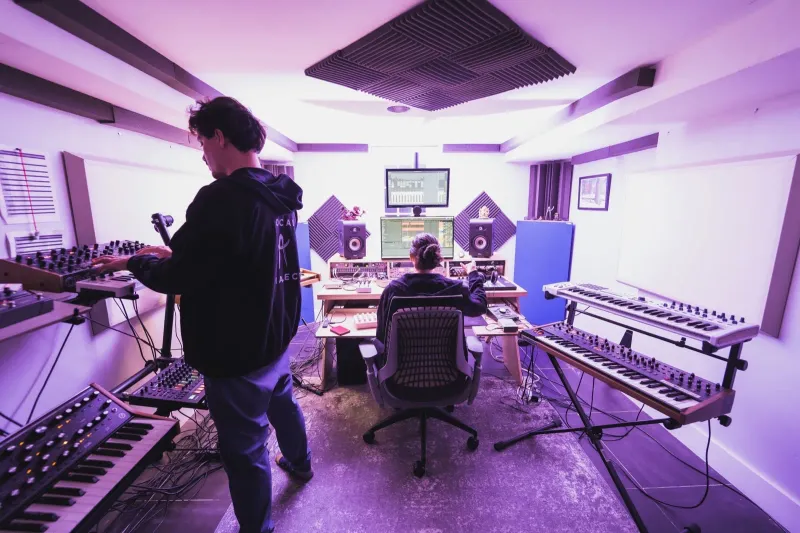
Sam Welch is another Hyperbits Masterclass alum. The two had already released a track together on Enhanced Chill earlier in the summer. Mateo sent Sam the instrumental, and about 48 hours later a vocal hook came back. Mateo rearranged it to fit the track, and the record was done.
“I can’t stress enough how important it is to build out a network of trusted collaborators,” he says. “Sam is a top-notch artist and it’s been a pleasure to continue to grow our collaborative relationship over several releases.”
Sam sent the hook back in two days. That’s what having the right person in your corner looks like.
What Patience Did for His Tracks
Last year Mateo and Hyperbits made an EP together, The Alchemy of Us. What he took away from it was patience.
“For many years I had been trying to optimize towards efficiency and productivity at the expense of sometimes rushing the process,” he says. “When we worked together, oftentimes we’d let a project rest for several weeks before coming back to it with fresh ears and a first-time listener perspective. Recently, I’ve had some of my biggest breakthroughs on tracks after coming back to them having taken time away to reset my ears and mind.”
His writing process has changed too. He used to start every track with chords and a bassline, then write a melody on top. Now he flips it: a two to four bar melody first, then chords written underneath it.
“I find that I land on more interesting harmonies that way, and the melody isn’t limited by the bounds of an existing progression.”

Why He Picks His Gigs Carefully
Mateo has young kids at home, so he can’t play every show that comes his way. When he does say yes, it’s on purpose.
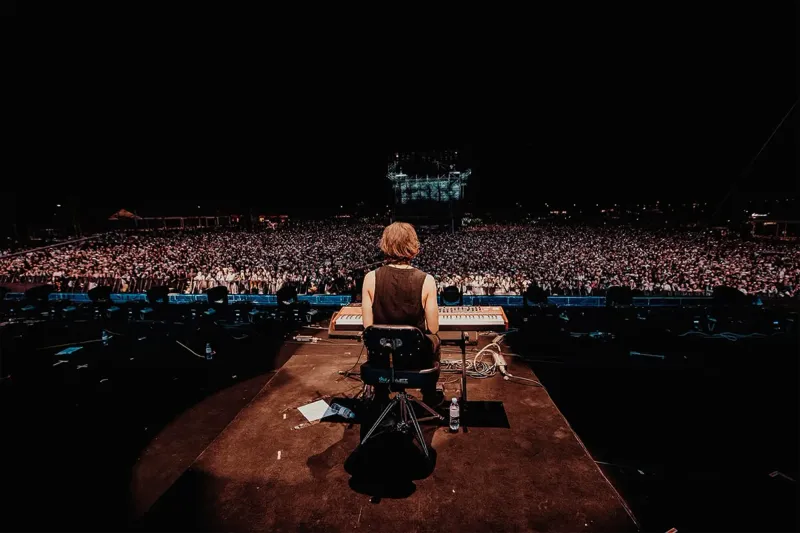
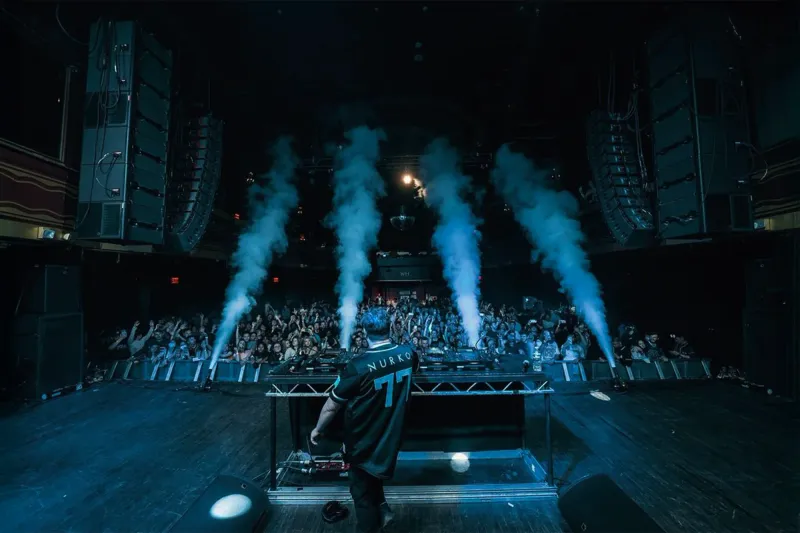
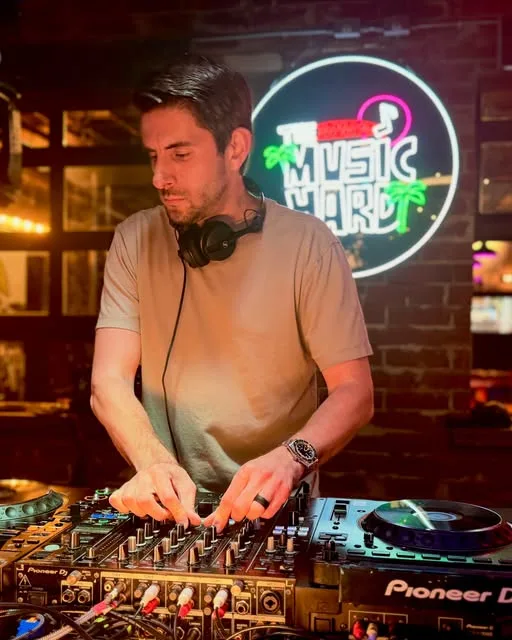
Recently that meant opening for Massane and for Jerro, two artists right in his lane, releasing on labels like Colorize and This Never Happened. Neither the artists, the promoters nor the venues put any limits on what he played, so he filled both sets with melodic and chill house, including plenty of his own music and his producer friends’ music.
He’s clear about what those nights were worth beyond the fee:
- Introducing himself to local melodic house fans and promoters
- Meeting the headliners
- Shows worth adding to his EPK (electronic press kit)
- Reps on CDJs in front of a real crowd, while his catalog keeps growing in the background
The fans he met at those shows have since become some of his most engaged followers online. “Nothing can ever replace real life, in-person connections.”
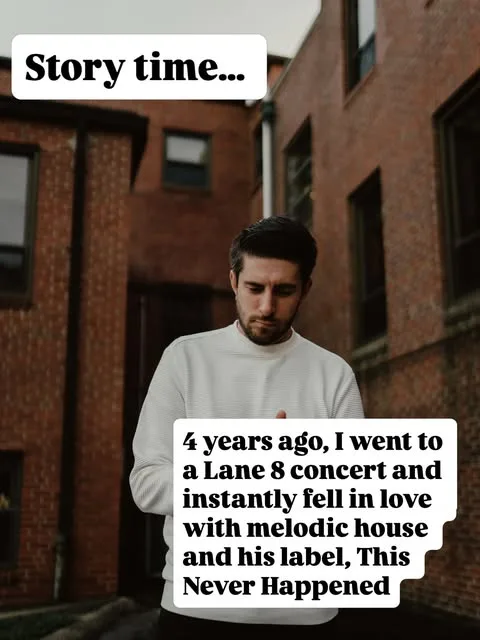
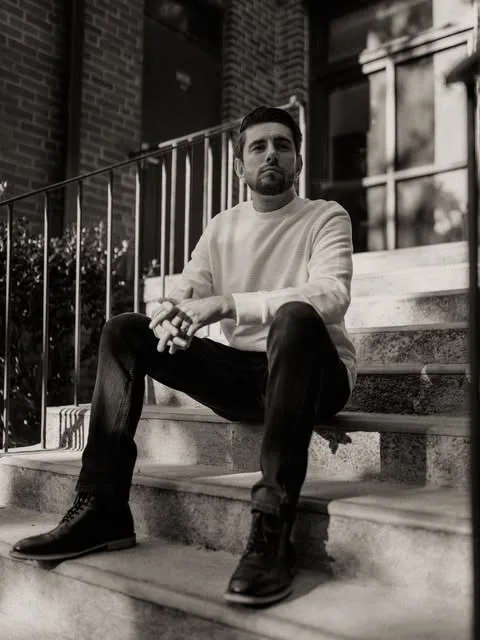
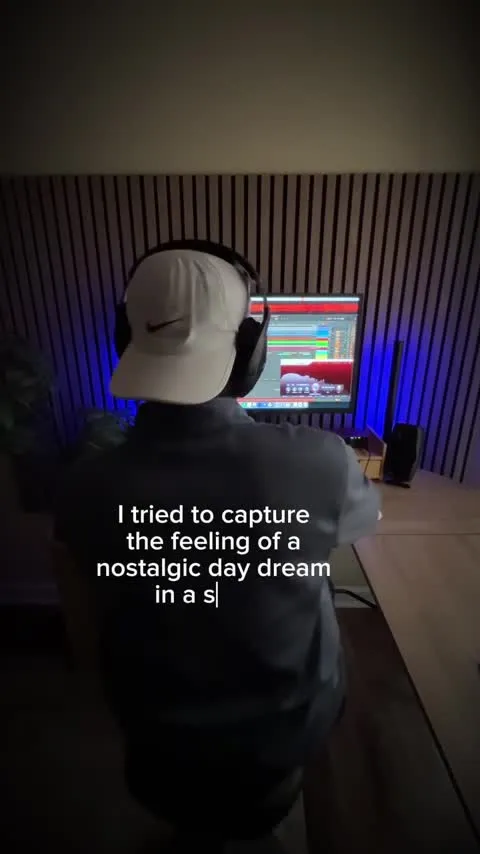
A few recent posts from his Instagram:
Nobody Gets Signed Alone
If you skim this, it’s a persistence story: keep sending demos and eventually you win. That’s the lazy takeaway. Look at what actually got him signed.
An A&R team’s notes improved his sound. A label owner’s intro got him in the door. A fellow alum wrote the hook. A collaborator taught him to let tracks rest. The shows put him in a room with the artists he admires. Every turning point in the last few years came from another person.
“Over just the last three to four years, getting feedback and support from my peers, bigger artists, and labels has accelerated my growth far more than working alone ever did.”
So if you’re stuck, here’s the uncomfortable part: another tutorial won’t fix it. Feedback, people making the same music you are, and the patience to keep showing up will.
Listen to San Mateo Drive
In His Own Words
We asked Mateo a few more questions about his sound and his process.
Your bio says that with the right music you’ll either “forget everything or remember everything.” What does that mean to you?
I like to make feel-good music that’s both nostalgic and uplifting. I wouldn’t say specific tracks lean one way or the other, rather the idea is that it’s listener-by-listener dependent. I hope that for some people, my music can be a form of escapism to briefly transport them away from whatever they might be dealing with in the moment, while for others it brings back nostalgic memories from the past.
Walk us through a typical first hour on a new track.
I used to always start with a chord progression and bassline and then write a melody on top of it. More recently, I’ve been starting the other way around with a 2-4 bar melody or melodic motif and then writing chords to the melody. I find that I land on more interesting harmonies that way, and the melody isn’t limited by the bounds of an existing progression.
Once I’ve figured out the core melodic idea, I’ll start layering atmospheric textures and countermelodies and refining the sound design. Finally, I’ll add some basic drums and begin to build out a full 8-16 bar loop, which will quickly take the shape of a full arrangement during my next session.
How much has feedback from other producers, mentors or labels shaped your sound?
Music production is the sum of hundreds (possibly thousands) of little moves and decisions, so I like to think that I’ve slowly taken all the various feedback and tips I’ve received over the last 15 years and molded that into my own interpretation of a signature sound and workflow. There was never one tip or moment that changed everything.
What would you tell yourself in 2012, the year you started producing?
I’d tell myself to spend less time trying to perfect the production and more time developing my own taste, songwriting skills, and ability to finish records. I also spent too much time trying to break through by remixing popular songs and posting to SoundCloud. I wish I had focused on releasing more instrumental music, as it’s too easy to fall into the trap of masking underwhelming production behind a vocal topline, and so I wasn’t challenging myself enough to create dynamic, tension-building arrangements.
Along the same lines, try to be intentional with every production decision because every element should serve a purpose in the track, and always, always use more automation!
Most importantly, I’d collaborate more, send music to label A&Rs sooner, and join artist communities within my genre much earlier. Over just the last 3-4 years, getting feedback and support from my peers, bigger artists, and labels has accelerated my growth far more than working alone ever did.
Mateo and Sam both came through the Hyperbits Masterclass. It’s built around the things Mateo wishes he’d found sooner: live sessions and feedback on your music, a community of producers making the same kind of tracks, and a structure that gets you finishing records instead of perfecting loops alone.
If you’d rather work one-on-one, see how music production coaching at Hyperbits works.